


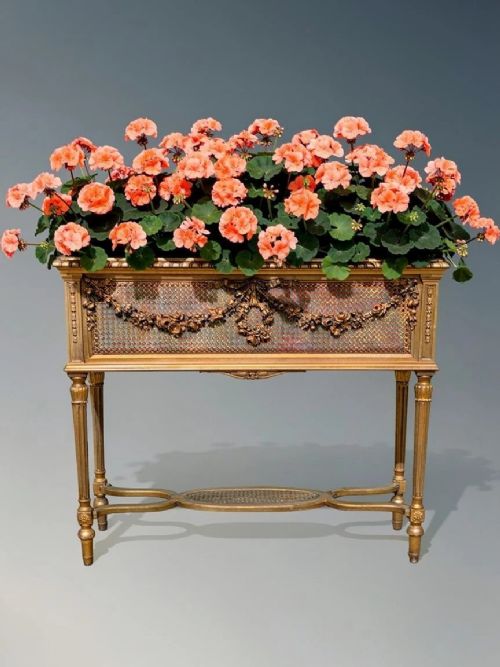
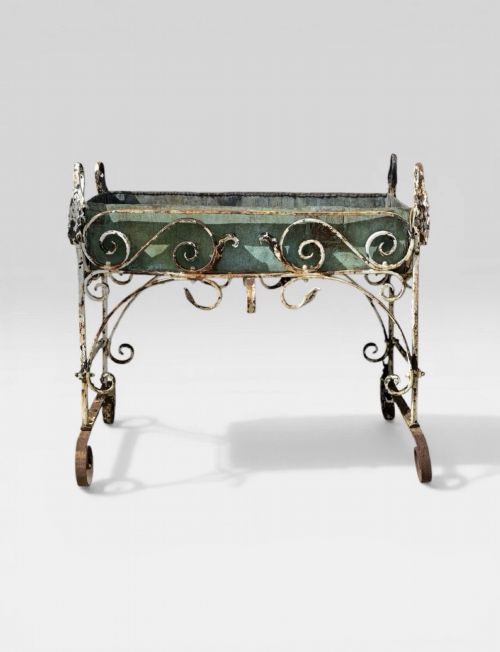
Vintage French Plant Stand
A vintage french plant stand brings architectural greenery indoors through centuries of ironwork, marble and polished wood.
Vintage French Plant Stand
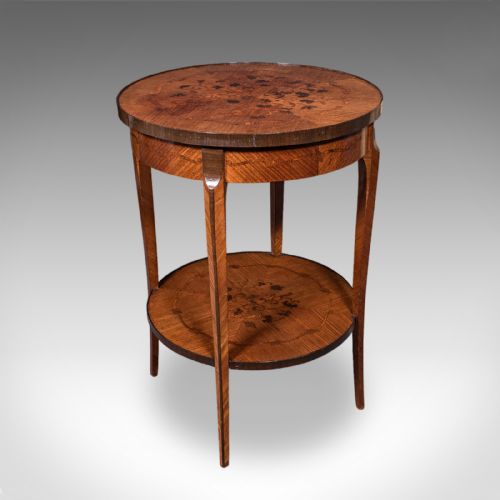
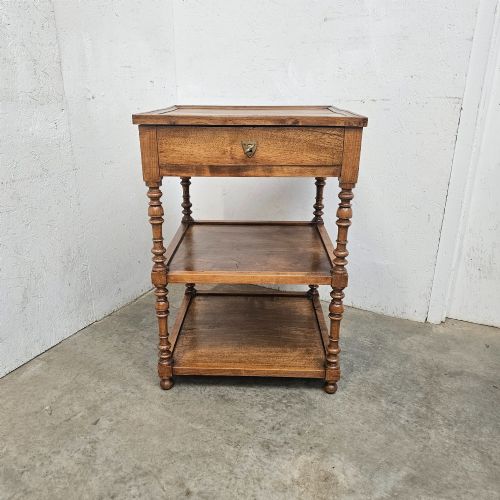
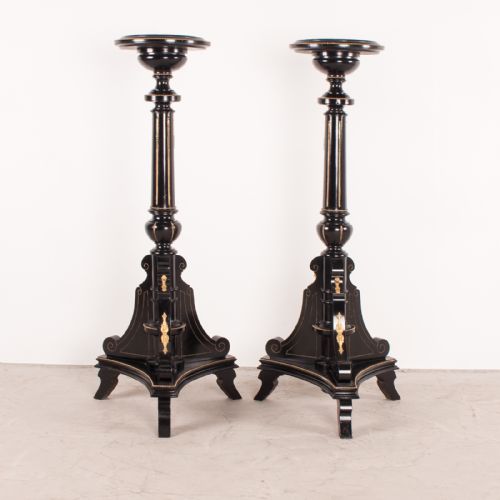
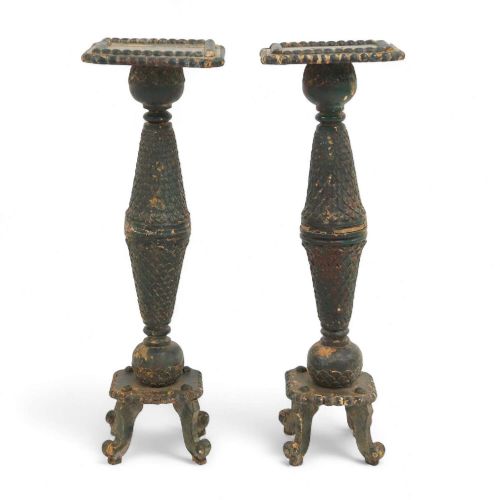
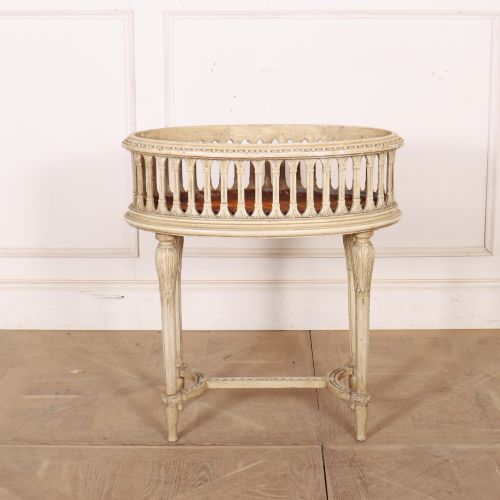
A vintage french plant stand is typically encountered as a tall pedestal, a multi-tiered etagere, or a low jardiniere table designed to elevate botanical displays. The selections here span the nineteenth century into the twentieth century, reflecting periods such as Edwardian, Victorian, and the Belle Epoque.
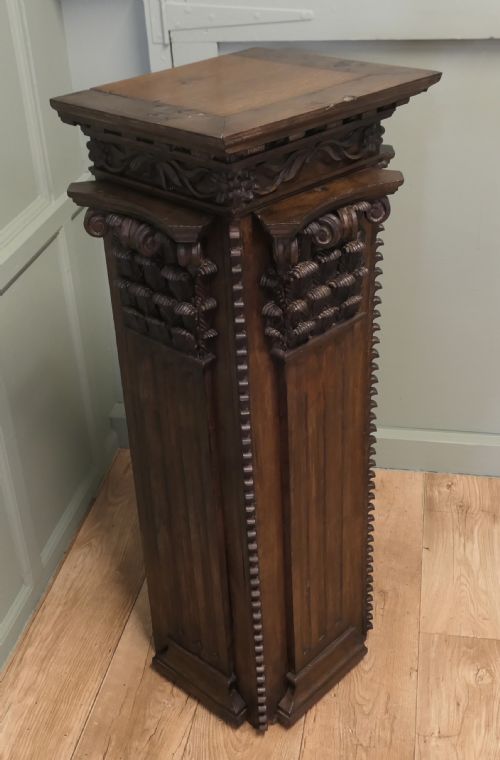
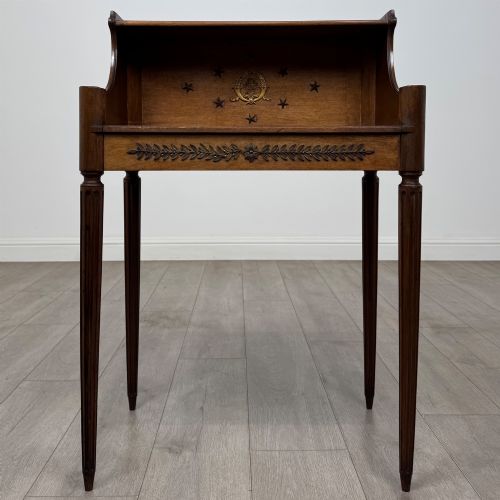
Buyers frequently encounter marble-topped tables, gilded brass mounts, and wirework conservatory stands shaped by French country, Louis XVI, and Empire styles. Forms range from slender torcheres to sturdy oak columns and wrought iron garden urns.
Makers and designers utilised diverse materials including mahogany, kingwood, walnut, and painted iron to create functional display furniture for both interior salons and glasshouses.
Materials and construction
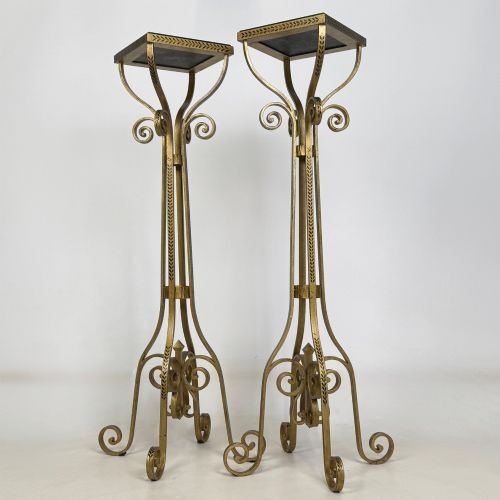
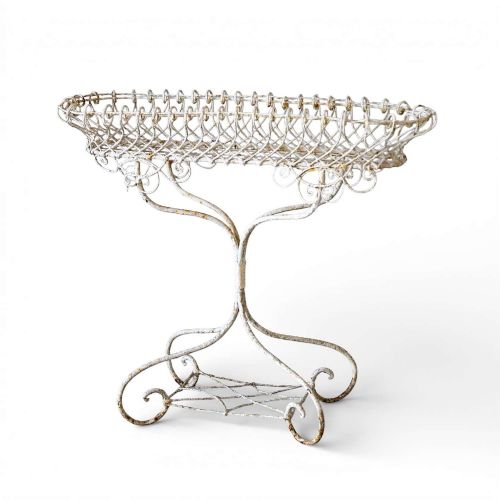
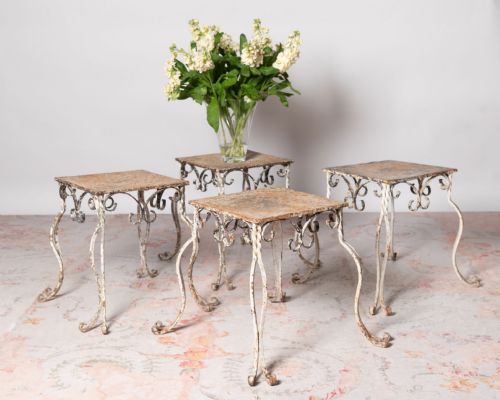
Metalworking defines much of the inventory, utilising wrought iron, cast iron, and chiseled brass alongside ormolu mounts. Scrollwork, lattice baskets, and wirework form the structural framework for garden and conservatory pieces.
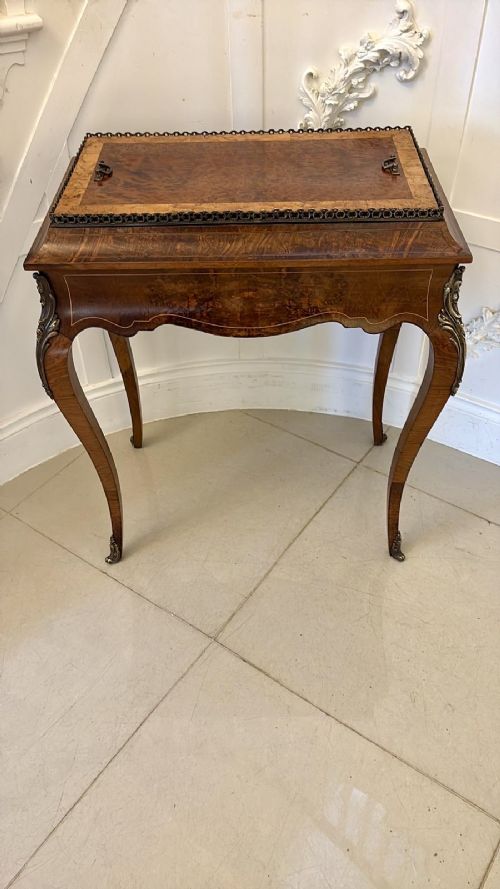
Cabinetmakers combined hardwoods such as mahogany, walnut, kingwood, and satinwood with inset marble or onyx tops, occasionally adding canework, original paint finishes, or porcelain plaques for decorative emphasis.
Several stands survived decades of damp conservatory air and garden soil, earning their patinas the honest way.
Distinctions in craftsmanship
Quality rests in the crispness of the carving, the weight of the cast metal mounts, and the integration of fine materials like solid marble and figured veneers. Pieces displaying hand-chiseled brass or detailed scrollwork demonstrate superior workshop execution.
Proportion and stability separate standard utility items from refined salon pieces. The seamless joinery of turned wooden legs and the preservation of original paint or gilt surfaces determine the standing of each piece.
The Vintage French Plant Stand Glossary
- Jardiniere
- An ornamental pot or stand designed to hold growing plants or flowers. These vessels often feature liners and decorative metal mounts.
- Torchere
- A tall stand or pedestal originally intended to hold a candle or torch, adapted in later periods to support lamps and plants.
- Gueridon
- A small round table supported by one or more columns or figures, frequently topped with marble or onyx.
- Etagere
- A piece of furniture consisting of a set of open shelves for displaying small objects or plants.
- Ormolu
- Gilded bronze applied as a decorative mount on furniture and plant stands, common in French Empire and Louis styles.
Vintage French Plant Stand: Frequently Asked Questions
How do I use a plant stand in a modern room?
These stands suit corners or empty wall spaces where height and botanical texture can break up flat lines. They support trailing plants or sculptural greenery without dominating the floor plan.
Pairing a marble-topped pedestal with contemporary furnishings highlights the contrast between historical materials and clean interior spaces.
Were these stands made for indoor or outdoor use?
Origin determines placement, with heavier wrought iron and cast iron pieces constructed for gardens, patios, or unheated conservatories. Interior examples rely on polished hardwoods, giltwood, and delicate paint finishes.
Protecting delicate woods and ormolu mounts from moisture ensures the longevity of indoor salon pieces.
How do I distinguish Louis styles on these stands?
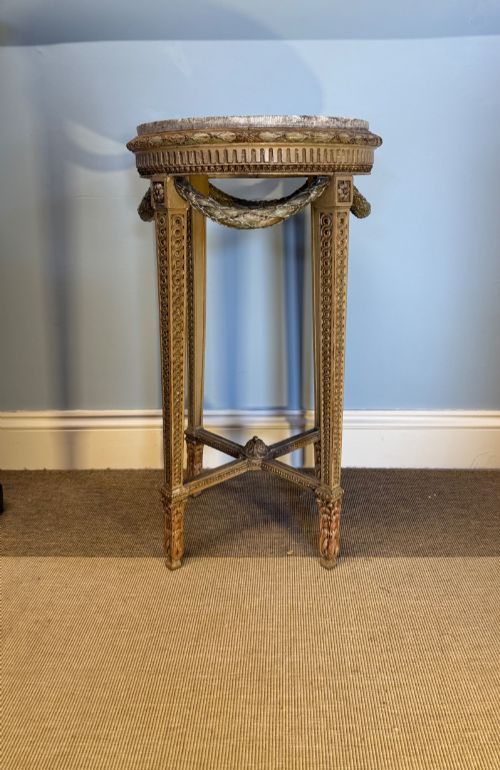
Louis XV style pieces tend to exhibit curved cabriole legs and organic rococo scrollwork. Louis XVI style pieces lean towards neoclassical straight lines, fluted columns, and symmetrical brass mounts.
Recognising these decorative motifs helps date the manufacturing period of the stand.
What is the difference between a pedestal and an etagere?
A pedestal acts as a single column designed to elevate one primary urn, statue, or plant pot. An etagere incorporates multiple tiers or open shelves for displaying several items at once.
Both forms serve to lift greenery off the ground, though etageres offer greater surface area for varied arrangements.