

French Gueridon Side Table
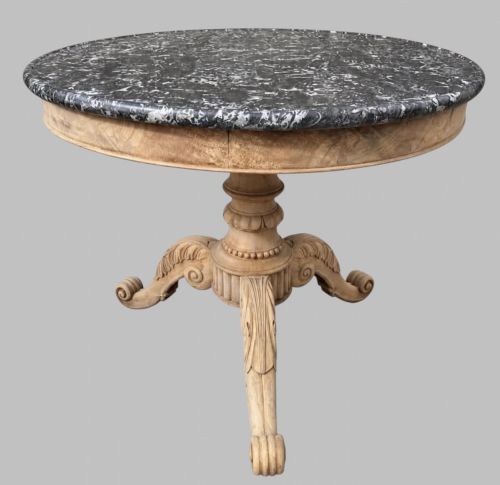
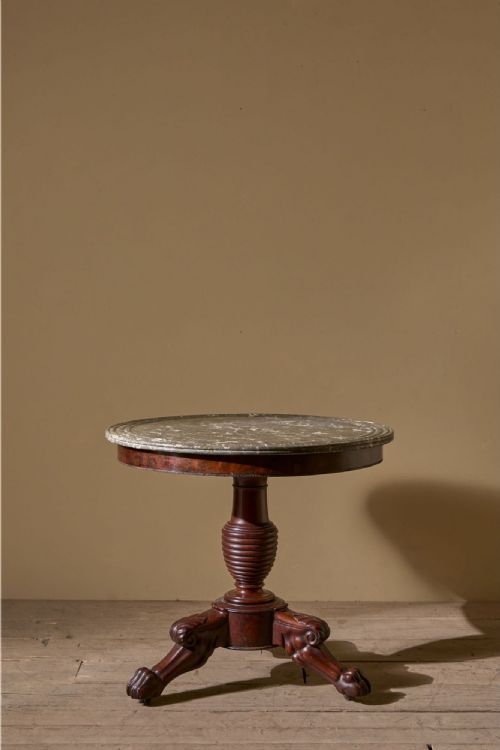
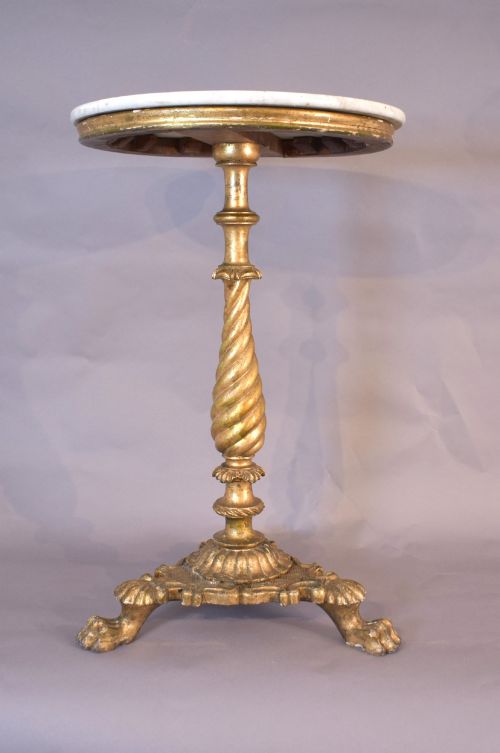
When you search for a french gueridon side table, you are looking at circular French tables built around a central column or tripod base.
French Gueridon Side Table
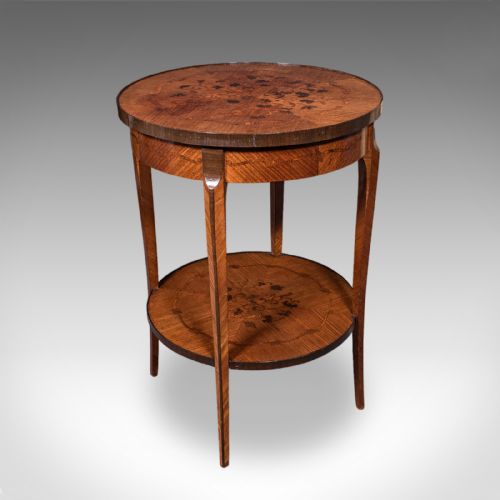
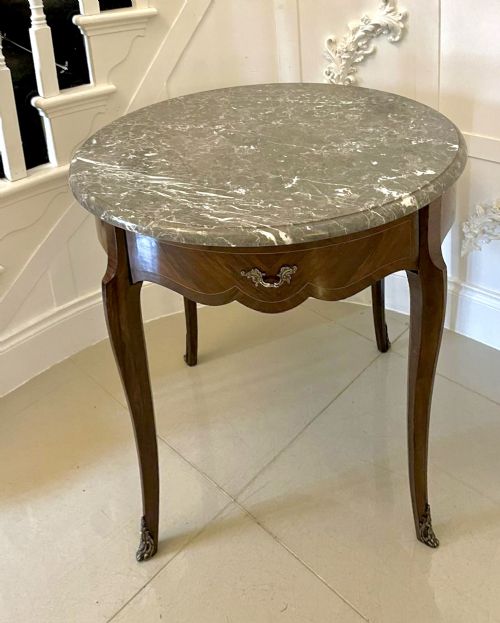
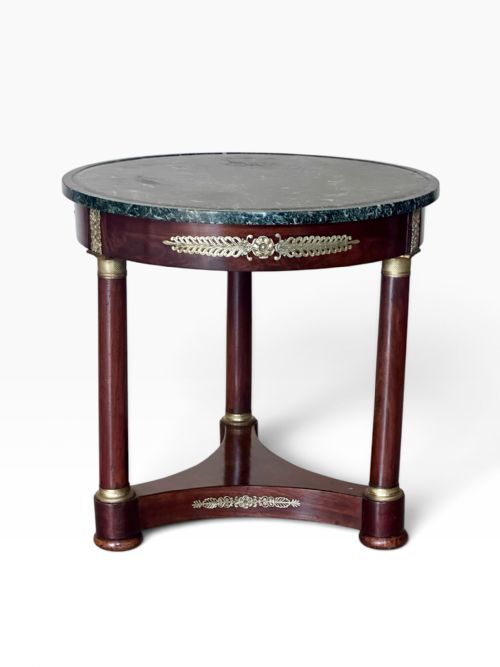
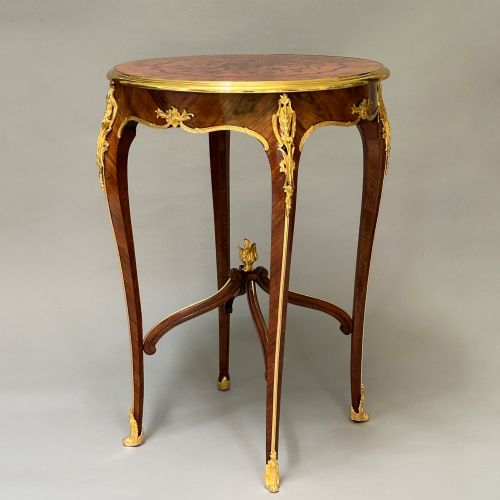
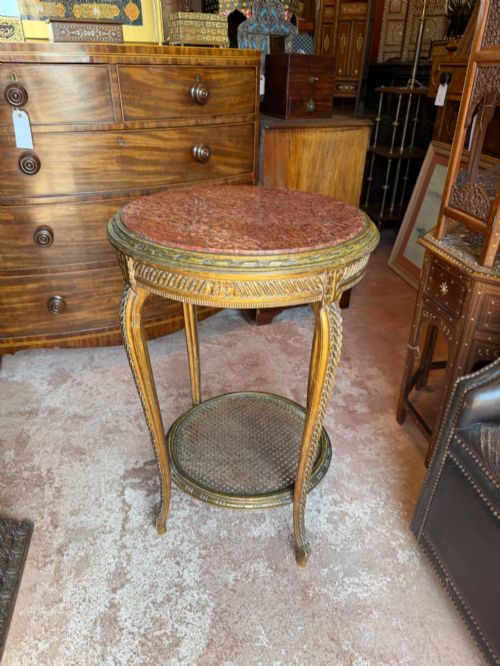
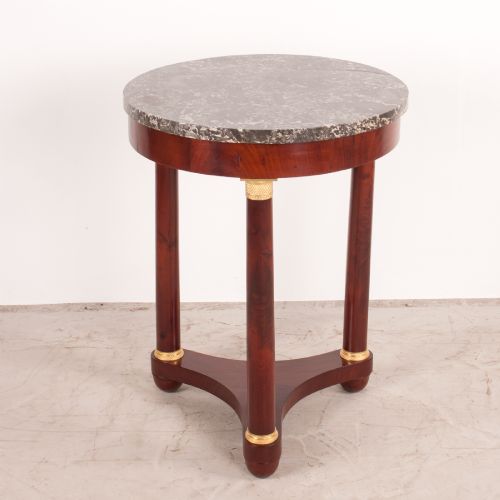
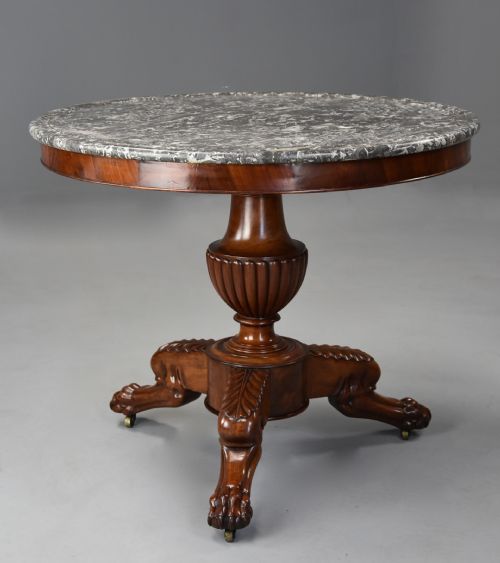
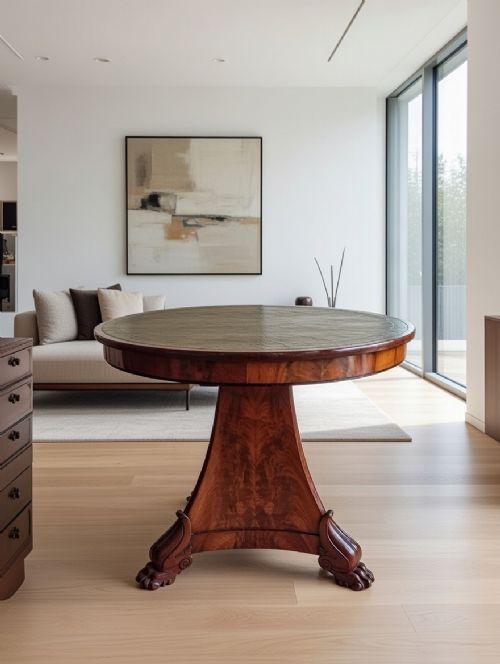
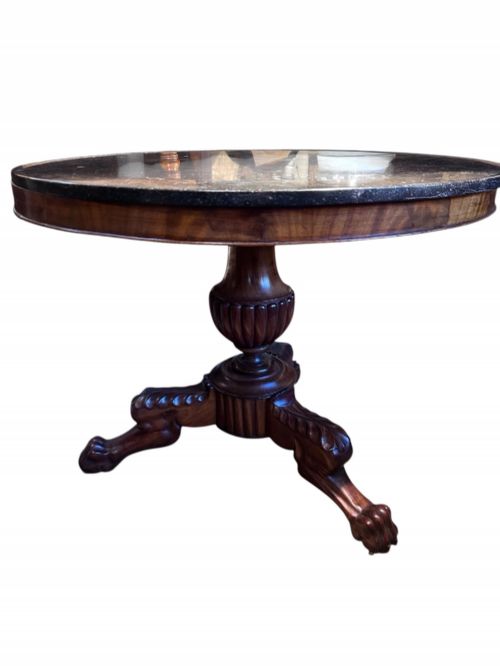
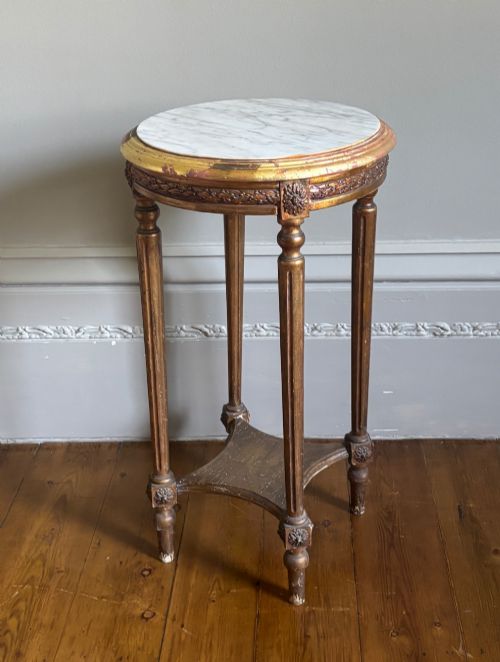
A french gueridon side table typically takes the form of a round pedestal table designed for occasional use, often serving as a lamp or centre table. The selection spans the nineteenth and early twentieth centuries, drawing on traditional French cabinet-making forms from the Empire, Louis XV, and Louis XVI periods.
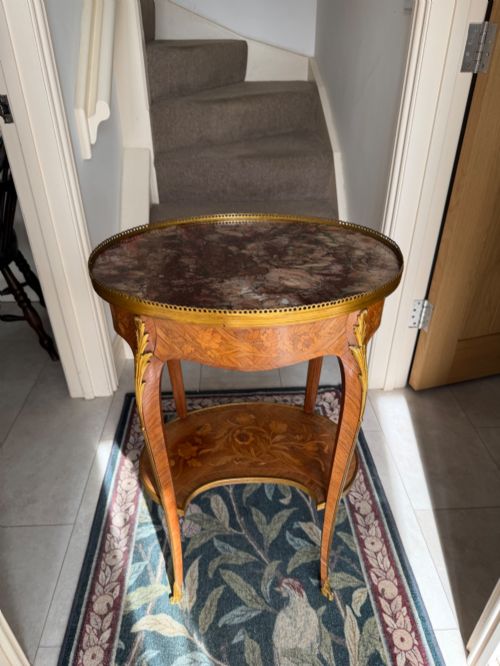
Makers and workshops across these periods produced tables ranging from simple mahogany occasional pieces to highly decorative items featuring marquetry and gilt mounts. Buyers encounter various formats, including wine tables, bistro tables, and multi-tiered occasional stands.
How they were made
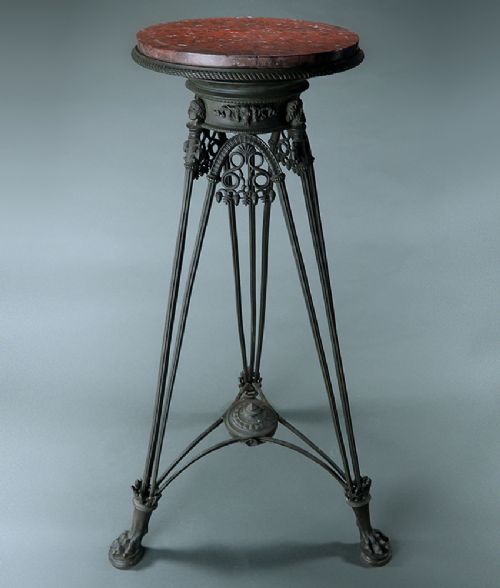
Cabinet-makers constructed the carcases using timbers such as mahogany, walnut, kingwood, and burr elm, frequently applying intricate marquetry or parquetry veneers. Tops were commonly fashioned from solid or veined marble, slate, leather, or inlaid wood, resting upon central pedestals or tripod legs.
Decorative embellishments relied on cast brass, ormolu, gilt bronze, and gilded wood mounts, often incorporating classical motifs, rams' heads, or finely chased detailing.
The listings here feature woods including mahogany, kingwood, walnut, burr elm, and oak, paired with marble, leather, and brass.
What varies in quality
The standard of a french gueridon side table depends largely on the crispness of the bronze or ormolu mounts and the precision of the timber veneers. Finer examples display hand-chiseled metalwork and carefully selected grain patterns in the kingwood, mahogany, or walnut.
Structural integrity of the central pillar and the original fit of the marble top also distinguish workshop standards, separating standard production pieces from master cabinet-maker output.
François Linke·L.Martin of Paris·A Hugnet Paris·Adam Weisweiler
The French Gueridon Side Table Glossary
- Gueridon
- A round French occasional table supported by a central pillar or tripod base. This form dates back to the seventeenth century and remains a staple of period interiors.
- Ormolu
- Gilded bronze mounts applied to furniture for decorative effect. The technique involves a mercury-gilding process seen on higher-end nineteenth-century pieces.
- Kingwood
- A dense, richly figured Brazilian timber used extensively for decorative veneers in French cabinet-making. It is often contrasted with lighter woods in geometric patterns.
- Marquetry
- The art of applying pieces of veneer to a structure to form decorative patterns or pictures. Craftsmen utilised various exotic woods to create floral or architectural motifs.
- Parquetry
- Geometric wood inlay forming patterned surfaces such as cubes or chequers. This technique highlights the natural grain of timbers like mahogany and kingwood.
French Gueridon Side Table: Frequently Asked Questions
What is a gueridon table?
A gueridon is a traditional French round table supported by a central column or tripod feet. They were originally introduced in the seventeenth century as candle stands before evolving into general occasional furniture.
Today, buyers use them as flexible lamp tables or small display surfaces in sitting rooms and hallways.
How do I identify periods?
Dating relies on combining the timber choices, decorative motifs, and structural hardware. Empire and neoclassical examples display classical bronze mounts and geometric mahogany veneers, whereas Louis XV revival pieces feature curved cabriole legs and floral marquetry.
Later Edwardian and early twentieth-century items often replicate these earlier styles with lighter internal construction.
Were these tables used for dining?
Most pieces listed as side, lamp, or occasional tables were intended for holding lights, books, or decorative objects rather than serving meals. Smaller wine tables and bistro versions provided stable surfaces for drinks in domestic settings.
Their compact circular footprints allowed them to fit easily beside seating arrangements.
How do I clean marble tops?
Marble surfaces require gentle maintenance using a soft cloth and warm water without harsh chemical cleaners. Natural stone is porous and can absorb liquids if spills are left unattended for long periods.
Routine dusting preserves the polished finish of veined white, grey, or rouge marble.