
Vintage Freestanding Mirror
A vintage freestanding mirror offers practical reflection paired with period craftsmanship, bringing both utility and character to a room.
Vintage Freestanding Mirror
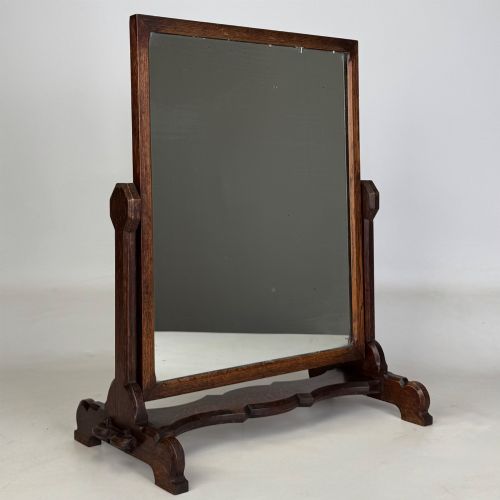
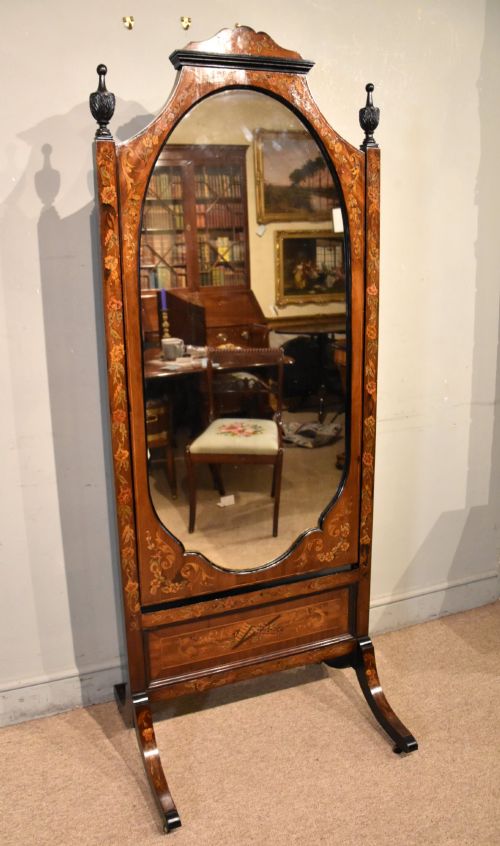
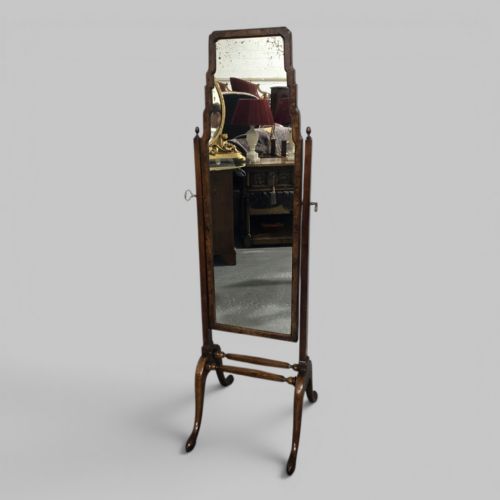
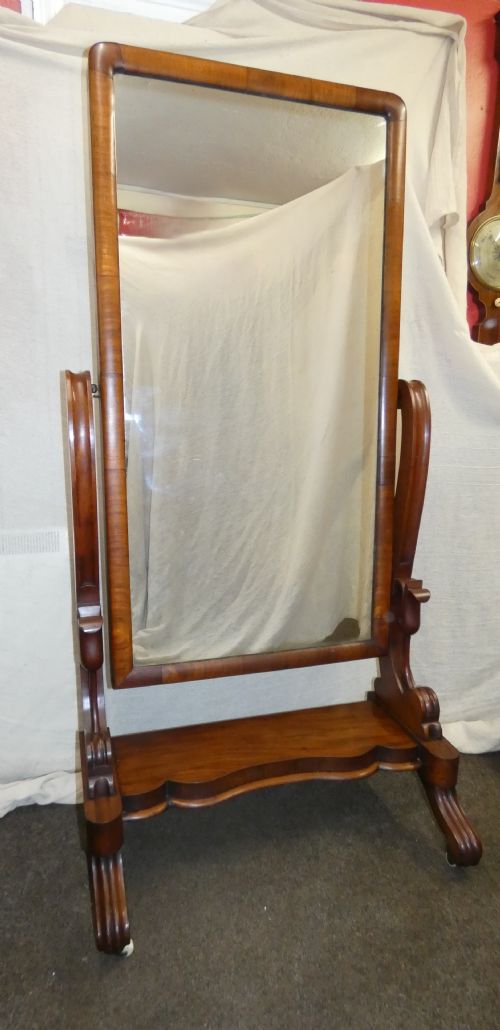
When you search for a vintage freestanding mirror, you encounter tall full-length cheval frames alongside smaller dressing table and table top variants. These pieces span the nineteenth and twentieth centuries, originating from Victorian, Edwardian, and later twentieth-century workshops.
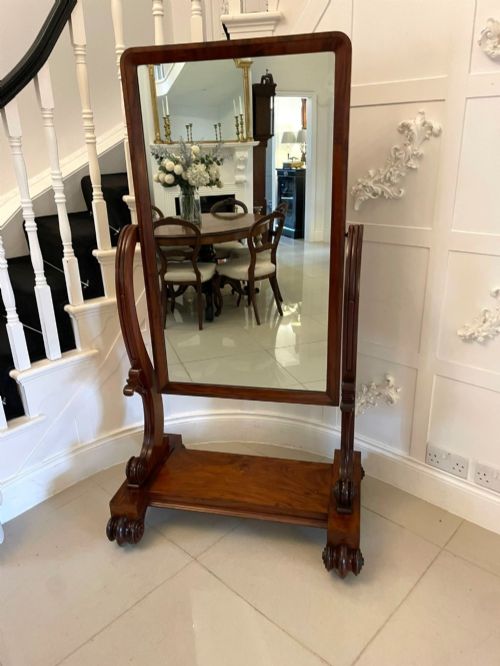
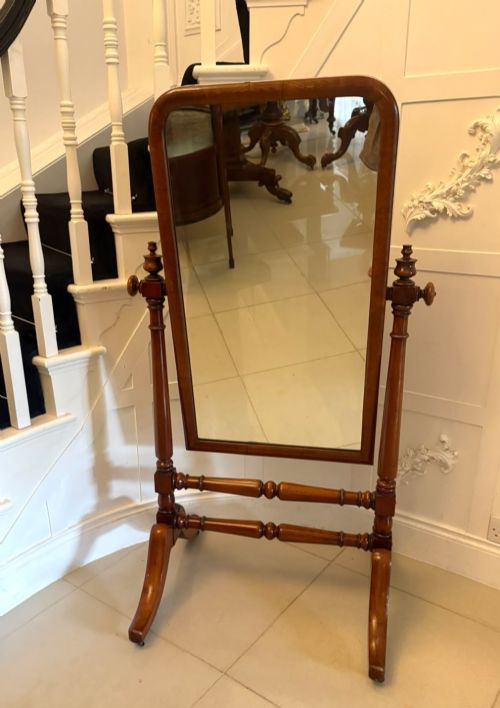
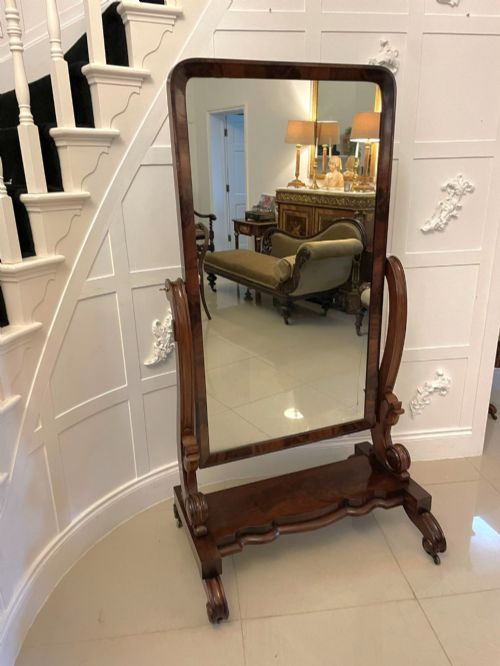
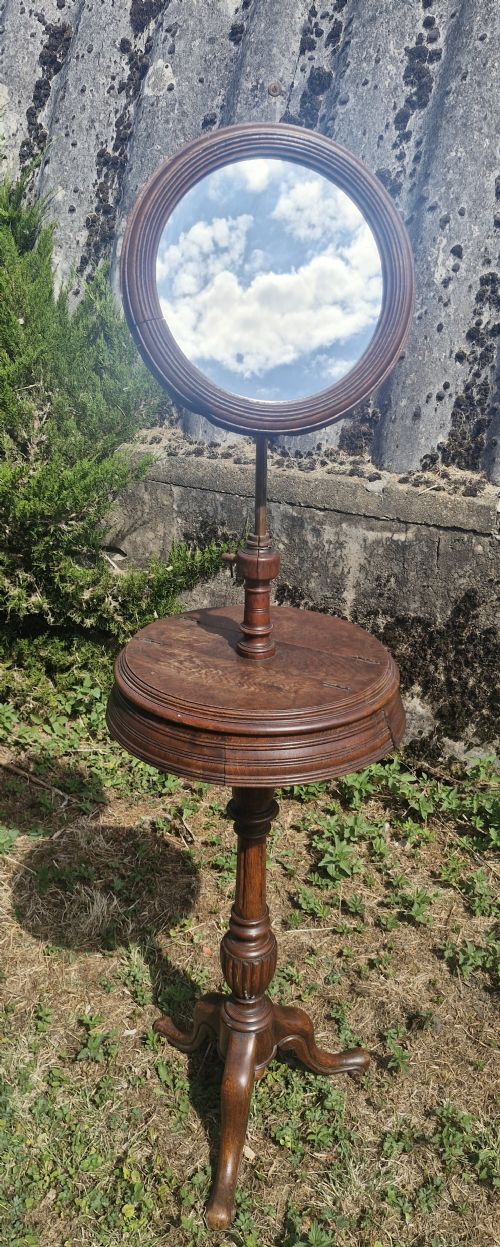
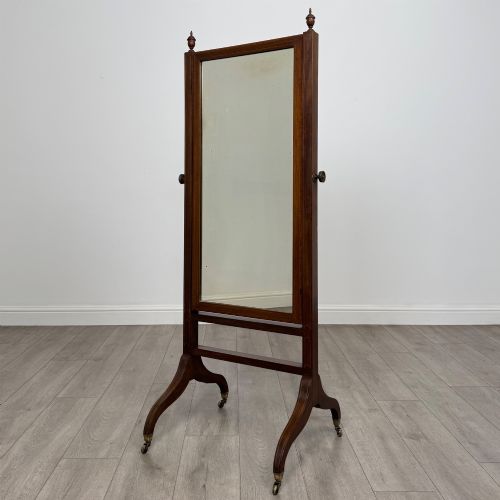
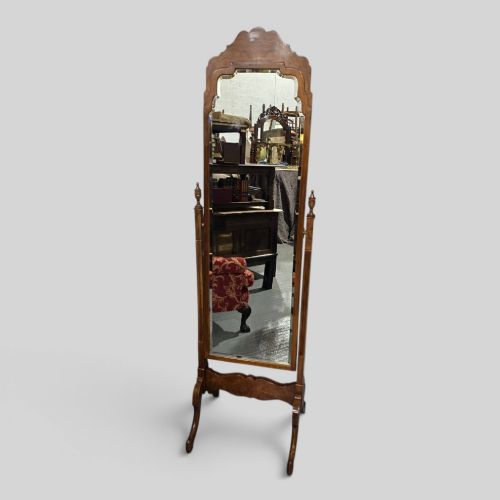
The most common form on this page is the mahogany cheval mirror, designed to pivot within a sturdy upright frame supported by feet or castors. Other recurring types include oak shaving stands, walnut dressing mirrors, and occasional brass or silver-plated table frames.
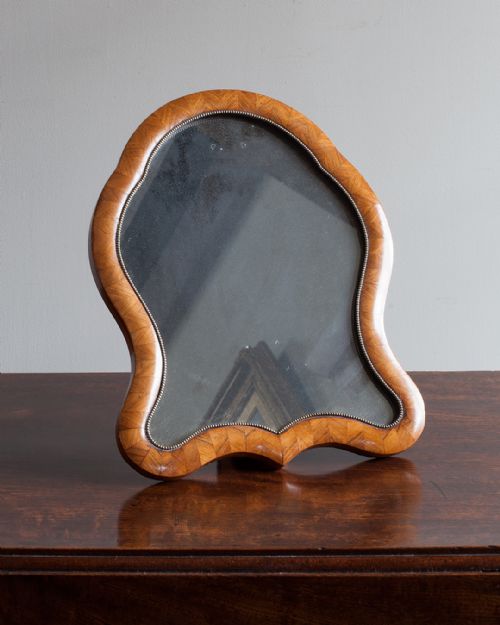
Makers and designers from different decades adapted these mirrors for specific domestic spaces, from the grand bedroom to the compact hallway. Whether scaled for a dressing table or built for full-length reflection, each format relies on pivoting mechanisms or easel backs to angle the glass.
Materials and construction methods
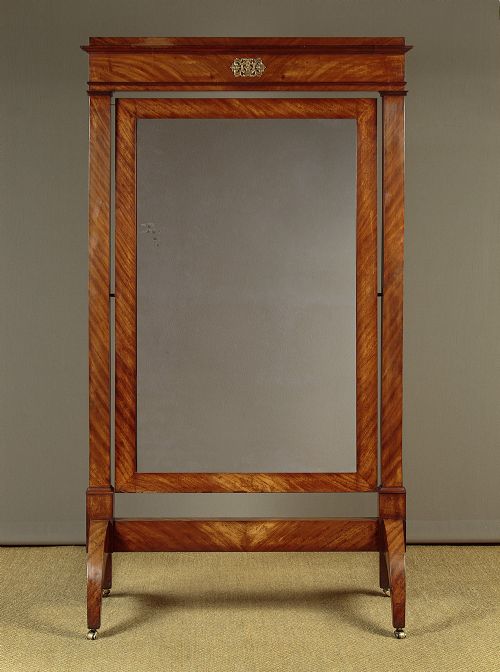
Makers relied heavily on solid hardwoods like mahogany, oak, and walnut, frequently selecting flame mahogany veneers or incorporating inlaid details to enrich the timber surfaces. Frames often feature turned supports, brass sabots, castors, and adjustable pivots that allow the glass to tilt.
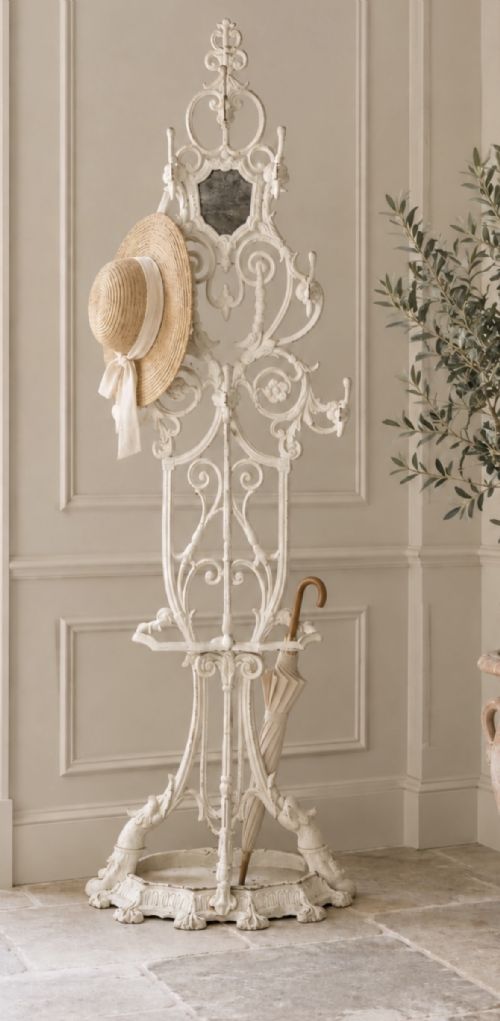
Smaller tabletop and easel mirrors utilised alternative metals, including cast iron, brass, and silver plating, sometimes housing bevelled mirror glass within carved giltwood or bamboo structures.
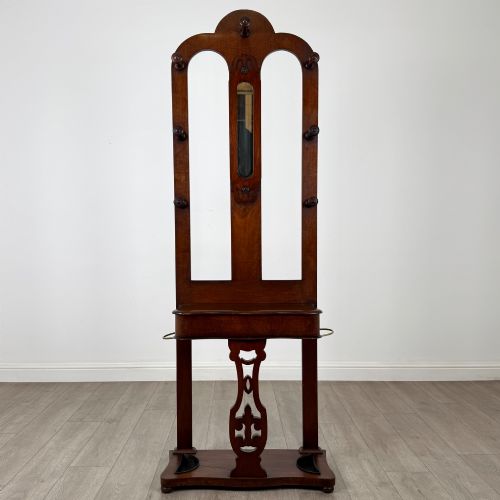
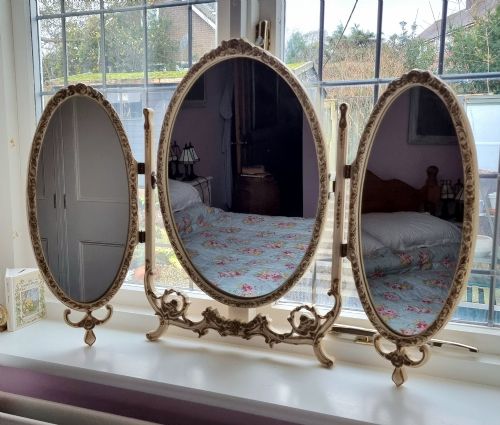
Object types include cheval mirrors, shaving stands, hall stands, and triptych dressing table mirrors.
Distinguishing quality in construction and materials
Superior examples demonstrate heavier timber scantlings, refined carving, and well-fitted pivoting hardware that holds the glass steady at any chosen angle. Finer pieces incorporate secondary timbers of matching quality and retain original brass castors or sabots.
At the simpler end, construction relies on lighter framing, plain turnings, and minimal decorative enrichment. The presence of dense burr walnut veneers, intricate boxwood stringing, or marked silver plate elevates a piece above standard domestic utility.
WMF·Waring and Gillow
The Vintage Freestanding Mirror Glossary
- Cheval mirror
- A tall freestanding mirror supported on a vertical frame with pivoting side pins, allowing the glass to tilt.
- Sabot
- A metal shoe or cap fitted to the foot of a furniture leg, commonly cast in brass.
- Easel back
- A hinged leg or support attached to the rear of a table mirror to prop it upright.
- Triptych
- A mirror composed of three hinged panels, featuring a central glass flanked by two smaller adjustable wings.
- Stringing
- A narrow inlaid line of contrasting wood used to decorate furniture surfaces.
Vintage Freestanding Mirror: Frequently Asked Questions
What is a cheval mirror?
A cheval mirror is a full-length glass mounted in a freestanding frame that pivots on vertical pins. This design allows the user to tilt the mirror to various angles for viewing.
Originating in the nineteenth century, these pieces were essential bedroom furniture for checking attire from head to toe.
How do I use a shaving stand?
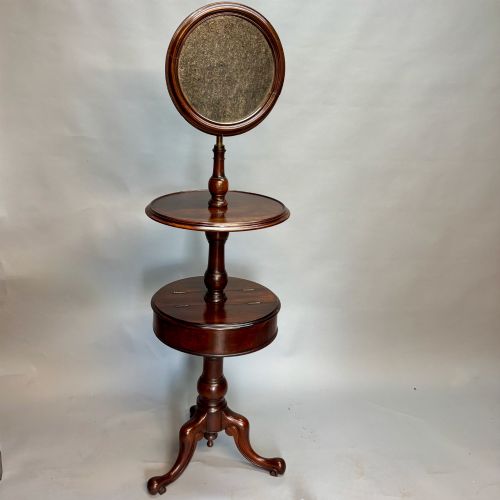
A shaving stand combines an adjustable mirror with a small tabletop or compartment surface designed for grooming tools. Gentlemen utilised these in bedrooms or dressing rooms before built-in bathroom fixtures became standard.
The adjustable height and tilting glass helped users catch the best morning light.
Where should I place a dressing table mirror?
A dressing table mirror sits atop a chest of drawers, sideboard, or dedicated vanity table to provide a seated reflection. These smaller versions often feature drawers or a triptych layout.
They work well in bedrooms where floor space cannot accommodate a full-length cheval frame.
How do I identify an Edwardian mirror?
Edwardian mirrors often feature lighter timbers such as inlaid mahogany or oak, reflecting the tastes of the early twentieth century. The decorative style tends to be less heavy than Victorian designs.
Craftsmen frequently incorporated subtle stringing, Arts and Crafts influences, or simpler geometric lines.