
Tabletop Standing Mirror
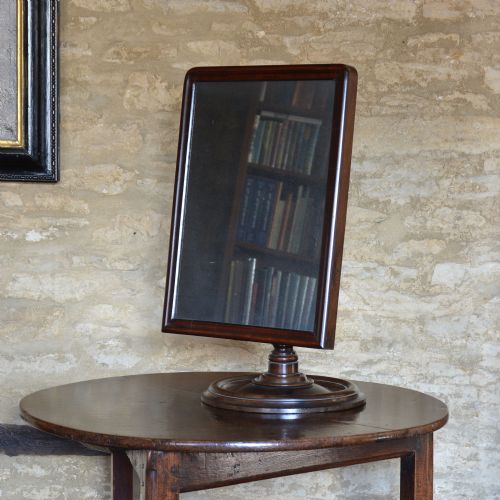
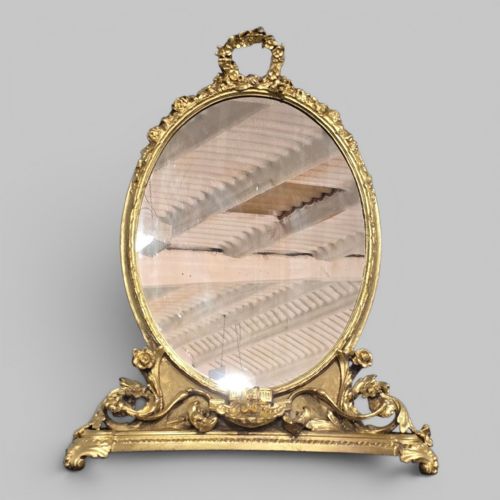
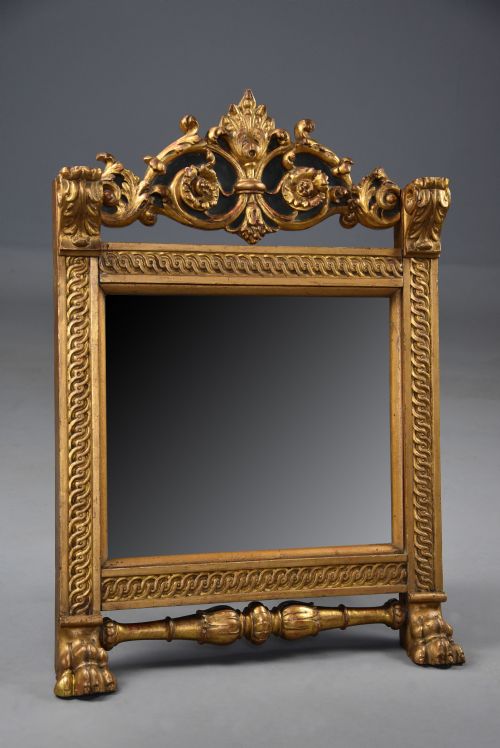
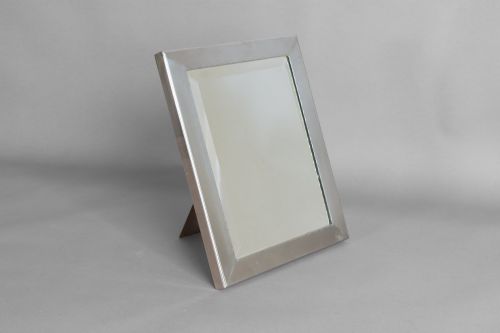
A tabletop standing mirror provides a functional yet decorative focal point for a dressing chest, appearing here in various historical styles and materials.
Tabletop Standing Mirror
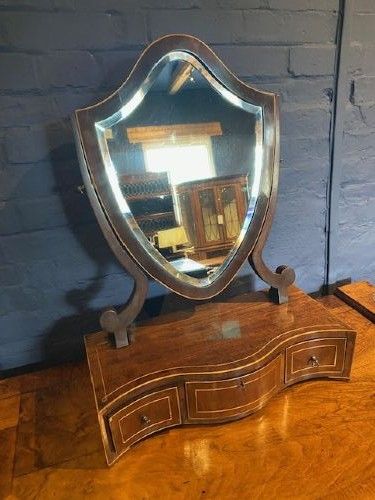
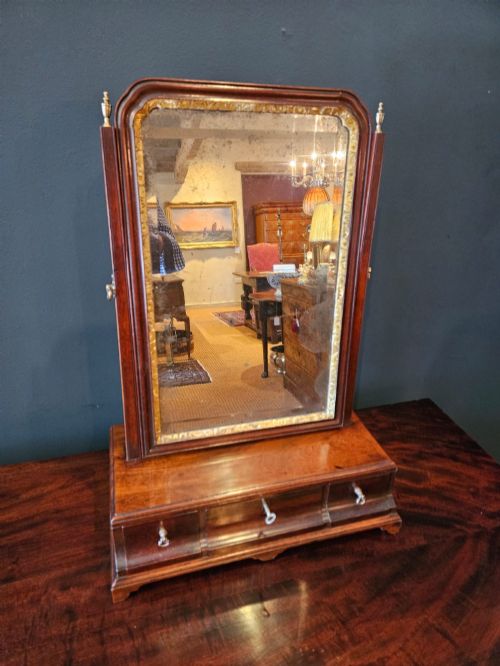
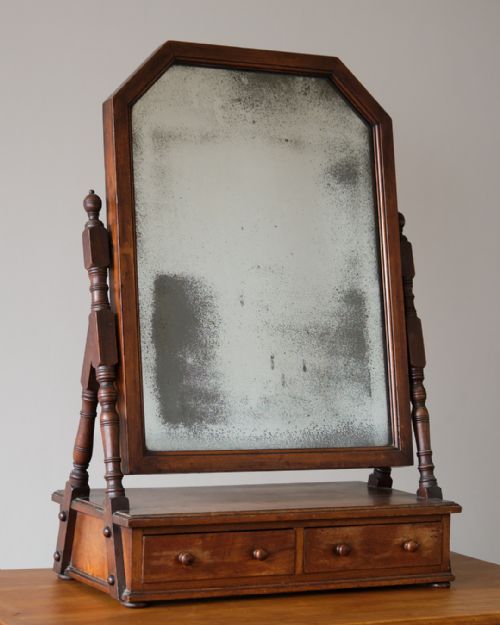
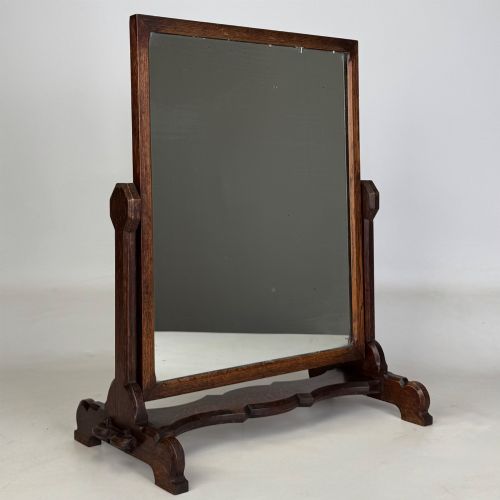
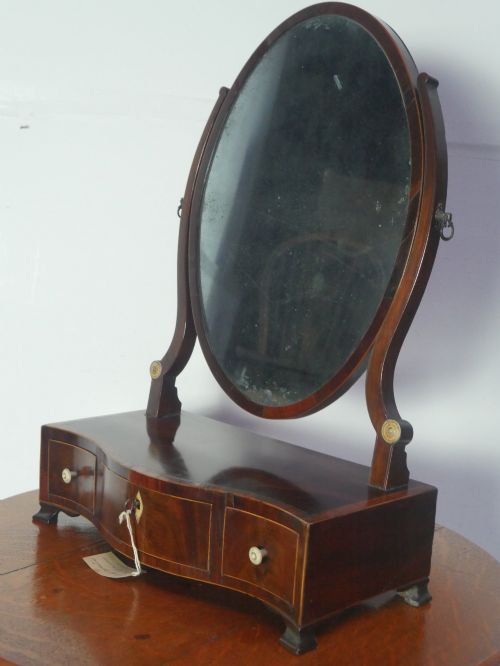
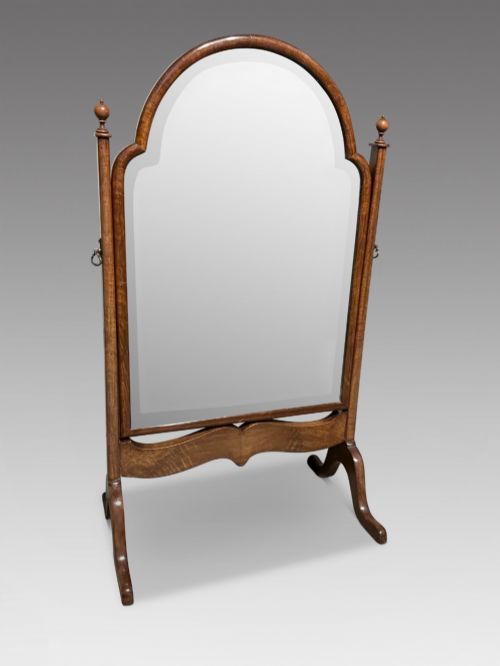
A tabletop standing mirror is designed to sit upon a chest of drawers, dressing table or surface, providing a movable glass panel for personal grooming. These pieces frequently appear under alternative historic names such as toilet mirrors, dressing mirrors or vanity mirrors, spanning several centuries of domestic use. Buyers seeking a tabletop standing mirror will encounter diverse formats, from simple swing frames on supportive uprights to hinged easel designs and adjustable pedestal models.
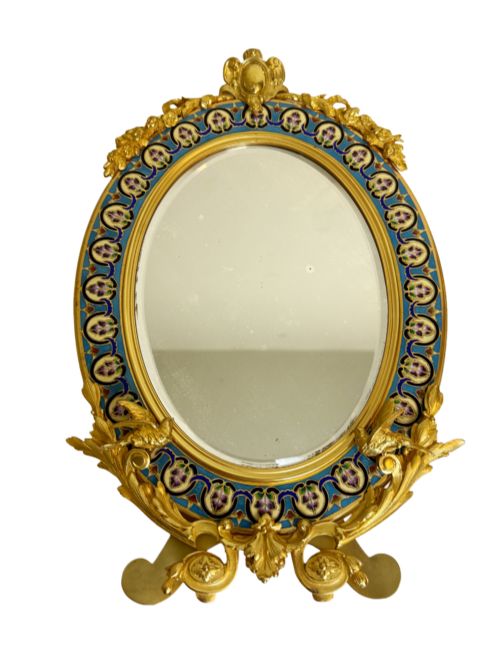
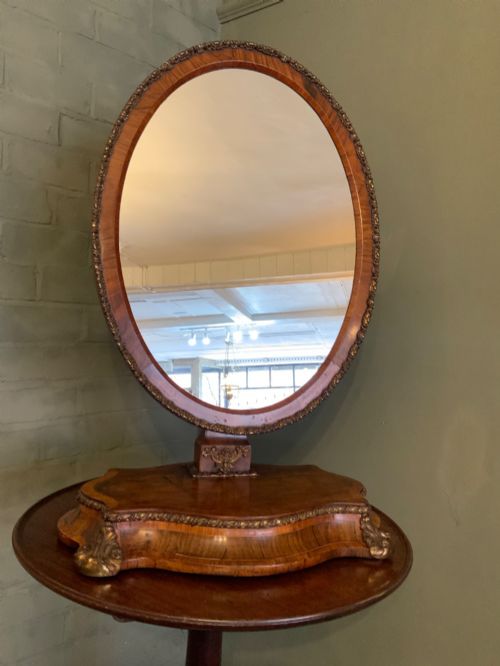
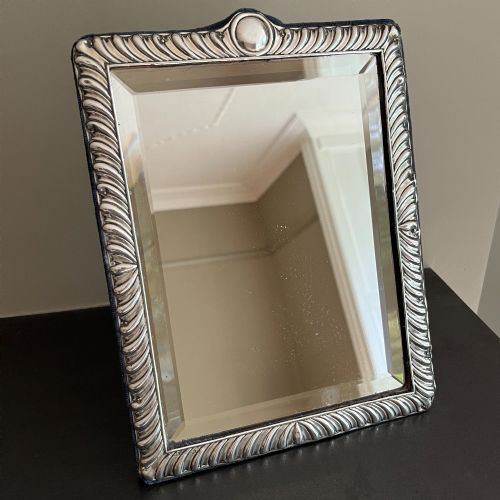
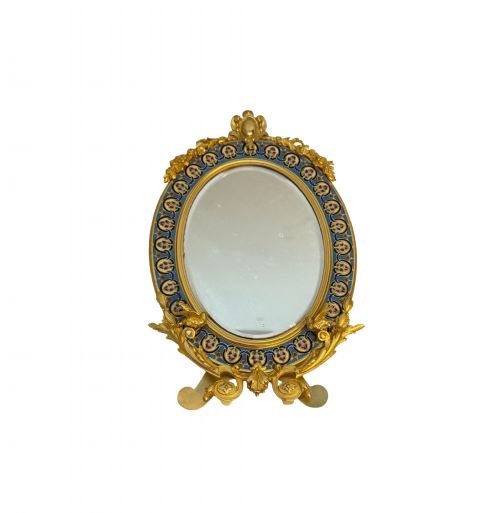
The selection on this page encompasses specimens originating from the 17th century through to the 1930s, incorporating Georgian, Victorian, Edwardian and Art Deco aesthetics. Mahogany and walnut examples represent the earlier wooden traditions, often featuring boxwood stringing or shaped base drawers. Later pieces introduce metals, including brass, gilt bronze, silver plating and sterling silver, alongside specialised decorative treatments like champlevé enamel.
Regional variations and stylistic revivals shape the selection further, with French Rococo, Empire and Renaissance influences appearing alongside British Georgian and Victorian forms. Smaller portable toilet mirrors contrast with larger dressing table mirrors designed to anchor a specific interior scheme. Each item serves the dual purpose of a functional reflective surface and a decorative antique object tailored for tabletop placement.
Materials and construction methods
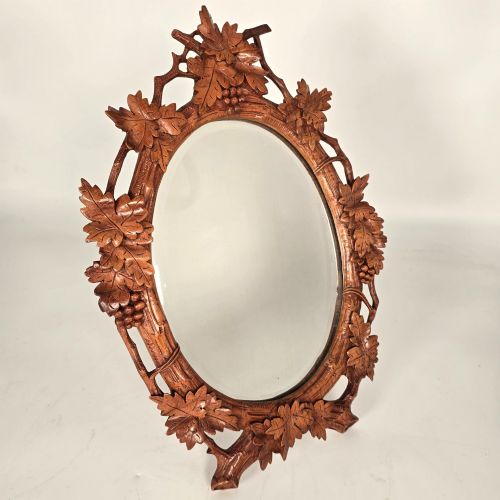
Makers constructed these mirrors using structural hardwoods such as mahogany, walnut, oak and satinwood, frequently employing fine veneers over secondary timbers. Cabinetmakers built swing frames with pivoting side screws to allow the glass angle to adjust, mounting them onto box bases or trestle supports. Carved details on wooden frames involve lime wood or giltwood, utilising hand-chizzled ornamentation to achieve ornate or scrolling profiles.
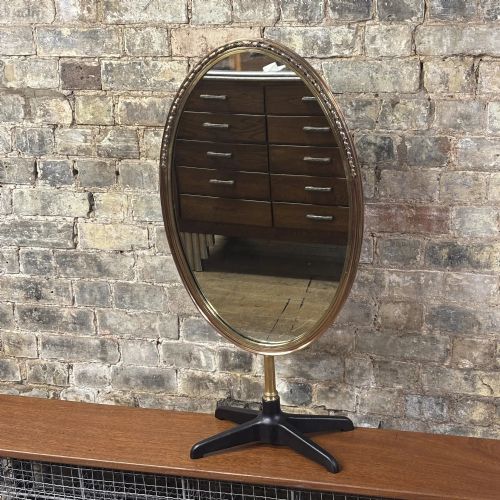
Metal framed examples rely on cast brass, ormolu, gilt bronze and silver, sometimes incorporating bevelled glass plates set securely within robust bezels. Decorative components frequently include champlevé enamel or cast bronze motifs, particularly on late 19th-century French and English vanity mirrors. Backing plates and structural struts utilise sterling silver, silver plating or polished oak to maintain stability and durability.
Swiss carvers turned their attention downward from grand alpine chalet panels to fashion tiny lime wood table mirrors featuring forest animals.
Assessing quality and execution
Quality in these mirrors rests upon the precision of the cabinetwork and the integrity of the materials. Superior wooden examples display tightly figured mahogany or walnut veneers, well-fitted miniature drawers with traditional joints, and balanced proportions between the frame and its stand. Inferior or later reproductions often betray their status through careless timber selection and lacklustre hardware.
Metalwork quality is distinguished by the crispness of the casting in bronze or brass, the depth of the gilding, and the neatness of enamel work. The clarity of the mirror glass itself and the original bevel execution distinguish finer workshop production from standard commercial output.
Heal & Sons·Thomas Rubergall
The Tabletop Standing Mirror Glossary
- Toilet mirror
- A small mirror designed for placement on a dressing table or washstand. These pieces often incorporate small drawer bases for holding trinkets.
- Swing mirror
- A mirror plate hung on pivots between two upright posts, allowing the glass to tilt back and forth. This mechanism is central to most traditional dressing table mirrors.
- Champlevé
- An enamelling technique where recessed cells are dug into a metal surface and filled with vitreous enamel before firing. It appears frequently on 19th-century decorative frames.
- Ormolu
- Finely ground high-carat gold applied to a bronze base object through mercury gilding. This technique produces a rich metallic lustre seen on Empire and Regency pieces.
- Strut mirror
- A standing mirror supported by a hinged prop or leg attached to the rear of the frame. This format is common in Edwardian silver table mirrors.
Tabletop Standing Mirror: Frequently Asked Questions
Where should I place a tabletop standing mirror?
These mirrors suit dressing tables, chest tops or sideboards where they provide a practical reflective surface at eye level. Their compact size allows them to be moved easily between rooms depending on light and need.
Ensure the supporting surface is stable and deep enough to accommodate the base stand or feet without overhang.
How do I adjust a swing mirror?
Most swing mirrors use threaded thumbscrews or wooden peg pivots on the upright supports. Tightening or loosening these side fixtures alters the tension to hold the glass at the desired viewing angle.
Care should be taken not to force vintage brass or wooden pivots, as old threads can strip if over-tightened.
What is the difference between a toilet mirror and a dressing mirror?
Historically, a toilet mirror referred specifically to smaller portable mirrors used for grooming and powdering, often equipped with small storage drawers underneath. Dressing mirrors generally describe larger formats intended for full vanity tables.
In modern descriptions, the terms are frequently used interchangeably to cover any mirror designed to stand on a piece of furniture.
How can I date a wooden table mirror?
Dating relies on timber choices, construction techniques and stylistic details. Georgian and 18th-century pieces often feature figured walnut or mahogany with fine cockbeading around miniature drawers, while Victorian and Edwardian examples show heavier carving or machine-made screw fixings.
Examining the backboards, secondary timbers and fixings helps confirm the period of manufacture.