


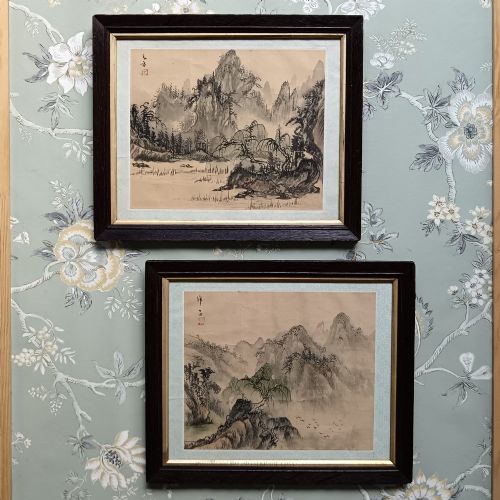

Vintage Framed Watercolour
A vintage framed watercolour brings the texture of paper and the fluidity of pigment directly to a wall, offering a tangible record of past observation.
Vintage Framed Watercolour
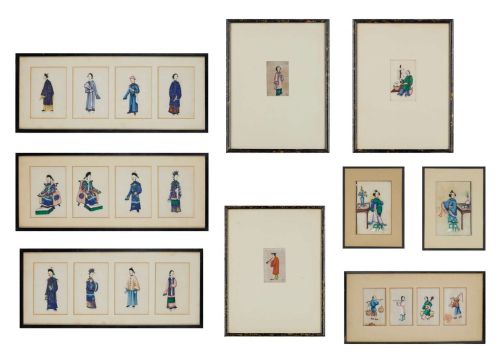
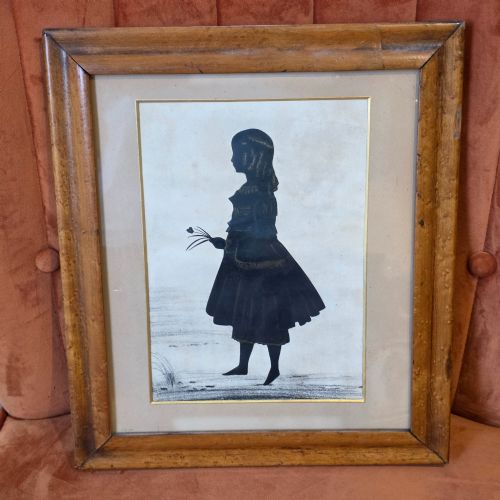
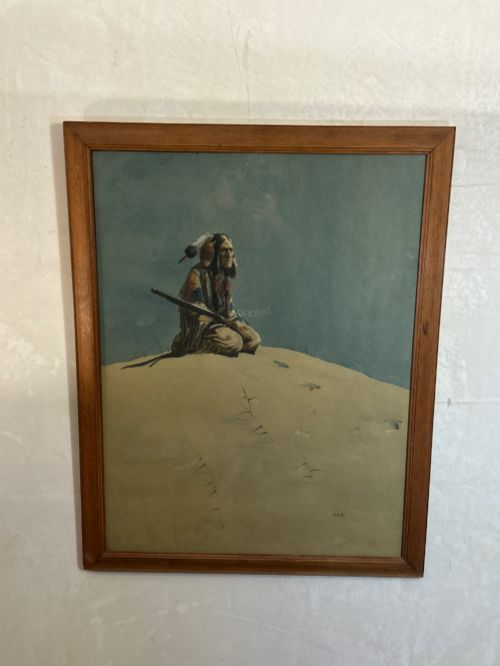
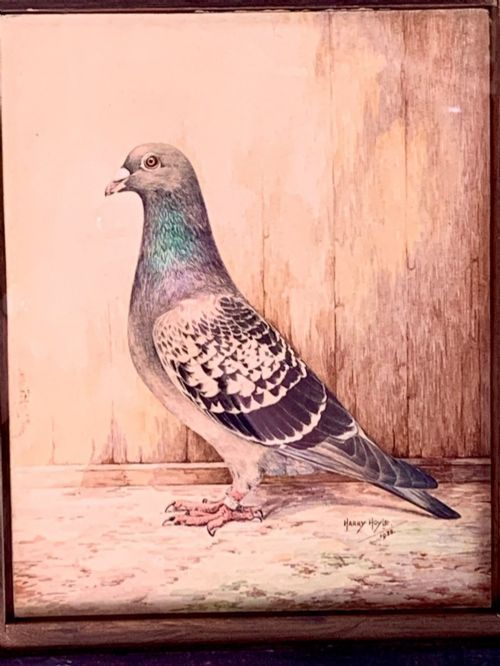
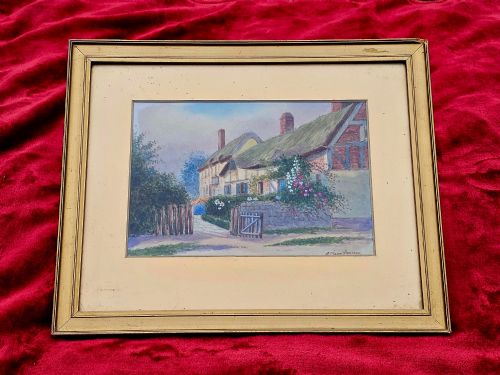
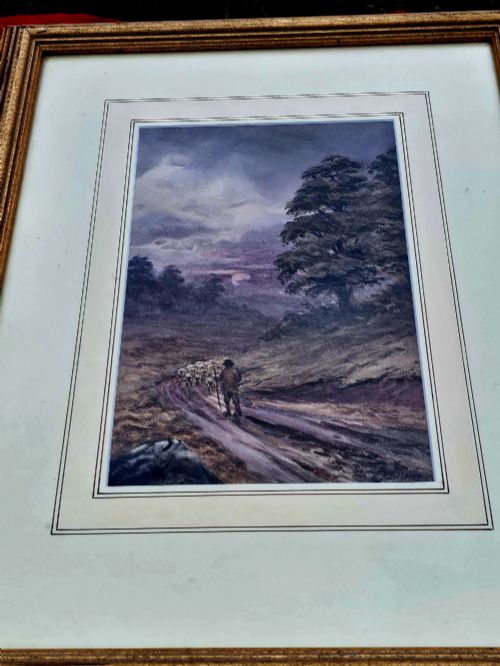
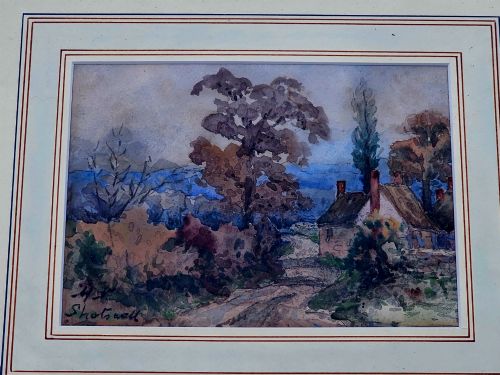
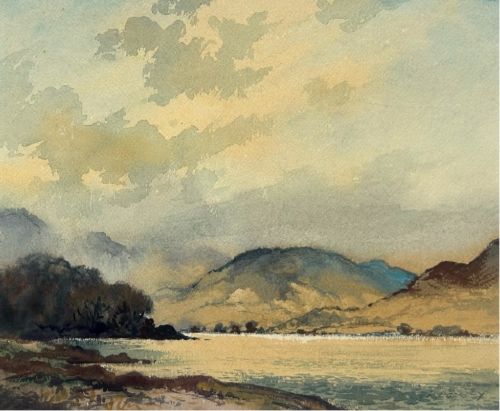
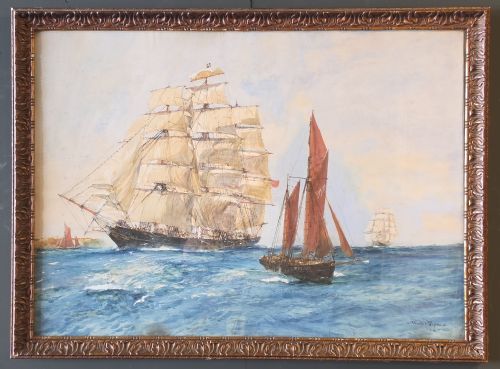
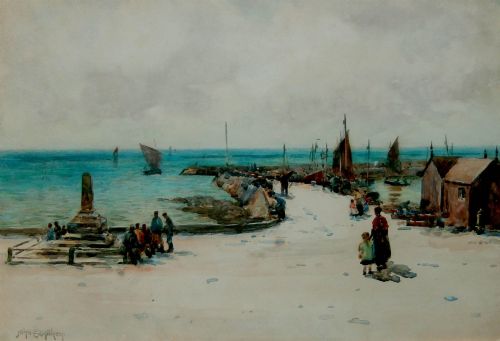
A vintage framed watercolour is an original painting on paper executed with water-soluble pigments, enclosed behind protective glass within a mounting frame. These works record landscapes, maritime scenes, botanical studies, and portraiture spanning from the nineteenth century through the mid-twentieth century. The version most commonly met on this page is the early twentieth-century British landscape or coastal view housed in a period wood frame.
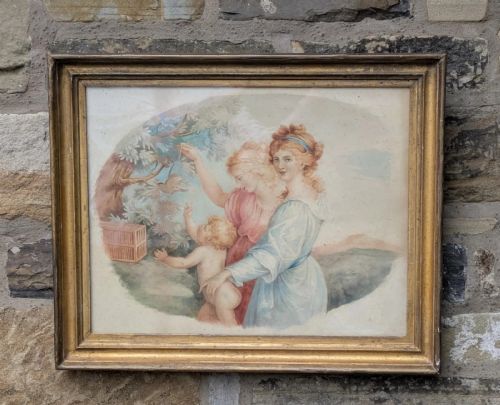
The phrase encompasses diverse stylistic traditions, from traditional Regency botanical studies to British Impressionism and mid-century maritime scenes. Many pieces bear signatures from regional artists or larger historical schools, while others remain anonymous records of domestic skill. They appear in varied formats ranging from intimate botanical vignettes to substantial framed harbour views.
How They Were Made
Artists painted primarily on rag paper using finely ground pigments suspended in a water-soluble binder, sometimes incorporating ink for definition or gouache for opaque highlights. The finished sheets required mounting under glass to protect the delicate paper surface and water-soluble media from atmospheric moisture and dust. These assemblies were secured inside timber mouldings, frequently finished in giltwood, rosewood, or oak.
Frames matched the aesthetic of the period, utilising carved wood, gilding, or simple stained oak profiles that complemented the tones of the painting within. The backing boards and mounts applied during framing often provide physical clues to the age and origin of the artwork.
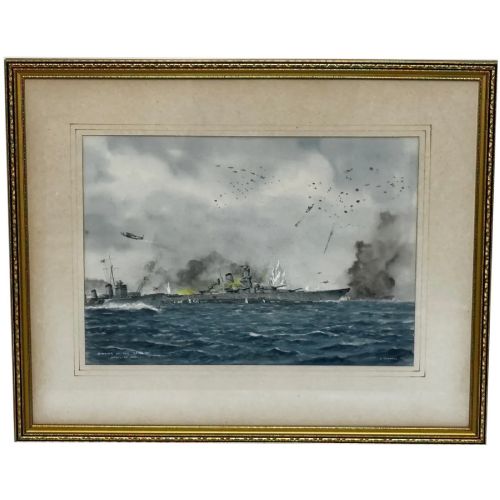
Subjects recorded across the inventory include maritime battles, botanical studies of fuchsias and roses, and pastoral landscapes.
What Varies in Quality
Quality rests upon the sureness of the brushwork and the artist's command of light, tone, and perspective within the medium. Stronger pieces display confident application and careful observation, whereas lesser examples rely on formulaic repetition or stiff composition. The preservation of the paper support and the vibrancy of the pigments also distinguish superior examples.
The framing contributes significantly to the integrity of the piece, with original period frames adding historical context and aesthetic harmony. Altered mounts or replacement glass can diminish the character of an otherwise strong work.
John Hassall·A. Marie Parsons·EJ Letheren·Robert Leslie Howey·Charles Edward Dixon·John E. Aitken·Eric Tufnell·William Banks Fortescue·William Joseph Boyes·Frank Watson Wood·Henry Silkstone Hopwood·Muriel Metcalfe·Fred Lawson·R. Hurst·Frank William Scarbrough·Robert Thorne Waite·John Smith Atherton·Frederick Walker·Thomas Maidment·Frederick James Kerr
The Vintage Framed Watercolour Glossary
- Watercolour
- A painting method where the pigments are suspended in a water-based solution. It relies on the white of the paper showing through transparent washes of colour.
- Giltwood
- Wood that has been coated with a thin layer of gold leaf or gilt paint. It is frequently found on nineteenth-century and Regency frames.
- Regency
- An architectural and decorative arts style dating from the early nineteenth century. Works from this period often display neoclassical restraint and botanical precision.
- Mount
- The cardboard border placed inside the frame around the watercolour. It separates the paper from the glass to prevent moisture damage.
Vintage Framed Watercolour: Frequently Asked Questions
How do I hang a vintage watercolour safely?
Hang the piece away from direct sunlight and damp environments to protect the fragile paper and water-soluble pigments from fading or foxing.
Utilise sturdy picture hooks appropriate for the weight of the timber frame and glass assembly.
Can I change the frame on an antique watercolour?
Retaining the original frame is generally preferred because it preserves the historical integrity and aesthetic context of the artwork.
If a frame is structurally unsound, a professional framer can replace it using conservation-grade materials that respect the age of the painting.
What is foxing on paper?
Foxing refers to the small brownish spots that commonly appear on older paper due to chemical reactions involving iron impurities or mould.
These marks are typical in nineteenth-century works and form part of the natural ageing process of antique paper.
How do I identify the date of a watercolour?
Examine the style of the brushwork, the subject matter, and any visible signatures or inscriptions left by the artist.
The framing materials, backing papers, and handwritten notes on the reverse often offer further clues to the decade of creation.