
Vintage Folding Side Table
A vintage folding side table offers portable surface space and clever engineering, spanning compact butler's trays to gateleg forms across multiple centuries.
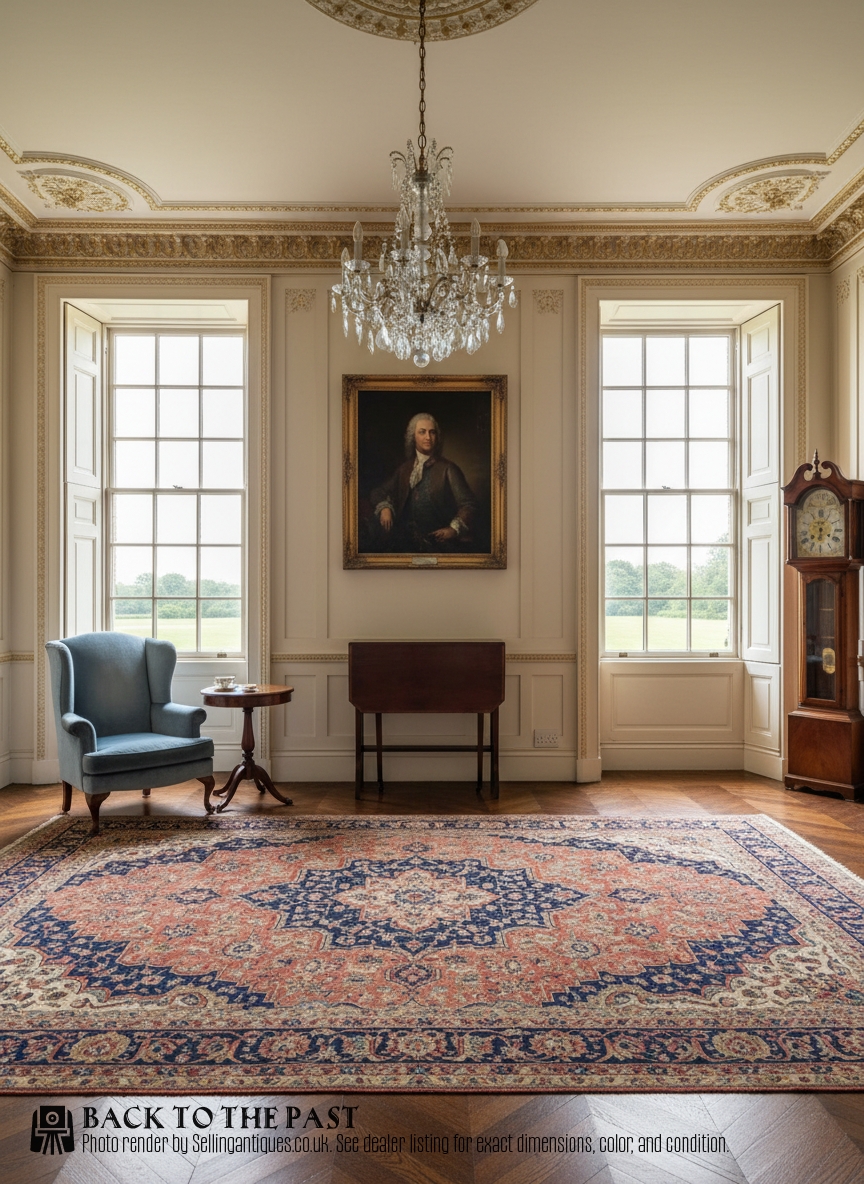
Vintage Folding Side Table
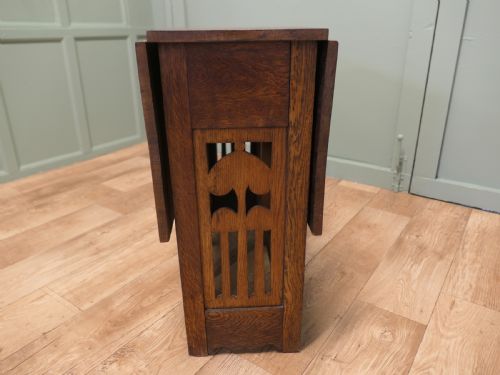
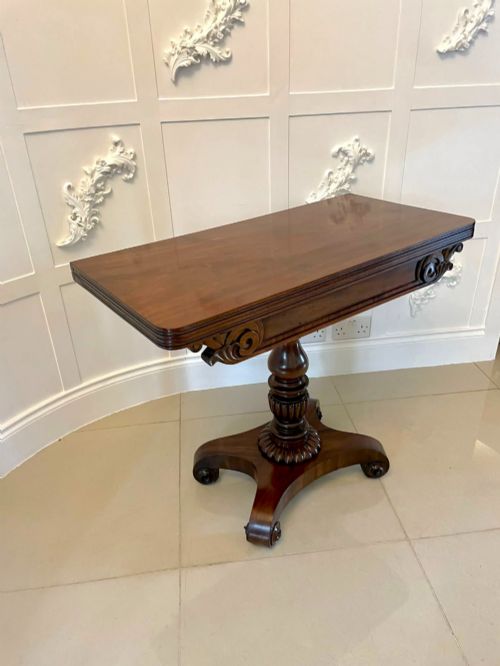
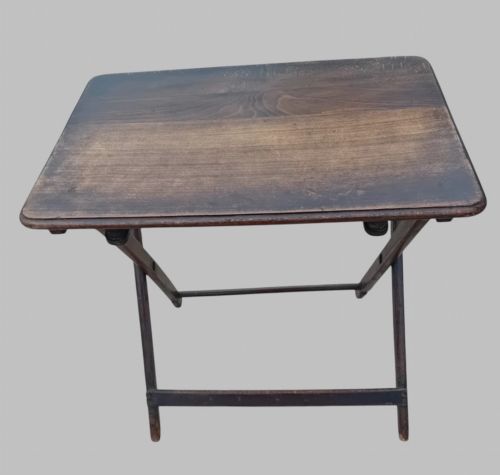
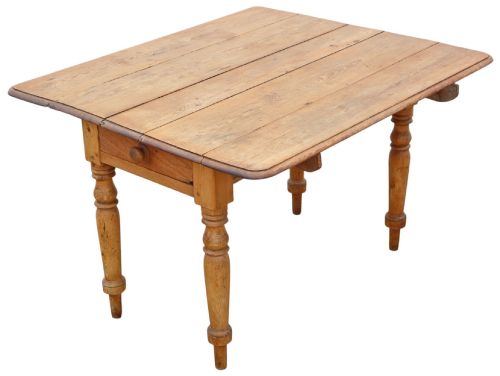
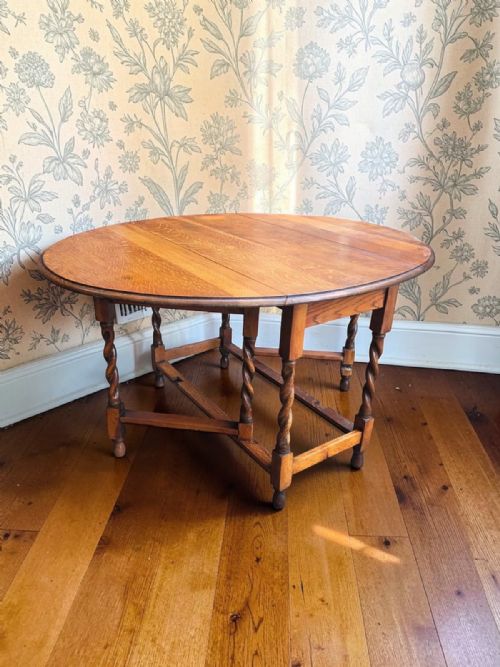
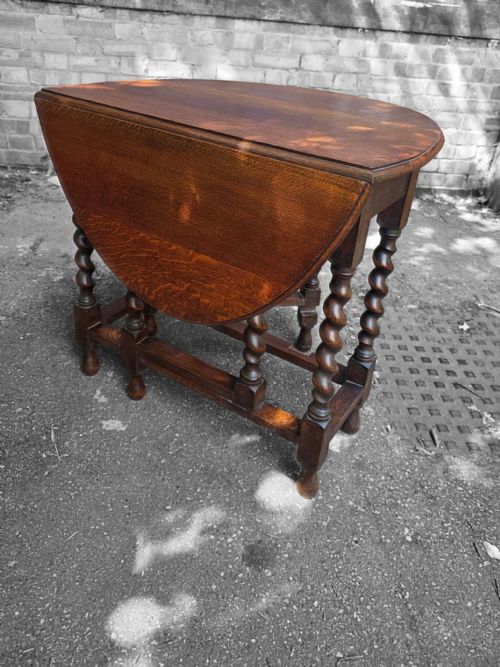
A vintage folding side table encompasses portable furniture designed for flexible placement and easy storage. The selection spans 18th-century gateleg drop-leaf tables to early 20th-century campaign stands and butler's trays.
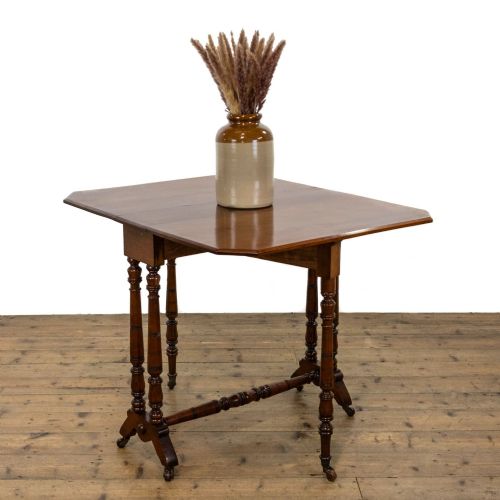
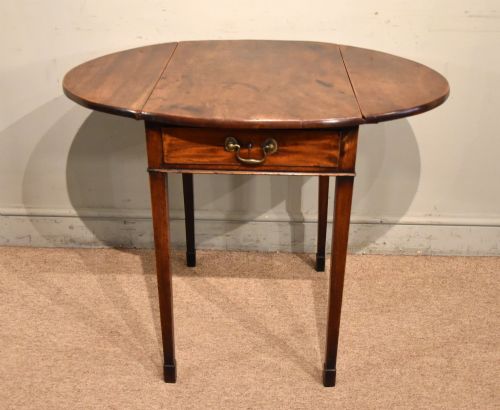
Buyers regularly encounter Edwardian and Victorian examples alongside earlier oak pieces from the 1700s. Common configurations include Sutherland tables, Pembroke tables, and tray tables designed to collapse or fold flat.
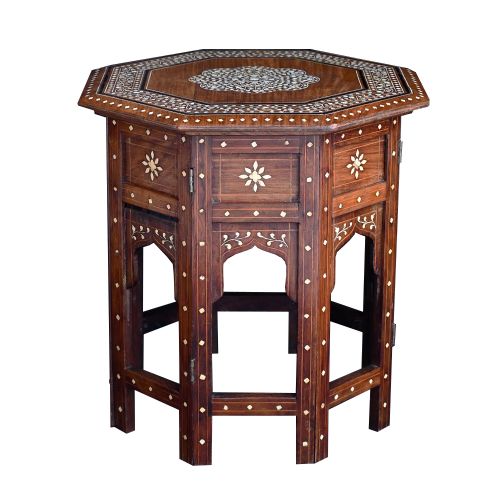
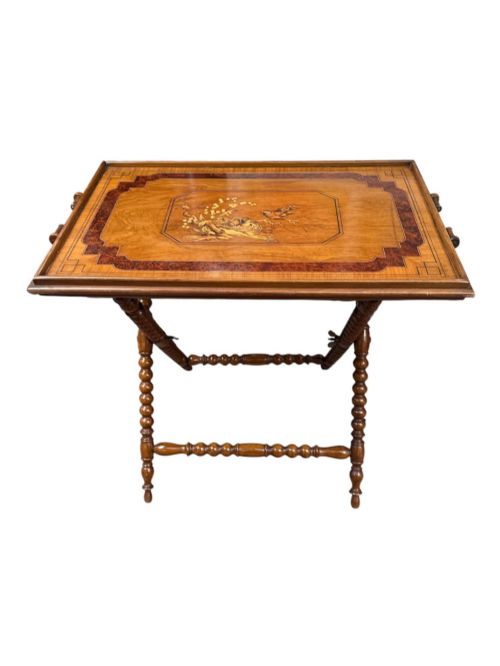
Origins vary from English workshops utilising native timbers to Anglo-Indian, Sorrento, and Damascus pieces featuring intricate marquetry, bone, and mother-of-pearl inlay.
Materials and Technique
Cabinetmakers constructed these tables primarily in solid hardwoods such as mahogany, oak, and walnut, alongside softer timbers like pine for kitchen and garden variants. Finer decorative surfaces employ satinwood crossbanding, rosewood veneers, and padauk.
Hinged mechanisms, drop-leaves, and folding X-frames require precise joinery to ensure stability when open and smooth operation when collapsed. Specialised techniques include Sorrento marquetry, bone inlay, and hand-turned barley twist legs.
Surface decoration ranges from natural polished wood grains to painted finishes, green painted Italian drop-leaf surfaces, and mother-of-pearl embellishments set into teak or octagonal frames.
An Anglo-Indian padauk table hides a fierce dragon carving beneath its folding top, proving that campaign furniture possessed a dramatic wild side.
Craftsmanship and Material Selection
Quality rests upon the choice of timber and the precision of the folding mechanism. Superior examples feature heavily figured mahogany, dense old-growth oak, or intricate marquetry that remains flush with the surrounding wood.
Hardware integrity separates standard items from finer works, particularly in the construction of hinges, folding stands, and drop-leaf supports that must bear weight securely without wobbling.
Intricate decorative elements such as bone inlay, brass mounts, and hand-turned barley twist supports indicate higher workshop input, whereas simpler utility pieces prioritise basic structural endurance over ornamentation.
The Vintage Folding Side Table Glossary
- Gateleg table
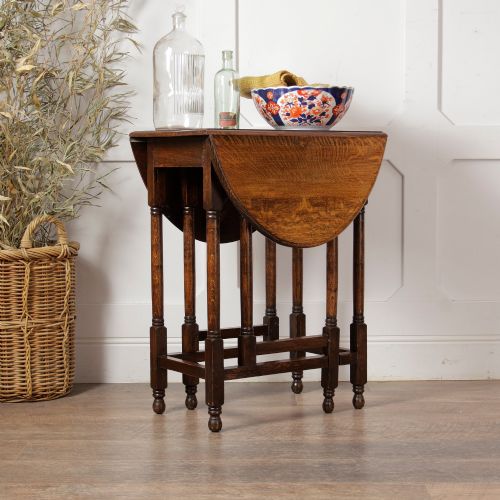
- A drop-leaf table featuring hinged legs that swing outward to support the raised leaves. This form dates back to the 17th century and provides an expandable surface that folds flat for storage.
- Sutherland table
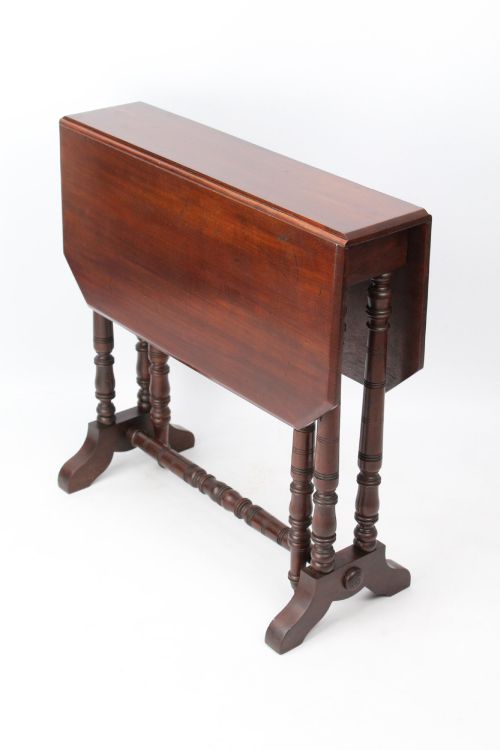
- A narrow drop-leaf table with exceptionally slender leaves and a folding underframe. Victorian makers favoured this design for tight spaces.
- Butler's tray
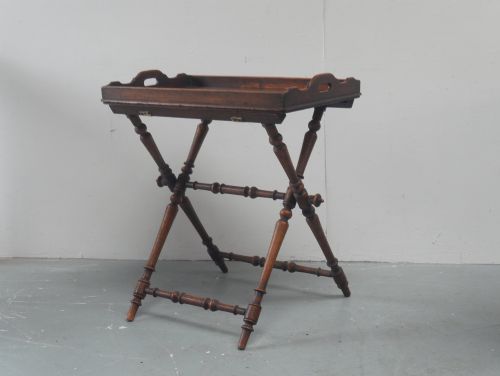
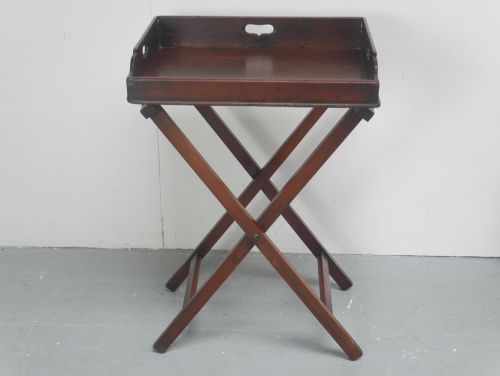
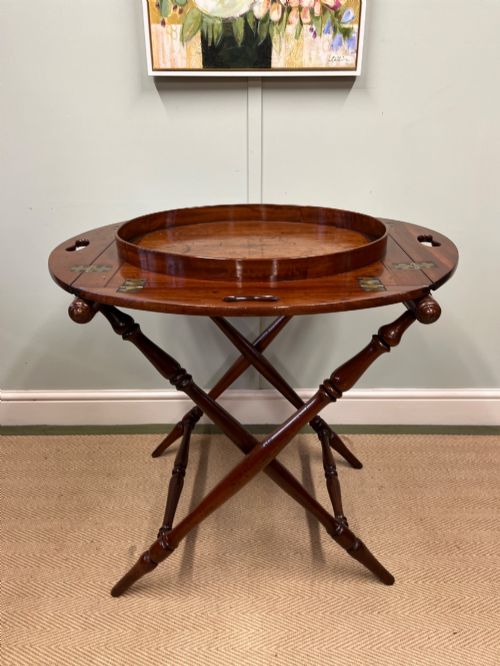
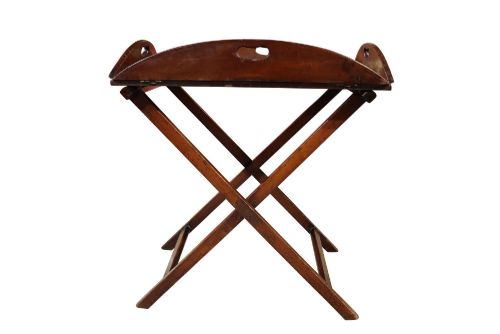
- A removable wooden tray with raised sides, often fitted with cut-out handles, designed to rest upon a separate folding X-frame stand. These pieces originated for portable dining and serving.
- Marquetry
- The art of applying pieces of veneer to a structure to form decorative patterns and pictures. Sorrento ware frequently utilises this technique.
- Pembroke table
- A small rectangular table with two hinged drop leaves on the opposite sides. Many include a single drawer and slender legs.
- Campaign style
- Portable furniture designed for military officers on the move. Pieces incorporate folding frames, brass corners, and recessed handles for easy packing.
Vintage Folding Side Table: Frequently Asked Questions
How do I use a folding side table?
These tables provide adaptable surface space in compact rooms by folding down when not in use. They serve easily beside seating or as occasional serving spaces.
Butler's trays lift straight off their folding stands, allowing the tray alone to carry items across a room before resting back upon its base.
Can I date a table by its timber?
Timbers offer broad chronological clues rather than exact dates. Heavy dark oak and walnut frequently point toward 17th or 18th-century origins, while figured mahogany and satinwood span the Georgian and Victorian eras.
Edwardian and later 20th-century pieces often utilise lighter oak, beech, or exotic imported woods like padauk and teak.
How do I care for inlaid wooden tables?
Inlaid surfaces featuring bone, mother-of-pearl, or marquetry require gentle treatment to protect delicate joints and flush veneers. Keep them away from direct heat sources and excessive moisture.
Apply traditional beeswax sparingly with a soft cloth to nourish the timber without loosening small decorative elements.