
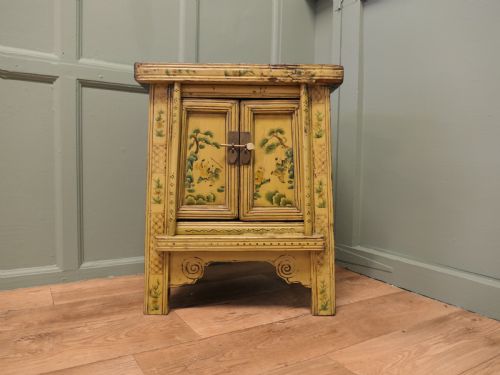
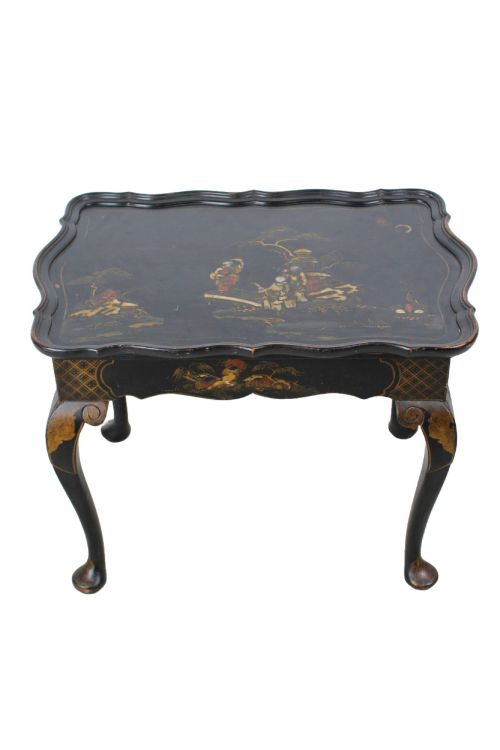
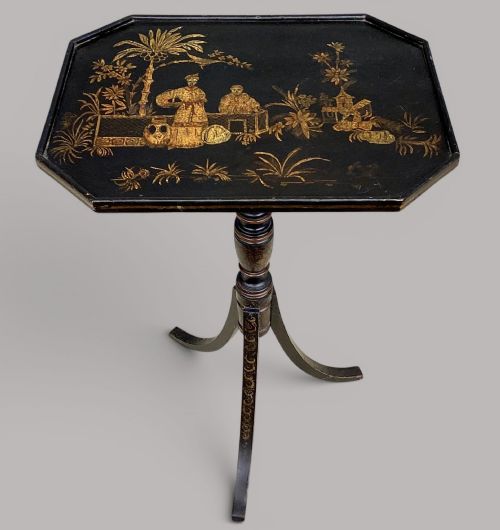
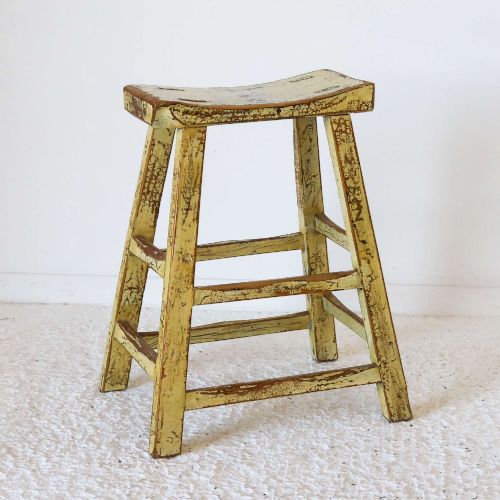





Lacquered Wooden Side Table
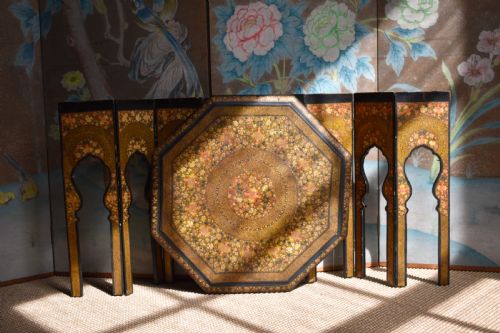
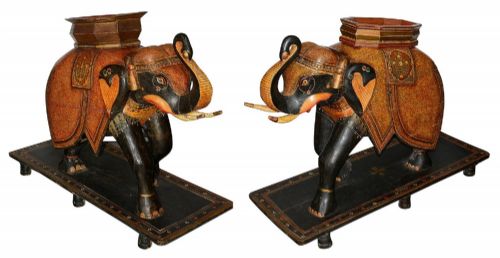
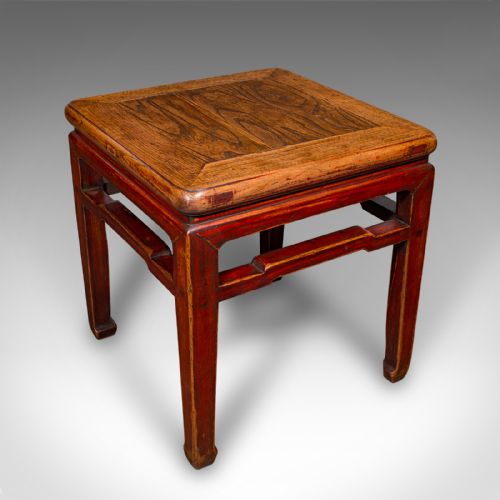
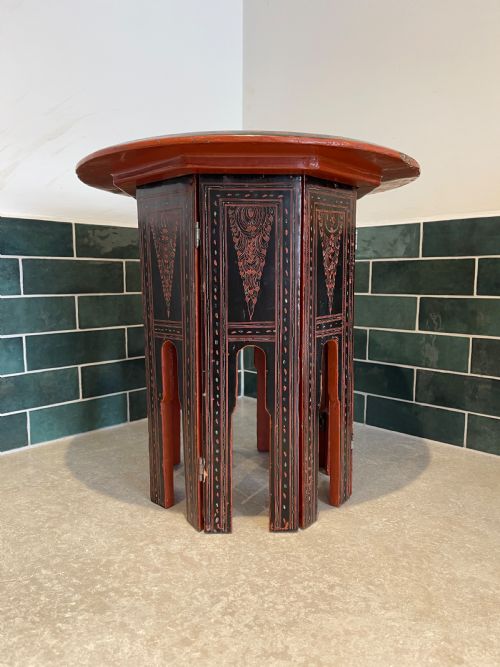
These lacquered wooden side table pieces bring distinct hand-applied finishes and carved wooden forms from multiple periods into a room.
Lacquered Wooden Side Table
A lacquered wooden side table combines traditional surface coatings with timber frames, appearing across styles from Chinoiserie and Regency to Anglo-Indian and Qing Dynasty designs. Buyers seeking a lacquered wooden side table will encounter various forms spanning the 18th century, Victorian era, Edwardian period, and early 20th century.
The selection ranges from early 20th century black lacquered items and Edwardian tray top coffee tables to 18th century red lacquer low occasional pieces and Chinese export red lacquer altar tables. Elm, painted wood, and carved timber frequently form the base structures beneath the lacquer layers.
Beyond standard tables, related forms include occasional tables, coffee tables, plant stands, cabinets, desks, and stools that utilise similar lacquered and painted techniques. These items originate from diverse traditions, including Chinese, Japanese, Burmese, and Indian workshops.
Materials and Construction
Construction relies primarily on timber frames, with elm and general wood utilised to build the underlying tables, cabinets, and stands. Artisans applied lacquer, paint, and gold leaf directly to the wooden surfaces to create decorated finishes.
Many examples feature intricate surface ornamentation, ranging from Chinoiserie and Kashmiri painted details to carved wooden elements. The application of lacquer protects the timber while providing a glossy or matte decorative skin.
Listings feature periods spanning from the 18th century through to 1930, utilising elm, brass, paint, and gold leaf alongside standard wood and lacquer.
Factors of Quality
Quality in these pieces depends on the execution of the surface decoration, the preservation of the original finish, and the skill of the underlying woodwork. Finer examples display precise painted motifs, intact gold leaf, and well-balanced proportions across tables and stands.
The integrity of the lacquer layer itself separates standard production from superior craftsmanship, as does the authenticity of period details such as Sheraton influences or Kangxi period designs. Wear consistent with age should reveal stable timber and securely adhered surface coatings.
The Lacquered Wooden Side Table Glossary
- Lacquer
- A protective and decorative coating derived from natural resins or varnish applied to wooden surfaces to create a smooth, durable finish.
- Chinoiserie
- A European decorative style incorporating Chinese artistic motifs and techniques, frequently seen on 18th-century and Edwardian furniture.
- Elm
- A dense, durable hardwood utilised extensively in Chinese provincial furniture construction and traditional table frames.
- Altar table
- A traditional long, narrow table form originating in China, often featuring red lacquer and raised ends.
- Occasional table
- A small, movable table designed for specific, intermittent uses within a room layout.
Lacquered Wooden Side Table: Frequently Asked Questions
What is a lacquered wooden side table?
A lacquered wooden side table is a small surface piece finished with protective resin or paint coatings over a timber frame. These items draw from diverse design traditions including Chinoiserie, Regency, and Chinese provincial styles.
Such tables function as practical furniture while displaying decorative surface work like gold leaf, painted scenes, or carved elements.
How do I care for lacquer furniture?
Lacquer surfaces require gentle dusting with a soft, dry cloth and protection from direct sunlight and extreme humidity changes. Avoid harsh chemical cleaners that can degrade the vintage finish.
Maintaining stable indoor environments preserves both the underlying wood and the delicate surface decoration over time.
Are these tables antique?
The pieces span multiple historical periods, including the 18th century, Victorian era, Edwardian period, and early 20th century. Dates range from Georgian and Regency eras up to the 1930s.
Each listing specifies its particular era or approximate decade of origin based on construction styles and materials.
Where do these tables originate?
The listings include pieces from Chinese, Japanese, Indian, and British workshops, reflecting global trade and stylistic exchange. Styles encompass Anglo-Indian, Burmese, and Qing Dynasty influences.
Regional techniques determine the specific timber used, such as elm, alongside the style of surface painting or carving applied.