
Vintage Fireplace Logs
When you search for vintage fireplace logs, you find heavy metal containers and iron fire dogs meant to hold wood fuel beside the hearth.
Vintage Fireplace Logs
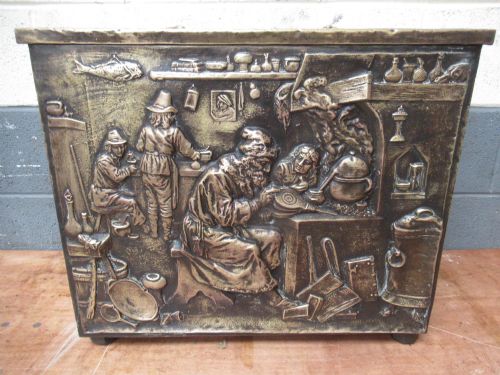
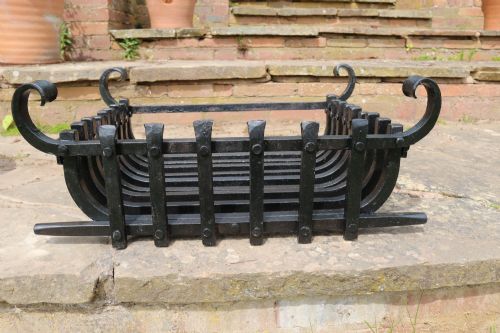
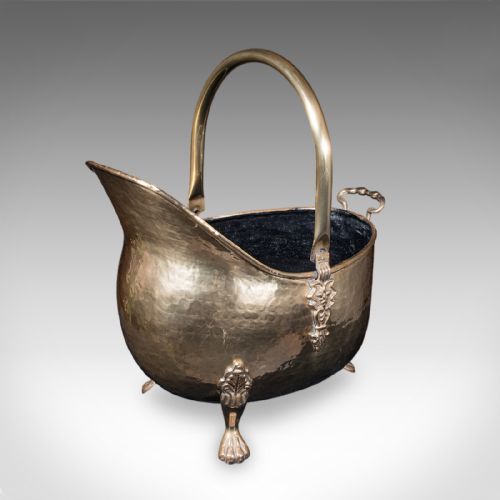
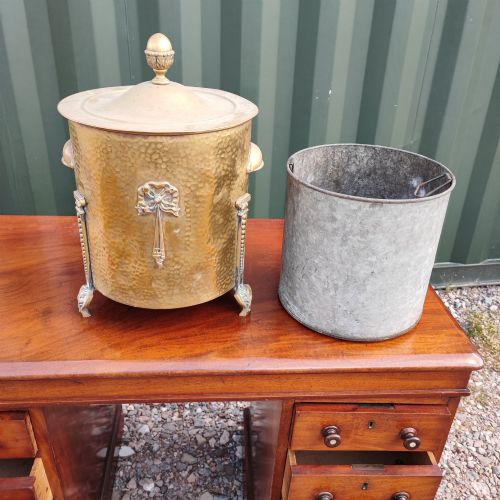
Collectors searching for vintage fireplace logs encounter an array of heavy metal vessels, coal boxes, log bins, and pairs of andirons designed for hearth use.
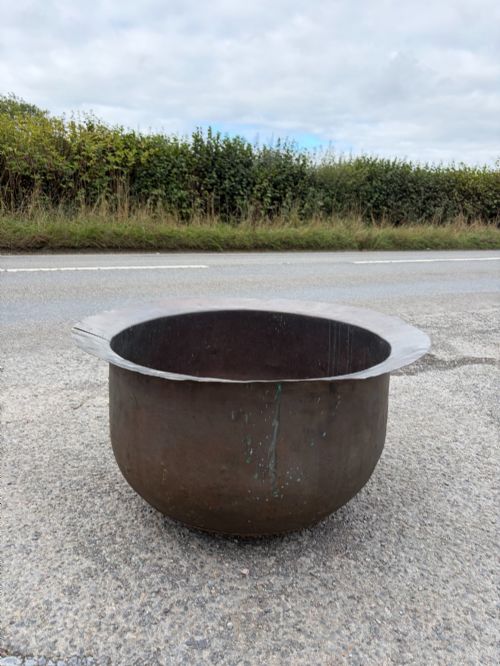
The objects span periods from the nineteenth century through the Edwardian era, taking forms such as copper boilers, brass planters, and wrought iron fire dogs.
Most pieces serve to hold fuel or support burning timber, originating from English and French workshops working in brass, copper, and cast iron.
Materials and construction methods
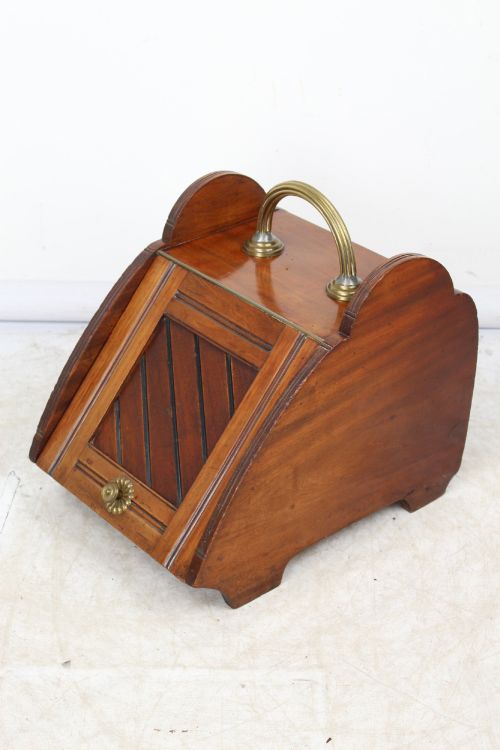
Makers shaped these items from metals like brass, copper, wrought iron, and cast iron, often combining them with wooden bodies in oak or mahogany.
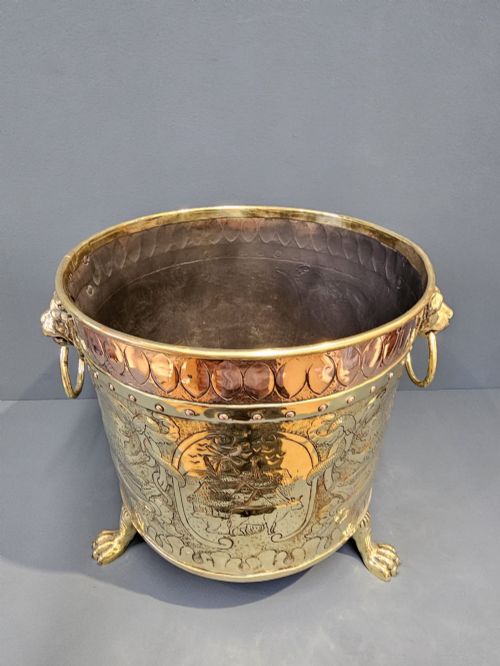
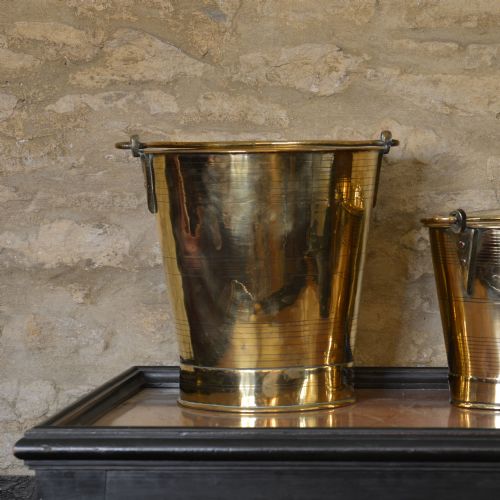
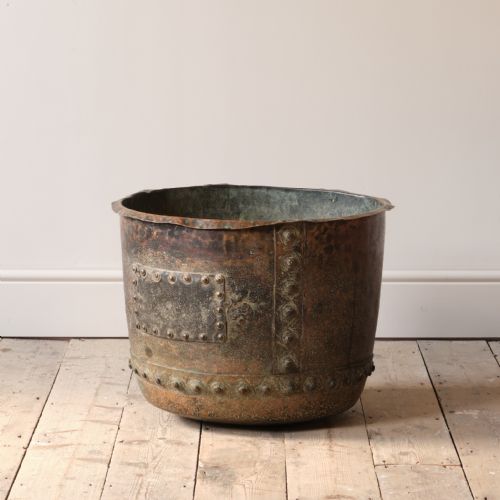
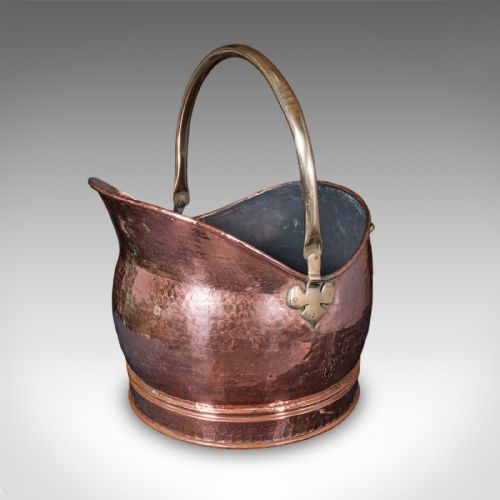
Vessels show hand finishing through riveted seams on copper bodies, hammered surfaces, and applied brass bands or swing handles.
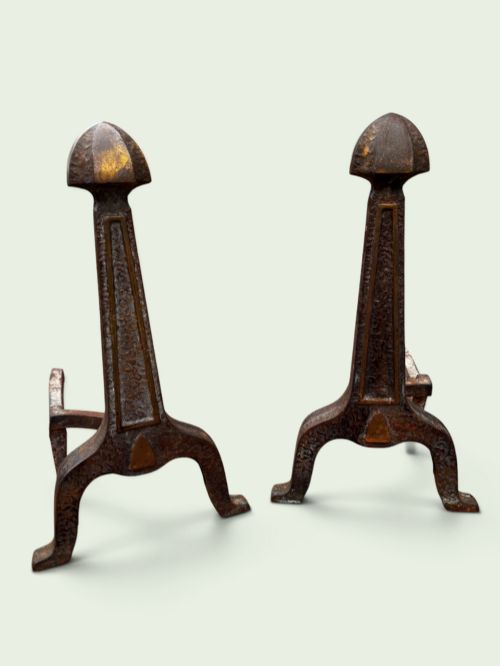
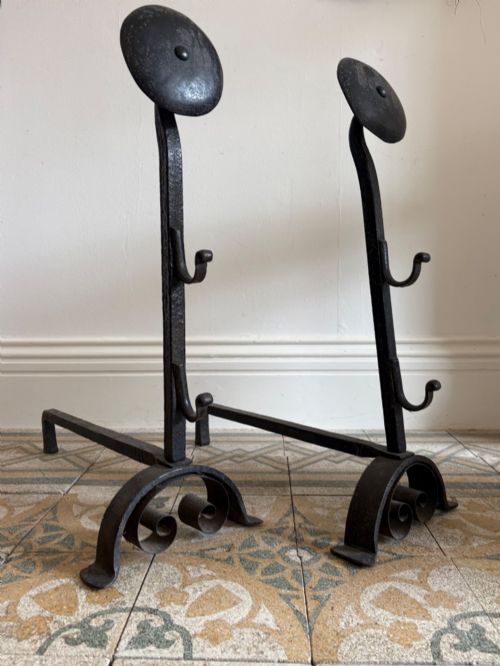
Ironwork relies on forged or cast construction to build sturdy andirons and fire dogs capable of withstanding hearth heat.
One heavy iron bin rolled out of a masson mill on wheels, ready to haul coal across the factory floor.
Distinctions in craftsmanship and materials
Quality rests on the thickness of the metal plate, the weight of the casting, and the integrity of the riveted joints rather than surface shine alone.
Better examples display careful hand finishing in the brass mounts, clean forging in the ironwork, and well-chosen timber for wooden boxes.
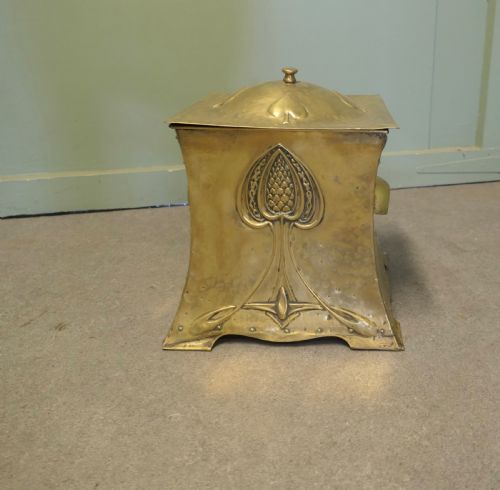
The presence of maker details or distinct stylistic touches like Arts and Crafts decoration separates standard utility items from finer workshop pieces.
Deville And Cie·Richard Arkwright Masson Mills
The Vintage Fireplace Logs Glossary
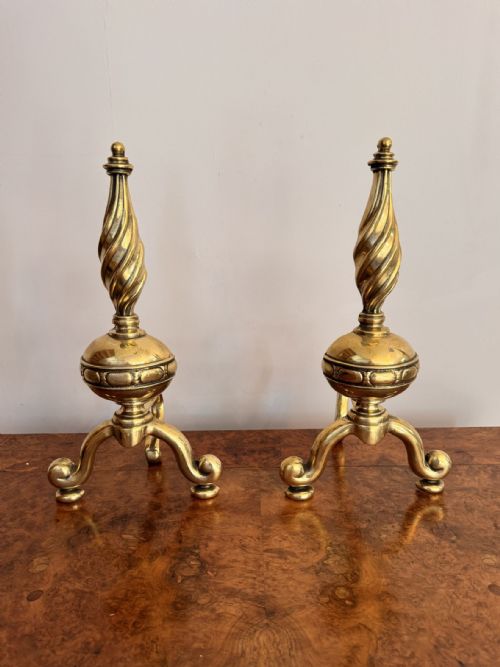
- Andiron
- A metal support used in pairs to hold logs above the hearth floor for better air circulation. These iron or brass pieces often feature decorative fronts.
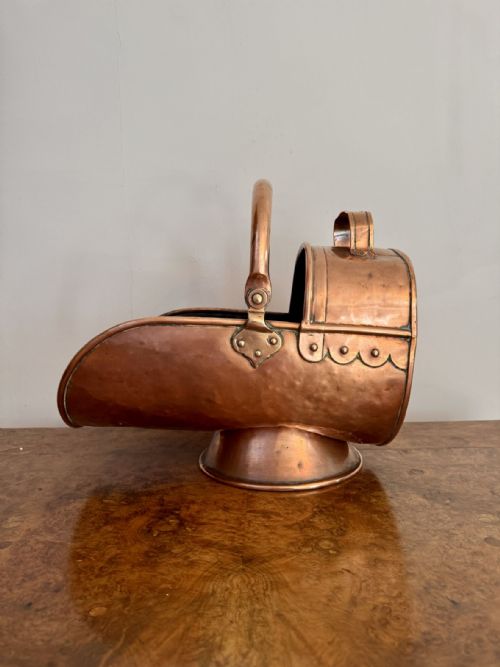
- Coal Scuttle
- A bucket or box designed to hold fuel for the fire, frequently fitted with a swing handle and shovel. Examples appear in brass and copper.
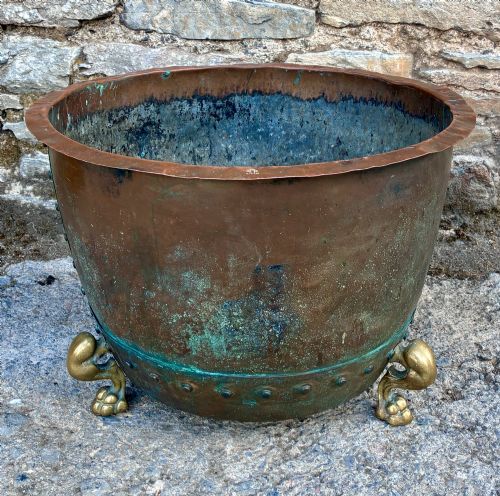
- Jardiniere
- An ornamental pot or container for plants, sometimes utilised interchangeably as a heavy metal log bin by firesides. They often feature hammered copper surfaces.
- Fire Dog
- An alternative term for an andiron, supporting wood within an open fireplace. They appear in wrought iron, cast iron, and brass variants.
Vintage Fireplace Logs: Frequently Asked Questions
What is the difference between an andiron and a fire dog?
The terms describe the same heavy metal supports placed in pairs inside a hearth to hold logs.
Craftsmen used both names interchangeably across different periods and workshops to designate firedogs.
How were copper coal scuttles constructed?
Makers hammered sheet copper into shape and joined the seams with visible rivets for structural strength.
They added brass bands, swing handles, and iron fittings to complete the fireside vessel.
Can oak log boxes be dated by their hardware?
Metal bindings, handles, and rivets help connect wooden boxes to specific periods like the Victorian or Edwardian eras.
Original brass bands and fixings provide the clearest guide to the manufacturing date of timber pieces.
Where were nineteenth century brass planters made?
English and Anglo-Indian workshops produced heavy brass planters and campaign buckets for domestic use.
Foundries also cast decorative brass and iron elements in France during the same period.