


French Style Fireplace Dogs
French style fireplace dogs bring hearths the weight and warmth of nineteenth-century metalwork.
French Style Fireplace Dogs
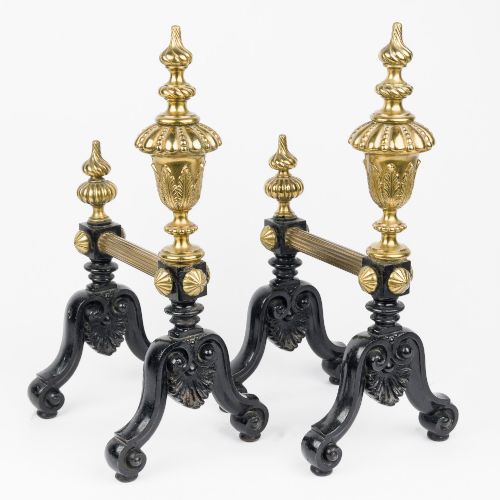
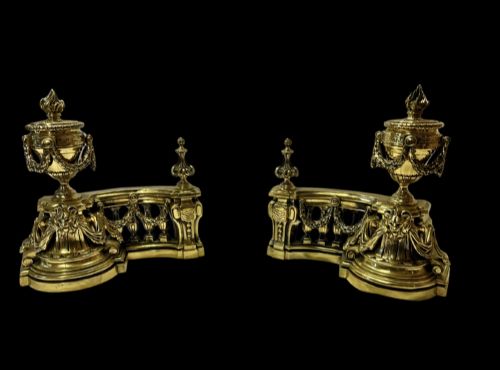
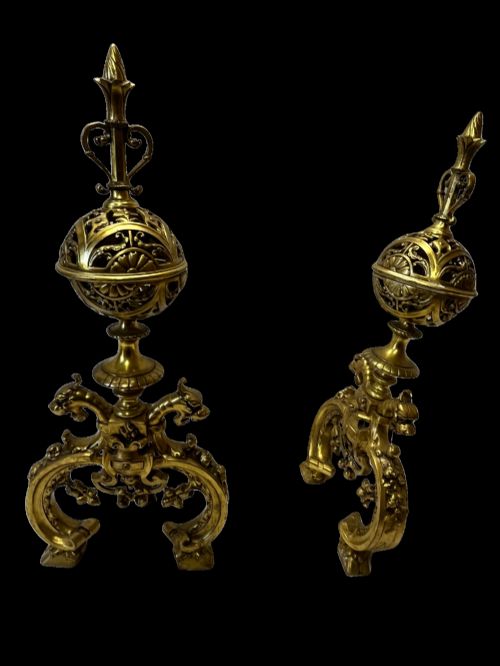
French style fireplace dogs are decorative hearth supports used to hold logs above the base of a fireplace, designed to lift wood for better airflow. When you search for french style fireplace dogs, you encounter pairs of heavy metal uprights dating from the nineteenth century. These accessories served both practical and decorative purposes in period rooms, often featuring prominent front ornaments that faced into the room.
The versions most common on this page date from the 1860s to 1880s and belong to revival movements such as Louis XIV, Louis XV, and Rococo. They arrive as matched pairs of chenets or fire dogs, fashioned in proportions suited to large open hearths. Their forms range from simple cast brass uprights to elaborate figural compositions designed to catch the firelight.
How they were made
Makers formed these pieces primarily through casting in bronze, brass, or iron, utilising techniques that allowed for high sculptural detail. Molten metal was poured into moulds to create the heavy body of the andiron, followed by hand-chiselling to sharpen the surface motifs. Iron components provided the structural strength needed to bear the weight of burning logs within the hearth.
Surface finishing involved mercury gilding or applying ormolu to bronze elements, alongside patinated bronze treatments to create contrast. Gilt brass and gilt bronze finishes required careful application to withstand the heat and soot of active fireplaces. Craftsmen combined these polished and patinated sections to highlight the scrolling foliage and figural elements typical of French revival styles.
Materials recorded on this page include gilt bronze, ormolu, brass, iron, and patinated bronze.
What varies in quality
Integration of design also marks the divide between ordinary and superior pairs. Better items feature balanced proportions and secure joints between the decorative front and the iron billet bar behind. The richness of the combined patinated bronze and gilt surfaces determines the visual impact when placed by a hearth.
The French Style Fireplace Dogs Glossary
- Chenet
- An alternative term for a fire dog or andiron, specifically the ornamental front piece placed in a fireplace. These decorated uprights hid the utilitarian iron bars supporting the wood.
- Ormolu
- Gilded bronze produced by applying a mercury and gold amalgam to a bronze base and heating it. This technique gives the metal a distinctive warm lustre found on many nineteenth-century pieces.
- Andiron
- A metal support used in pairs to hold logs in a fireplace. They typically consist of an upright decorative front and a horizontal bar extending backward into the hearth.
- Patinated bronze
- Bronze that has been chemically treated or allowed to age to produce a specific surface colour. This dark finish often contrasts with gilt highlights on revival hearth accessories.
- Billet bar
- The horizontal iron bar attached behind the decorative front of a fire dog. It supports the logs and bears the direct heat of the fire.
French Style Fireplace Dogs: Frequently Asked Questions
What are french style fireplace dogs used for?
These metal supports hold logs off the floor of a fireplace to allow air to circulate underneath the wood. They ensure a steadier burn and protect the hearth masonry from direct heat.
Beyond their practical function, they serve as prominent decorative objects in the room. The ornamental fronts catch the light of the fire and anchor the interior design of the chimney breast.
How do I identify the period?
Dating relies on the manufacturing techniques, the style of the cast ornament, and the specific metal alloys used. Nineteenth-century pieces often reflect revivals of earlier reigns, such as Louis XIV or Louis XV.
Examining the back bars and the wear patterns on the metal helps confirm the age. Heavier cast bronzes and distinct ormolu finishes point clearly to the nineteenth-century production dates seen across these listings.
Are they safe to use in an active fireplace?
Most of these pieces are sturdy enough for regular use, provided they are made of heavy cast iron and bronze. The iron billet bars are designed to withstand high temperatures and the weight of firewood.
It is sensible to check the structural stability of the joints before lighting a fire. Many collectors choose to use them for decorative display only to preserve delicate gilt and patinated surfaces.
How do I clean and maintain them?
Maintenance requires gentle dusting with a soft, dry cloth to remove soot and ash accumulation. Harsh metal polishes should be avoided on gilt bronze and ormolu, as they can strip the fine gold layer.
If the iron bars require rust removal, treat them carefully without touching the decorative front surfaces. Professional conservation is recommended for pieces with fragile mercury gilding.