



French Fireplace Decor
French fireplace decor brings hearth furniture into the room, uniting gilt bronze and patinated metal to frame an open fire with continental style.
French Fireplace Decor
When you search for french fireplace decor, you are looking at metalwork and mirrors created to furnish the hearth, encompassing everything from functional fire dogs to decorative fire screens and overmantle mirrors. These pieces originate across the nineteenth century, drawing heavily on revival movements like the Louis XV style, Rococo, and Neoclassical designs.
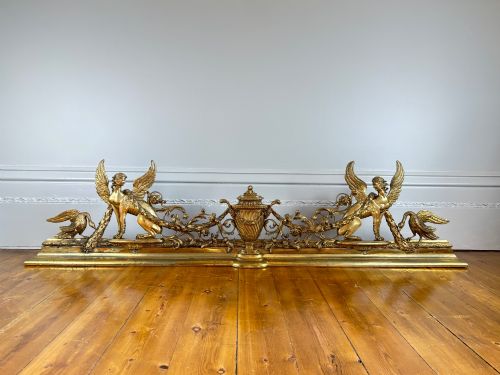
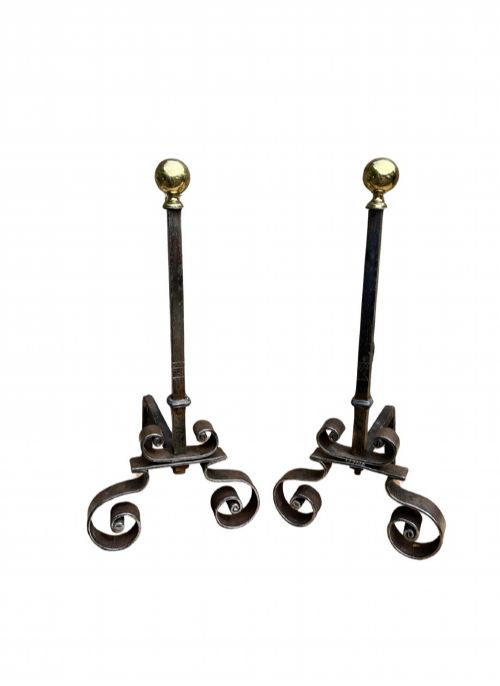
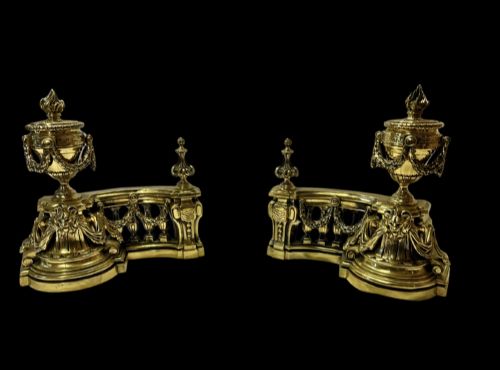
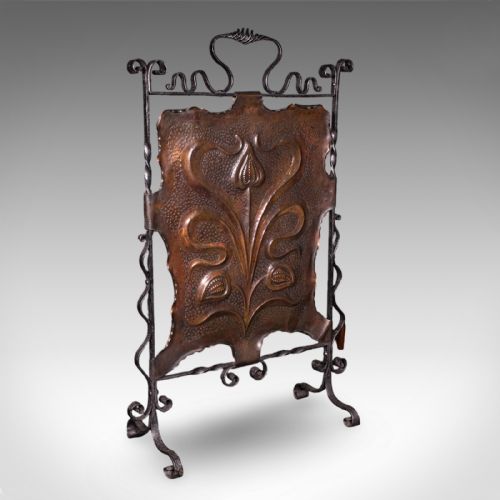
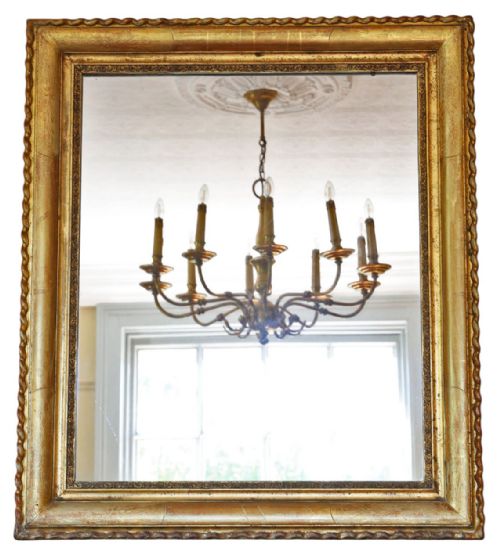
The objects most frequently met on this page are pairs of chenets, also known as fire dogs or andirons, which sit inside the hearth to support logs. Alongside these iron and bronze supports, you will encounter brass fenders, copper fire screens, and large gilt wall mirrors designed to hang directly above the mantelpiece.
The selection reflects both formal Parisian taste and provincial interpretations, moving between ornate Rococo Revival curves and the cleaner lines of Regency and Art Nouveau design. Each item served a practical domestic role while contributing to the decorative scheme of the principal rooms.
How they were made
The makers of french fireplace decor relied on cast metals, using bronze, brass, and iron to build sturdy frames capable of withstanding regular heat. Many components were cast in sections before being assembled and finished by hand, ensuring each joint and support remained solid under pressure.
Surface treatment defines much of this metalwork, particularly the extensive use of ormolu, gilt bronze, and patinated bronze. Artisans applied gold leaf or mercury gilding over bronze bases to create rich highlights, contrasting these bright areas with darker patinated surfaces on iron and copper elements.
Even the sootiest nineteenth-century hearth accessory still harbours a flash of gold beneath the grime.
What varies in quality
Material choice and finishing methods also divide the range, distinguishing solid ormolu and heavy cast bronze from lighter brass or plated substitutes. Weight, structural integrity, and the preservation of original fire gilding or patination mark the distinction between everyday hearth furniture and pieces intended for grander interiors.
E F Caldwell New York
The French Fireplace Decor Glossary
- Chenet
- A metal support placed in a fireplace to hold logs off the hearth floor, often paired and highly decorative. These items are also frequently called fire dogs or andirons.
- Ormolu
- Finely ground high-carat gold applied to a bronze base using a mercury amalgamation technique. This durable finish yields a warm, distinct golden lustre seen on finer nineteenth-century hearth pieces.
- Fender
- A low metal guard placed in front of an open hearth to contain sparks and rolling embers. They are constructed in brass, iron, or bronze to match the accompanying fire dogs.
- Patinated bronze
- Bronze that has been chemically treated to alter its natural surface colour, producing dark browns, greens, or blacks. This treatment highlights brighter gilt details by providing a contrasting background.
- Overmantle mirror
- A large wall mirror specifically proportioned to hang above a fireplace mantel. These frames often feature ornate gilded moulding that coordinates with the hearth accessories below.
French Fireplace Decor: Frequently Asked Questions
What are chenets used for?
Chenets serve as structural supports for burning logs inside an open fireplace, elevating wood to improve airflow beneath the fire.
Beyond their practical function, their decorative front columns and scrollwork ornament the hearth when the fireplace is unlit.
How do I clean gilt bronze?
Gilt bronze requires gentle dusting with a soft, dry brush to prevent the accumulation of grit and soot particles.
Harsh chemical polishes and abrasive cloths must be avoided because they strip away the thin layer of gold leaf or ormolu.
Are fire screens functional?
Historic fire screens were designed to shield the occupants' faces from the intense radiant heat of a coal or wood fire.
Many examples also served to block the empty hearth during warmer months, concealing the ash and unburned fuel.
How do I date a brass fender?
Dating relies on observing construction marks, joint types, and stylistic motifs shared with contemporary furniture.
Heavier cast brass components and hand-cut assembly screws typically point towards nineteenth-century production methods.