
Vintage Fireplace Irons
Vintage fireplace irons bring hearth furniture into focus through steel, brass and wrought iron forged across the Georgian, Victorian and Edwardian eras.
Vintage Fireplace Irons
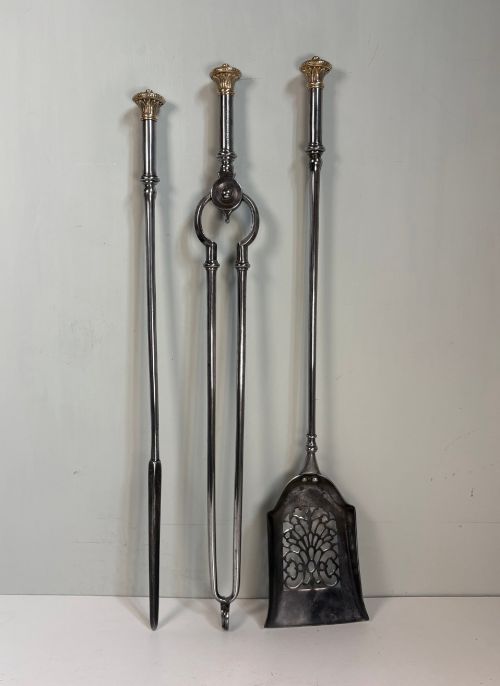
Vintage fireplace irons comprise poker, shovel and tongs sets alongside individual pokers and companion tools designed for managing hearth fires. These pieces originate across the eighteenth, nineteenth and early twentieth centuries, spanning Georgian, Victorian and Edwardian periods.
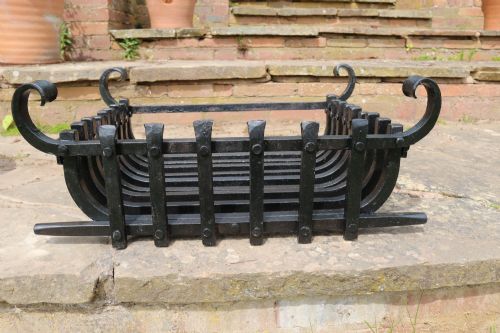
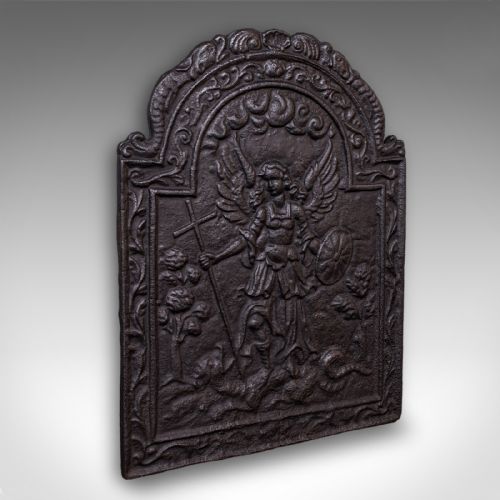
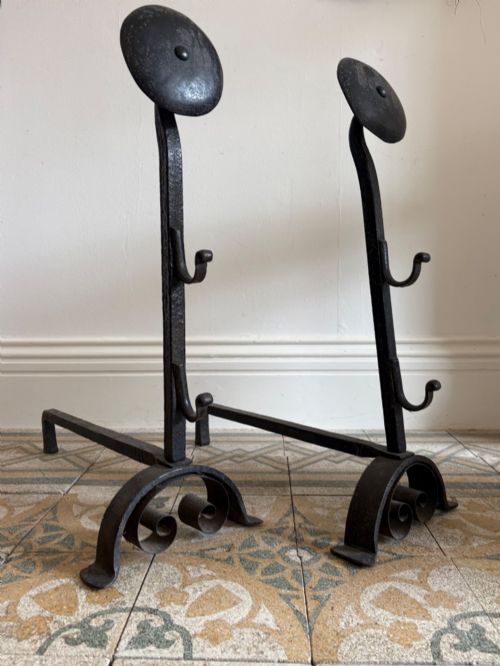
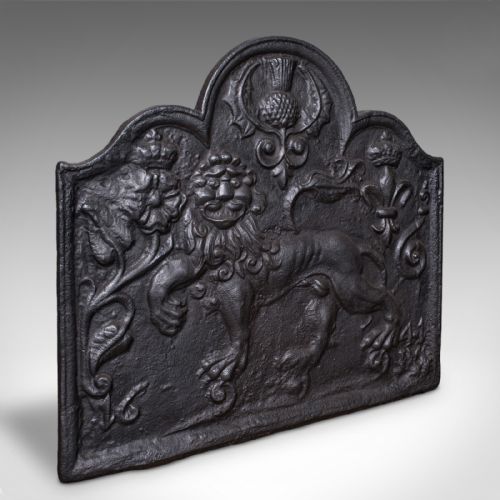
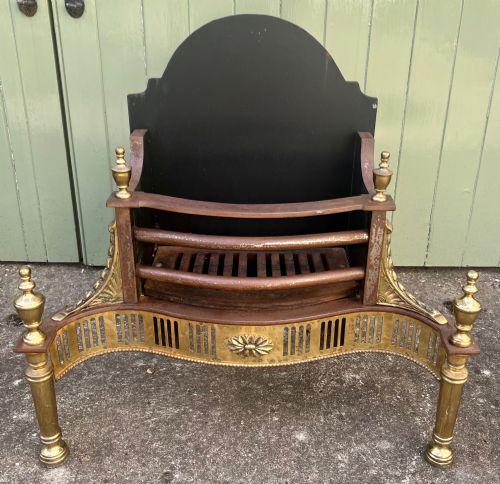
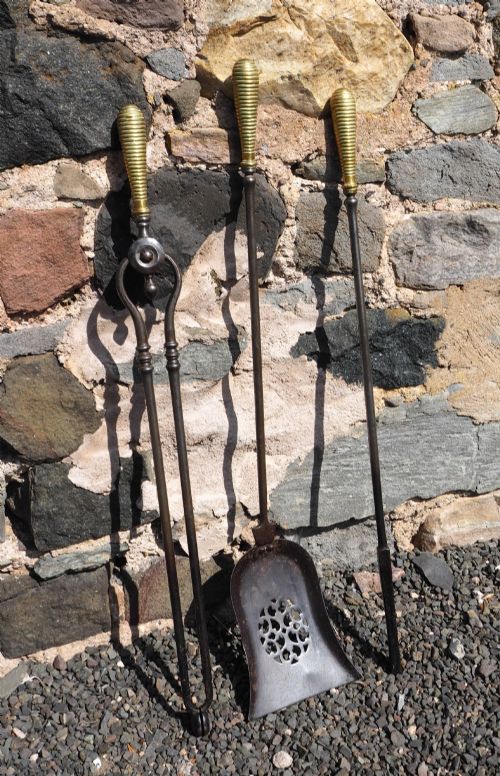
The versions met most frequently on this page are nineteenth century steel and brass companion sets and wrought iron tools. They appear alongside fire dogs, andirons, grates and fire backs that complete the fireplace setting.
How they were made
Makers shaped these pieces primarily from steel, cast iron, wrought iron and brass using hand-forging, casting and polishing techniques. Steel and wrought iron components received hammering at the forge, while brass elements often involved casting and turning.
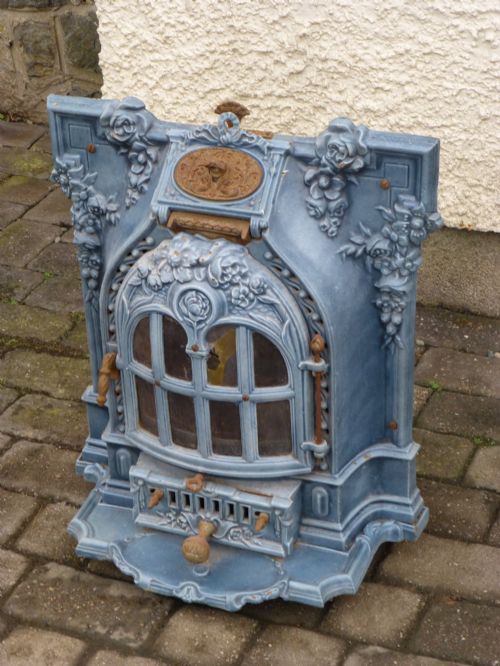
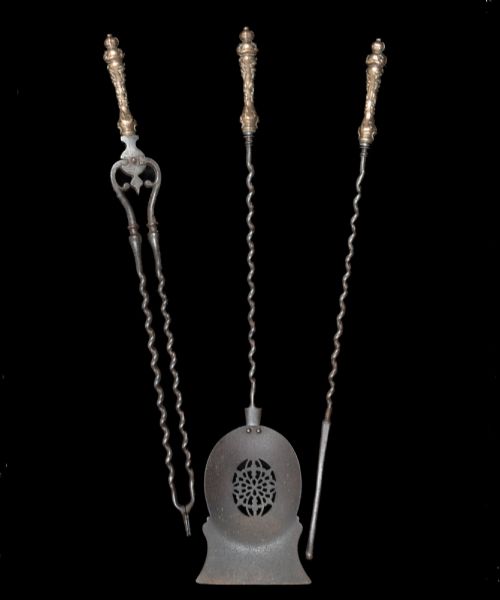
Surface finishes range from polished steel and bright brass to blackened iron and enamelled cast surfaces. Rivets, twisted shafts and decorative finials demonstrate period metalworking methods employed by nineteenth century and earlier smiths.
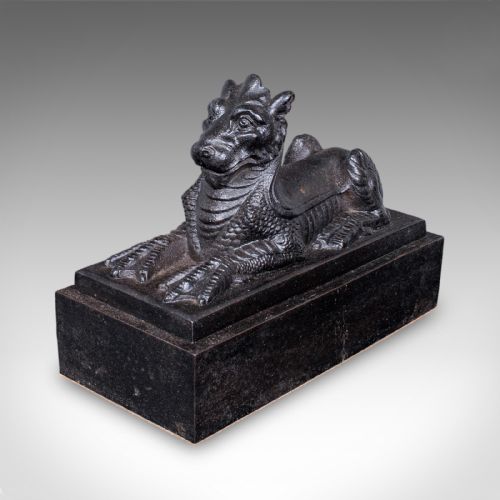
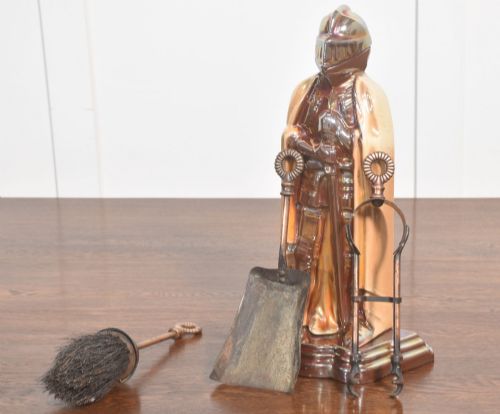
A stoic cast iron knight stands guard over companion tools, ready to defend the sitting room from rogue sparks.
What varies in quality
Quality rests in the weight of the metal, the crispness of forged details and the integrity of joints. Solid brass and thick gauge steel demonstrate superior substance compared to thin stamped replacements.
Proportion and balance define finer companion sets, where handles align securely with shafts and tool rests match the ensemble. Maker finish and hand-forged touch marks distinguish bespoke smithing from mass production.
Deville And Cie
The Vintage Fireplace Irons Glossary
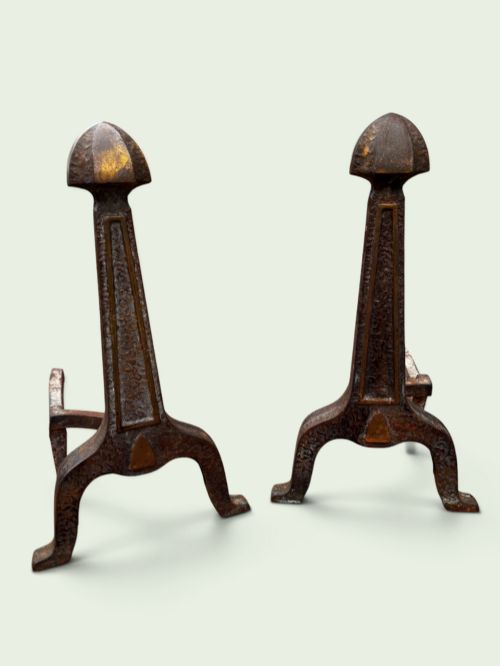
- Andirons
- Supports for logs within an open hearth, also known as fire dogs. They frequently feature decorative brass or iron terminals facing the room.
- Companion set
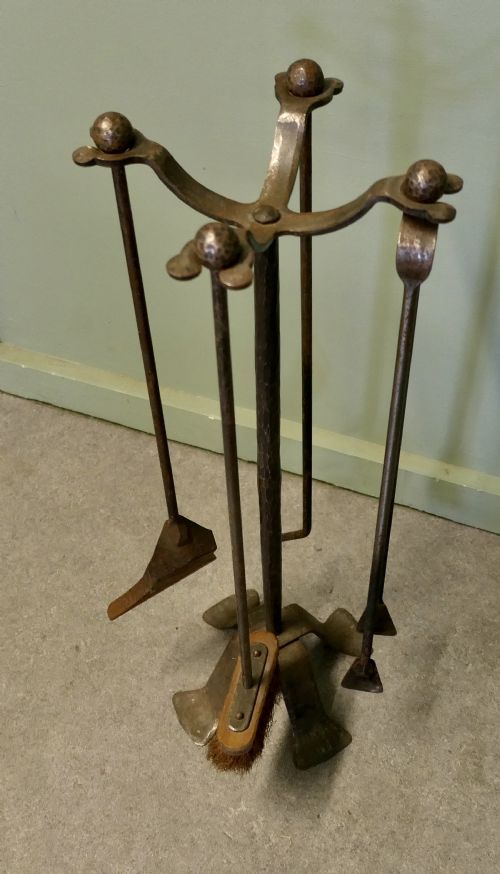
- A matched group of fireside tools typically including a poker, tongs and shovel housed on a stand or rest.
- Fire back
- A heavy iron plate placed at the back of a fireplace to protect the masonry and reflect heat into the room.
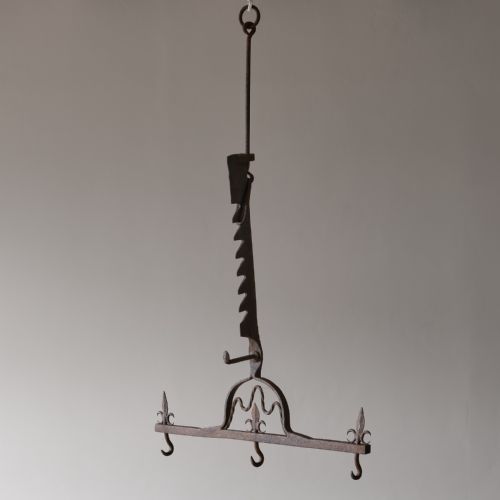
- Trammel hook
- An adjustable wrought iron hook used in chimney flues to suspend pots over the fire at varying heights.
- Fender
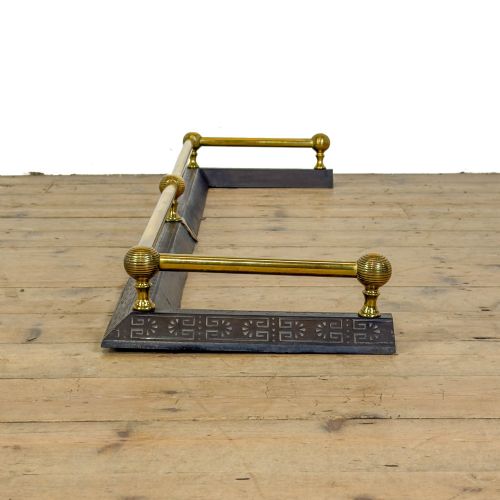
- A low metal guard placed around the hearth hearthrug boundary to contain ash and embers.
Vintage Fireplace Irons: Frequently Asked Questions
What is included in a companion set?
A companion set gathers the essential tools needed to tend an open fire. These standard groupings typically consist of a poker, a shovel and tongs.
Many sets include a dedicated stand or rest to keep the hearth tidy. Historical examples often incorporate heavy steel or polished brass construction designed for daily use.
How do I date a set of fire irons?
Dating relies on examining the metal composition, manufacturing marks and stylistic details like handles and finials. Eighteenth century examples often display hand-forged wrought iron with simple twisted shafts.
Victorian and Edwardian versions frequently introduce polished steel, mixed brass elements and more ornate cast handles. Period descriptions provide the primary chronological anchor for each piece.
What is the difference between andirons and fire dogs?
Andirons and fire dogs are largely synonymous terms for the horizontal metal supports that hold logs inside an open hearth. Both raise wood off the hearth floor to improve airflow.
Earlier examples often carry heavier forged iron construction, while nineteenth century versions lean towards decorative brass rococo or Gothic revival designs.
How do I maintain steel fire irons?
Maintenance involves keeping steel tools dry and lightly oiled to prevent oxidation and surface rust. Regular wiping removes soot and ash residue accumulated during hearth use.
Polished steel requires occasional light attention with a dry cloth to preserve the finish without stripping historical patination.