


Georgian Steel Tongs
Georgian steel tongs are fireplace accessories that bring period utility and refined metalwork to a hearth.
Georgian Steel Tongs
Georgian steel tongs are functional fireplace accessories designed for managing coal, embers, or pipes in hearths of the eighteenth and early nineteenth centuries. When you search for georgian steel tongs, you encounter items shaped from durable metals to serve daily domestic needs by the fire.
The versions most commonly met on this page belong to the Georgian and Regency periods, alongside early nineteenth-century examples and George IV styles. These tools often appear individually or within sets of fireplace irons and companion tools.
Makers shaped these implements from robust materials suited to heavy hearth use, creating both utilitarian ember tongs and combination pipe fire lighters. Each piece reflects the functional requirements of period domestic heating and the straightforward design standards of the era.
How they were made
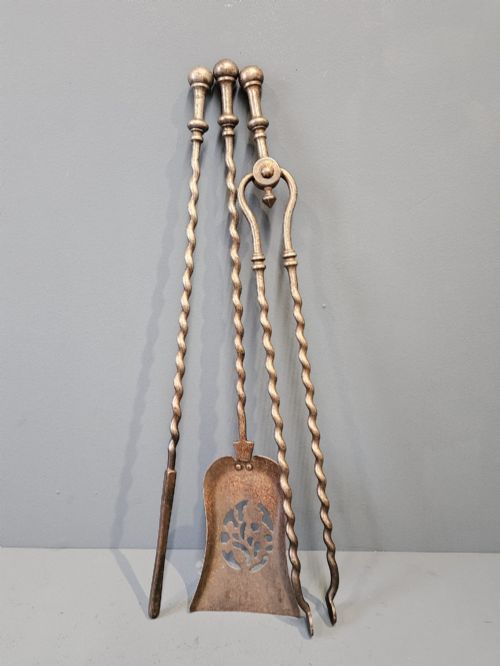
Blacksmiths and metalworkers utilised forged iron and steel to construct these fireplace tools, hammering the raw metal into strong, resilient shafts and gripping ends. Many pieces show the distinct texture of wrought iron or the smooth finish of burnished and polished steel.
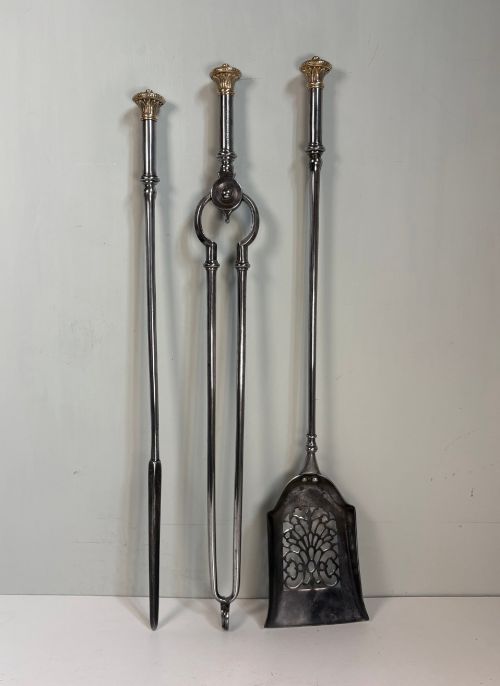
Gilt brass and standard brass components were frequently incorporated alongside the steel to form decorative mounts, finials, or paired sets. This combination of steel and brass provided structural strength at the gripping points while introducing brighter metallic contrasts to the hearth.
Some Georgian steel tongs doubled as pipe fire lighters, ensuring the master of the house could easily ignite tobacco without leaving the hearth.
What varies in quality
Quality in these fireplace implements rests upon the handling of the metal, distinguishing standard utility work from more considered craftsmanship. The degree of polish on the steel and the integration of brass elements set finer pieces apart from basic hearth furniture.
Survival of the original surface finish, whether burnished steel or polished metal, dictates the visual success of the piece. Well-proportioned tools with balanced handles and clean joinery demonstrate superior period manufacture.
The Georgian Steel Tongs Glossary
- Steel
- An alloy of iron and carbon valued for its strength and resilience in hearth tools. It takes a high polish and resists bending under heat.
- Burnished steel
- Metal smoothed and polished through friction to create a reflective, protective surface. This finish enhances the visual depth of period fireplace implements.
- Gilt brass
- Brass coated with a thin layer of gold or gold-coloured alloy to enrich its appearance. It provides a warm contrast against dark steel tools.
- Regency
- A British design period spanning the early nineteenth century characterised by classical restraint and refined metal combinations. Pieces from this era often display clean lines and bright finishes.
- Ember tongs
- Small specialised tongs used for handling individual pieces of coal or hot cinders. They form a key component of period hearth equipment.
Georgian Steel Tongs: Frequently Asked Questions
What were georgian steel tongs used for?
These tools managed burning fuel, adjusted wood or coal, and sometimes lit pipes within the hearth.
Their sturdy metal construction allowed daily handling of hot embers safely.
How do I identify a period piece?
Look for construction methods such as hand forging, traditional joinery, and period materials like wrought iron and burnished steel.
Stylistic markers align with Georgian, Regency, and George IV design characteristics.
Are these tongs part of larger sets?
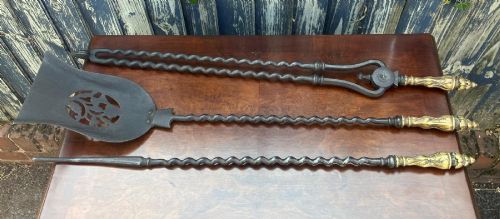
Many examples survive as part of larger companion sets alongside pokers and shovels.
Individual pieces like pipe fire lighters also appear independently.
How should I clean polished steel?
Maintain the surface using dry cloths and appropriate metal conservation products to prevent corrosion.
Avoid abrasive cleaners that remove the historic finish.