

Vintage Figurative Wall Art
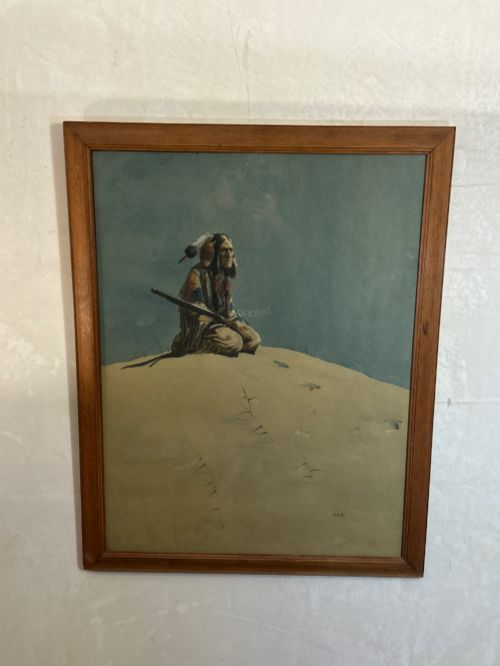
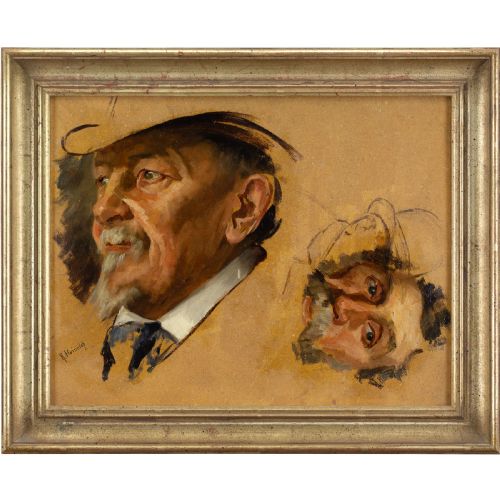
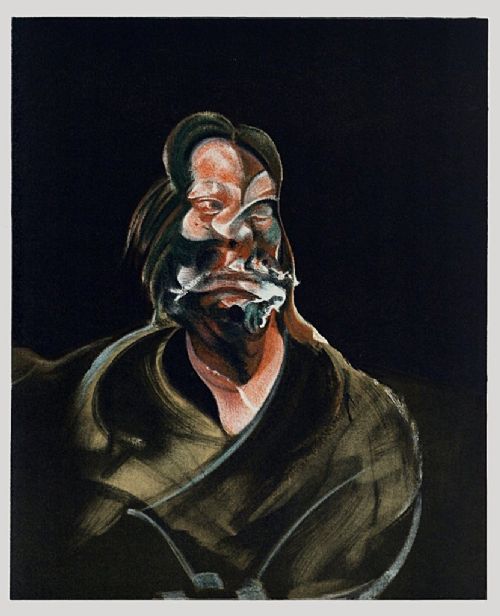
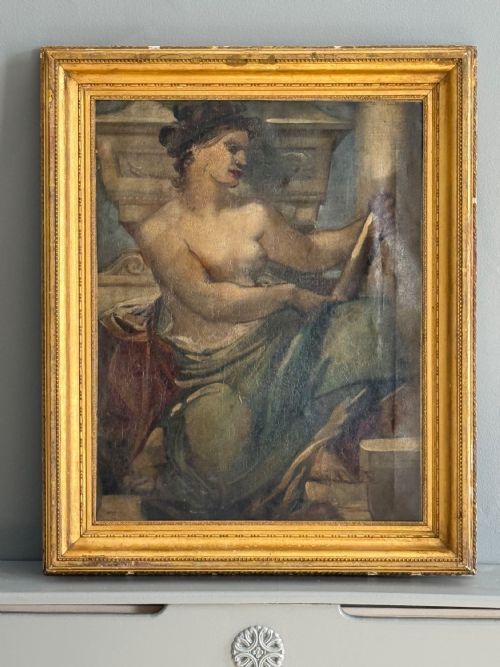
Vintage figurative wall art spans portraits, narrative scenes and character studies executed across the nineteenth and twentieth centuries.
Vintage Figurative Wall Art
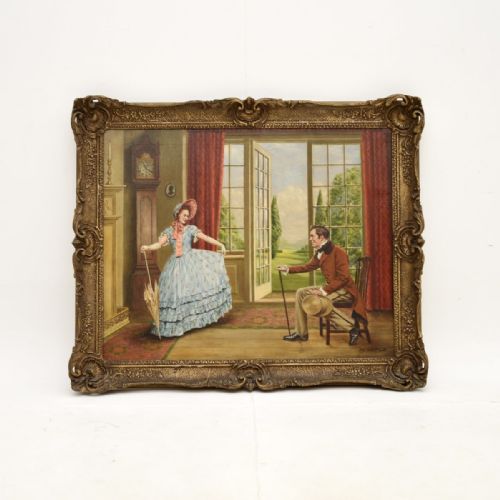
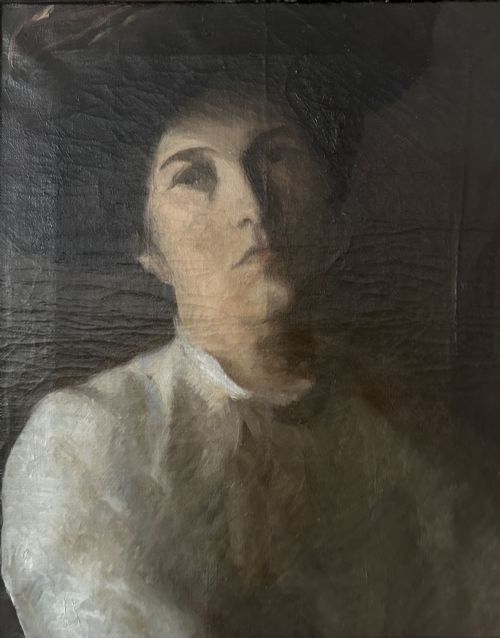
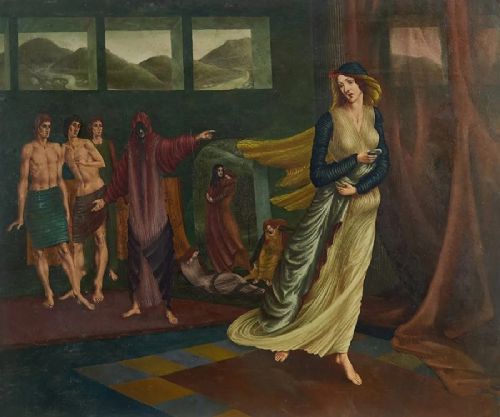
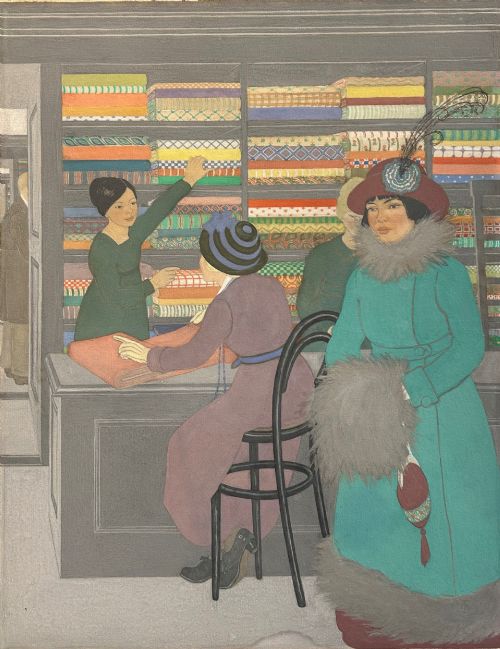
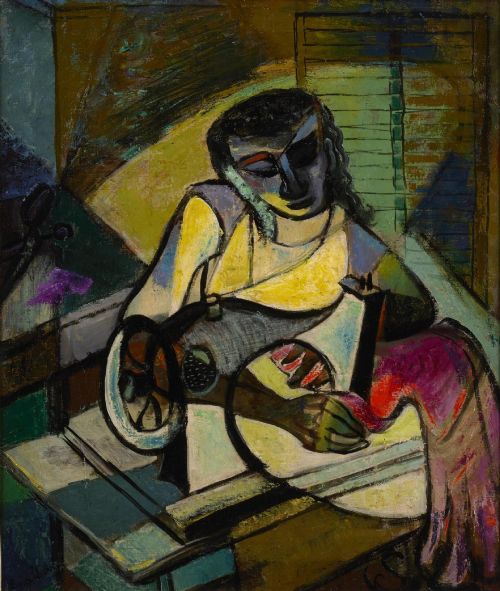
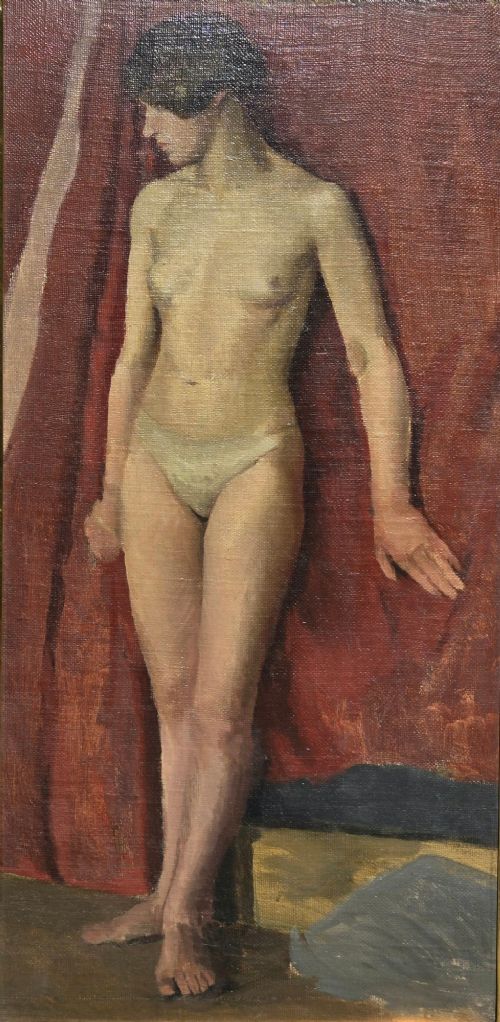
Vintage figurative wall art encompasses portraits, nudes, interior scenes and narrative compositions created from the late nineteenth century through to the mid-twentieth century. Buyers searching this phrase encounter mediums ranging from oil paint on canvas and board to tempera, pastel, gouache, lithographs and prints. These works capture human subjects, dancers, social gatherings and intimate domestic moments framed for display.
The selection on this page leans heavily towards mid-century modern and academic realist paintings from the nineteen-twenties, thirties, forties and fifties. Pieces originate from British, French, Italian, and wider European schools, alongside specific regional works like Ubud School paintings. Portrait studies and character scenes dominate the available forms.
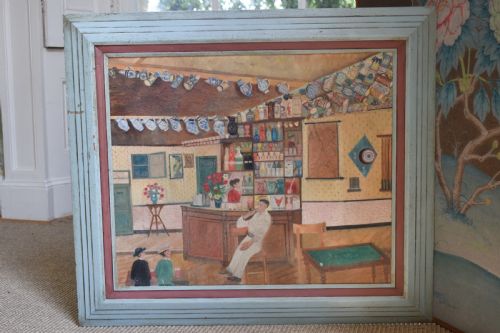
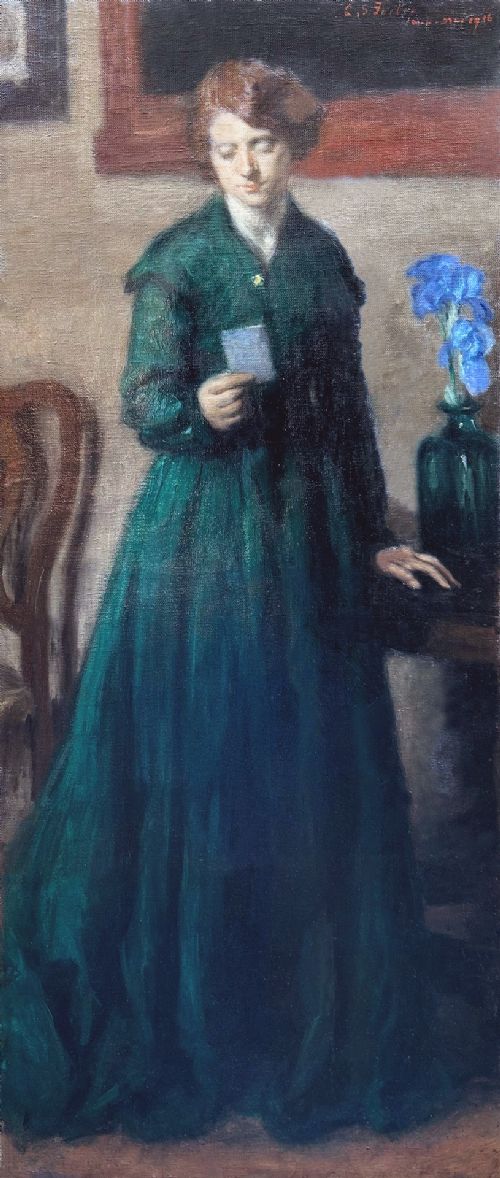
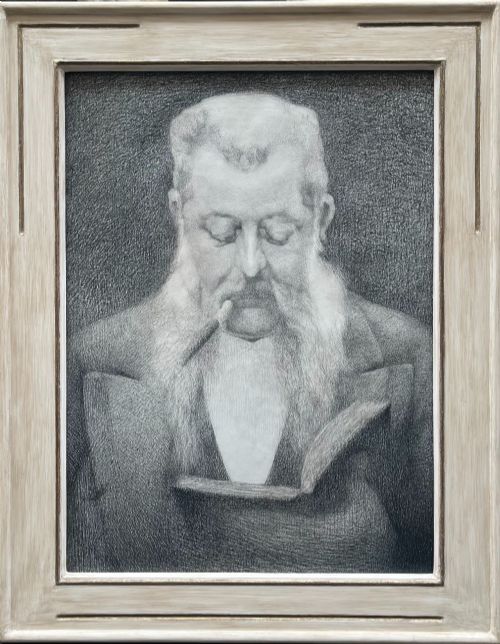
Works appear in various states of presentation, including original gilt frames, simpler wood surrounds and unframed canvases. Subject matter stretches from formal portraiture of ladies and boys to relaxed figures outdoors, ballet dancers and domestic interiors. Each piece offers a distinct window into the artistic styles of its decade.
How they were made
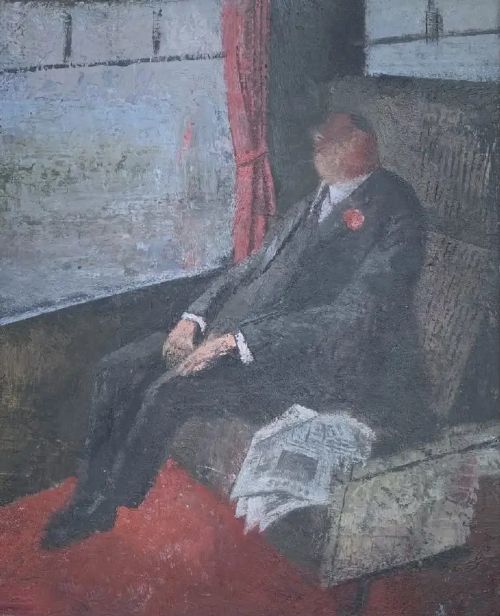
Artists painted primarily with oil on canvas or board, utilising brushwork that ranges from smooth academic realism to textured impasto. Works on paper utilise media such as pastel, gouache, watercolour and tempera, capturing finer details and immediate colour applications. Lithographs and printed fabrics represent the graphic techniques employed for reproduction and design work.
Supports consist of stretched canvas, wooden board, heavy paper and card, often mounted within wooden or gilt frames suited to the period. Pigments are applied directly to prepared grounds, sometimes building up thick layers of paint to create tactile surfaces. Printers and artists also utilised lithographic stones and plates to produce limited edition prints.
Vintage Figurative Wall Art Retail Price Guide 2026
Typical asking prices for vintage figurative wall art among the pieces listed under this phrase on Sellingantiques today, from the lower quarter to the upper quarter. They describe what is for sale here now, not the wider market.
Listings feature periods spanning from eighteen-ninety through to nineteen-sixty, utilising canvas, board, paper, and oil paint.
What varies in quality
Quality rests upon the skill of the draughtsman and the confidence of the brushwork in capturing human anatomy, expression and light. Stronger pieces display assured handling of paint and composition, whereas lesser examples rely on stiff proportions and flat colour application.
The sophistication of the palette and the depth of character in portraiture separate standard decorative items from superior artistic statements. Condition of the canvas, stability of the pigment layer and the originality of the frame also influence the overall standing of an artwork.
John Hassall·Robert Heinrich·Alfred Lyndon Grace·Joseph Biel·James Stroudley·Charles Stuart Forbes·Beatrice Saunders·Lena Gurr·Winifred Rymer·Henry Windsor Fry·Christine Nesbit·J A Grant·John Meredith·Philippe de Rougemont·Charles James McCall·Valdemar Magaard·Ronald Ossory Dunlop·Charles Edward Wilson·Raymond Moritz·Attilio Toro·Gabriel Dauchot·Gertrude Halsband·Septimus Scott·John Sanderson Wells·Edward Stodart
The Vintage Figurative Wall Art Glossary
- Impasto
- Paint applied thickly to a canvas or board, standing out in relief from the surface. This technique allows the texture of the brush or palette knife to remain visible.
- Gouache
- An opaque water-based paint that dries to a matte finish. It provides dense colour saturation on paper supports.
- Lithograph
- A print produced from a flat stone or metal plate treated to retain ink in designated areas. Artists use this method for creating multiple identical impressions.
- Tempera
- A permanent, fast-drying painting medium consisting of coloured pigment mixed with a water-soluble binder such as egg yolk. It produces a durable, flat finish on canvas or panel.
- Triptych
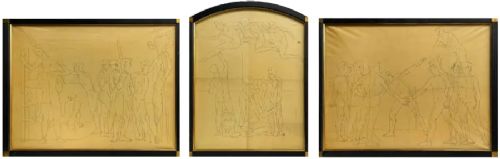
- A work of art divided into three sections or panels hinged or displayed together. These pieces typically present a continuous or linked narrative theme.
Vintage Figurative Wall Art: Frequently Asked Questions
How do I date these paintings?
Dating relies on stylistic clues, clothing fashions, framing methods and artist signatures recorded on the canvas or reverse. Many works carry dates or reflect the distinct aesthetic movements of their decade of creation.
Examining the materials, stretcher bars and paper types provides further confirmation of the period. Signatures can often be cross-referenced with artist registries to narrow down the active years of production.
Where should I hang these artworks?
These figurative works suit living rooms, studies and hallways where lighting highlights the brushwork and subject matter. Selecting a wall away from direct sunlight protects oil paint, paper and pigments from fading.
Pairing pieces with appropriate period lighting enhances their visual impact. Consideration of wall scale ensures the artwork commands the correct presence in the room.
What is the difference between an oil painting and a print?
An oil painting is a unique, hand-painted work featuring textured brushstrokes applied directly onto canvas or board. Each stroke and layer of pigment is singular to that specific piece.
Prints and lithographs are replicated images produced through mechanical or plate-based processes. They offer a smoother surface finish and were often issued in limited editions.
How do I care for antique paintings?
Care involves keeping works in stable indoor environments with moderate humidity and temperature levels. Dusting should be performed gently with a soft, dry brush without applying pressure to the canvas.
Avoiding moisture and harsh cleaning chemicals protects both the paint surface and the wooden frame. Professional conservators should handle any structural repairs or deep cleaning.