


Framed Paper Portrait
A framed paper portrait captures historical likenesses through delicate silhouettes, intricate engravings and expressive watercolours preserved behind glass.
Framed Paper Portrait
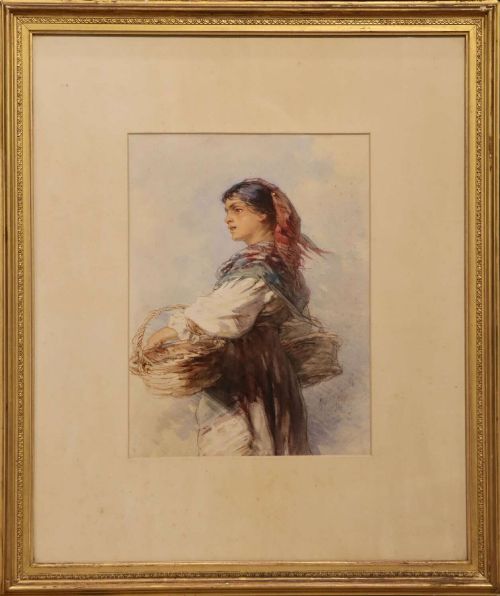
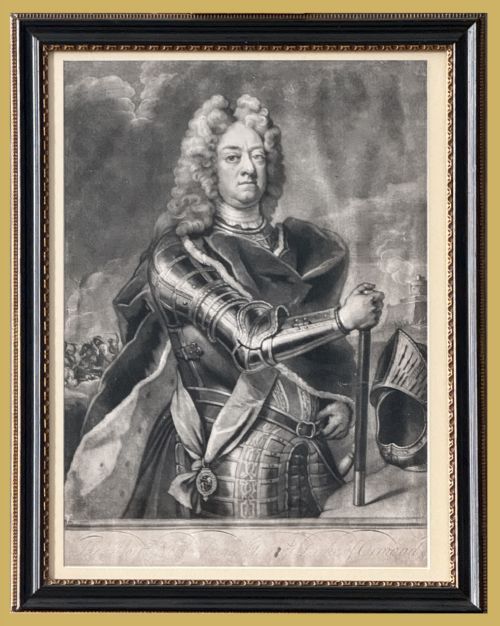
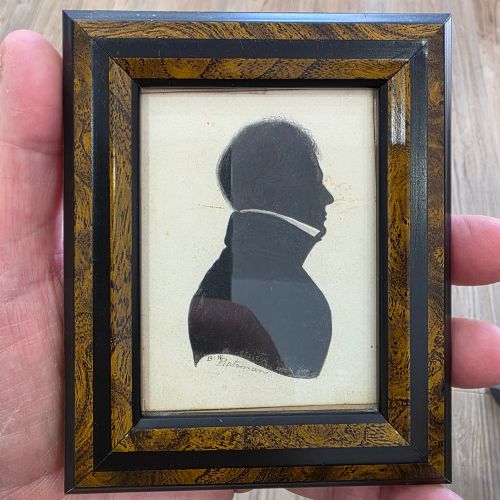
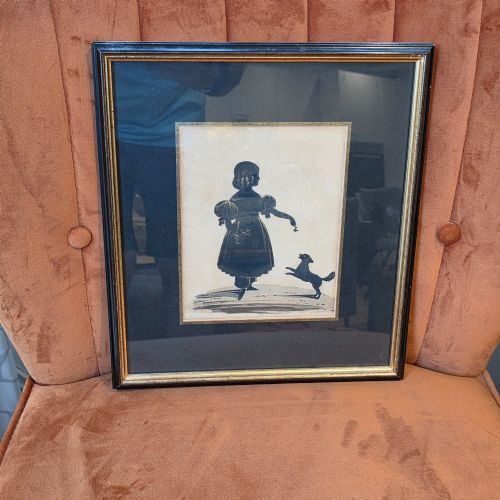
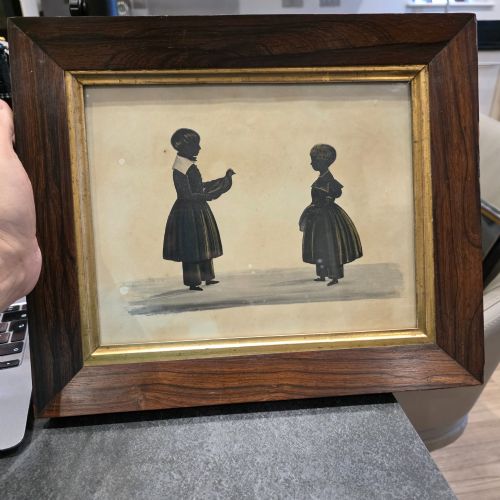
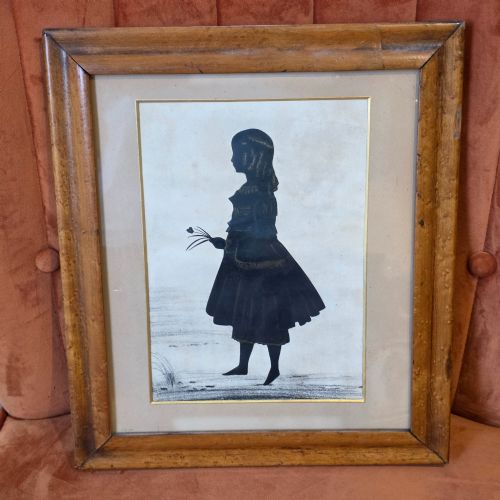
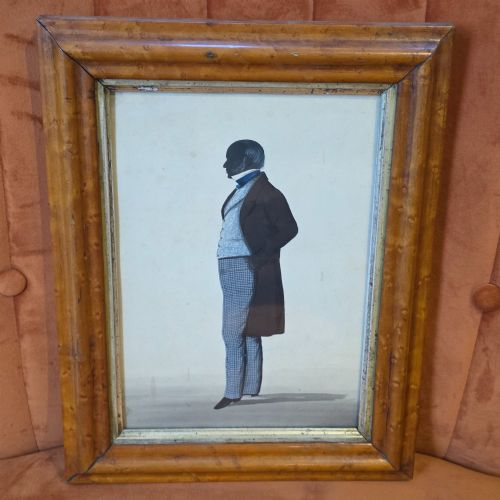
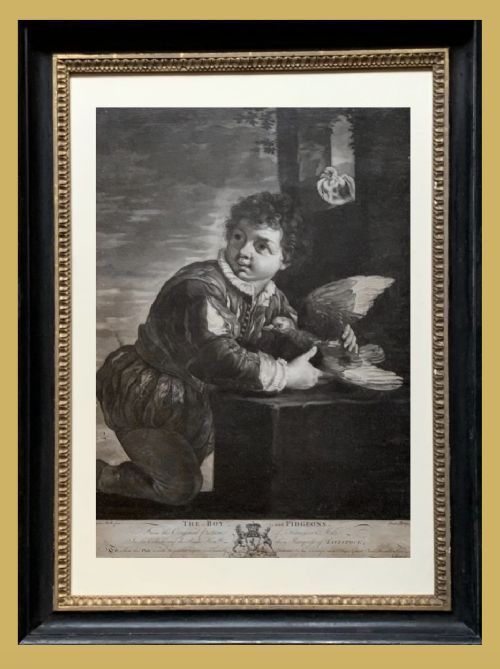
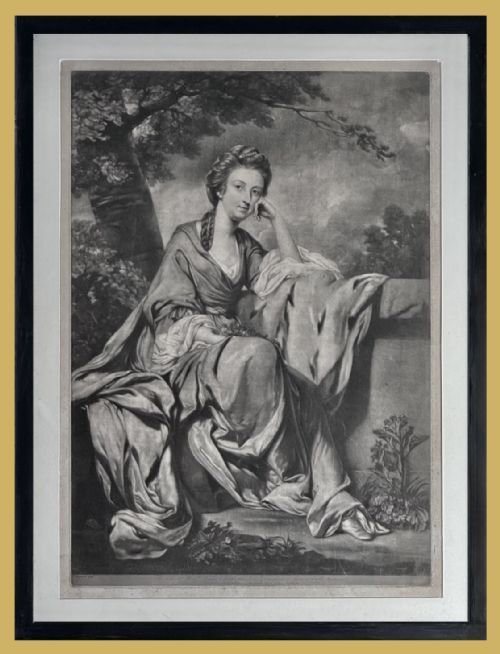
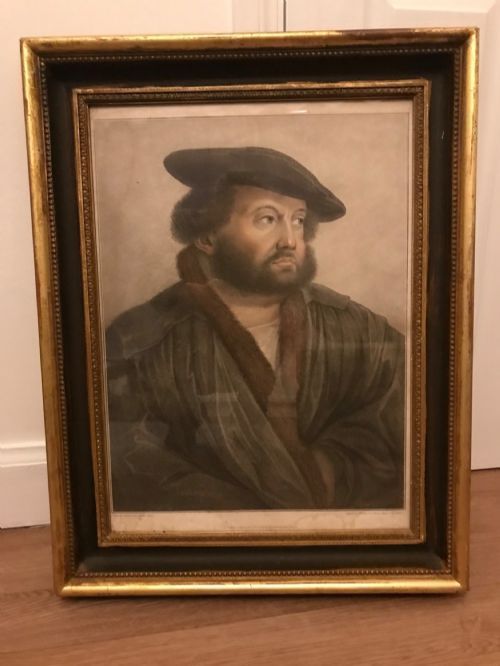
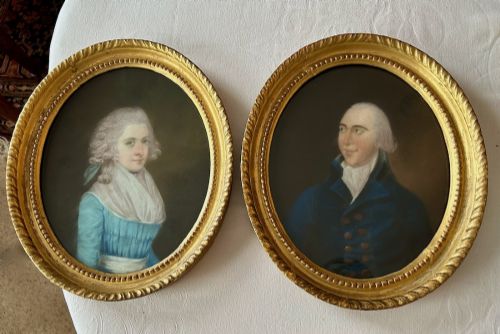
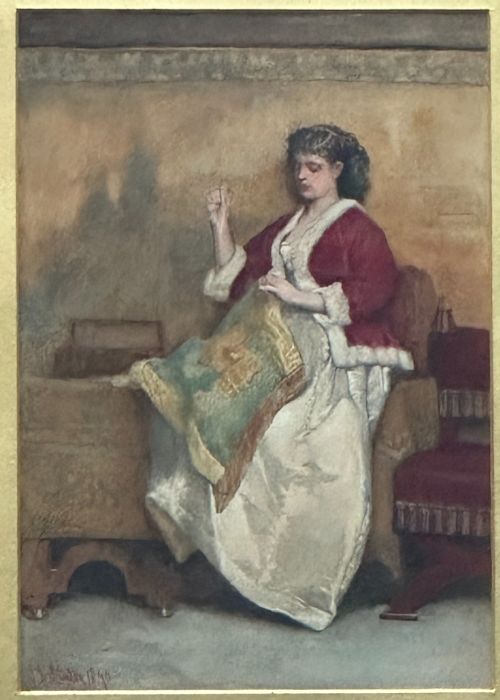
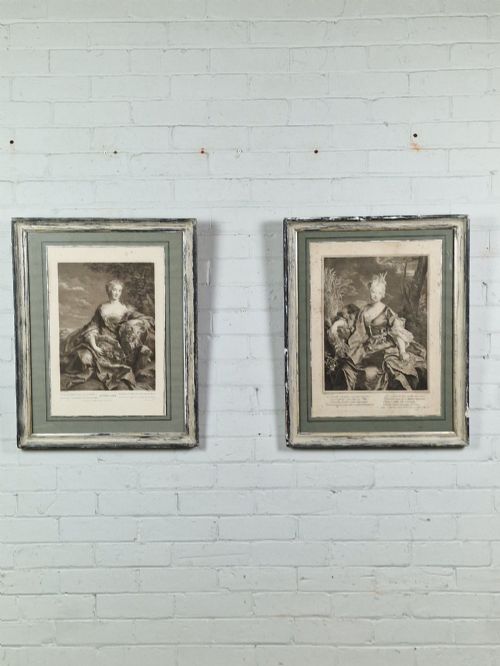
A framed paper portrait encompasses a wide range of works executed on paper supports, spanning from the seventeenth century through to the mid-twentieth century and beyond. These pieces include hand-cut silhouettes, detailed mezzotint engravings, delicate watercolours and pastel drawings.
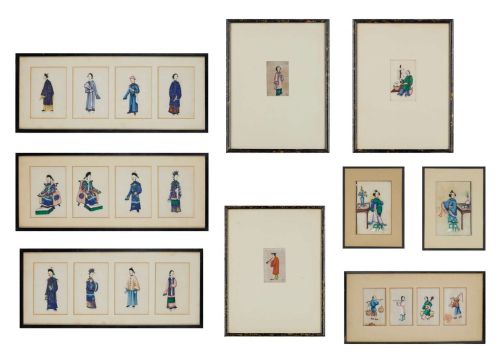
Buyers searching for a framed paper portrait will encounter various forms, most commonly featuring historical figures, gentlemen, ladies and occasionally domestic animals rendered within period timber frames. The selection on this page reflects origins stretching from British schools to continental and Chinese export works.
The aesthetic of a framed paper portrait is defined by the intimate scale of works on paper, often augmented by subtle watercolour washes, gilded highlights or ink details. Each piece brings a direct connection to historical portraiture traditions through surviving works housed safely behind glass.
Assessing Quality
Quality in a framed paper portrait rests upon the precision of the execution, whether through the deft hand-cutting of a silhouette, the sharp clarity of a mezzotint engraving or the accomplished handling of pigment in a watercolour study. Works showing confident draughtsmanship and careful detailing stand apart from simpler productions.
The condition and originality of the paper support, along with the retention of period framing and glass, heavily influence the standing of a piece. Preserved surfaces free from heavy fading or restoration represent the finer examples available to collectors.
Several charming canine studies join the human likenesses, including portraits of Pekinese dogs, a Borzoi drawing, and dogs accompanying their owners.
John Simon·William James Hubard·John Boydell·Edward Fisher·Francesco Bartolozzi·John Smith·James Watson·Augustin Edouart·Valentine Green
The Framed Paper Portrait Glossary
- Silhouette
- A solid black or dark profile portrait, usually cut from paper or painted, capturing a likeness through outline alone. They became particularly popular during the eighteenth and nineteenth centuries.
- Mezzotint
- A printmaking process of the intaglio family where the copper plate is roughened to achieve rich tonal gradations and dark backgrounds. It was widely utilised for reproducing oil paintings of notable personalities.
- Stipple engraving
- A technique for printing illustrations that uses dots of varying density and size to create tonal effects rather than continuous lines. This method allowed for delicate skin textures in portraiture.
- Gouache
- An opaque water-based pigment containing a white filler, producing a heavier and more solid finish than transparent watercolour. Artists used it to add highlights and body to drawings on buff or tinted paper.
- Pith painting
- Works executed on sheets of plant-derived pith material, frequently produced in China during the nineteenth century for the export market. They are known for their vibrant colours and fragile structure.
Framed Paper Portrait: Frequently Asked Questions
How should I hang a framed paper portrait?
Display your framed paper portrait away from direct sunlight and damp environments to protect the fragile paper support and pigments from fading or deterioration.
Ensure the piece is securely hung on a stable wall using appropriate fixings suited to the weight of the timber frame and glass.
What periods do these portraits cover?
The works span multiple centuries, ranging from seventeenth-century mezzotints to eighteenth-century pastels and nineteenth-century silhouettes.
Later pieces extending into the twentieth century are also represented, showcasing evolving portraiture styles across different eras.
Why are these works framed with glass?
Glass provides an essential protective barrier against dust, atmospheric pollutants and accidental physical contact with the exposed paper surface.
Many historic frames retain their original glass, which contributes to the overall authenticity and historical integrity of the piece.