



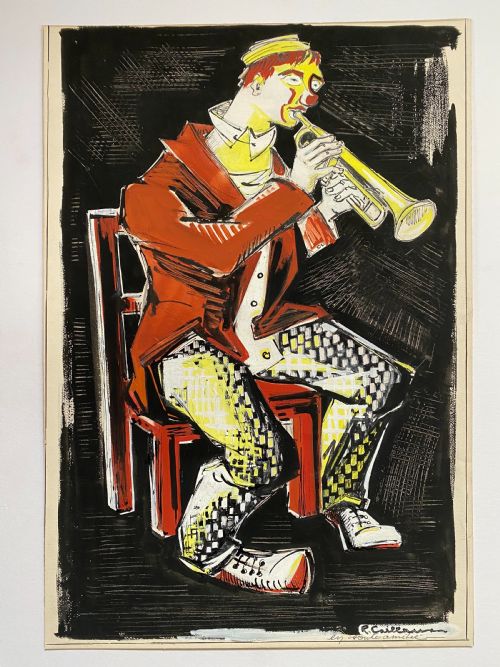


1950s Portrait Painting
A 1950s portrait painting captures the distinct character of the post-war era through expressive brushwork and individual likeness.
1950s Portrait Painting
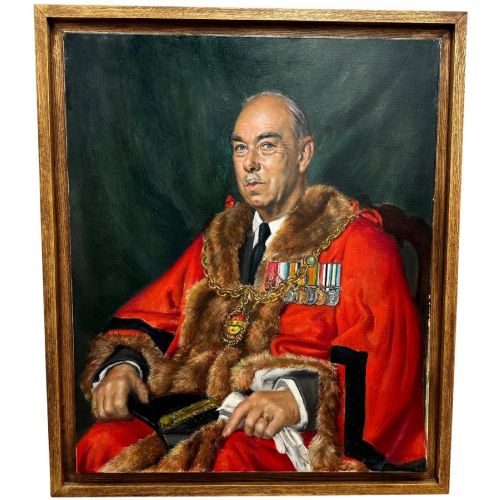
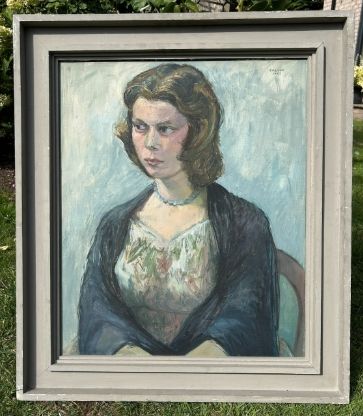
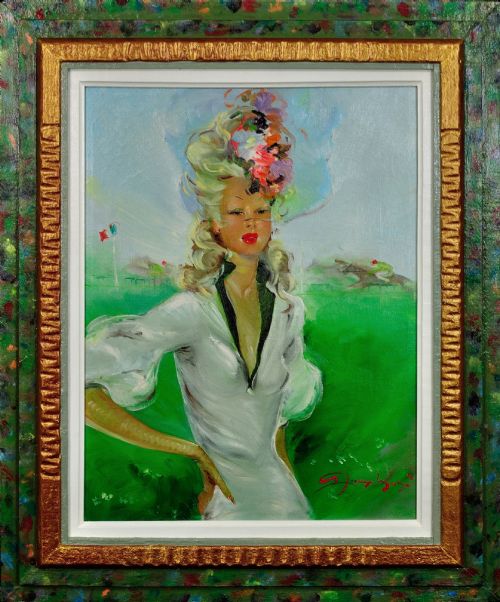
A 1950s portrait painting represents mid-century visual culture through depictions of sitters ranging from public figures and nobility to anonymous models, ballerinas, and fashionable ladies. The works on this page span the 1950 period, reflecting mid-century modern sensibilities, 20th century realism, and post-impressionist influences.
Buyers encounter a variety of forms including original paintings, wall art, and specific portrayals such as female nudes, circus performers, and civic mayors. These pieces demonstrate the broad stylistic scope of the decade, moving between strict academic likeness and more expressive modernist interpretations.
The origins of these works bridge British and European traditions, incorporating styles like mid-century French painting alongside domestic portraiture. Each canvas or board preserves a specific individual and moment from the middle of the twentieth century.
Materials and techniques
Supports often include wood panels and traditional canvas stretched over wooden frames, occasionally complemented by gilt wood frames that reflect mid-century framing practices. The combination of oil, acrylic, gouache, and pastel demonstrates the diverse technical approaches employed by portraitists during the decade.
1950s Portrait Painting Retail Price Guide 2026
Typical asking prices for 1950s portrait painting among the pieces listed under this phrase on Sellingantiques today, from the lower quarter to the upper quarter. They describe what is for sale here now, not the wider market.
Listings feature works dated specifically to the 1950 period, utilising canvas, wood, paper, oil paint, and gilt wood frames.
Factors of quality
The strength of a portrait often lies in the psychological engagement between the artist and the sitter, where confident handling of paint brings a face to life rather than relying on a rigid, photographic likeness. Works by established or recorded painters demonstrate a firmer command of proportion, light, and shadow.
The preservation of the original surface, whether oil on canvas or pastel on paper, alongside the integrity of any period frame, contributes to the overall standing of an artwork. Greater depth in the layering of pigments and a more assured sense of composition elevate the more successful pieces above standard commercial likenesses.
Bernard Hailstone·Kenneth Cozens·Jean-Gabriel Domergue·Yetta Kane·Richards Rubin
The 1950s Portrait Painting Glossary
- Oil paint
- A slow-drying paint made by combining pigments with a drying oil, typically linseed, allowing artists to blend tones smoothly and build rich surface textures. This medium dominates the mid-century works recorded here.
- Gouache
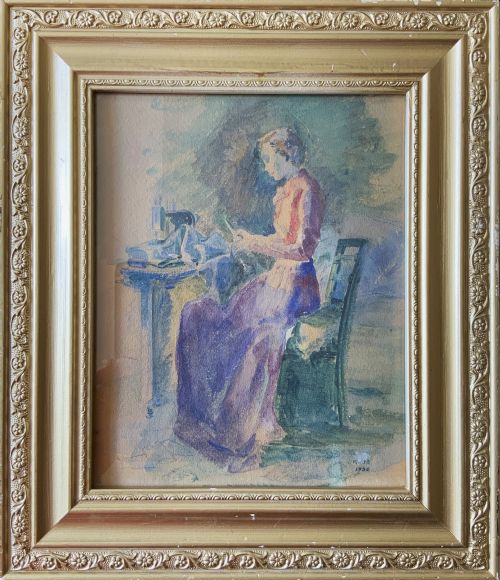
- An opaque water-based medium that dries to a matte finish, offering brighter colour saturation than standard watercolour. It appears on paper in illustrative mid-century character studies.
- Post-Impressionism
- An art movement extending into the mid-twentieth century that prioritised symbolic colour and expressive brushwork over naturalistic representation. Painters utilised these techniques to impart emotional resonance to portrait subjects.
- Board
- A rigid flat panel used as an alternative to stretched canvas for supporting paint layers. Artists frequently utilised board for smaller or more direct studies during the 1950s.
1950s Portrait Painting: Frequently Asked Questions
What subjects appear in these paintings?
The subjects range widely from notable public figures like royalty and mayors to anonymous sitters, ballerinas, and fashionable women at social events.
Artists also depicted workers, such as seamstresses and huntsmen, capturing the social breadth of the era.
How do I display a vintage portrait?
Most of these works suit traditional wall art placement, often housed in their original gilt wood frames that complement mid-century interiors.
Works on paper, such as pastels or gouache, benefit from mounting behind glass to protect the delicate medium from atmospheric moisture.
How are different mediums identified?
Oil paint on canvas provides a thick, textured surface with visible brush marks, whereas acrylic offers a slightly flatter, modern matte appearance.
Works on paper using pastel or watercolour show softer transitions and are typically protected beneath glass rather than varnished.
Are these works signed by the artists?
Many examples feature artist signatures or inscriptions directly on the canvas, board, or paper, occasionally accompanied by dates.
Some pieces remain attributed to disciples or specific stylistic traditions when the original signature is absent or unrecorded.