



Muted Oil Painting
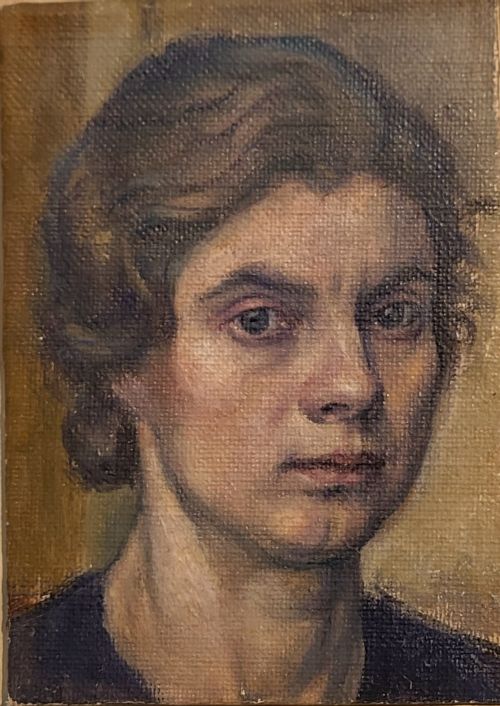
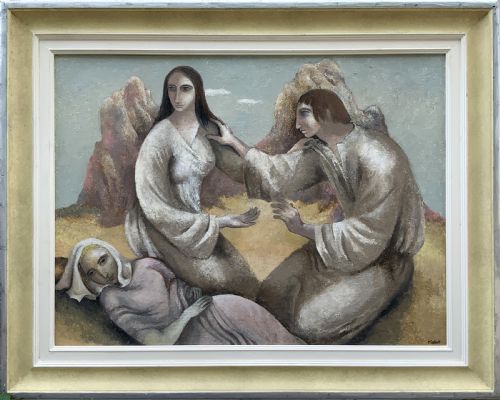
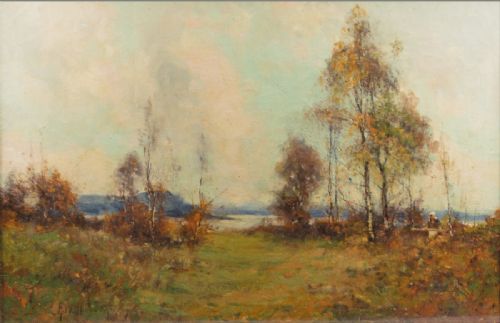
A muted oil painting brings restraint and quiet depth to a room through subdued palettes and visible brushwork.
Muted Oil Painting
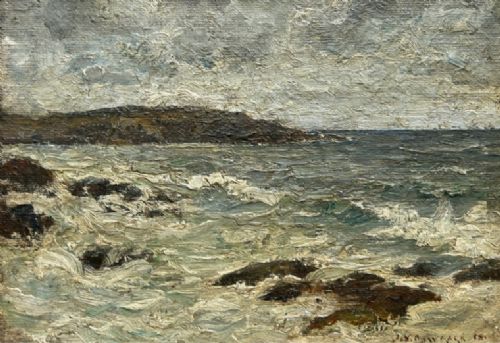
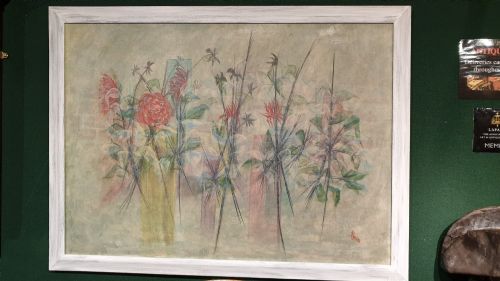
When you search for a muted oil painting, you encounter works spanning the nineteenth century through the mid-twentieth century, featuring landscapes, portraits, and still lifes. These pieces rely on toned-down pigments, earthy colours, and subdued lighting rather than vibrant primary hues.
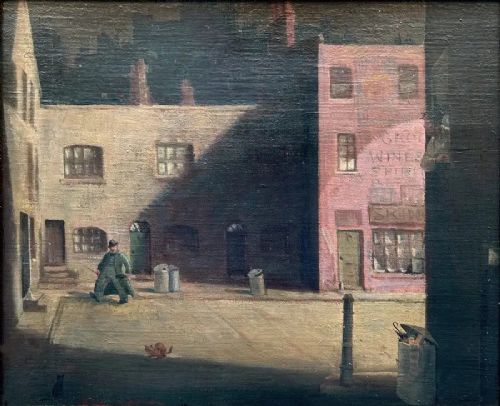
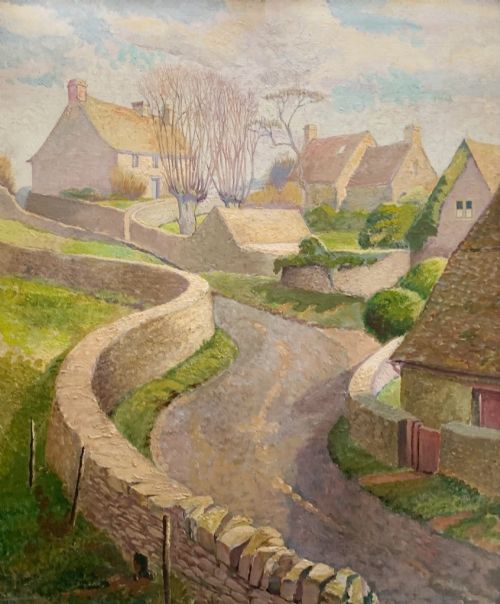
The versions most common on this page originate from British, Scottish, and continental schools, encompassing styles such as Impressionism, Post-Impressionism, and Modern British art. Painters recorded rural scenes, industrial rivers, quiet harbours, and intimate domestic subjects with a restrained hand.
Canvas, board, and panel serve as the primary supports for these works, often housed within period wood frames that complement their subdued tones. The subject matter ranges from named local views to anonymous street scenes and character studies.
How they were made
Artists built these works using oil paint applied to stretched canvas, wooden panels, or prepared boards. The medium allowed for subtle blending of tones and the creation of atmospheric depth through layered pigments.
Many works incorporate impasto technique, where thick paint builds texture on the surface to catch the light, contrasting with thin washes that let the ground show through. Brushes and palette knives deposited pigment to capture fleeting effects of weather, water, and shadow.
Listings feature works spanning from the nineteenth century through the 1960s, executed in oil paint on canvas, board, and panel.
What varies in quality
Quality rests upon the artist's handling of tone and light, where the balance between shadow and subdued colour creates genuine atmosphere rather than muddy obscurity. A strong composition holds the eye through confident brushwork and balanced proportions, whether depicting a wide landscape or a simple interior.
The preservation of the paint surface and the support matters significantly, as stable canvas tension and minimal retouching maintain the artist's original touch. Original period framing also contributes to the integrity of the piece, anchoring the artwork within its historical context.
Kenneth Cozens·Francisco Sancha·Alexander Wellwood Rattray·Gyrth Russell·Ernest Higgins Rigg·Florence Hess·Herbert Royle·Arthur Winter Shaw·Andrew Young·Robert Russell MacNee·Pierre Emmanuel Eugene Damoye·William Hatherell·Owen Bowen·Fred Stead·Ruth Prowse
The Muted Oil Painting Glossary
- Impasto
- Paint applied thickly to a canvas or board, standing out in relief from the surface. This technique adds tactile texture and visible dimension to elements like water, foliage, or clothing.
- Panel
- A flat wooden support used as a base for painting instead of stretched canvas. Artists often utilised wooden boards or panels for smaller works throughout the nineteenth and early twentieth centuries.
- Impressionism
- A nineteenth-century painting style focused on capturing the visual impression of a moment, especially regarding shifting light. Works in this manner emphasise loose brushstrokes and everyday subject matter.
- Post-Impressionism
- An art movement extending Impressionism while rejecting its limitations, favouring more symbolic content and heavier outlines. Painters explored expressive forms and structured compositions.
- Genre painting
- The pictorial representation of scenes from everyday life, typically involving ordinary people in domestic or public settings. These works record contemporary social habits and working environments.
Muted Oil Painting: Frequently Asked Questions
How do I hang a heavy oil painting safely?
Heavy oil paintings require sturdy fixings suited to the wall construction, such as wall plugs and steel screws rather than standard picture hooks. Using two points of suspension distributes the weight evenly and prevents the frame from tilting.
Ensure the hanging wire or cord is securely fastened to the frame itself rather than the backing board. Positioning the work away from direct sunlight and heat sources protects the canvas and paint layers from warping.
Should an antique oil painting be cleaned?
Surface dust can be removed gently with a soft, dry brush, but deeper cleaning involving solvents or varnishes requires a professional conservator. Accumulated grime and aged varnish often darken the palette, so intervention should preserve the artist's original balance of tones.
Amateur cleaning attempts risk removing thin top layers of glaze or original pigment. Consulting a specialist ensures the paint surface remains stable and protected for the future.
How do I identify the period of a canvas?
Dating an oil painting involves examining the type of canvas weave, the stretcher frame construction, and any inscriptions or signatures on the reverse. Victorian and early twentieth-century works often feature characteristic wedge keys in the corners of the stretcher frames.
Pigment analysis and framing styles also provide clues, though framing can change over time. Comparing the stylistic approach with known dated works by the artist or school narrows the timeframe further.
What is the difference between canvas and board?
Canvas is fabric woven from linen or cotton stretched over a wooden frame, offering slight give and a textured surface. Board refers to a rigid wooden or composition support that provides a firm, stable base without flexing.
Artists often chose boards for smaller plein air sketches because they were durable and easy to transport outdoors. Both supports require specific preservation conditions to prevent warping or damp damage.