


1930s Figurative Painting
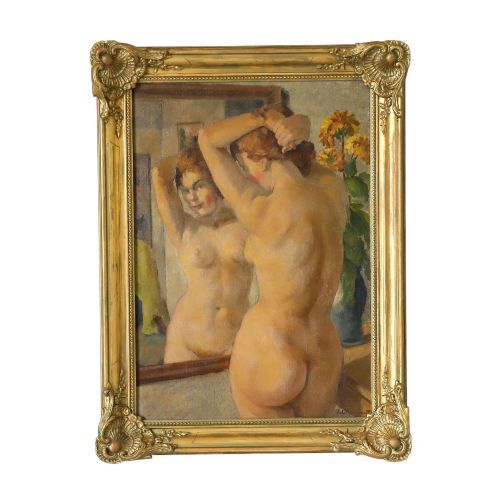
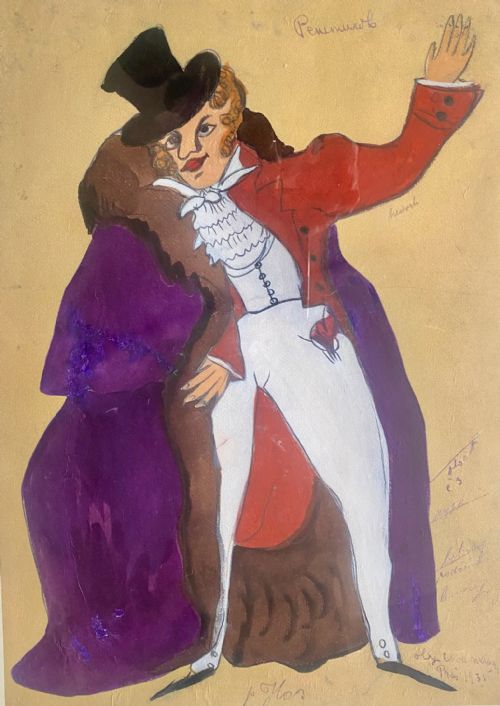
These 1930s figurative painting works capture human forms through varied modernist lenses, offering collectors a direct window into interwar artistic expression.
1930s Figurative Painting
When you search for 1930s figurative painting, you encounter works concentrating on the human form across multiple international schools. The pieces span European modernism, French post-impressionism, British realism, and Balinese modernist traditions.
Most examples on this page are oil paintings on canvas or board, alongside works in pastel, gouache, and watercolour. Subjects range from mythological figures and theatrical scenes to intimate portraits and artist models resting.
Makers and artists represented include Philippe de Rougemont, Olga Choumansky, Margaret Maitland Howard, Henri Vincent-Anglade, Philip Naviasky, Yo Mayer, Usabal y Hernandez, and Donald Wood.
Materials and techniques
Artists painted primarily with oil paint on canvas, board, and wood supports, often framed in gilt wood. Watercolours and pastels on paper or board also appear.
Techniques embrace modernist, surrealist, post-impressionist, and realist approaches, applying ink, gouache, and oil to portray human subjects.
One unexpected interwar item listed is a hand-painted cabinet in the Pre-Raphaelite style.
Judging quality in figurative works
Quality rests in the handling of the human subject, composition, and the distinct stylistic execution of the period. Signed works by documented artists carry clearer attribution.
The condition of the canvas, board, or paper support and the integrity of the original frame influence the standing of each piece.
Philippe de Rougemont·Olga Choumansky·Margaret Maitland Howard·Henri Vincent-Anglade·Philip Naviasky·Yo Mayer·Usabal y Hernandez·Donald Wood
The 1930s Figurative Painting Glossary
- Figurative painting
- Artwork representing the human form or recognizable objects rather than purely abstract shapes. It forms the core category of this search.
- Post-Impressionism
- An artistic movement extending impressionist practices while rejecting its limitations. Painters focused on symbolic content and heavier brushwork.
- Surrealism
- A cultural movement releasing the creative potential of the unconscious mind. Avant-garde examples depict dreamlike and irrational imagery.
- Pastel
- A dry painting medium in the form of a stick, consisting of powdered pigment and a binder. Artists use it on board or paper.
1930s Figurative Painting: Frequently Asked Questions
What defines a 1930s figurative painting?
These works focus on human subjects created during the interwar decades. They incorporate styles ranging from British realism to French post-impressionism.
Artists utilised oil, watercolour, and pastel mediums on canvas, paper, and board supports.
How do I care for these paintings?
Keep works out of direct sunlight to protect pigments from fading. Maintain stable indoor humidity to prevent wood and canvas warping.
Dust frames gently and avoid applying liquid cleaners directly to painted surfaces.
Where were these artworks produced?
The pieces originate from various regions including England, France, Sweden, and Bali. Each location contributed distinct cultural perspectives to figurative art.
European hubs like Paris and Montparnasse fostered bohemian modernist circles.
How are different painting mediums identified?
Oil paintings display thick texture and sheen on canvas or board. Watercolours and pastels present matte finishes on paper or board.
Close inspection under natural light reveals the specific pigment application and support material.