
Vintage Equestrian Art
Vintage equestrian art captures horses, racing, and the hunt through centuries of paintings, prints, and pastels that bring sporting history into the home.
Vintage Equestrian Art
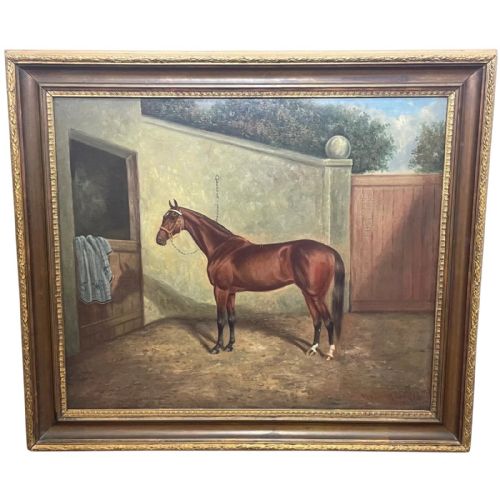
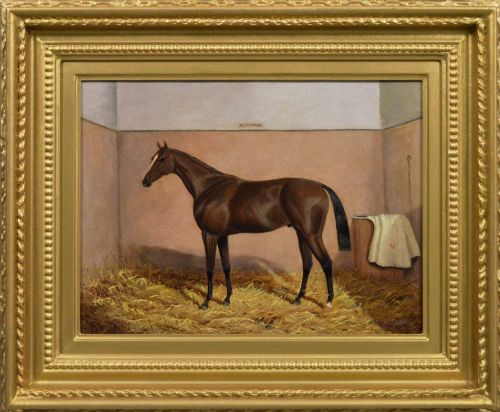
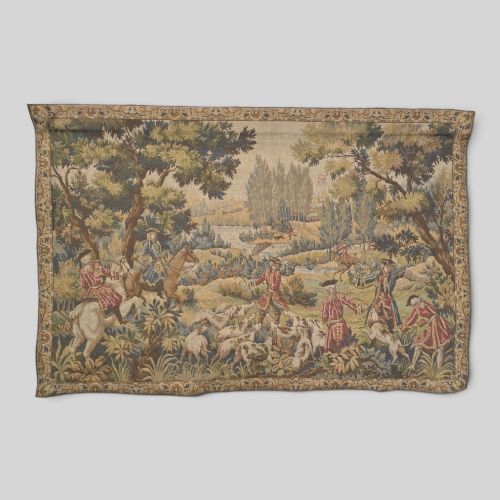
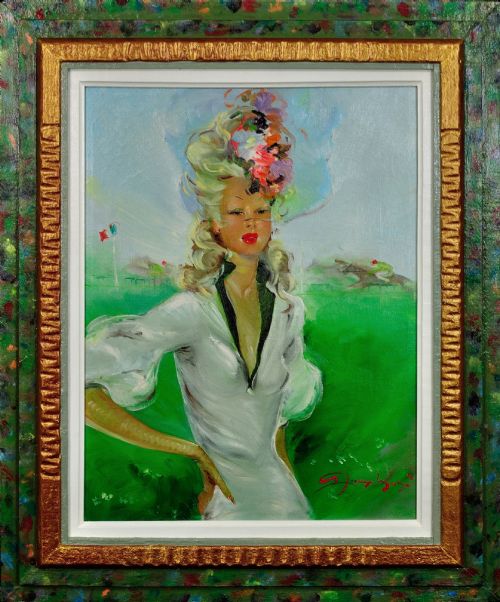
Buyers seeking vintage equestrian art encounter a diverse range of works depicting horses, racing scenes, hunting expeditions, and stable portraits. The pieces span multiple centuries, capturing the enduring appeal of the horse in British and European culture.
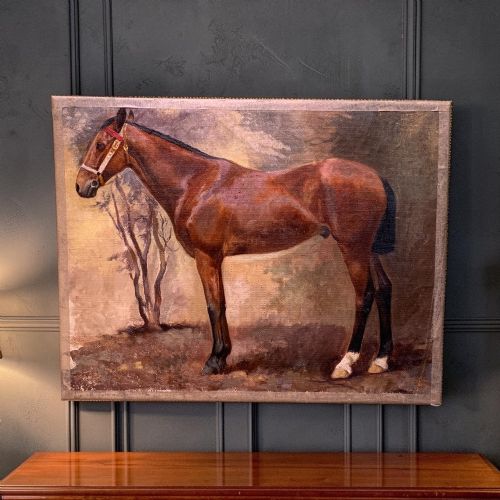
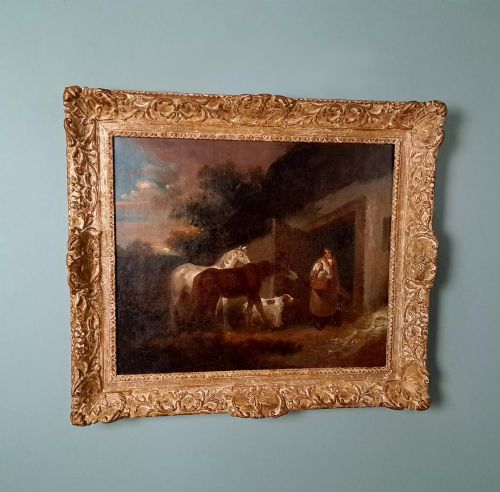
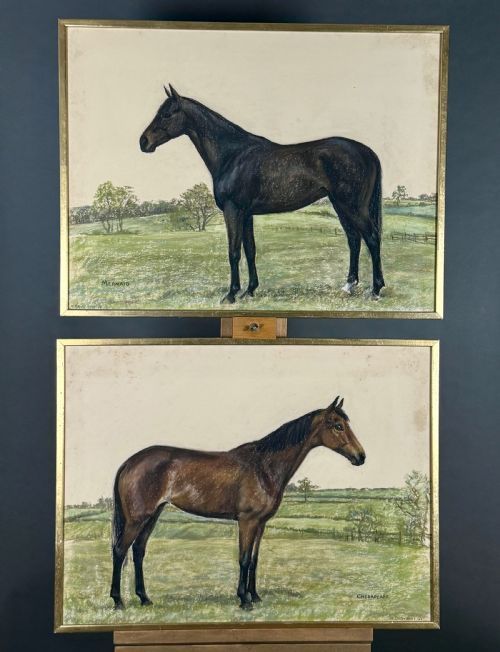
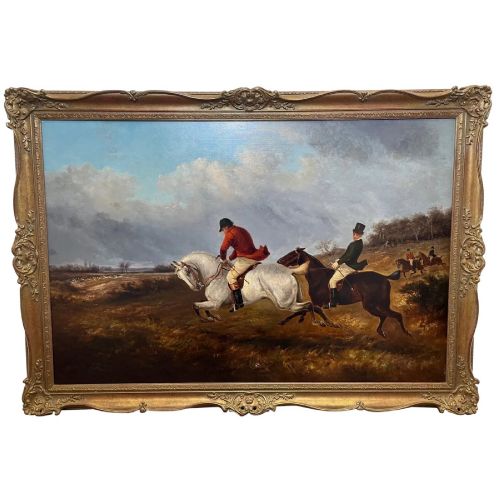
Oil paintings on canvas and panel form a significant portion of the available selection, often presenting detailed studies of named racehorses or hunters. Framed prints, watercolours, and pastels also appear frequently, reflecting different price points and decorative traditions.
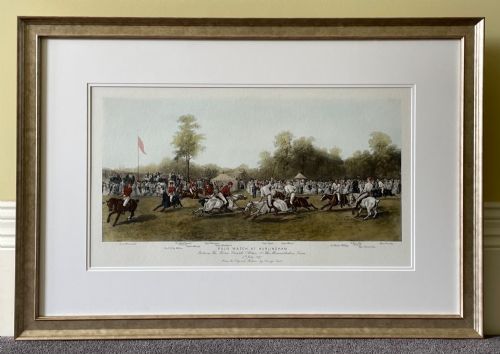
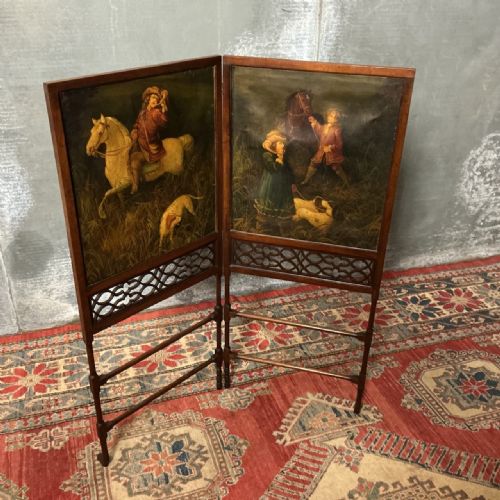
The selection includes works from the Victorian and Edwardian eras alongside mid-century pieces, showcasing shifting artistic approaches to animal anatomy and movement. Whether depicting a polo match or an idle mare in a stable, these works anchor historical sporting traditions.
Materials and techniques
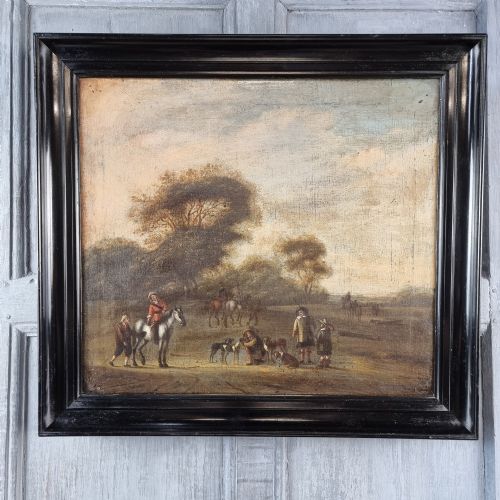
Artists working within this category relied heavily on oil paint applied to canvas or wood panels, building rich textures for coats, saddles, and landscapes. Watercolours and pastels on paper offered a lighter medium for swift studies of horses in motion.
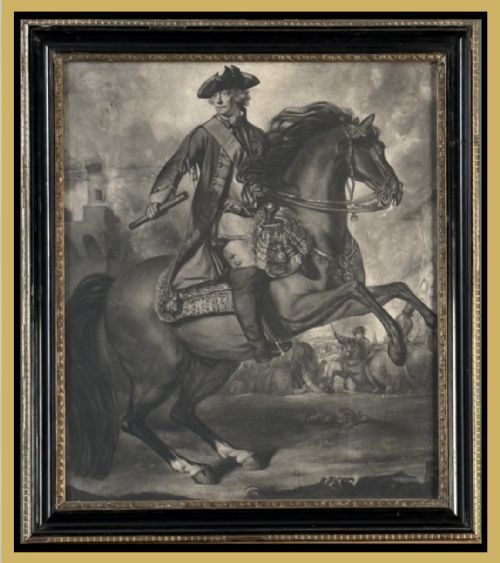
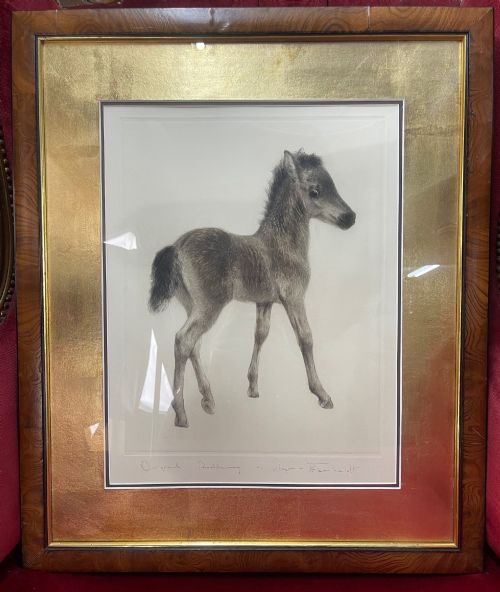
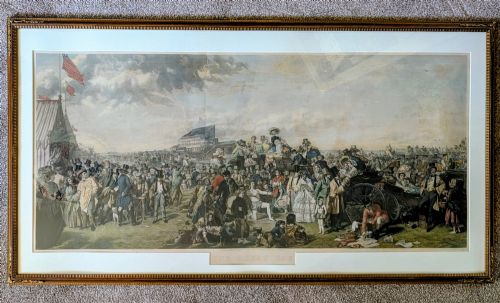
Printmakers utilised lithography, drypoint, mezzotint, and aquatint to reproduce popular sporting images for a broader audience. These printed works were often hand-coloured and paired with traditional wooden and giltwood frames.
Listings feature works spanning from the 17th century through the 1960s, executed in oil, pastel, watercolour, and various print formats.
Factors that distinguish quality
Anatomical accuracy and the convincing depiction of movement separate accomplished animal painters from lesser practitioners. The handling of light on a horse's coat and the depth of the background landscape reveal the artist's foundational training.
The provenance of a work, including identified subjects such as famous racehorses and documented exhibition histories, elevates the significance of a piece. Original works by listed artists command greater attention than mass-produced prints of the same era.
Edward Fisher·Sir Joshua Reynolds·William Joseph Shayer Senior·Kurt Meyer-Eberhardt·William Powell Frith·Thomas Smythe·Frederick Albert Clark·Jean-Gabriel Domergue·George Finch Mason·George Wright·William Albert Clarke·Henry Barraud·Fred Fitzpatrick·C. H. Weigall·Ernest Payne·Albert Clark·Vernon DeBeauvoir Ward·Philip Rideout·Edwin Henry Landseer
The Vintage Equestrian Art Glossary
- Aquatint
- A intaglio printmaking technique that produces areas of tone resembling watercolour washes. It was frequently used in sporting prints to render soft atmospheric effects.
- Drypoint
- A printmaking process where an image is scratched directly onto a metal plate with a sharp needle. This creates a distinctive velvety line when inked and printed.
- Mezzotint
- A tonal printmaking method allowing smooth gradations of light and shade. It gained popularity for reproducing grand portraits of historical figures and horses.
- Giltwood
- Wood that has been coated with a thin layer of gold leaf. Frames finished in this manner are common on nineteenth-century oil paintings.
Vintage Equestrian Art: Frequently Asked Questions
How do I identify the age of vintage equestrian art?
Examination of the framing materials, paper acidity, and canvas stretcher construction often reveals the period of creation. Signatures, dates, and stylistic markers tied to Victorian or Edwardian conventions provide further clues.
Historical records and artist registries help narrow down the active years of painters and printmakers represented in the work.
Are these pieces original paintings or reproductions?
The category encompasses both unique original works, such as oil paintings and pastels, and period print reproductions. Medium specifications within each listing clarify whether an item is hand-painted or a printed edition.
Closer inspection with a magnifying glass can reveal the dot patterns of later reproductions versus the brushstrokes or plate marks of vintage pieces.
How should I display vintage horse paintings at home?
Equestrian art traditionally suits studies, libraries, and living rooms, often paired with traditional architectural details like wood panelling. Hanging works away from direct sunlight protects oil paints and works on paper from fading.
Ensuring stable room humidity prevents the cracking of old canvas and warping of original wooden frames.
What subjects are most common in equestrian art?
Portraits of named racehorses, hunters, and stable yards dominate the painted works from the nineteenth and early twentieth centuries. Hunting scenes and polo matches also feature prominently in both paintings and prints.
Artists frequently focused on capturing the specific conformation and character of individual animals rather than generic representations.