

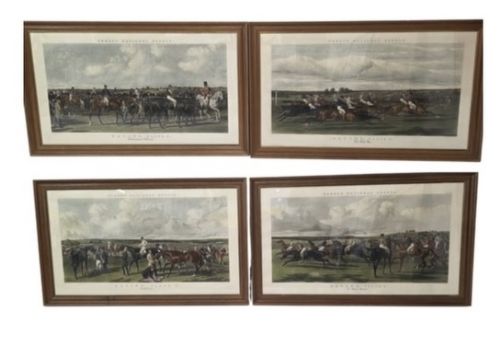

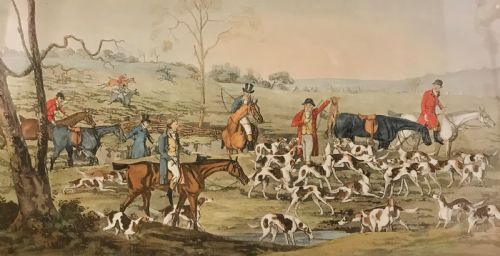
Antique Horse Picture
An antique horse picture captures the strength and character of the animal through centuries of painting, drawing, and printmaking.
How they were made
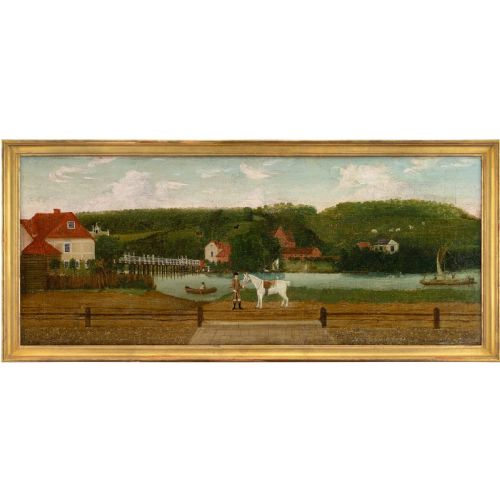
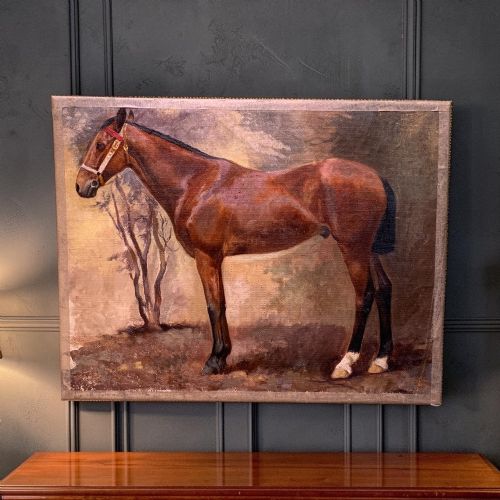
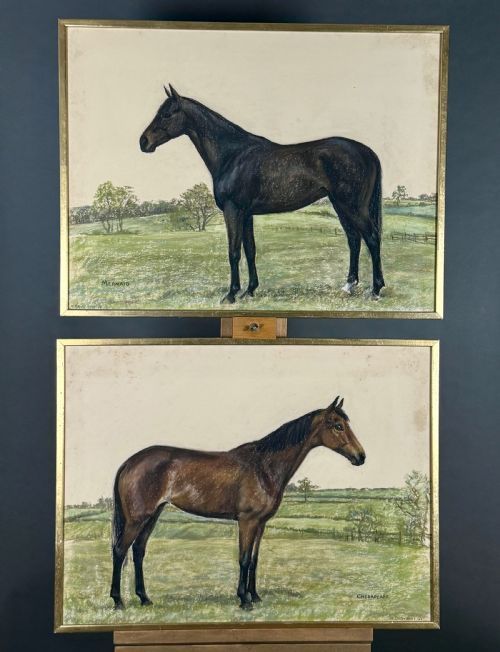
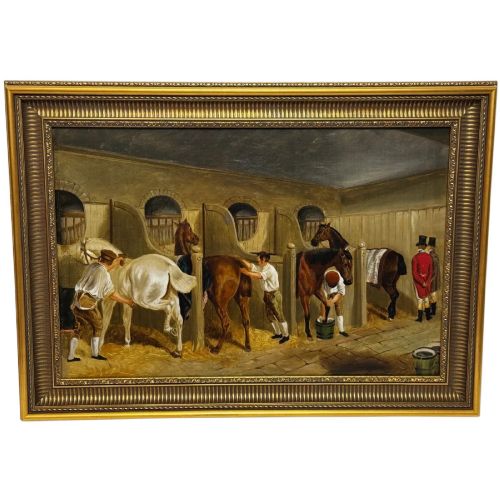
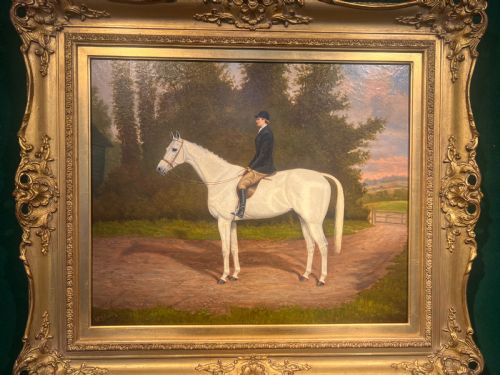
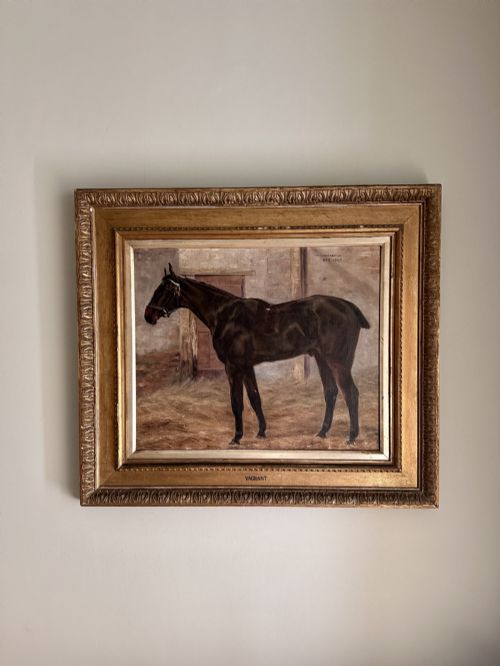
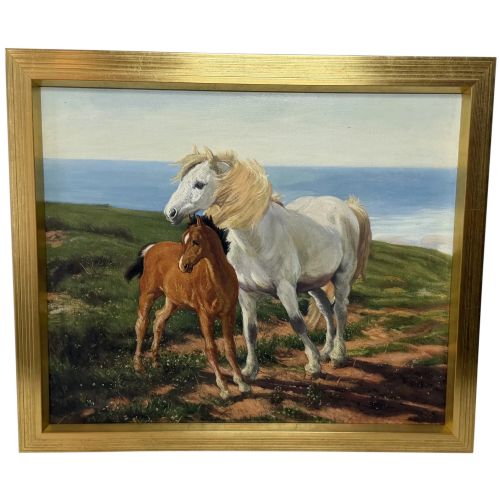
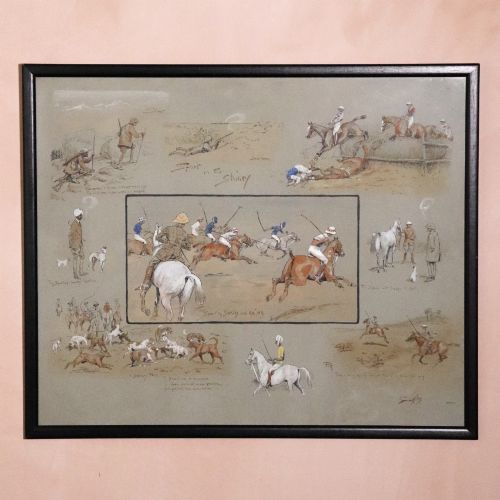
Artists utilised oil on canvas or pine panel for substantial portraits, building rich layers of pigment to capture the sheen of a bay or grey coat. Watercolours and chalk drawings on paper or card provided a more immediate medium for field studies and lighter sketches.
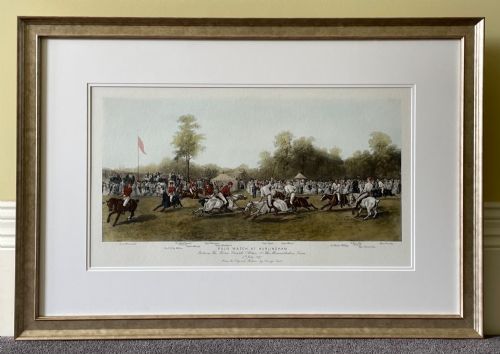
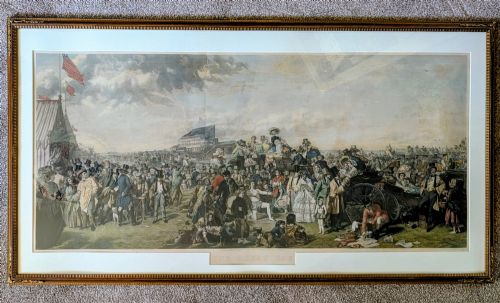
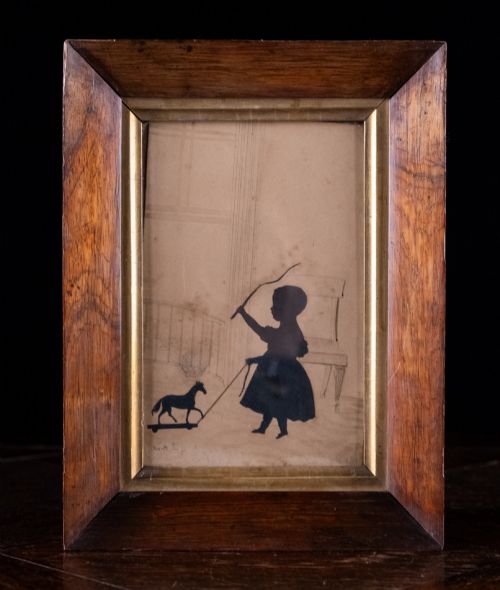
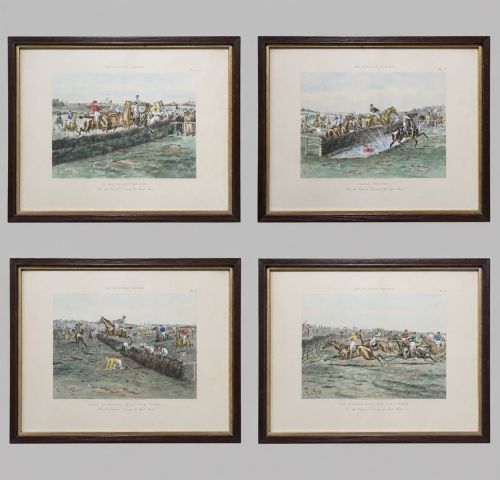
Printmakers employed lithography, aquatint, and engraving techniques to reproduce popular sporting art for wider distribution, often hand-colouring the finished sheets. Reverse painting on glass and delicate silk needlework offered alternative methods for depicting equestrian themes.
Frames were constructed from wood, frequently finished with giltwood gesso or simple walnut mouldings, designed to protect and present the paper or canvas securely.
What varies in quality
Anatomical accuracy and proportion separate standard decorative prints from superior works by accomplished equine artists who understood the mechanics of a horse in motion. The handling of light on muscle and coat texture distinguishes a master oil painting from a routine studio piece.
The strength of the provenance and a clear attribution to a recognised painter or publisher add historical weight to a work. Condition of the underlying paper or canvas, alongside the survival of an appropriate period frame, influences the integrity of the piece.
Several horses depicted in these works retain famous nineteenth-century racing records, outliving their human jockeys in lasting notoriety.
Fred Fitzpatrick·John Ferneley Senior·John Frederick Herring Snr·Basil Nightingale·William Williams
The Antique Horse Picture Glossary
- Aquatint
- A printmaking technique that produces tonal areas resembling watercolour washes. It was frequently used for sporting and racing series.
- Giltwood
- Wood carved and coated with gold leaf or gilt paint. This finish is commonly found on frames housing nineteenth-century oil paintings.
- Eglomise
- The process of applying gold or silver leaf to glass combined with painting on the rear face. It creates a reflective, decorative surface.
- Lithograph
- A planographic printing process using a stone or metal plate. Nineteenth-century examples often depicted hunting and racing scenes.
- Provenance
- The documented history of ownership of an artwork. It traces the piece from its creation to the present day.
Antique Horse Picture: Frequently Asked Questions
How do I care for an antique paper print?
Keep works on paper away from direct sunlight to prevent fading of the pigments and yellowing of the sheet. Ensure they are hung in rooms with stable humidity levels to protect the paper and framing.
Are these works original or reproductions?
The selection includes original hand-painted oils and watercolours alongside period prints and engravings published in the nineteenth and early twentieth centuries. Each listing details the specific medium and period of production.
How do I identify the age of a frame?
Period frames often feature hand-carved gesso details, older corner joins, and aged backing boards that correspond with the date of the artwork. Examining the construction methods and nails can help confirm the age.
What subjects are most common?
Portraits of named hunters and racehorses dominate, alongside bustling coaching scenes, hunting meets, and pastoral farmyard views. These reflect the aesthetic and sporting interests of the nineteenth and early twentieth centuries.