

Vintage Horse Portrait Painting
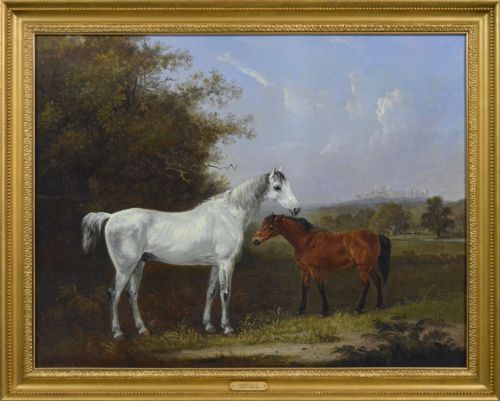
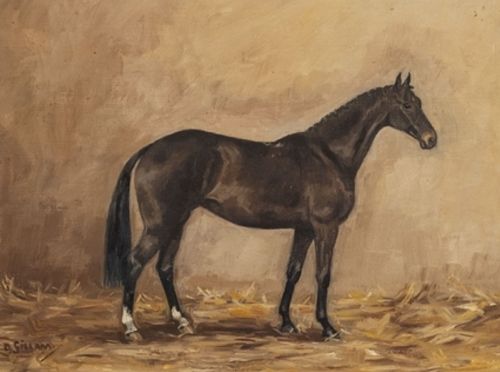
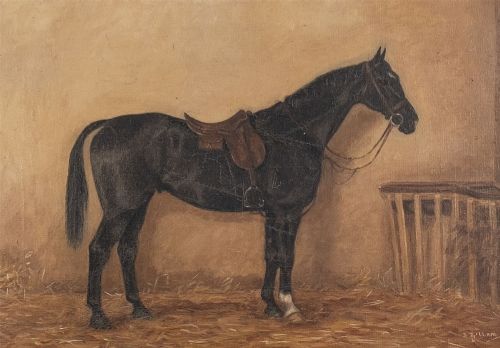
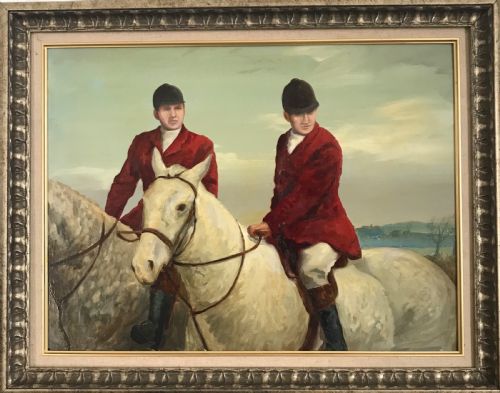
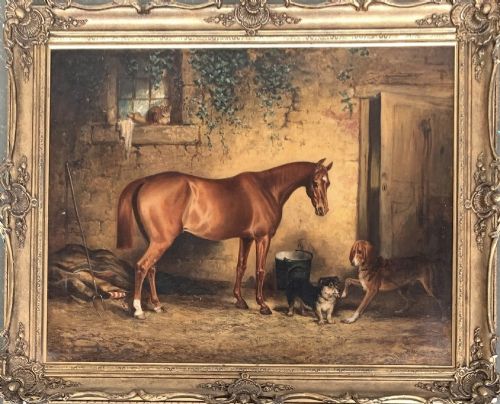
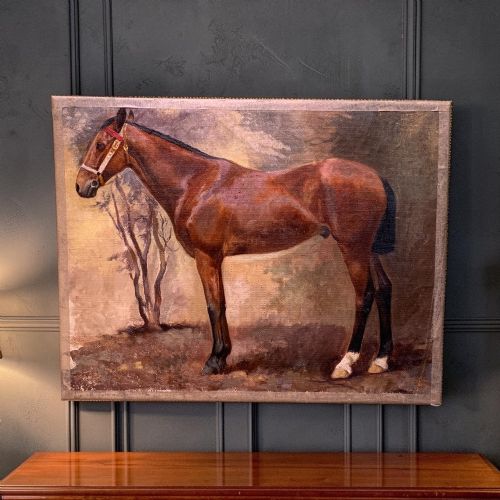
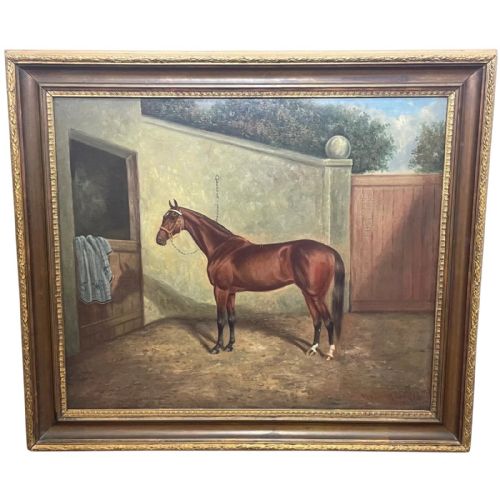
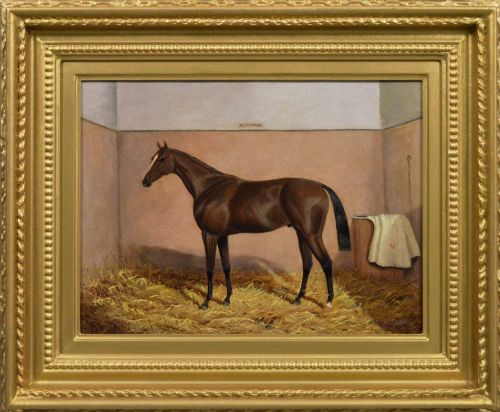
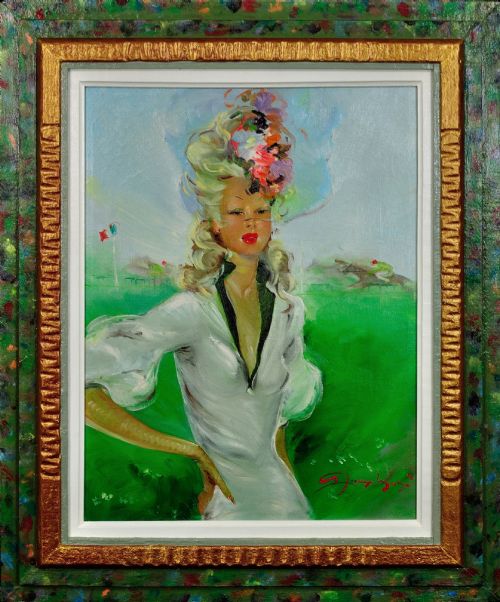
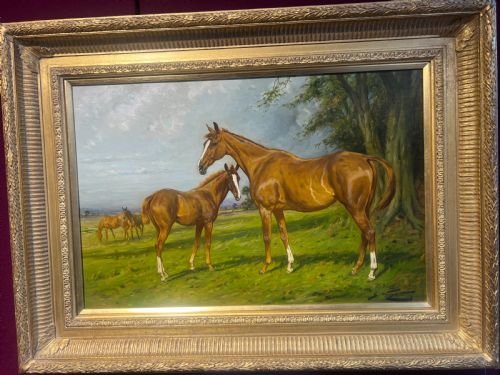
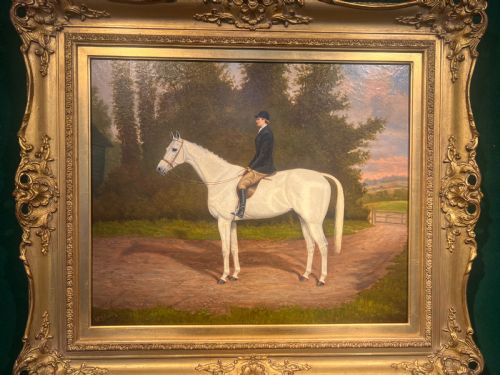
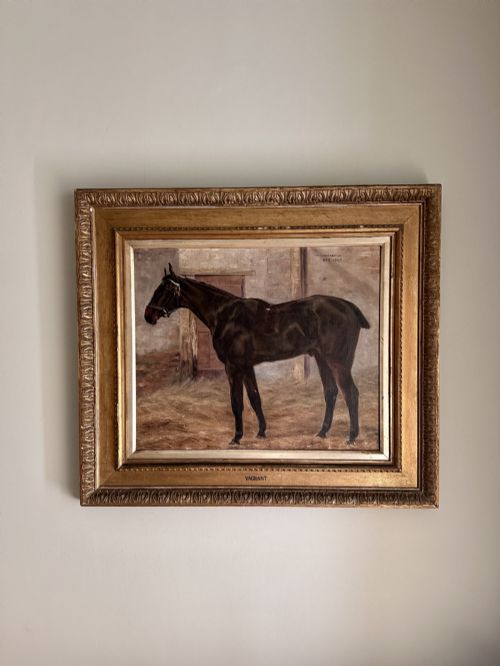
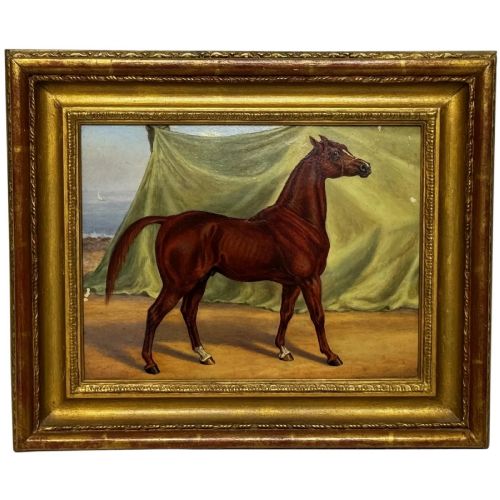
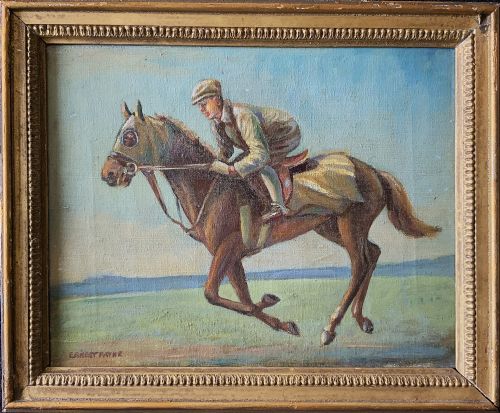
When you search for a vintage horse portrait painting, you find works capturing notable equines, hunters and stable subjects across British and European traditions.
Vintage Horse Portrait Painting
A vintage horse portrait painting records celebrated racehorses, stable favourites and farm animals across centuries of British and European equestrian art. These pieces range from formal studies of named champions like Spion Kop and Persimmon to broader rural scenes featuring ploughing teams, bay hunters and grey mares.
The works on this page span from the Georgian and Victorian periods through the Edwardian era into the mid-twentieth century, encompassing both oils on canvas and pastel studies on paper. Collectors encounter everything from detailed sporting art by named painters to atmospheric portrayals of horses in stables and landscapes.
Materials and techniques
Painters relied primarily on oil paint applied to canvas, wood panels or pine boards to build up rich coats and musculature in these equine studies. Artists utilised layered glazes and fine brushwork to capture the sheen of a bay coat or the grey dapples of a shire horse.
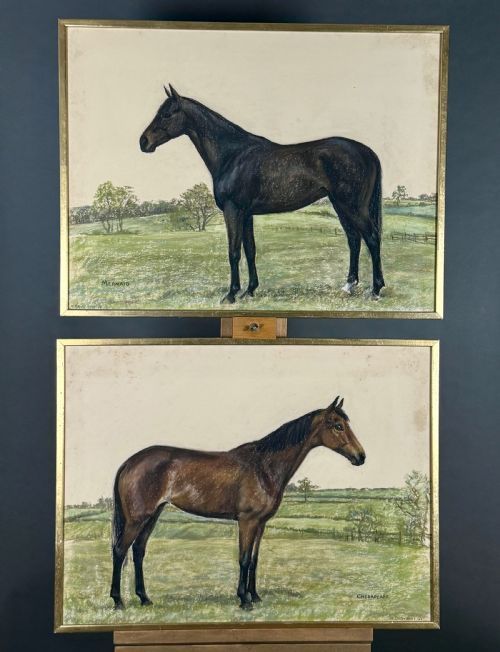
Alternative mediums include pastel and watercolour on paper, often preserved beneath glass within period giltwood frames. Panel supports of wood or pine provide a rigid surface for earlier 18th and 19th-century compositions.
Listings feature works spanning the 18th, 19th and 20th centuries, executed in oil paint, pastel and watercolour.
Judging quality and execution
Quality rests upon the artist's anatomical accuracy in rendering the horse's bone structure, muscle definition and posture. Superior examples display a nuanced understanding of equine temperament and movement rather than a stiff likeness.
The depth of the background and the integration of the animal into its environment distinguish finer canvases from simpler decorative studies. Original frames in giltwood also contribute to the integrity and period feel of the piece.
Henry Barraud·Frederick Albert Clark·George Wright·Thomas Walker Bretland·Basil Nightingale·William Williams
The Vintage Horse Portrait Painting Glossary
- Bay
- A horse coat colour characterised by a reddish-brown body with black mane, tail and lower legs. This shade appears frequently in 19th-century equine art.
- Giltwood
- Wood that has been coated with gold leaf or a gold-coloured finish. Many vintage frames utilise this decorative treatment.
- Equestrian
- Relating to horse riding or horse art. The term covers sporting paintings, racing scenes and individual portraits.
- Provenance
- The documented history of ownership of a work of art. Certain pieces retain labels pointing to past exhibitions or notable estates.
Vintage Horse Portrait Painting: Frequently Asked Questions
How do I identify a vintage horse portrait painting?
Examine the materials, support and framing style to determine the likely era of creation. Signatures, dates and inscriptions on the reverse often name the horse or artist.
Compare the anatomical style and clothing of any human figures with known periods of British sporting art to narrow down the decade.
Where were these equine portraits originally displayed?
Wealthy patrons, breeders and stable owners hung these artworks in country houses, estate offices and hunting lodges. They celebrated specific racing triumphs, prized hunters or beloved family animals.
Later mid-century examples often decorated domestic interiors with a taste for traditional equestrian subjects.
How should I care for an antique oil painting?
Keep the artwork away from direct sunlight, extreme temperature fluctuations and high humidity to protect the canvas and oil paint. Avoid hanging pieces above active fireplaces where soot and heat can damage the surface.
Dust the canvas gently with a soft, dry brush and leave professional cleaning to a conservator.
What is the difference between a racehorse study and a hunting painting?
Racehorse studies typically focus on a single named winner, often depicted with a jockey or trainer in a stable setting. These works emphasise pedigree and sporting achievement.
Hunting paintings incorporate hounds, riders and wider rural landscapes to capture the narrative action of the chase.