
Vintage English Wall Clock
A vintage english wall clock brings practical timekeeping and historic character into a room, spanning dial clocks, railway pieces and robust round faces.
Vintage English Wall Clock
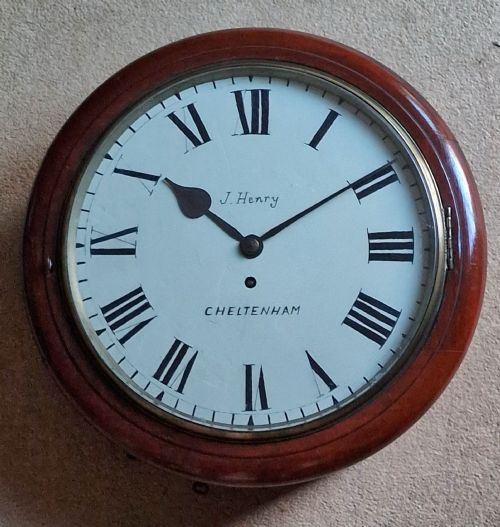
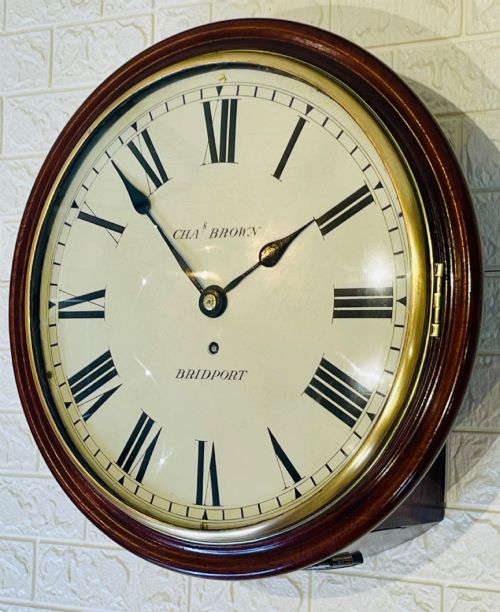
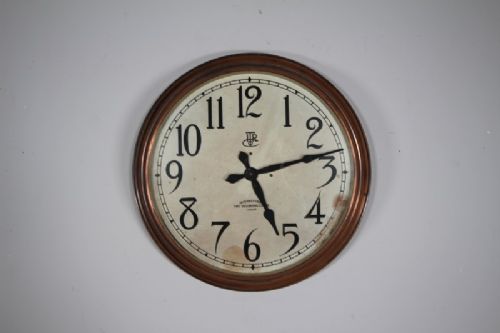
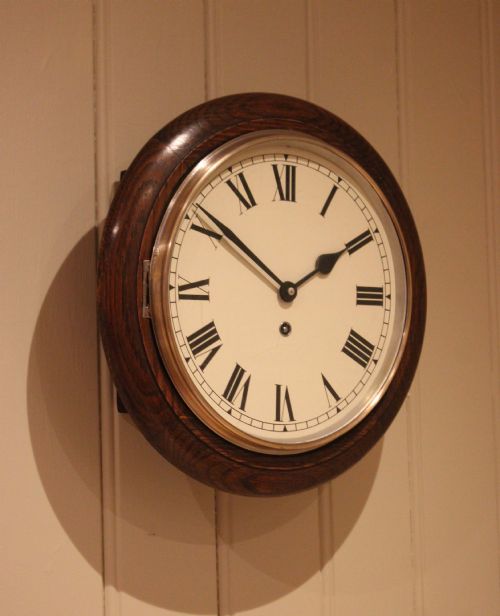
A vintage english wall clock encompasses timepieces designed for domestic, commercial and transport use, running from the Georgian period through the Victorian era and into the nineteen-thirties. Buyers searching for a vintage english wall clock encounter dial clocks with wooden surrounds, school and station pieces, and robust industrial designs intended for public visibility.
The selection here draws heavily on round dial formats created for railways, factories and offices, housed in mahogany, oak or rosewood cases. Fusee movements predominate in the nineteenth-century examples, while later pieces adopt lever escapements or electric movements, reflecting shifts in British horology over successive decades.
How They Were Made
Clockmakers housed movements in sturdy timber cases turned or joined from mahogany, oak, beech, walnut and rosewood, protecting delicate internal gears behind glass bezels and brass bezels. Painted metal dials with clear numerals ensured legibility across large station platforms and factory floors.
Internal mechanics rely on brass wheels, steel pivots and chain or fusee drives designed to maintain even power delivery as the mainspring unwound. Early examples utilise verge escapements or hook and spike mountings, while later twentieth-century models incorporate chiming mechanisms and pendulum regulation.
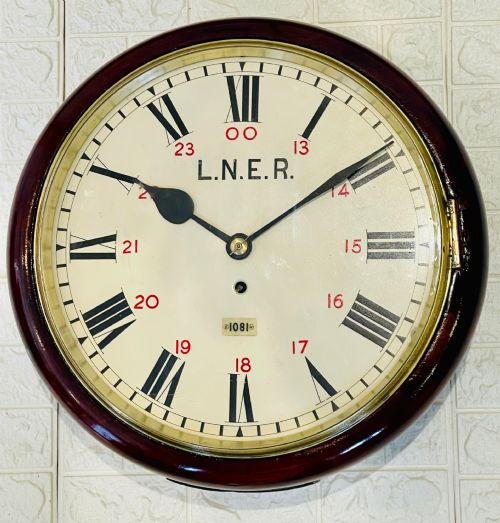
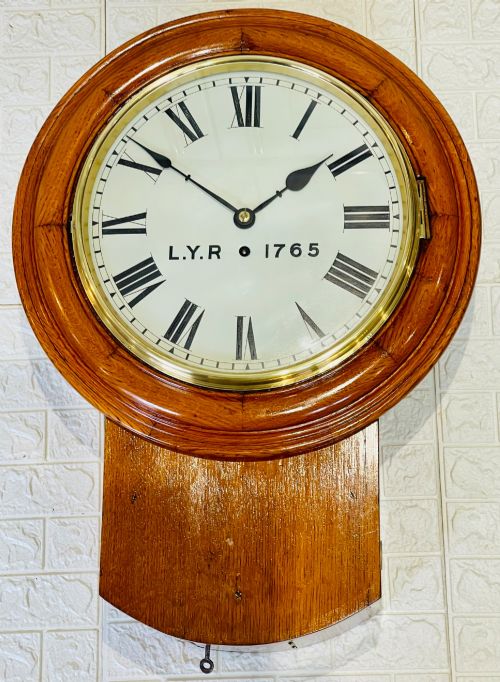
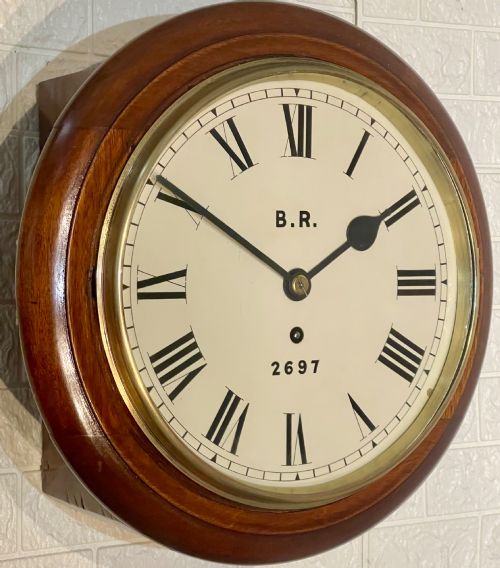
Some railway clocks bear the initials of companies like the L.N.E.R., recording a time when punctuality was enforced by steam and brass.
What Varies In Quality
Distinction across these timepieces lies in the precision of the dial painting, the crispness of the timber carving and the complexity of the movement itself. Single fusee movements differ from twin fusee or striking variations that require intricate bell or chime integration.
Originality of the dial, case timber and hands elevates a piece, as does documented provenance linking a clock to specific railway companies, regional stations or known makers. The integrity of the timber housing and the preservation of original bezels separate standard utility clocks from finer horological examples.
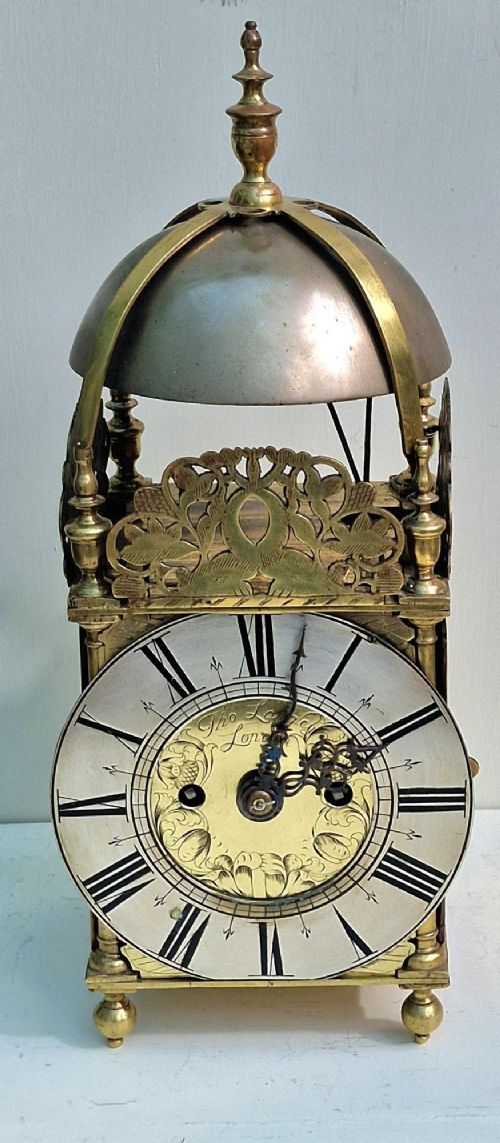
Thomas Langley·John Spershott·Thomas Hedge·John Walker·Benj Reeves Lamberhurst
The Vintage English Wall Clock Glossary
- Fusee
- A conical pulley used in spring-driven clocks to equalise the torque of the mainspring as it winds down. This mechanism helps the clock maintain consistent timekeeping throughout its run.
- Drop dial
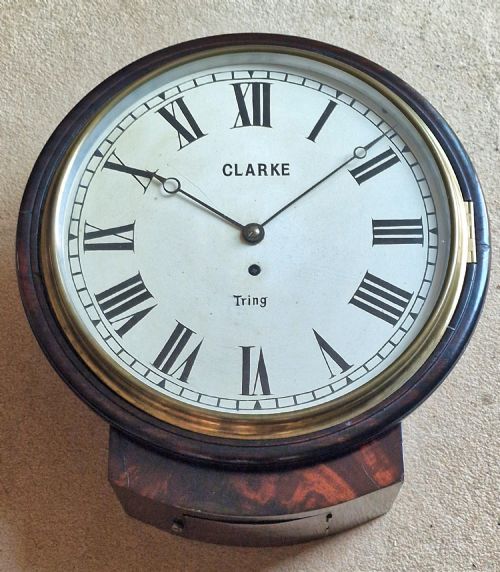
- A clock case featuring a round dial at the top and an extended lower trunk, often housing a pendulum. This form became common in offices, schools and railway stations.
- Verge escapement
- An early type of escapement mechanism controlling the release of the gear train. It works with a crown wheel to regulate the movement of the hands.
- Dial clock
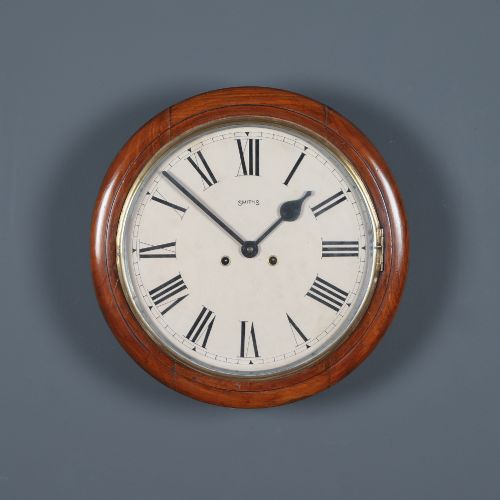
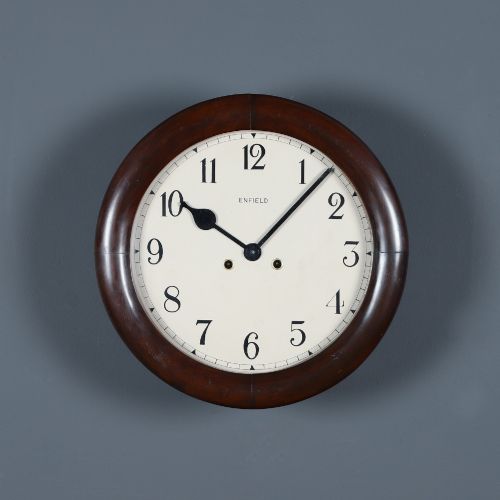
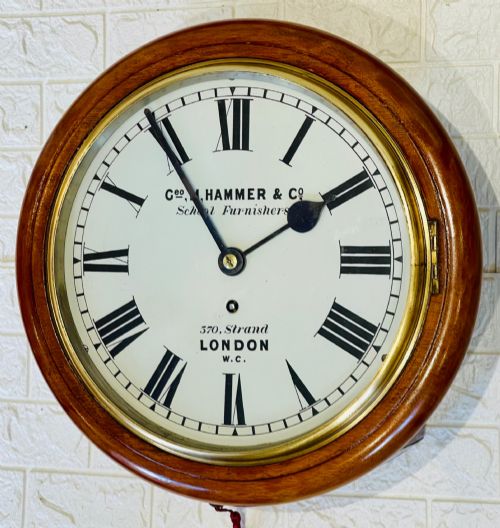
- A wall-mounted clock characterised by a prominent circular face and a shallow case behind. These pieces were built for functional visibility in public and working spaces.
- Aneroid barometer
- An instrument measuring atmospheric pressure without liquid, often paired with thermometers in wood-cased wall units. They use a flexible metal box that expands or contracts with weather changes.
Vintage English Wall Clock: Frequently Asked Questions
How do fusee wall clocks work?
A fusee movement uses a specially shaped cone pulley connected to the mainspring by a chain or cord. As the spring loses tension, the chain moves to a wider part of the cone to maintain steady power.
This clever mechanical design ensures the clock maintains consistent timekeeping from the moment it is fully wound until it needs attention again.
Where were dial clocks used originally?
These round-faced clocks served as essential timekeepers in railway stations, schools, offices and factories across Britain. Their clear painted dials and robust timber cases were built to withstand busy public environments.
Today, those same qualities make them practical for domestic spaces where reliable timekeeping and historic presence are valued.
How do I hang a heavy wall clock?
Due to solid wood cases and heavy brass movements, these clocks require secure mounting directly into wall studs or masonry using appropriate fixings. Hanging them from a sturdy screw or bracket ensures the pendulum swings freely without catching.
Level placement on the wall is crucial for the escapement to beat evenly and keep correct time.
What is a drop dial clock?
A drop dial clock combines a circular upper face with an extended lower wooden case that protects the pendulum and weight drop. This regional British layout became popular during the nineteenth century for commercial and domestic interiors.
The extended case adds visual balance and accommodates the longer drop needed for weight-driven or fusee movements.