


Vintage English Ceramics
Vintage english ceramics bring together centuries of earthenware, porcelain, and stoneware shaped by generations of potters.
Vintage English Ceramics
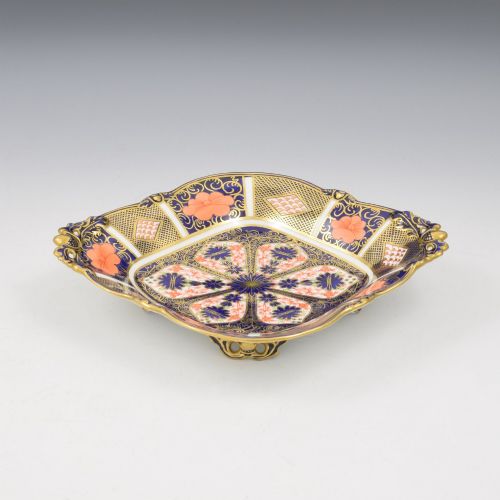
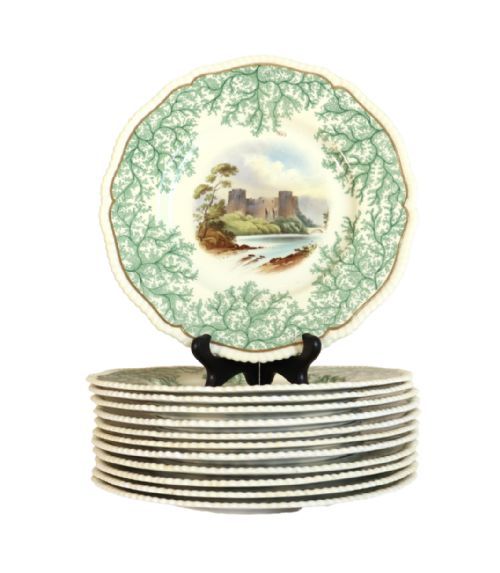
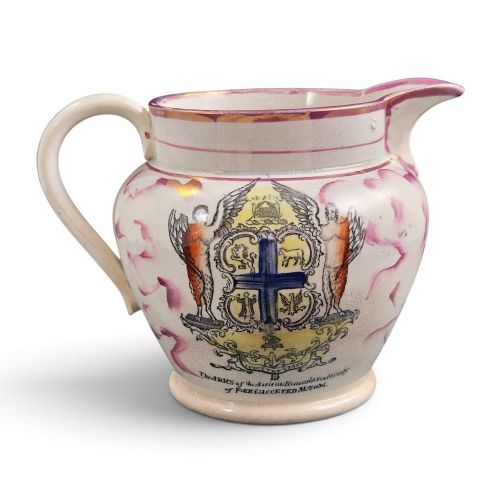
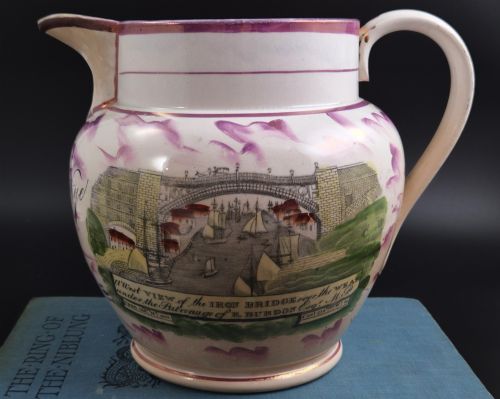
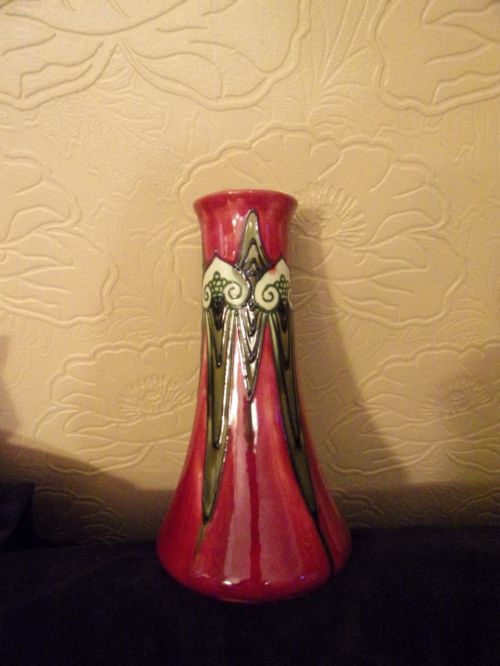
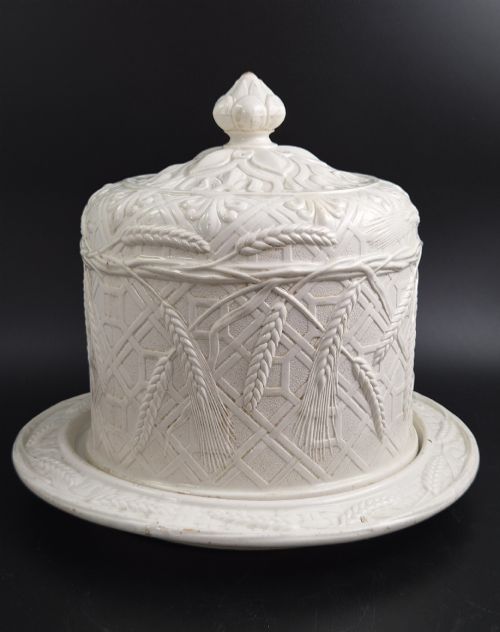
Vintage english ceramics encompass a diverse range of items produced across the British Isles, spanning centuries of evolving taste and utility. When exploring vintage english ceramics, buyers encounter everything from utilitarian dairy pails and cheese domes to delicate cabinet plates and exhibition vases.
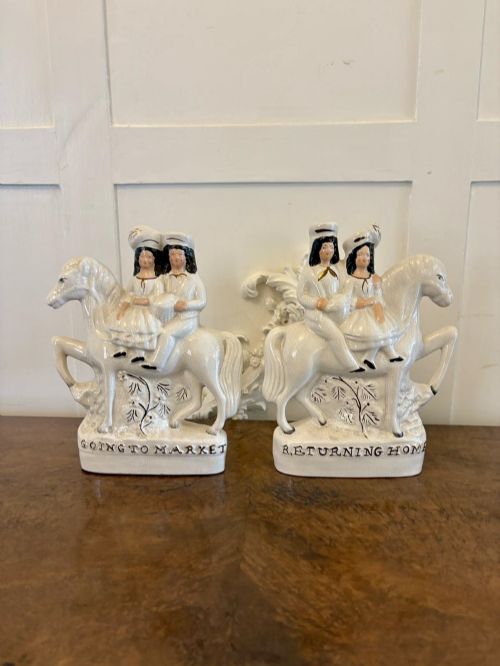
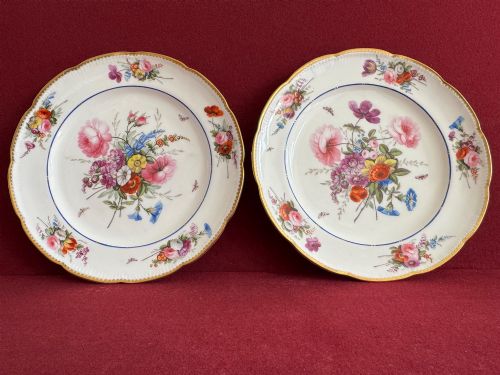
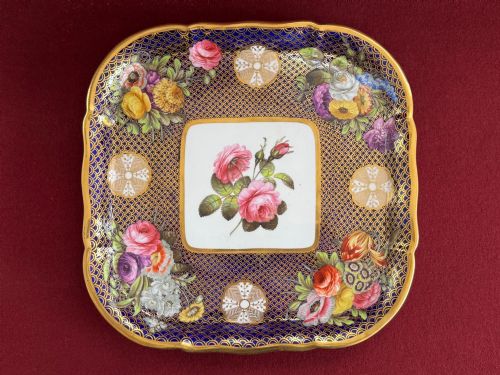
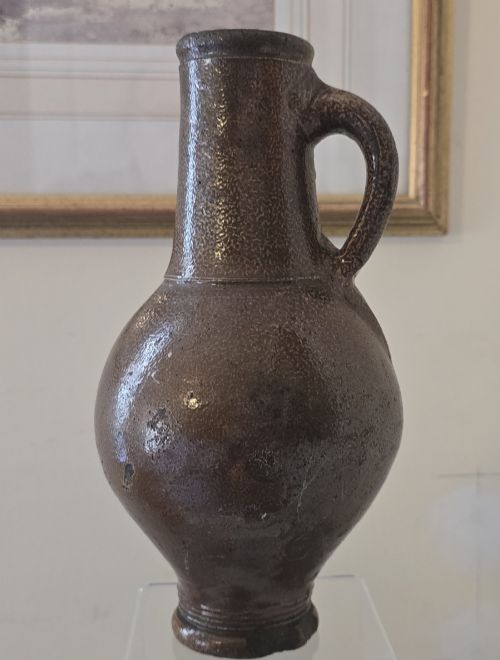
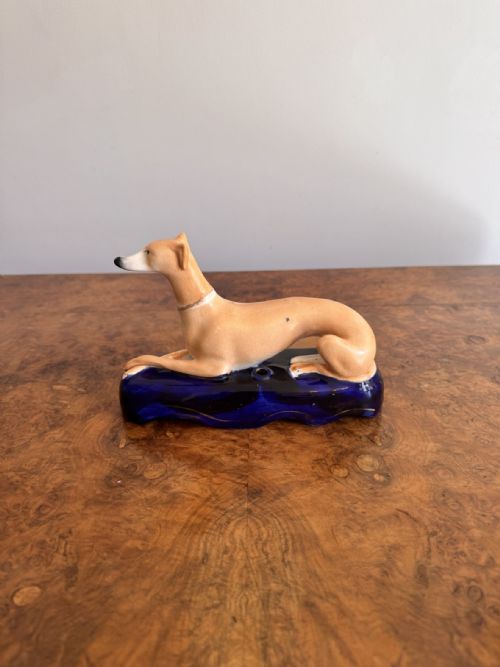
The selection reflects both domestic household items and ornamental pieces created for display. Forms include decorative jugs, chambersticks, dessert services, and figurative works originating from renowned potteries and regional kilns.
Pieces originating from the nineteenth and early twentieth centuries dominate the selections available. These include items influenced by Georgian, Victorian, Edwardian, and Art Deco aesthetics.
Materials and production methods
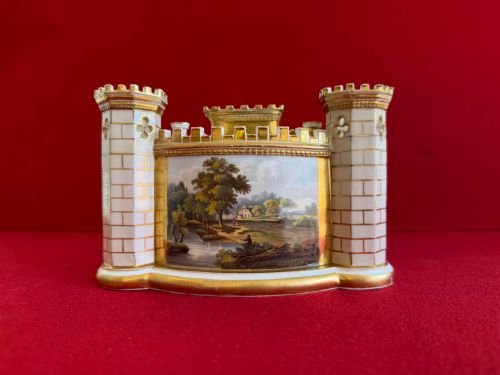
Makers utilised earthenware, bone china, and porcelain as the primary foundations for their creations. Glazes, enamel, and gold leaf were applied to add colour and protective layers to the fired clay.
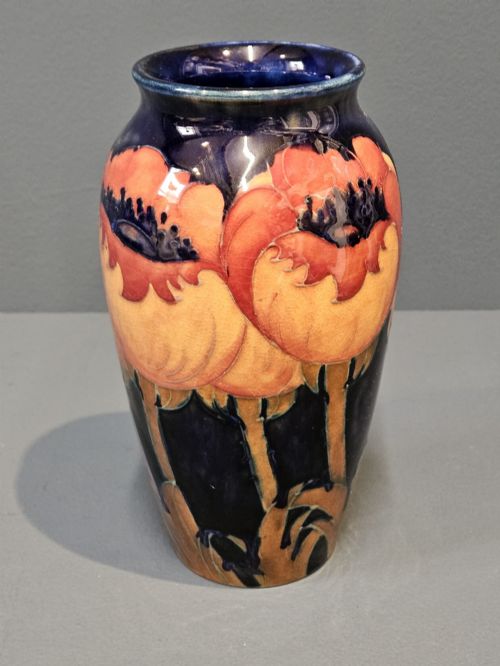
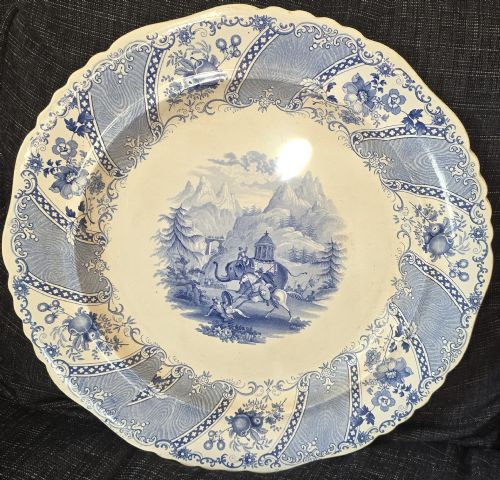
Decoration techniques involved hand-painted floral motifs, transfer printing, and tube lining to raise designs above the surface. Stoneware vessels relied on high-firing temperatures to achieve durability for practical domestic tasks.
Some nineteenth-century cellars stored their bottled wines with ceramic bin labels reading hock, sherry, or claret.
Assessing quality and craftsmanship
Quality rests upon the precision of the hand-painting, the clarity of the transfer print, and the fineness of the ceramic body. Superior examples display crisp details in moulded elements and careful application of gilding or enamel.
The reputation of the pottery and the skill of the individual decorator dictate the standing of a piece within its category. Signed works and items produced during specific exhibition periods command greater attention from collectors.
Spode·Minton·Royal Doulton·Royal Crown Derby·Coalport·Grainger Worcester·Royal Worcester·Wedgwood·Hicks And Meigh
The Vintage English Ceramics Glossary
- Earthenware
- Porous pottery fired at lower temperatures, typically requiring a glaze to achieve water resistance.
- Bone china
- A type of porcelain incorporating animal bone ash, producing a strong, milky-white body with high translucency.
- Ironstone
- A heavy, durable type of earthenware patented in the nineteenth century to rival true porcelain.
- Tube-lining
- A decorative technique where liquid clay is squeezed through a nozzle to outline patterns before glazing.
- Majolica
- Pottery glazed with opaque tin enamels and painted with bright metallic oxide colours.
Vintage English Ceramics: Frequently Asked Questions
How do I clean antique ceramics safely?
Wash pieces by hand in warm water using a mild, non-abrasive detergent.
Avoid soaking items with gold leaf, enamel decoration, or historic repairs to protect the fragile surfaces.
Can I use these plates for dining?
Many nineteenth-century plates were designed for decorative display or formal dessert services rather than daily meals.
Check the glaze condition and body type before serving food, as older earthenware can absorb liquids over time.
How do I identify the period of a piece?
Look for factory backstamps, impressed marks, and registration numbers stamped into the base of the ceramic.
Stylistic cues such as Victorian relief moulding or Art Nouveau tube-lining also point toward specific decades.
What is ironstone and is it fragile?
Ironstone is a dense, robust ceramic material developed to withstand heavy daily use in nineteenth-century households.
While tougher than delicate bone china, it can still chip or crack if dropped against hard surfaces.