





Vintage Enamel Vessels
Vintage enamel vessels combine glass, metal and ceramic surfaces with enduring colour, offering functional display pieces for the home.
Vintage Enamel Vessels
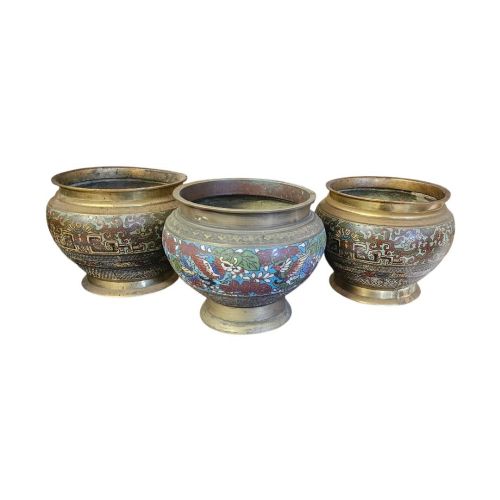
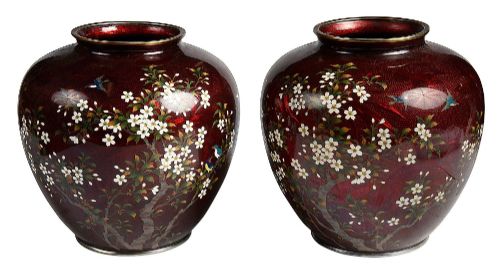
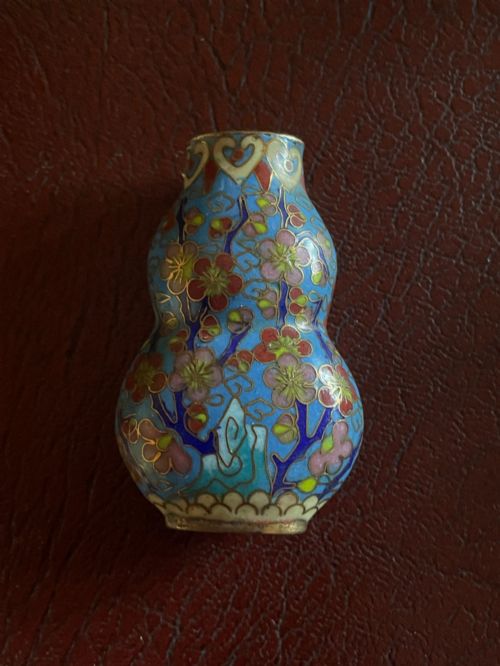
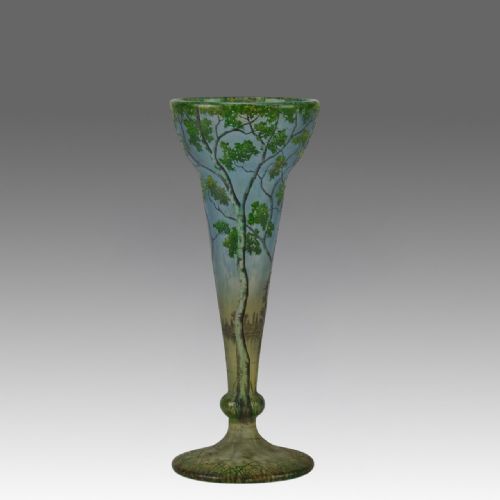
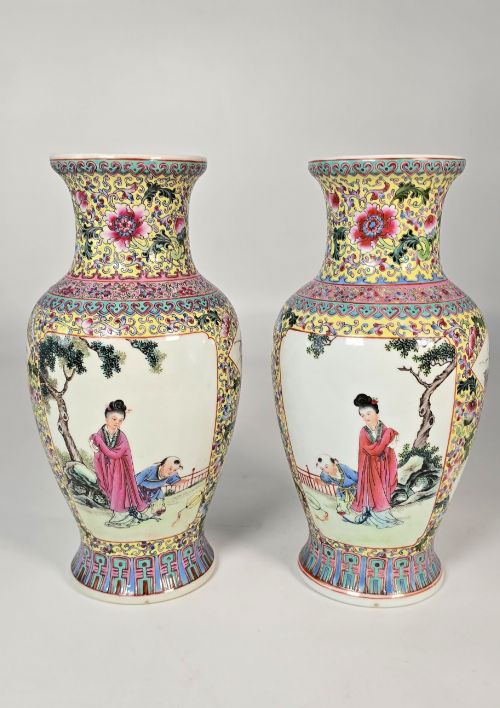
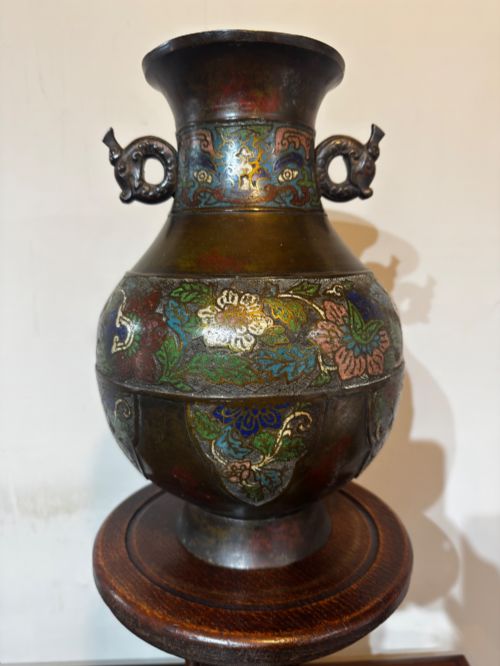
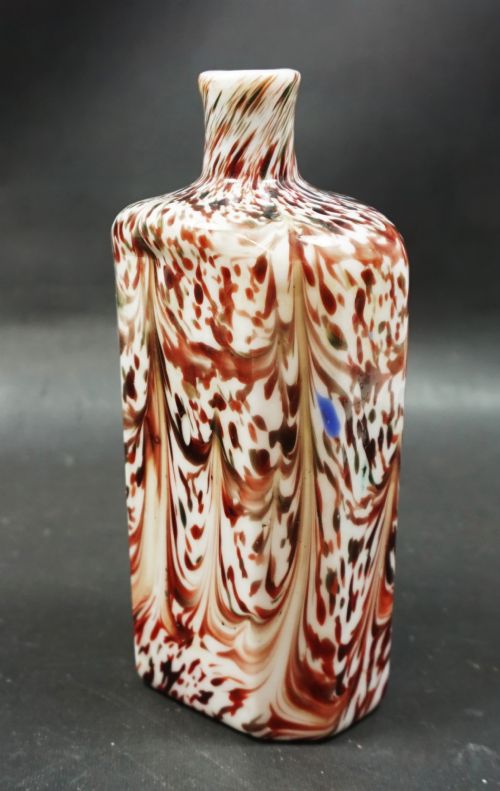
When searching for vintage enamel vessels, you encounter a diverse range of objects spanning the nineteenth and twentieth centuries, including vases, decorative bowls, jardinières and scent bottles. These pieces originate from distinct design traditions such as Chinese bronze and cloisonné work, Japanese Meiji period craft, and European glassmaking houses.
Materials and construction methods
Maker techniques involve fusing powdered glass to metal, glass or ceramic substrates through high-temperature firing. Cloisonné and champlevé methods utilise wire or cast metal cells to hold the coloured enamel paste before firing and polishing.
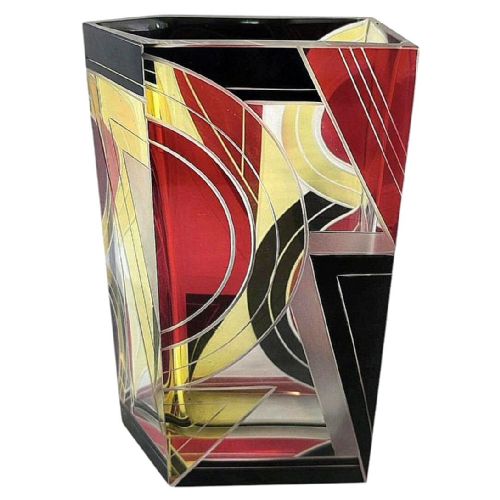
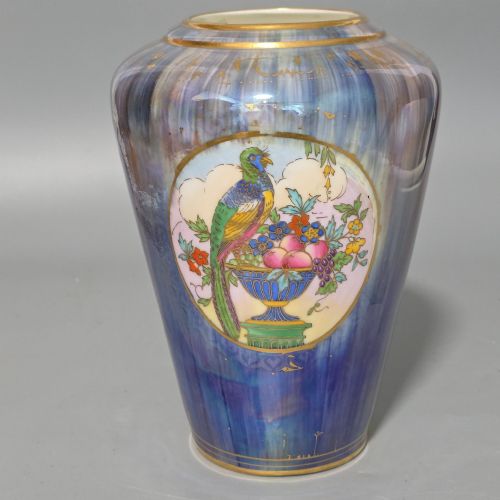
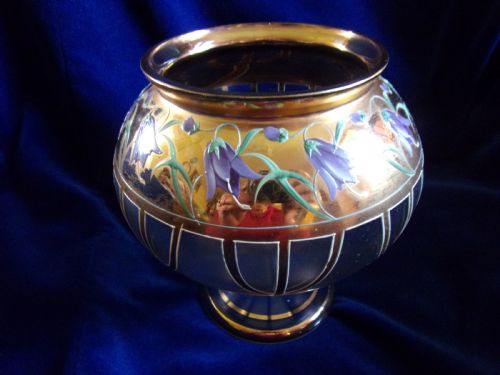
Glass vessels employ surface enamelling, cameo carving, and etching techniques to apply decorative scenes or geometric motifs directly onto the blown material. Bronze, copper, brass, silver and porcelain serve as the structural foundations for these enamelled and gilded finishes.
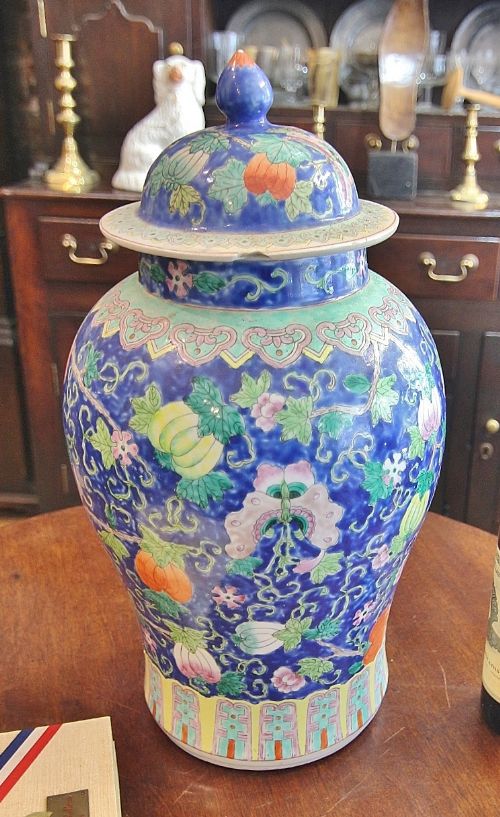
Object forms include decorative bowls, ginger jars, scent bottles, and table lamps from European and Asian design traditions.
Assessing quality and execution
Quality separates through the precision of the metal cells, the clarity of the enamel colours, and the refinement of the hand-painted or etched details. Superior pieces display smooth, evenly fired surfaces without pitting or cloudiness in the vitreous layers.
The complexity of the design and the integration of precious metals like gold leaf or silver mounts distinguish finer examples from standard production items. Maker attribution, such as signed Japanese cloisonné or documented European glass houses, further elevates a piece's standing.
Daum Freres·Karl Palda·Tamura Yukio·Minton·Royal Doulton
The Vintage Enamel Vessels Glossary
- Cloisonne enamel
- A metalwork technique where fine wires form raised partitions to hold coloured enamel pastes before firing. This method creates intricate patterned cells across vases and bowls.
- Champleve enamel
- A process where troughs or cells are hollowed out of a metal surface, such as bronze, and filled with enamel. The metal walls remain thicker than those found in cloisonné work.
- Cameo glass
- Glassware produced by layering two or more coloured glasses and carving away the top layer to create a raised design. It appears frequently in early twentieth-century decorative pieces.
- Jardiniere
- A large ornamental pot or vessel designed to hold plants or flowers. They often appear in bronze or ceramic with detailed enamel decoration.
- Meiji period
- The era of Japanese history lasting from 1868 to 1912, known for exceptional metalwork and cloisonné production. Pieces from this time show high technical precision.
Vintage Enamel Vessels: Frequently Asked Questions
How do I clean vintage enamel vessels?
Dust these items gently with a soft, dry cloth to protect the delicate glass or metal surfaces. Avoid using harsh chemical cleaners, abrasives or immersion in water, which can damage aged enamels and patinas.
For stubborn grime, consult a professional conservator rather than attempting aggressive DIY cleaning methods. Keeping them out of direct sunlight preserves the vibrant enamel colours over time.
What is the difference between cloisonné and champlevé?
Cloisonné involves soldering thin metal wires onto a metal base to create small compartments for enamel paste. Champlevé carves or casts the pattern directly into the thick metal body itself.
Both techniques achieve durable coloured surfaces, but the resulting texture and visual weight differ noticeably. Cloisonné offers delicate linear grids, whereas champlevé presents bolder metal borders around the enamel infill.
Where were most vintage enamel vessels made?
Production spans both Asian and European workshops, with significant output from China and Japan during the nineteenth and early twentieth centuries. European centres in Britain, France, Bohemia and Italy also produced notable enamelled glass and metalware.
Each region developed distinct stylistic signatures, from Chinese bronze rituals to Bohemian painted glass and Arts and Crafts copperwork. Identifying the origin relies on recognising characteristic materials, motifs and manufacturing marks.
How can I date an enamel vessel?
Dating relies on stylistic indicators such as Art Deco geometric lines, Art Nouveau organic curves, or traditional Asian imperial periods. Maker marks, signatures, and material compositions also provide reliable chronological markers.
Comparing the manufacturing technique and wear patterns against documented examples helps narrow down the decade of production. Examining base constructions and metal patinas confirms whether a piece aligns with its presumed era.