




Vintage Drop Dial Clock
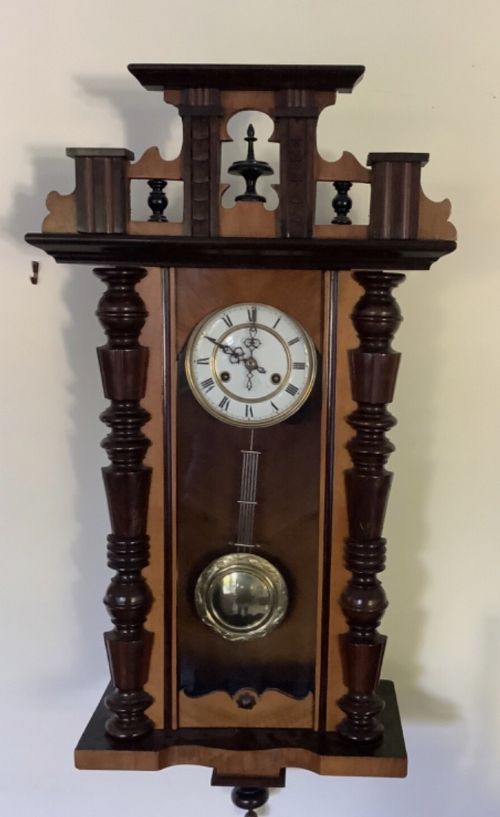
A vintage drop dial clock anchors a room with precision and presence, offering reliable timekeeping housed in handsome timber cases designed to hang proudly on the wall.
Vintage Drop Dial Clock
When searching for a vintage drop dial clock, buyers encounter timepieces spanning the Georgian, Regency, and Victorian periods, with mid-to-late nineteenth-century examples appearing most frequently.
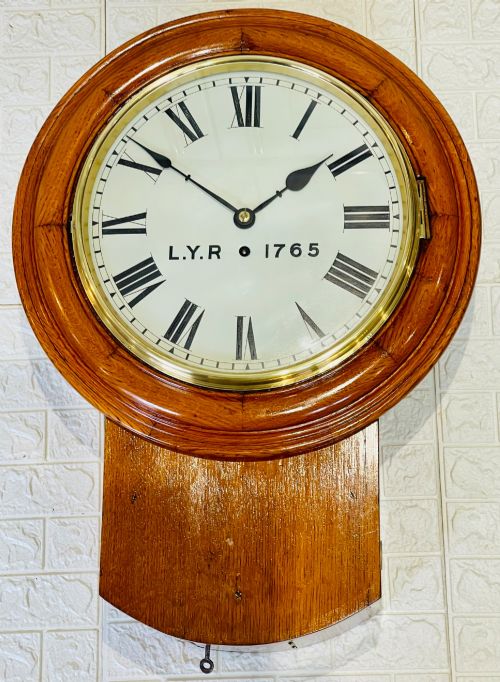
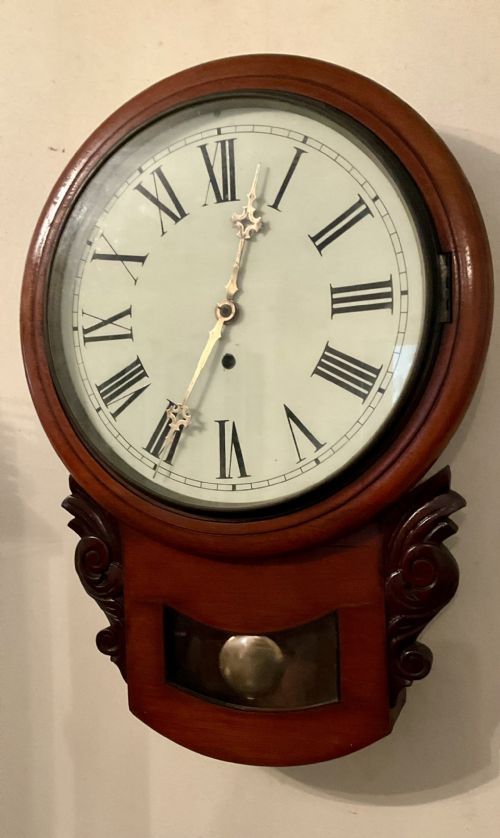
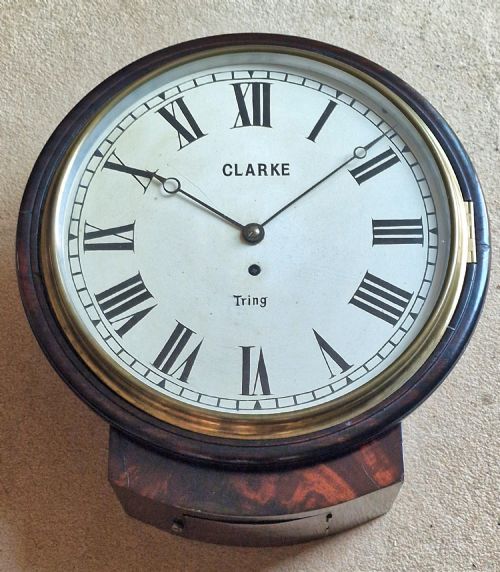
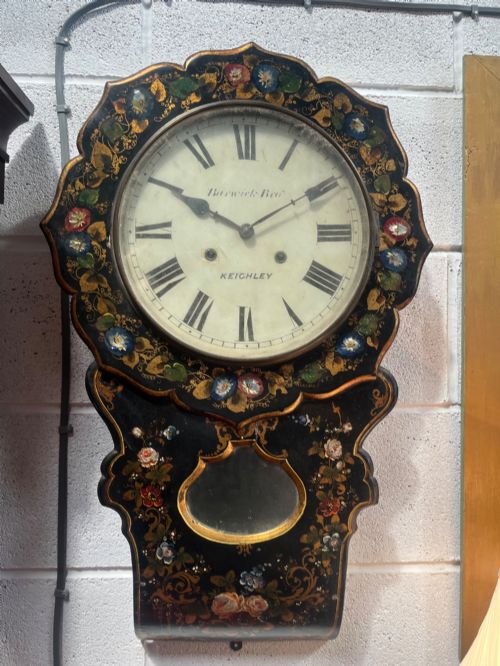
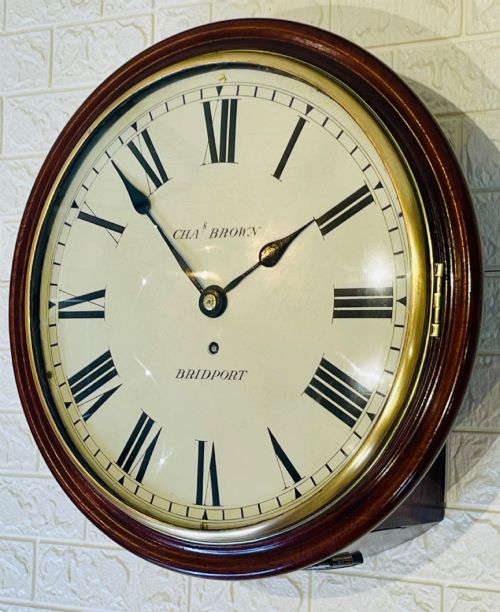
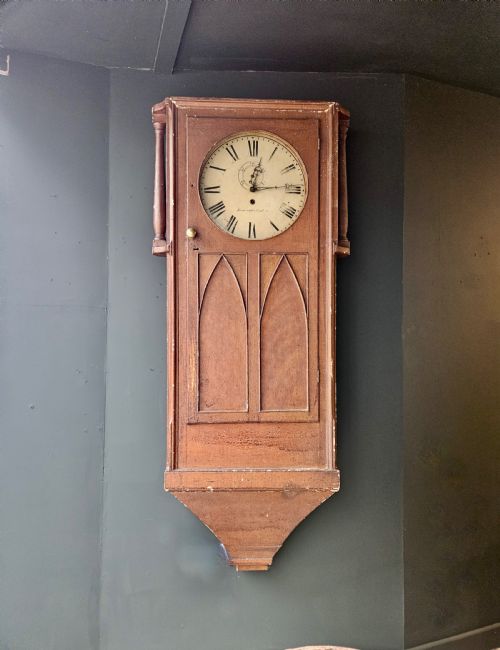
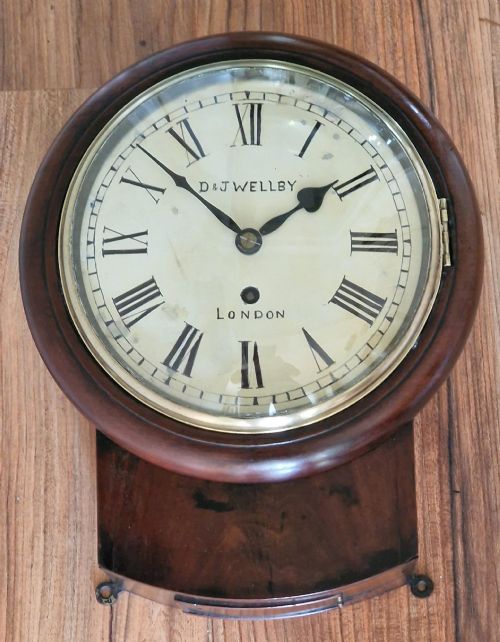
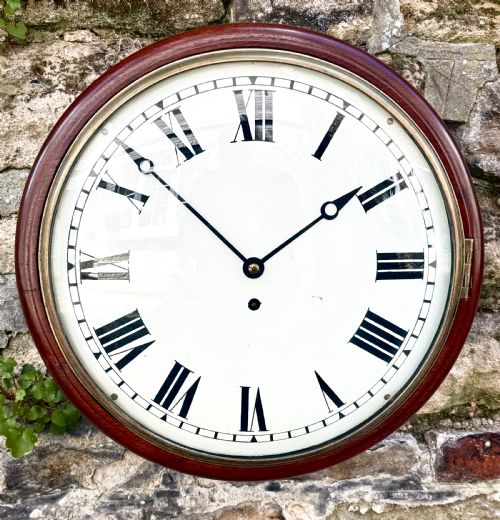
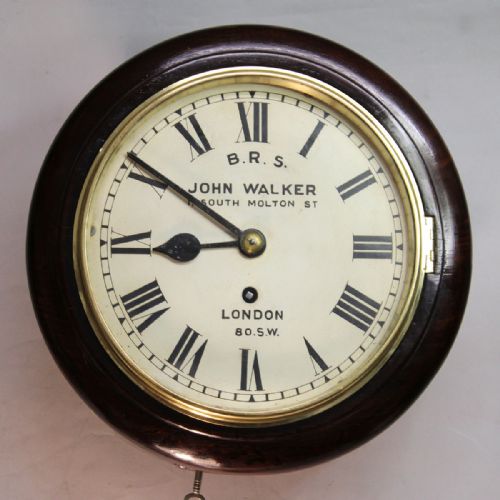
These wall-hanging clocks often feature round faces positioned above extended wooden cases that house the pendulum, taking forms such as railway clocks, tavern clocks, and octagonal variants.
Origins range from provincial English workshops to London makers, alongside occasional American and continental pieces fashioned in mahogany, rosewood, oak, or pine.
Materials and movement construction
Cases rely on dense hardwoods like mahogany and rosewood, sometimes inlaid or carved, protecting mechanical movements driven by brass gears and fusee or spring-driven mechanisms.
Dials display painted decoration, convex glass covers, or enamel finishes, while timber frames utilise traditional joinery to support the weight of the pendulum and heavy brass assemblies.
Vintage Drop Dial Clock Retail Price Guide 2026
Typical asking prices for vintage drop dial clock among the pieces listed under this phrase on Sellingantiques today, from the lower quarter to the upper quarter. They describe what is for sale here now, not the wider market.
Several clocks once kept weary passengers on time at provincial railway stations before retiring to domestic walls.
Distinguishing the finer examples
Superior models show crisp carving, unblemished dial painting, and well-figured timber grain on the drop case, reflecting the skill of the original cabinetmaker.
Internal mechanical excellence separates standard timepieces from the best items, evidenced by precise fusee movements signed by reputable makers and retained original components.
George Clarke Tring·D J Wellby London·Chave Taunton·Rudge Swindon·Henry Lamb Windsor·Joseph Mansfield·Balbiani Brookley·Kleyser of London·R Roberts of London·Dent of London·Francis Perigal London·John Thwaites·Haley and Milner London
The Vintage Drop Dial Clock Glossary
- Drop dial
- A wall clock featuring a circular face at the top and an extended lower wooden case to accommodate the pendulum. This shape protects the mechanism while adding vertical visual balance.
- Fusee
- A conical pulley connected to a cord or chain that equalises the pull of the mainspring as it unwinds. This mechanism helps maintain consistent timekeeping across the power reserve.
- Dial
- The visible face of the clock where the numbers and hands are displayed. These surfaces can be painted wood, metal, or convex glass.
- Tavern clock
- A large pendulum clock originally built for public houses and commercial spaces. They typically feature bold dials and simple, robust hanging cases.
- Twin fusee
- A movement utilising two separate fusee cones, one driving the timekeeping train and the other powering a bell strike. This setup allows the clock to chime the hours audibly.
Vintage Drop Dial Clock: Frequently Asked Questions
How do fusee movements work?
A fusee movement uses a conical pulley and a cord or chain to regulate power from the mainspring. As the spring loses tension, the cord rides wider on the cone to maintain steady torque.
This clever mechanical design ensures the clock maintains consistent accuracy as it runs down between windings.
Where were these clocks hung?
These timepieces were originally hung in railway stations, offices, public houses, and domestic hallways. Their prominent dials allowed workers or travellers to check the time quickly from across a room.
Today, they serve the same practical function while acting as a striking focal point on residential walls.
How do I date a dial clock?
Dating relies on examining the timber species, dial material, case shape, and any maker inscriptions recorded on the face or movement. Georgian and Regency pieces often show simpler mahogany cases, while Victorian examples introduce rosewood, inlay, and diverse local railway markings.
Comparing these stylistic markers against known periods provides a reliable estimate of the decade of manufacture.
Are these clocks difficult to maintain?
Maintaining a mechanical wall clock requires regular winding and occasional professional servicing to keep the brass gears and pendulum operating smoothly. Hanging the piece securely on a stable wall ensures the pendulum swings evenly.
Keeping the clock away from damp areas and direct sunlight protects the timber case and painted dial over time.