
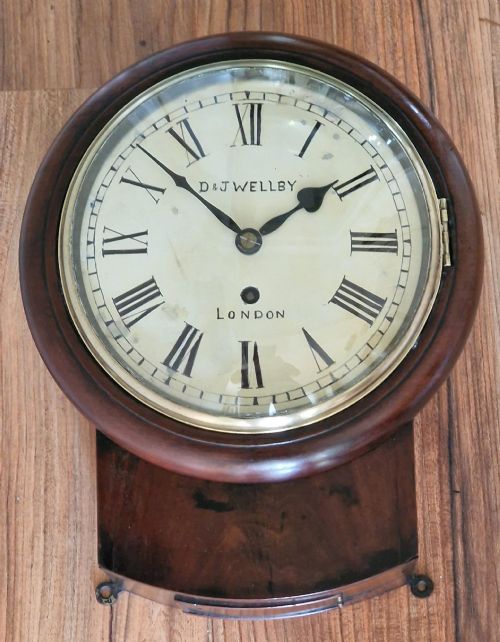


Edwardian Drop Dial Clock
These edwardian drop dial clock examples combine practical timekeeping with striking wall presence, offering a distinctive focal point for any traditional room.
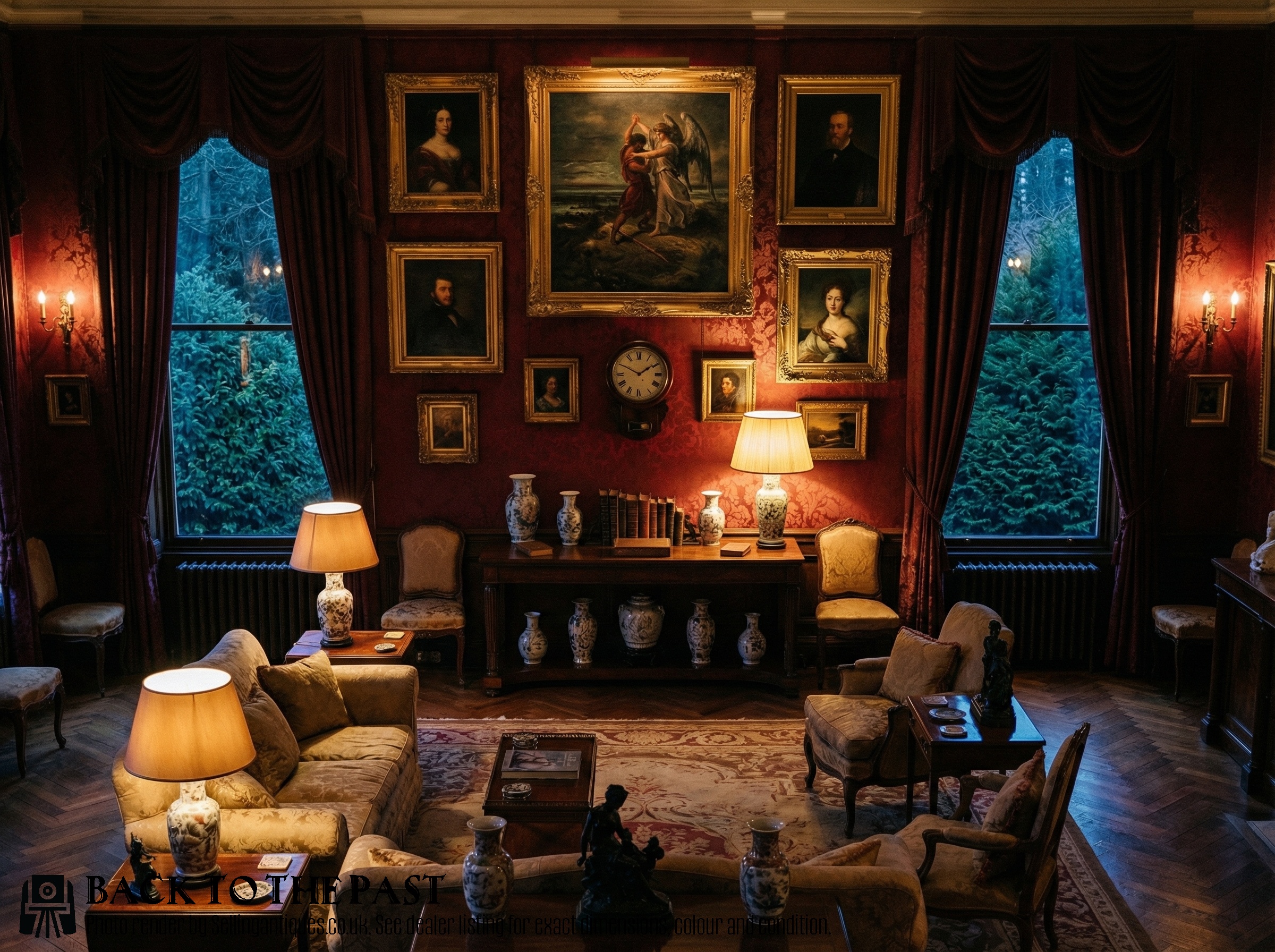
Identifying an Edwardian Drop Dial Clock
An edwardian drop dial clock typically presents a circular dial above an extended case designed to house the pendulum swing. These wall clocks appear in several forms across the records, spanning the Victorian and Edwardian eras alongside later mid-century examples.
The selection includes compact eight-inch dial pieces and striking mechanisms housed in light oak, mahogany, and rosewood cases. Certain variants reflect specific institutional origins such as postal service deployment, while others remain domestic wall pieces.
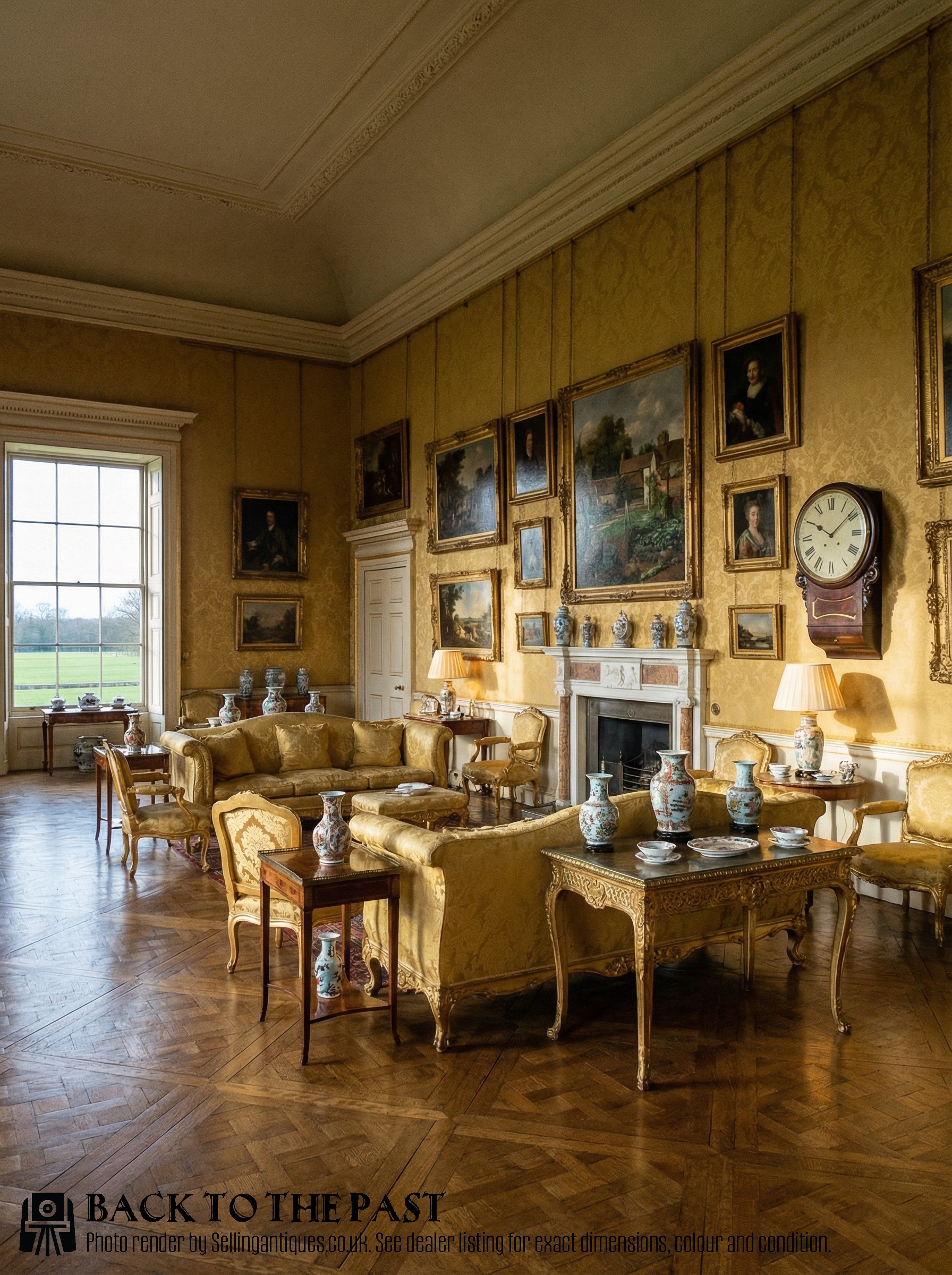
Materials and Construction
Cabinetmakers utilised timber varieties such as rich mahogany, figured rosewood, and light oak to construct the distinct wall cases. Brass components and protective glass covers complete the assembly, safeguarding the delicate movement within.
Internal mechanisms rely on fusee movements designed to maintain even tension as the mainspring unwinds. This mechanical arrangement allows the clock to deliver consistent timekeeping over its running period.
The listings on this site record three primary timber cases: mahogany, oak, and rosewood.
Assessing Quality and Merit
Distinction across these pieces lies in the choice of cabinet timber and the precision of the case joinery. Finer examples display carefully selected grain patterns on the drop case and well-proportioned dial surrounds that balance the upper and lower sections.
The sophistication of the internal movement further defines the hierarchy, particularly the presence of a reliable single fusee system. Simpler striking configurations sit alongside specialised institutional pieces, each reflecting the standards of their original commission.
Henry Lamb
The Edwardian Drop Dial Clock Glossary
- Drop dial
- A clock face mounted to a wall case that extends downwards to accommodate the pendulum. This format maximises legibility while keeping the footprint compact.
- Fusee
- A conical pulley connected to the mainspring by a cord or chain. It ensures even power delivery to the gear train as the spring winds down.
- Striking
- A mechanism that sounds the hours or half-hours via a bell or gong. It adds an audible dimension to the timekeeper.
Frequently Asked Questions
Where should I hang this clock?
These wall clocks suit principal reception rooms or hallways where their extended drop cases can hang securely at eye level.
Ensure the wall construction can support the weight of a solid timber and brass timepiece before mounting.
How do I wind the movement?
Access the movement through the side door or by lifting the glazed dial bezel, depending on the specific case design.
Use the appropriate winding key gently to avoid over-tensioning the spring mechanism.
Why does the case drop down?
The extended lower portion accommodates the swing of the pendulum beneath the dial. This configuration provides a balanced vertical proportion suited for narrow wall spaces.
Cabinetmakers shaped this drop section in various geometric and curved profiles across different periods.
Are these clocks suitable for daily use?
Mechanical fusee movements keep reliable time when properly set up and maintained by a professional horologist. Regular servicing ensures the gear train operates without undue wear.
Allow the clock to settle in a stable environment free from excessive temperature fluctuations.