
Vintage Dress Pocket Watch
A vintage dress pocket watch offers mechanical precision packaged in a slim case suited for formal waistcoats.
Vintage Dress Pocket Watch
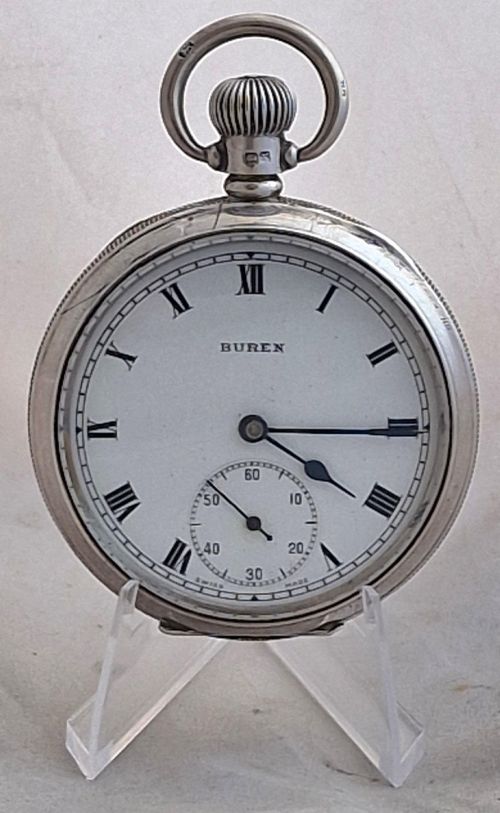
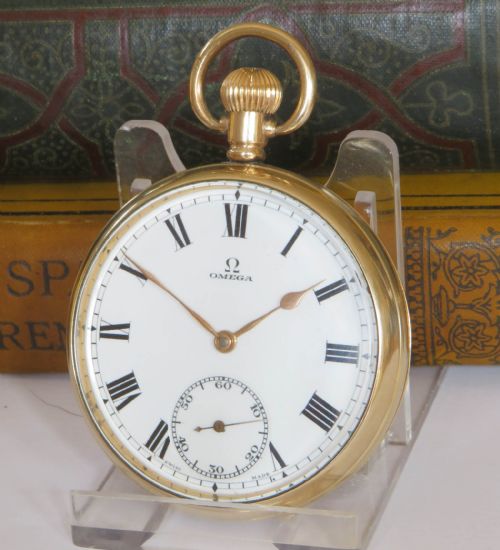
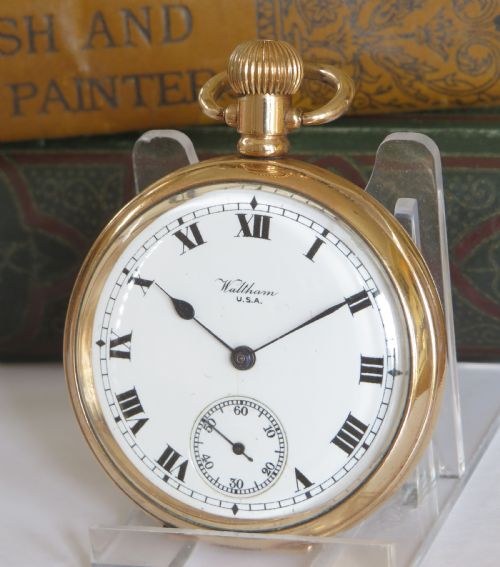
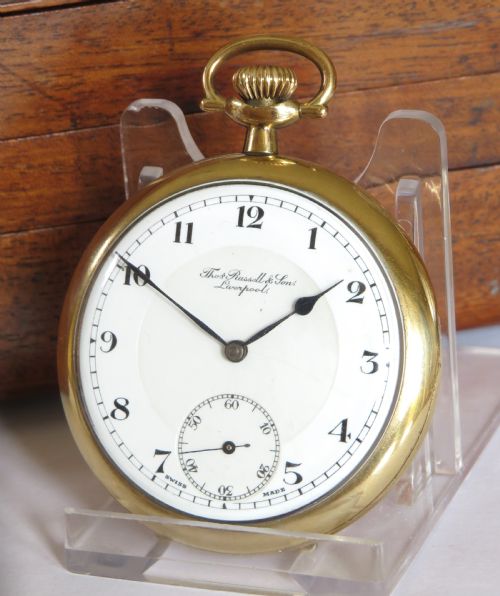
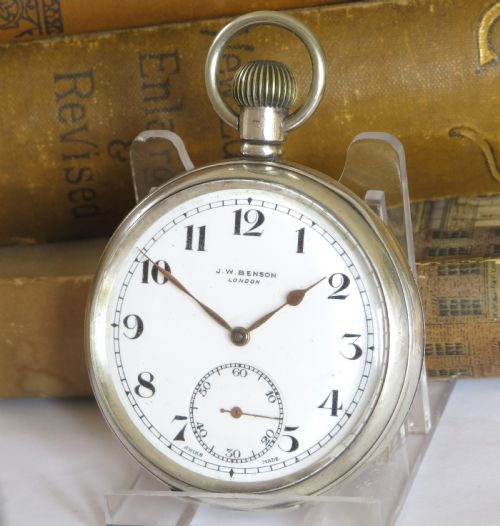
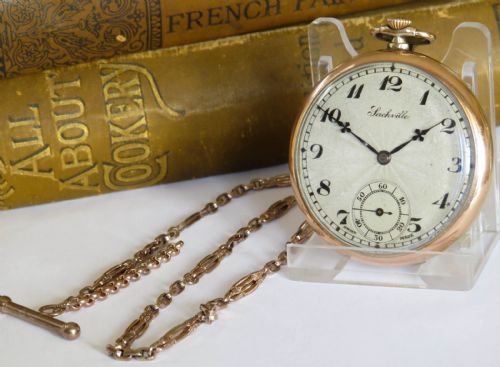
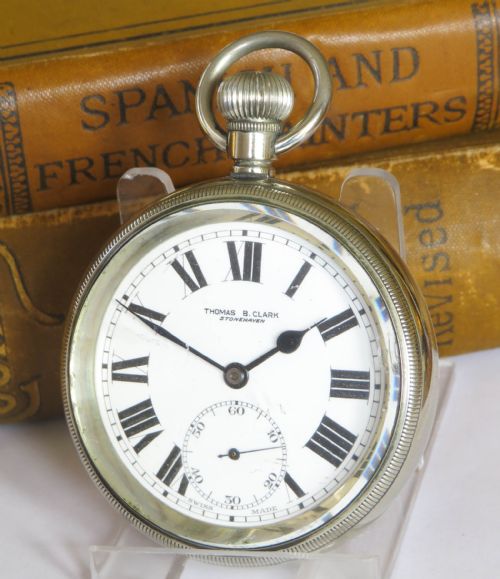
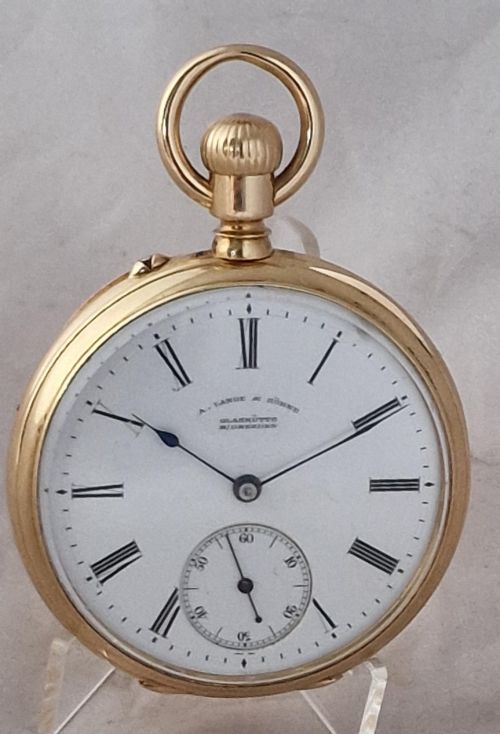
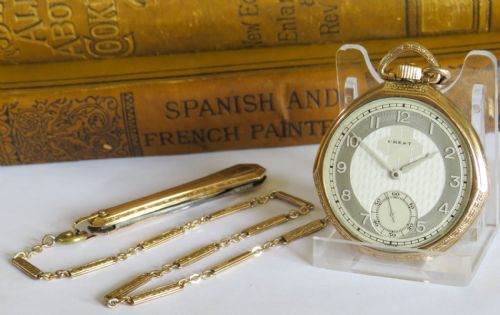
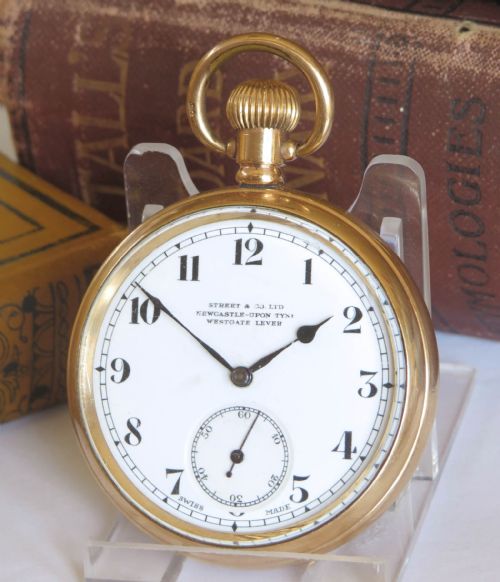
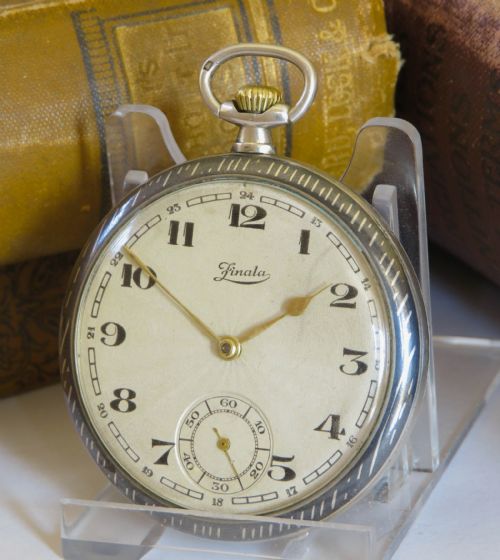
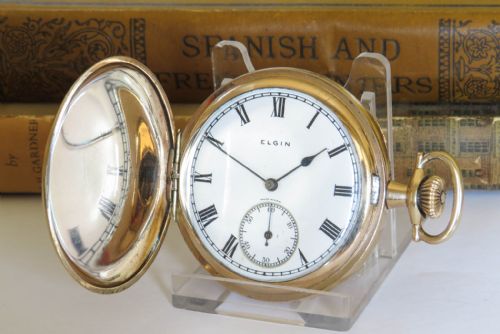
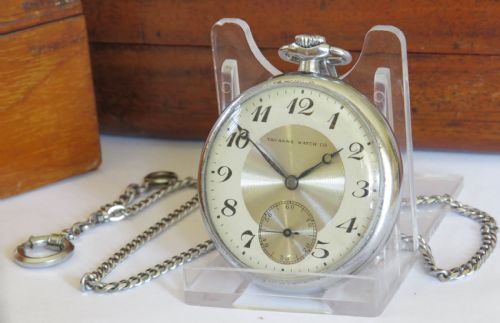
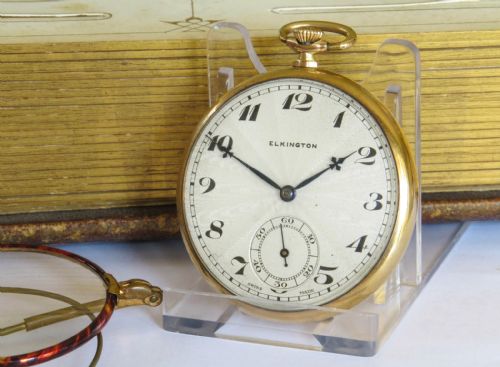
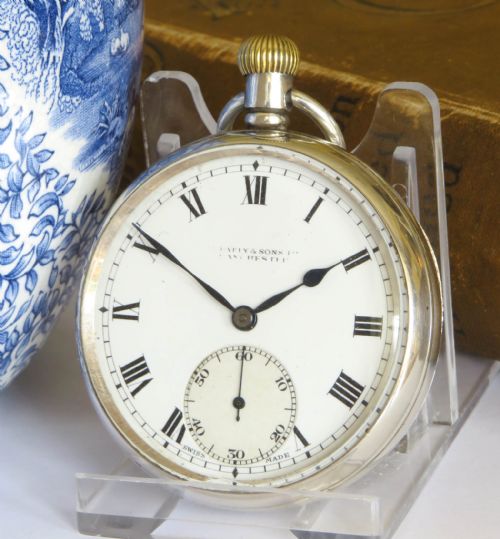
When you search for a vintage dress pocket watch, you encounter timepieces spanning from the Victorian era through the mid-twentieth century. The selection leans heavily towards pieces from the 1920s and 1930s, displaying Art Deco influences alongside earlier Edwardian and Victorian designs. These objects take the form of slim pocket watches and fob watches, often housed in open-faced configurations.
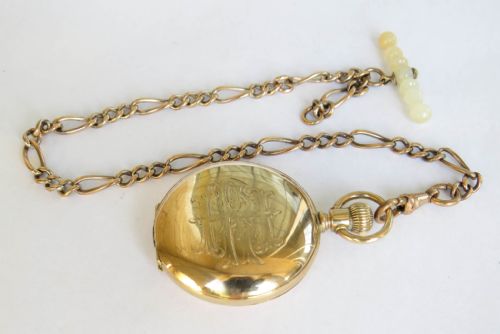
The pieces on this page originate from Swiss and British workshops, encompassing both everyday timekeepers and high-grade specimens. You frequently meet pieces designed for pocket wear with attached chains or alberts, intended to slip smoothly into a waistcoat pocket without bulk.
Materials and construction
Makers constructed these watches using a variety of metals, ranging from standard steel, brass, and nickel-plated metal to silver, gold plate, and solid 18ct or lower carat gold. Cases often feature glass crystals protecting the dial, sometimes accompanied by decorative enamel work or niello detailing on the outer casing.
Movements rely on mechanical gear trains driven by mainsprings, typically wound via a stem winding mechanism. Metal cases frequently display engine-turned engraving or smooth polished finishes, reflecting the prevalent styles of each decade from 1880 to the 1950s.
Vintage Dress Pocket Watch Retail Price Guide 2026
Typical asking prices for vintage dress pocket watch among the pieces listed under this phrase on Sellingantiques today, from the lower quarter to the upper quarter. They describe what is for sale here now, not the wider market.
One historical piece on record carried the distinction of previous ownership by a Lieutenant Colonel.
Distinctions in quality
The calibre of the movement largely determines the standing of a piece, with jewelled lever escapements representing finer manufacturing standards than basic cylinder movements. Heavier precious metal cases in solid gold or substantial silver indicate higher original production costs compared to gold plate or base metal.
Refinement shows in the crispness of dial printing, the complexity of engine-turning on the case exterior, and the reputation of the manufacturing firm. Pieces bearing signatures from established watchmakers demonstrate superior mechanical integrity and finishing.
Buren·Omega·Waltham·Thomas Russell and Son·J W Benson·Lange and Sohne·Tavannes·Minerva·Silvana·Elgin·Elkington·Vertex·Consul·Lanco·Doxa·Helvetia·Patek Philippe
The Vintage Dress Pocket Watch Glossary
- Open faced
- A watch design lacking a hinged metal cover over the dial, allowing immediate reading of the time. This format became popular for dress wear due to its slimmer profile.
- Full hunter
- A pocket watch featuring a spring-loaded metal cover that protects the glass crystal and dial. The user presses the crown to release the lid.
- Stem winding
- A method of tensioning the mainspring and setting the time via the crown at the top of the case. This replaced the earlier key-wound systems.
- Niello
- A black metallic alloy used as an inlay on engraved metal surfaces. It creates contrasting decorative patterns on the watch case.
- Albert
- A chain attached to a pocket watch, designed to secure the timepiece to a waistcoat or belt loop. It often includes a T-bar fastening.
Vintage Dress Pocket Watch: Frequently Asked Questions
How do I wind a vintage pocket watch?
Grip the crown between your thumb and forefinger and turn it gently clockwise until you feel resistance. Stop winding immediately when you feel tension to avoid damaging the mainspring.
Most vintage pieces require winding once a day, preferably at a consistent time. Handle the crown with care, as older mechanical components respond poorly to sudden force.
Can I wear a pocket watch daily?
You can carry a pocket watch daily provided you secure it properly with a chain or albert to a waistcoat or trouser pocket. Ensure the pocket is clean and free of dust or lint that might enter the movement.
Keep the watch away from modern magnetic fields and moisture. Treat the mechanical movement with respect, avoiding drops or sharp impacts.
What is an open faced watch?
An open faced watch is a timepiece without a protective metal lid covering the glass dial. This allows you to check the time instantly without opening a case.
This style gained preference for dress wear because it maintained a thinner profile against the body. The trade-off is that the glass crystal remains exposed to potential knocks and scratches.
How do I date a pocket watch?
You can date many pieces by examining hallmarks on precious metal cases or serial numbers stamped on the watch movement. British silver and gold cases carry assay office marks and date letters that pinpoint the exact year of manufacture.
Movement serial numbers often correspond to company production records for American and Swiss makers. Comparing the style of the dial and hands to known period designs also helps narrow down the decade.