


Vintage Double Wardrobe
A vintage double wardrobe provides substantial bedroom storage while anchoring a room with period timber and proportion.
Vintage Double Wardrobe
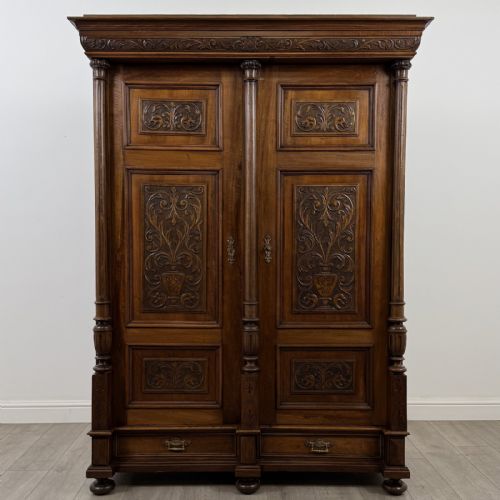
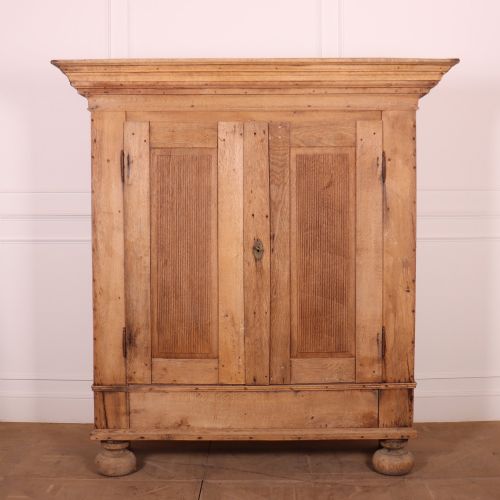
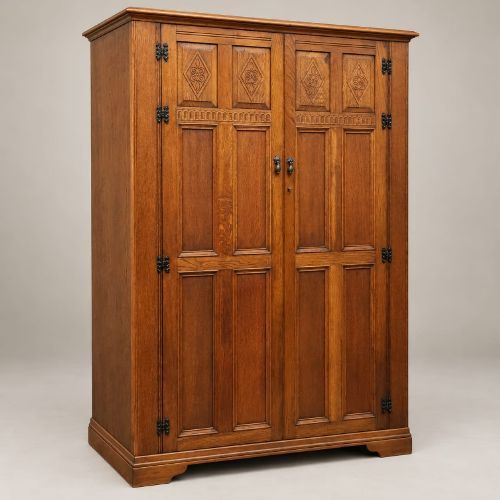
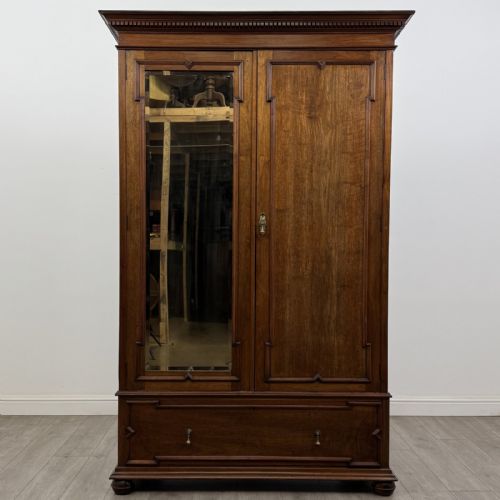
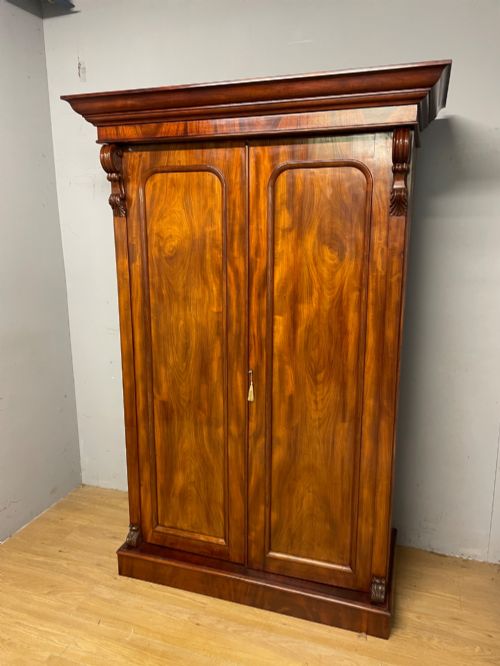
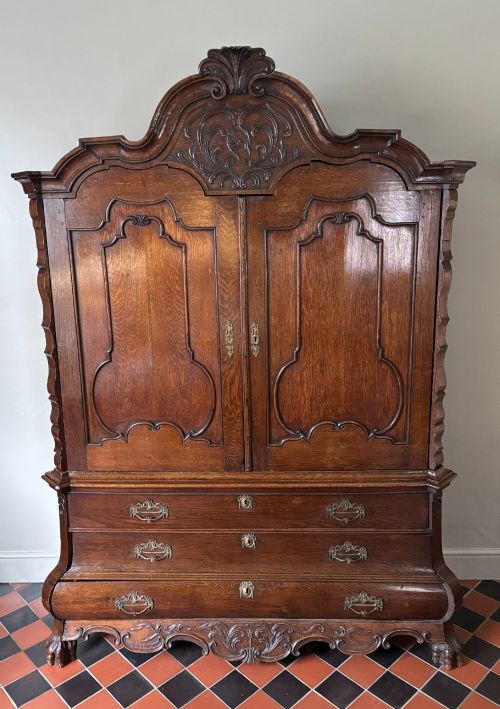
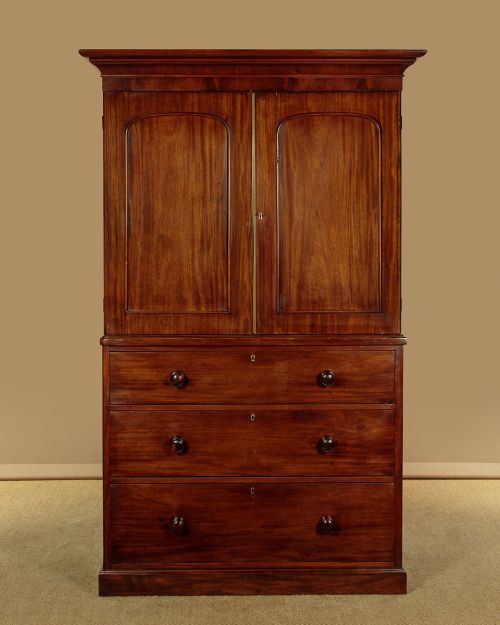
A vintage double wardrobe is a freestanding two-door piece designed for hanging garments and storing linens, appearing across various historical periods on this page. Buyers searching for a vintage double wardrobe will encounter examples spanning the Georgian era, the Victorian period, Edwardian workshops, and Art Deco design.
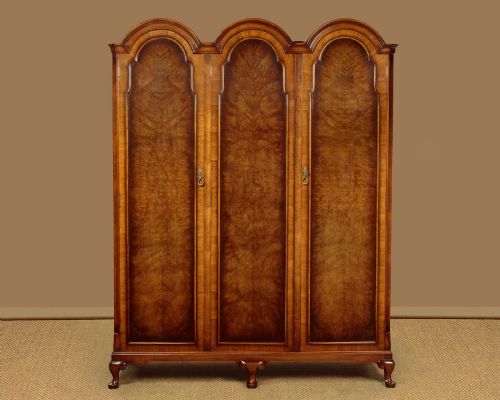
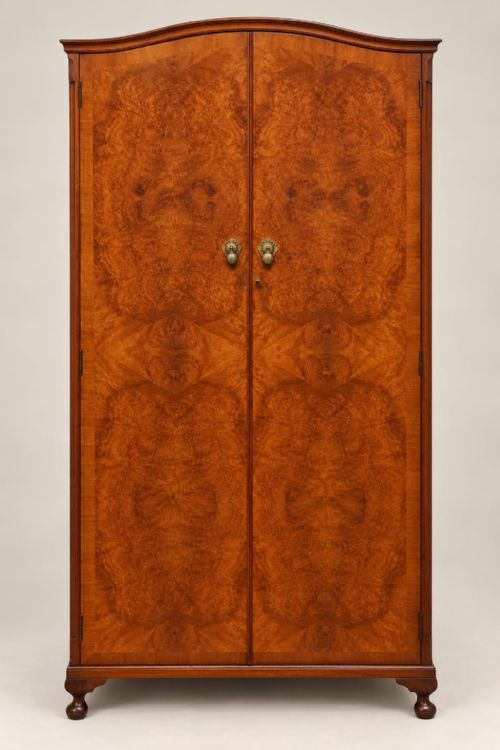
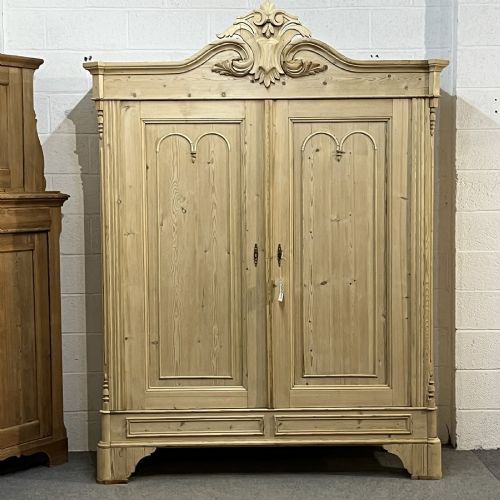
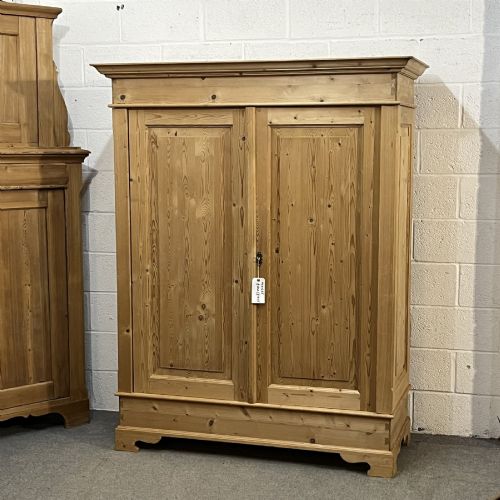
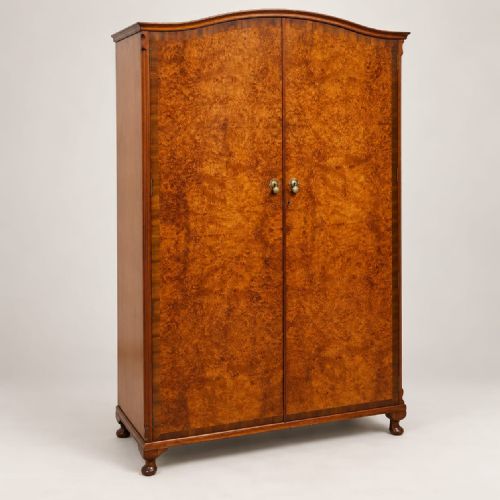
The selection ranges from large continental oak armoires and mahogany compactums to knockdown pine cupboards and walnut breakfront wardrobes. Pieces vary from simple painted pine storage to figured burr walnut and flame mahogany with fitted interiors.
Edwardian and 1920s iterations frequently utilise walnut and oak, while earlier pieces lean towards mahogany and pine. The overarching form remains practical, offering dual-door access to hanging space or shelving.
Materials and construction
Cabinet makers relied primarily on solid timbers such as mahogany, oak, and pine, often enhanced with veneers like burr walnut and flame mahogany. Construction methods combined traditional joinery with panelled doors, brass hardware, and iron fittings.
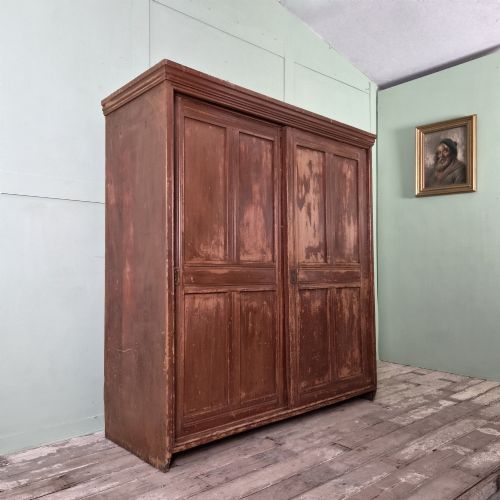
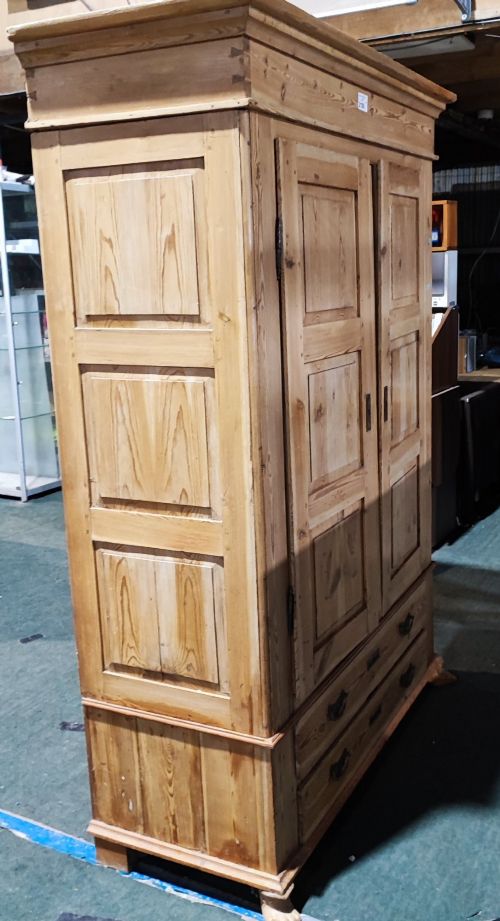
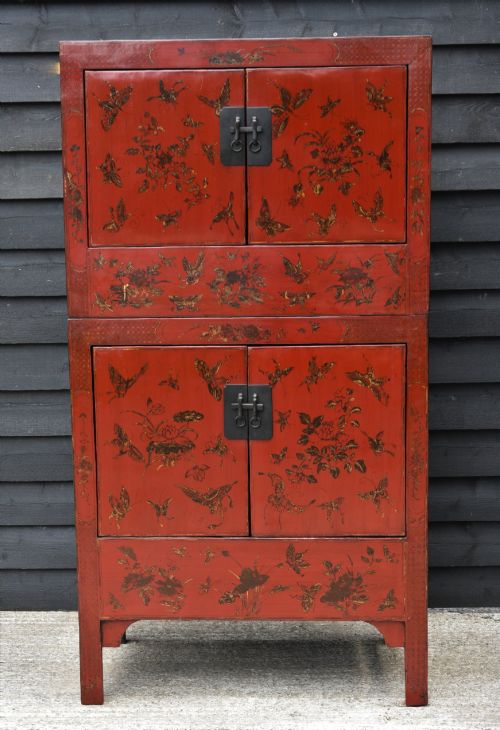
Many 19th-century pine versions were built as knockdown wardrobes for ease of transport between rooms. Faux finishes, scumble paintwork, and Chinoiserie lacquer surface treatments appear alongside waxed and polished natural wood.
Vintage Double Wardrobe Retail Price Guide 2026
Typical asking prices for vintage double wardrobe among the pieces listed under this phrase on Sellingantiques today, from the lower quarter to the upper quarter. They describe what is for sale here now, not the wider market.
Several pieces arrive bearing the marks of scumble paintwork, where Victorian makers painted pine to look like oak for frugal households.
Evaluating quality
Quality rests in the selection of timber veneers, the precision of the joinery, and the retention of original hardware such as brass locks and handles. Finer pieces display matched burr walnut figures or intricate inlay work across the cabinet front.
Structural integrity depends on how well doors hang and whether knockdown mechanisms remain sound. Interiors equipped with original trays, drawers, or hanging compartments command closer attention from collectors.
maples & co·harris lebus
The Vintage Double Wardrobe Glossary
- Compactum
- A multi-functional wardrobe combining hanging space with internal drawers, shelves, and linen slides. It offers partitioned storage within a single cabinet footprint.
- Linen Press
- A tall piece featuring upper cupboard doors enclosing sliding trays for textiles, positioned above a base of wider drawers. Georgian and 19th-century examples frequently utilise mahogany.
- Knockdown
- A piece engineered to dismantle entirely into manageable sections using wedges, bolts, or slots. This historic method allowed large furniture to move through narrow staircases.
- Scumble
- A decorative paint technique simulating the grain of more expensive hardwoods like oak or walnut. Artisans applied a translucent glaze over a lighter base coat.
- Armoire
- A large freestanding cupboard of continental European origin used for clothing storage. These pieces often feature substantial timber construction and panelled doors.
Vintage Double Wardrobe: Frequently Asked Questions
How do I fit a vintage wardrobe into a modern bedroom?
Many period wardrobes, particularly pine examples from the 19th century, were constructed as knockdown units that dismantle into panels. This modular design assists with transport and installation in rooms with low ceilings or narrow access.
Buyers should measure both ceiling clearance and internal hanging depth before purchase. Older timber frames may require slight adjustments to ensure doors swing true on uneven modern floors.
How do I care for antique wood finishes?
Natural timber surfaces respond best to occasional applications of traditional beeswax rather than modern silicone sprays. Keeping pieces away from direct heat sources prevents timber shrinkage and veneer lifting.
Polishing with a soft cloth maintains the natural lustre of mahogany, walnut, and oak over decades of daily use.
Are these wardrobes suitable for modern hangers?
Earlier wardrobes often possess shallow internal depths designed for historical garment proportions and antique hangers. Buyers planning to use contemporary wooden hangers should verify the internal front-to-back clearance.
Some pieces allow for the repositioning of hanging rails to accommodate modern garment widths comfortably.