



1930s Walnut Armoire
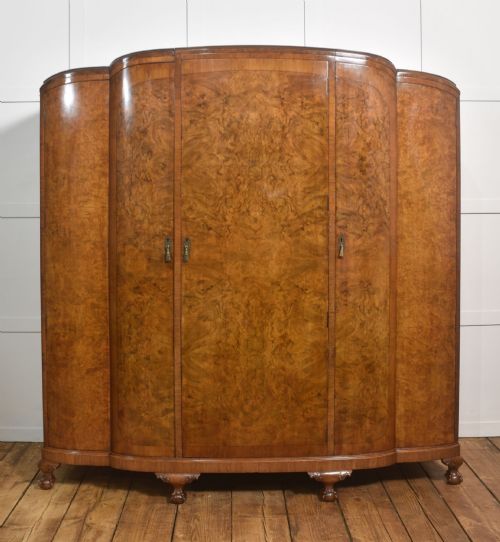
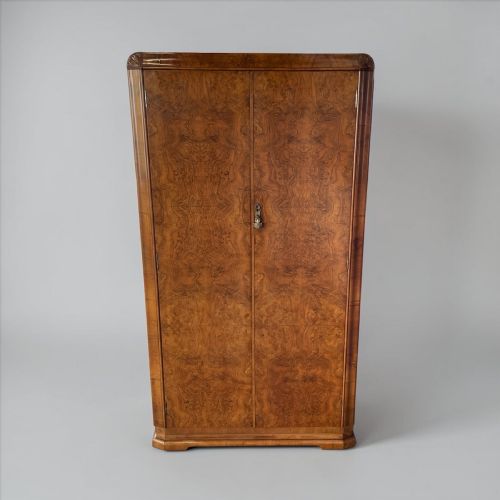
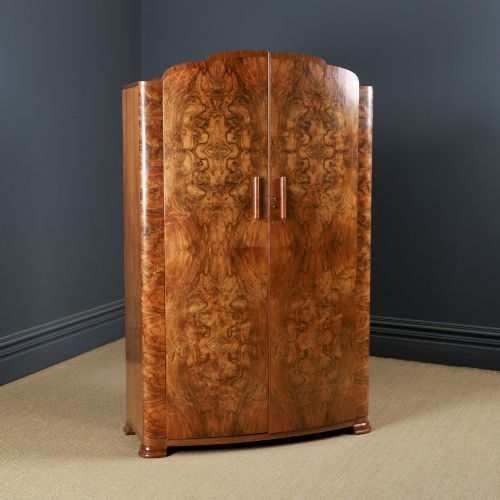
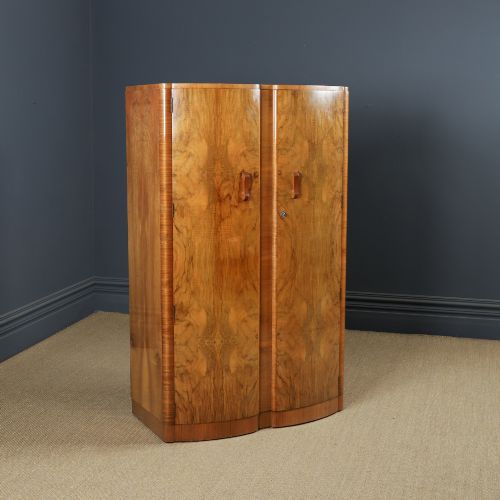
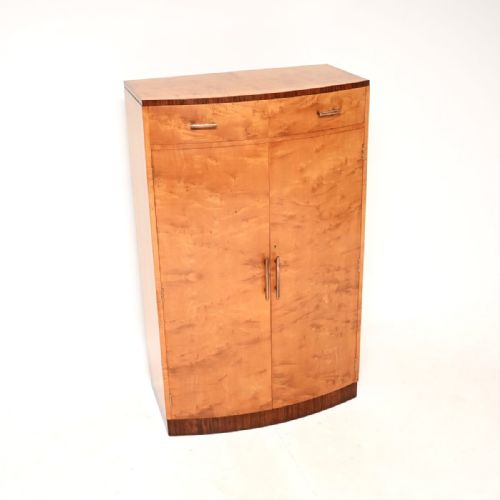
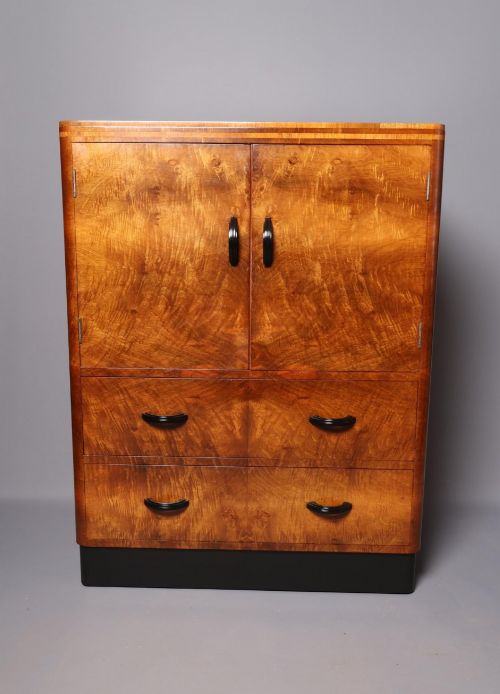
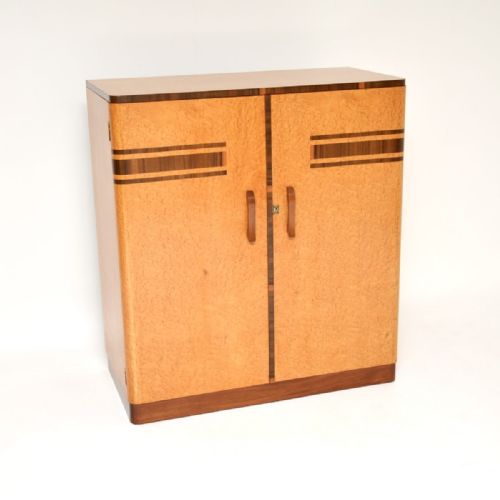
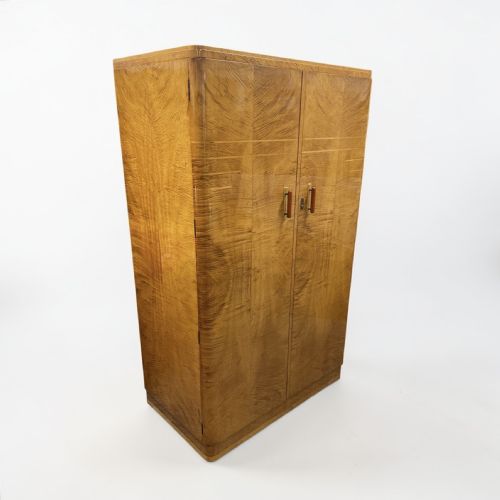
A 1930s walnut armoire brings striking grain patterns and generous bedroom storage, defined by the bold geometric lines of the Art Deco period.
1930s Walnut Armoire
A 1930s walnut armoire represents large bedroom storage pieces from the interwar decades, taking the form of wardrobes, compactums, and bow front closets. Buyers seeking these items encounter substantial wooden furniture designed with architectural presence and practical internal compartments.
The dominant aesthetic across these listings is Art Deco, spanning the years nineteen thirty to nineteen forty. Pieces frequently showcase dramatic frontal designs, including breakfront layouts, split side configurations, and two door structures.
Variations range from modest single or double door wardrobes to elaborate compactums combining hanging space with internal drawers and shelving. Combinations of walnut with contrasting woods like satin birch or birds eye maple appear regularly.
Construction and materials
Makers utilised solid woods and applied veneers, placing burr walnut, cloud walnut, and figured walnut across large flat surfaces to highlight natural grain patterns. This technique allowed cabinetmakers to create bold symmetrical visual effects on the main doors.
Metal elements such as brass fixtures and occasionally bakelite accents complete the hardware details on these wardrobe designs. Secondary timbers provide structural stability behind the decorative walnut and exotic wood veneers.
Some wardrobes cleverly hide a compactum's worth of drawers behind grand walnut doors, proving that interwar makers loved a neat interior surprise.
Assessing quality and craftsmanship
Superior examples distinguish themselves through the careful selection and bookmatching of burr and figured walnut veneers across the facade. The harmony of the grain pattern determines the visual impact of the piece.
Fitted interiors separate standard wardrobes from high quality compactums equipped with specialised drawers, compartments, and shelving. Solid construction of the underlying wooden frame ensures long term durability for heavy storage.
Harry and Lou Epstein
The 1930s Walnut Armoire Glossary
- Compactum
- A multi-functional wardrobe combining hanging space with internal drawers, shelves, and compartments. This form maximises bedroom storage within a single cabinet footprint.
- Burr walnut
- Timber taken from a tree growth or burr, yielding highly figured and swirling grain patterns. Cabinetmakers prize this material for decorative veneer panels.
- Breakfront
- A cabinet design where the central section projects forward from the flanking doors. This architectural layout creates depth and shadow on large wardrobe facades.
- Bow front
- A convexly curved cabinet front that softens the geometric angles typical of interwar furniture. This shape requires skilled woodworking to bend veneers and solid frames accurately.
1930s Walnut Armoire: Frequently Asked Questions
What is a compactum wardrobe?
A compactum is a specialised wardrobe design that integrates hanging space alongside internal drawers, shelves, and smaller compartments. It offers comprehensive bedroom storage within one unified cabinet.
These pieces often feature fitted interiors tailored for organised clothing storage during the interwar period.
How do I identify Art Deco style?
Art Deco furniture relies on clean geometric lines, symmetrical veneer patterns, and streamlined architectural shapes. Makers favoured dramatic wood grains rather than heavy carved ornamentation.
Details like bow front designs and contrasting inlay woods further define the look of this era.
Are these wardrobes suitable for modern bedrooms?
These large cabinets provide substantial hanging space and internal shelving suitable for contemporary storage needs. Their strong aesthetic presence anchors a bedroom layout effectively.
Buyers should measure ceiling height and access routes carefully before placing such substantial furniture.
What woods were used besides walnut?
While walnut and burr walnut dominate, makers also incorporated satin birch and birds eye maple for contrast. Hardware often included brass fittings and bakelite details.
These complementary materials enhanced the decorative appeal of the primary wood veneers.