
Vintage Fitted Wardrobe
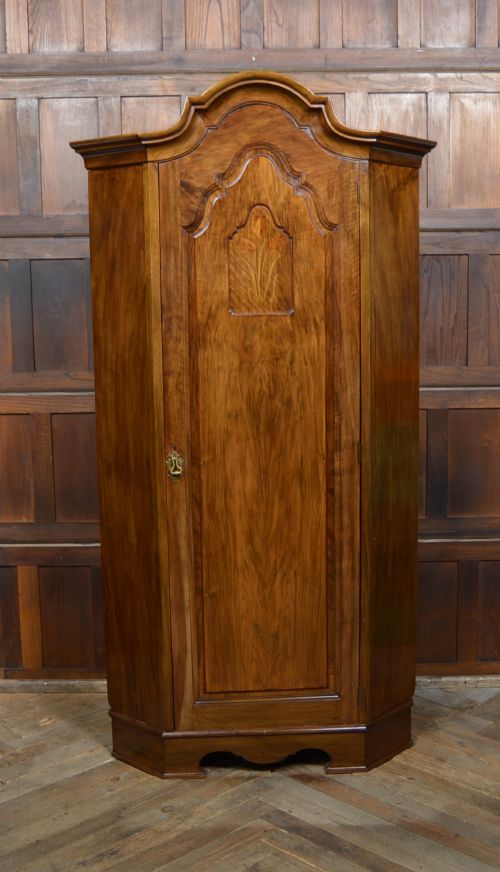
A vintage fitted wardrobe brings character to a bedroom through walnut veneer, brass, and mahogany timber.
What vintage fitted wardrobe pieces are
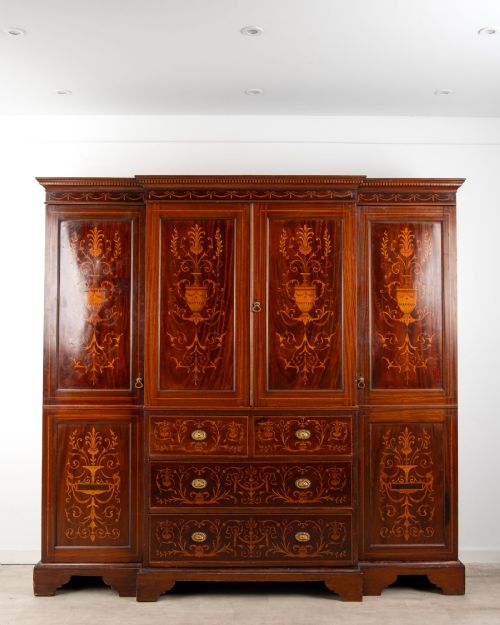
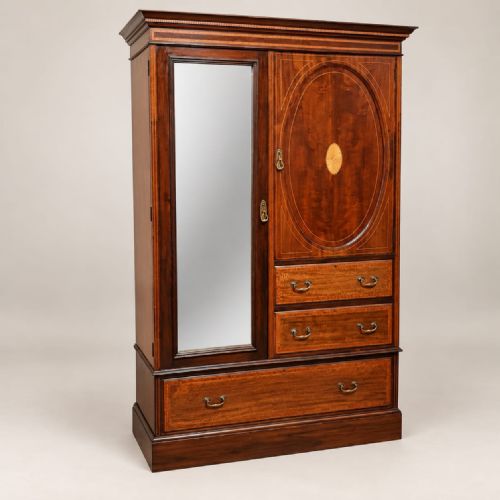
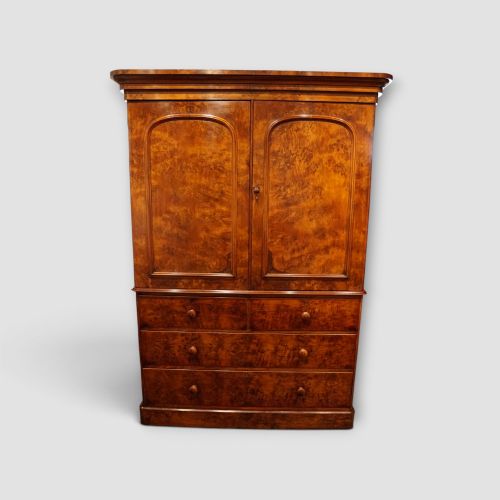
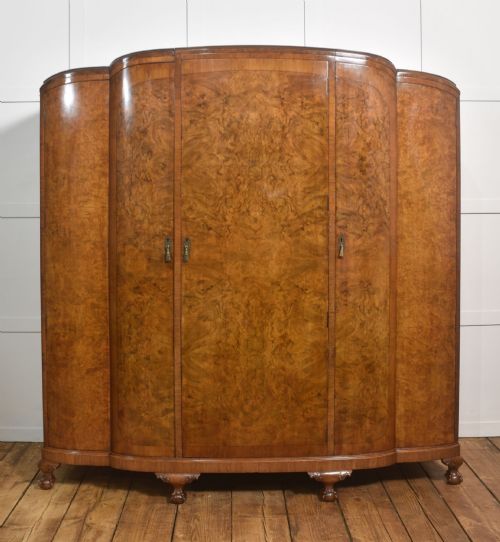
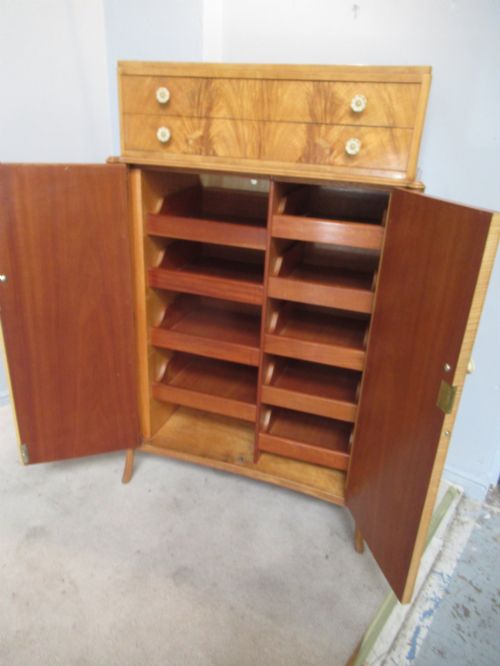
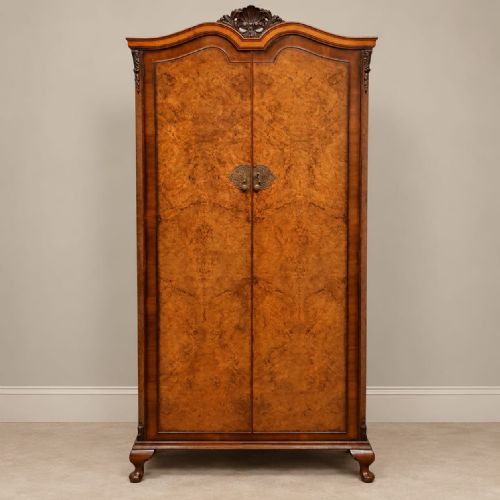
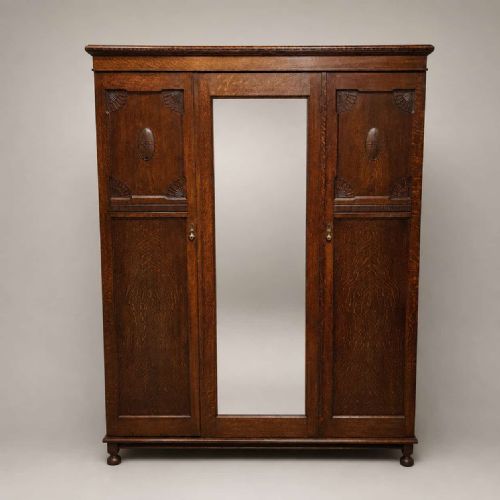
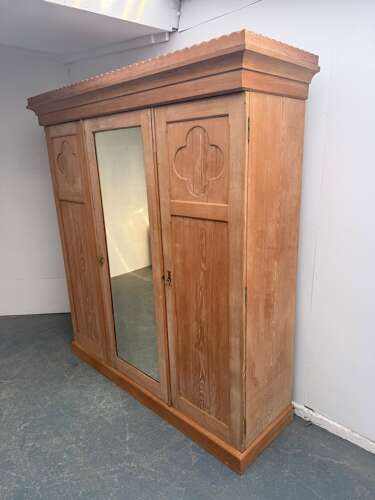
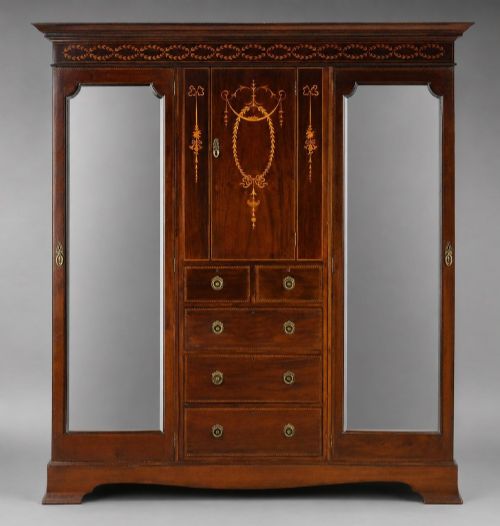
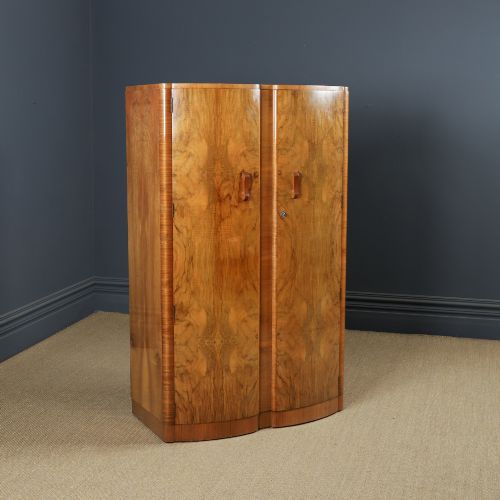
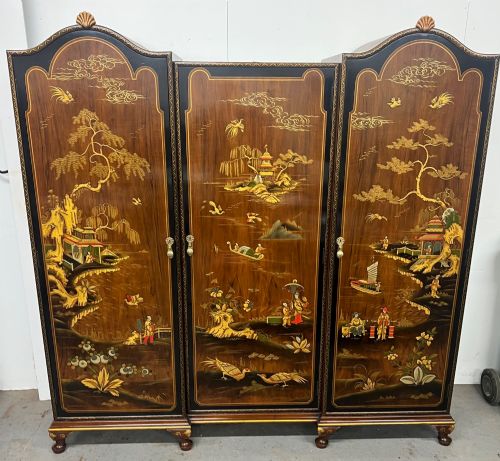
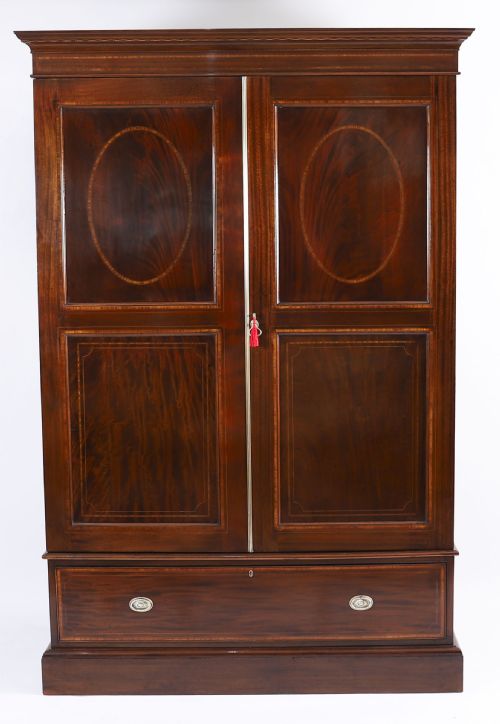
A vintage fitted wardrobe offers substantial storage capacity in forms like two-door wardrobes, armoires, and compactum wardrobes. These pieces date from the 1920s and 1930s, reflecting Edwardian, Art Deco, and Queen Anne Revival styles.
Buyers meet variations such as bow front designs and split side compactum layouts. Origins span English workshops producing substantial timber furniture designed to organise clothes efficiently.
How they were made
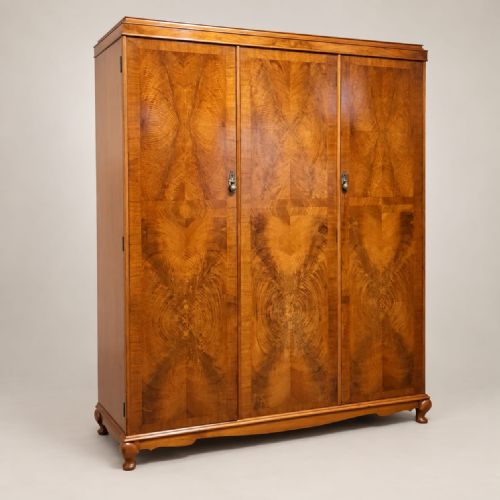
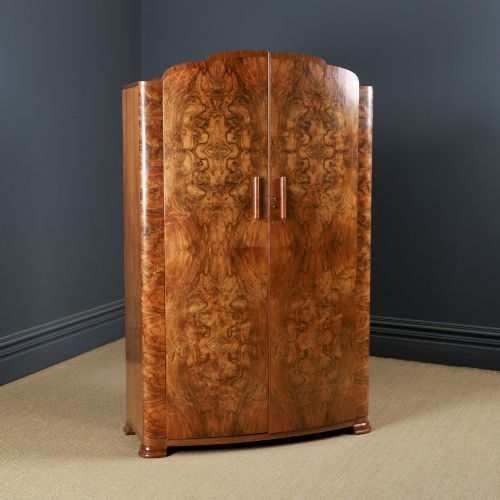
Construction relies upon solid timbers and decorative veneers applied to carcases. Cabinetmakers utilised burr walnut, figured walnut, standard walnut veneer, and mahogany to achieve rich surface figures.
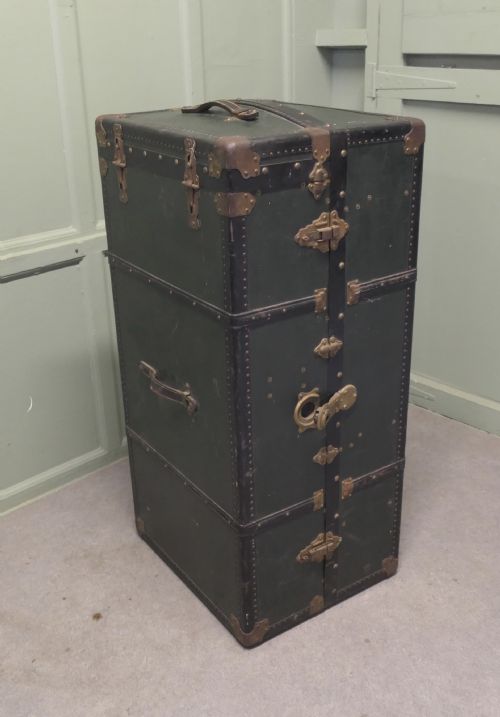
Hardware additions include brass components for handles, hinges, and locks. Joinery methods support heavy doors and internal compartment structures typical of compactum designs.
Retail Price Guide 2026
Typical UK retail prices for vintage fitted wardrobe, calculated from the Sellingantiques database of over a million retail prices indexed since 2003. This retail price guide relies exclusively on Sellingantiques data; no external sources or auction records are used, so the figures do not describe the wider market.
Listings span the 1920s and 1930s, incorporating Edwardian, Art Deco, and Queen Anne Revival styles.
What varies in quality
Quality differences emerge in the choice of wood veneers and the complexity of the cabinet design. Pieces featuring burr walnut or figured walnut display superior decorative grain patterns compared to plain mahogany surfaces.
The sophistication of the silhouette defines the upper tier, seen in bow front designs and split side compactum configurations. Subtleties in brass hardware finishing and Edwardian or Art Deco stylistic execution further distinguish fine examples.
The Vintage Fitted Wardrobe Glossary
- Compactum wardrobe
- A multi-compartment storage piece combining hanging space with drawers and shelves. This form provides comprehensive organisation within a single cabinet.
- Burr walnut
- A highly figured timber veneer taken from walnut tree growths. It creates intricate swirling patterns across the wardrobe doors.
- Art Deco
- A design style prominent around 1930 featuring geometric lines and stylised symmetry. It dominates the later pieces in this category.
- Figured walnut
- Timber cut to highlight natural grain variations and light-reflecting properties. It enhances the visual depth of cabinet facades.
- Queen Anne Revival
- A traditional style referencing early eighteenth-century motifs applied to twentieth-century furniture forms. It brings classical curves to period wardrobes.
Frequently Asked Questions
What is a compactum wardrobe?
A compactum wardrobe combines hanging space with internal drawers and shelving within one fitted unit. It provides versatile storage for diverse garments.
These pieces appeared during the 1920s and 1930s in styles such as Art Deco.
How do I identify Art Deco wardrobes?
Art Deco wardrobes typically feature geometric forms, clean lines, and symmetrical designs. They often utilise figured walnut veneers to create striking visual patterns on the doors.
Such pieces date closely to 1930 and depart from earlier revival aesthetics.
What timber materials were used?
Cabinetmakers utilised walnut, burr walnut, figured walnut veneer, and mahogany. Brass hardware frequently complemented these timber surfaces.
Selection of wood dictated the overall grain pattern and tonal richness of the wardrobe.
How do these fit in modern bedrooms?
Vintage wardrobes offer substantial internal volume to replace modern flat-pack storage while adding period presence. Their fitted nature consolidates clothes storage into a single architectural element.
Placing them requires measuring ceiling height and floor space to accommodate substantial timber carcases.