
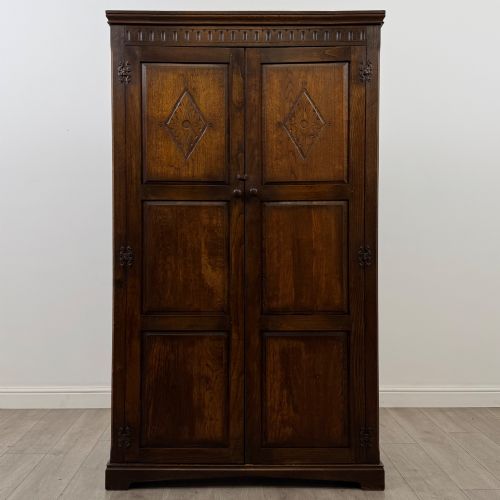
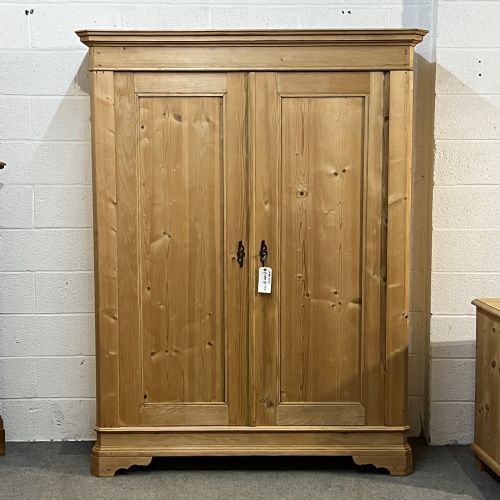
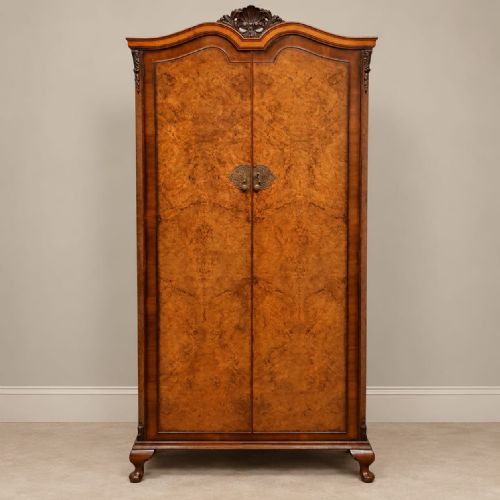
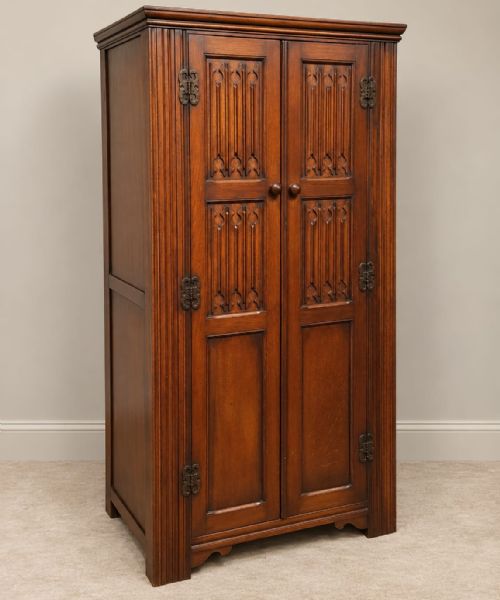
Vintage Double Armoire
A vintage double armoire offers generous timber capacity and stately bedroom presence, holding centuries of wardrobe storage in grand architectural form.
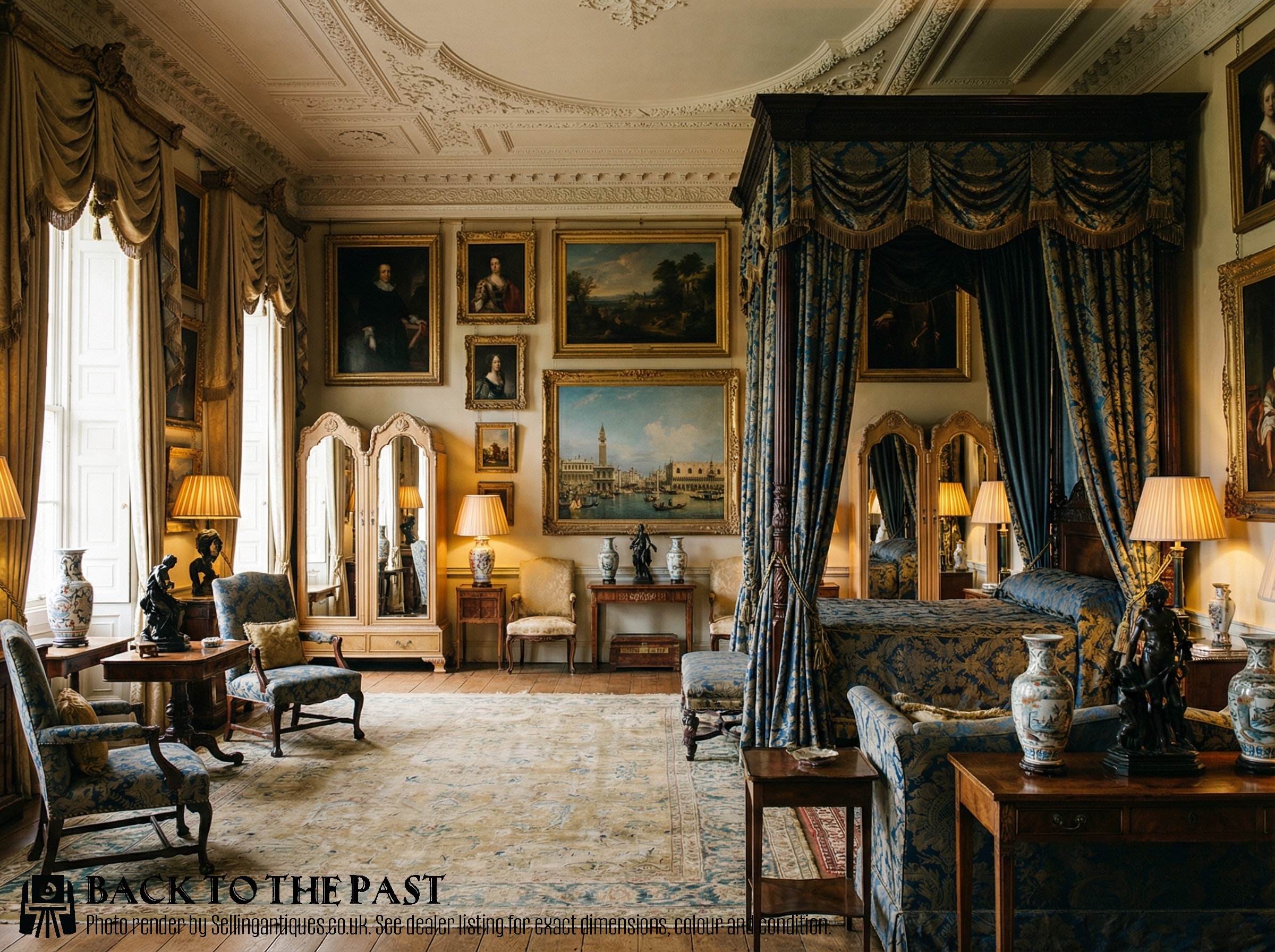
Vintage Double Armoire
A vintage double armoire serves as a substantial freestanding wardrobe or linen press designed for serious garment and textile storage. Buyers searching this phrase encounter substantial two-door cabinetry spanning several distinct historical periods.
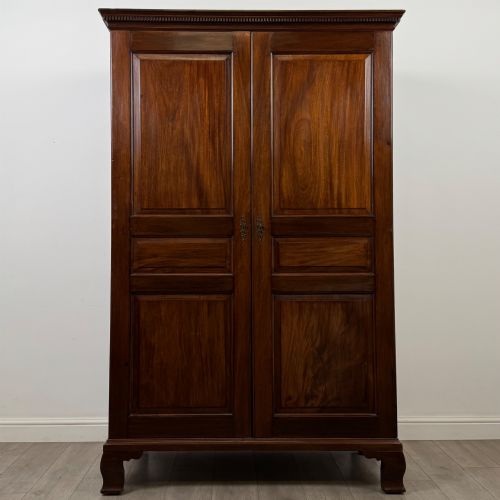
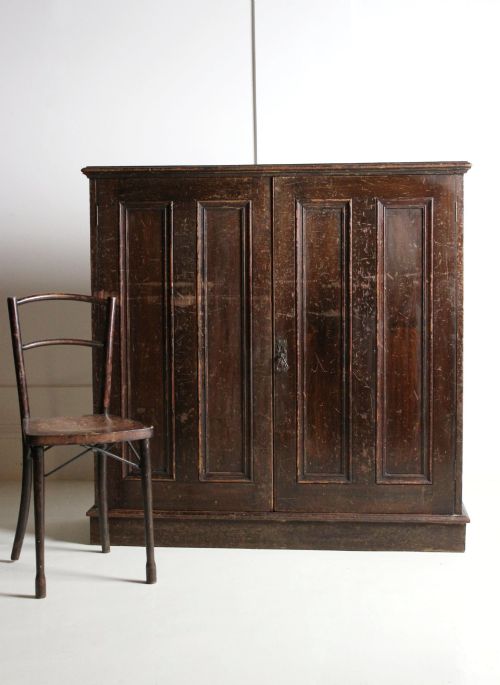
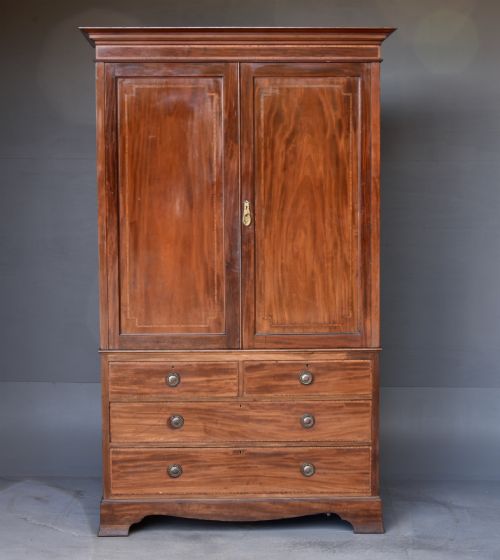
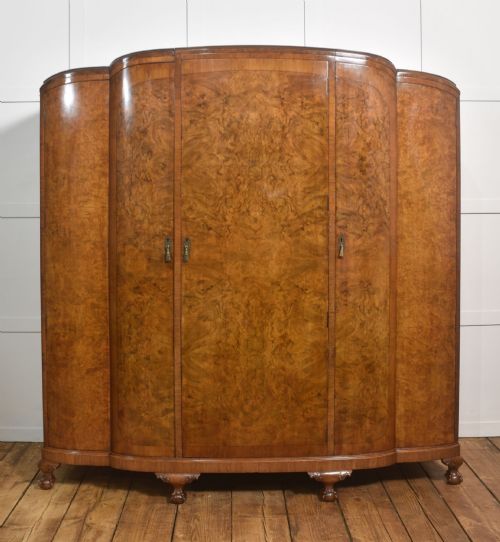
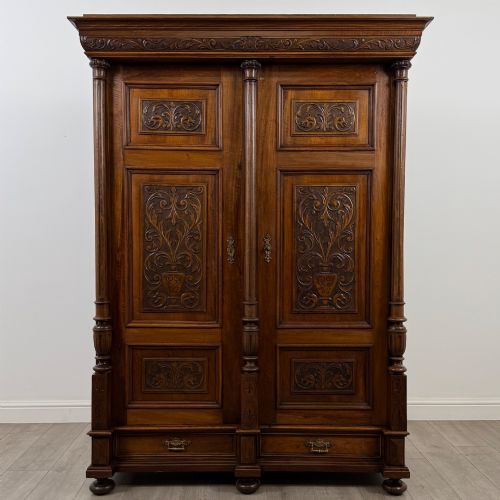
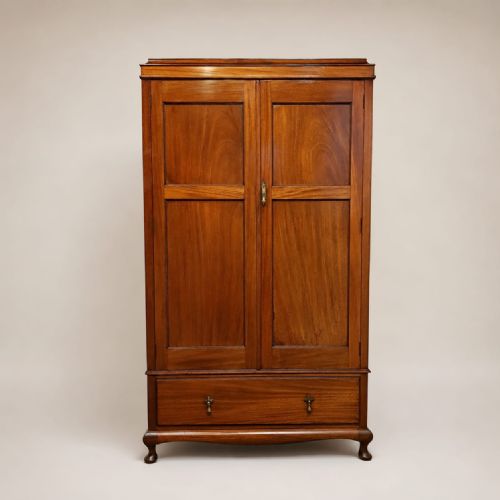
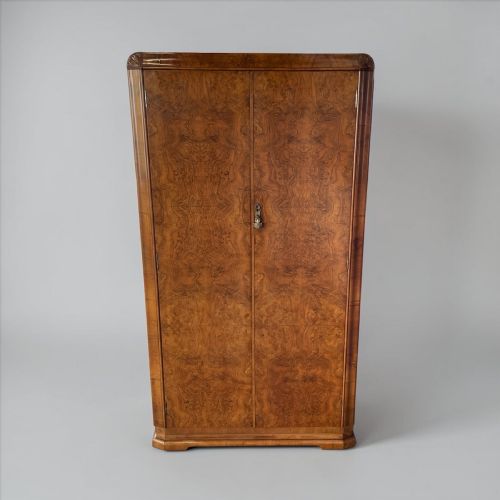
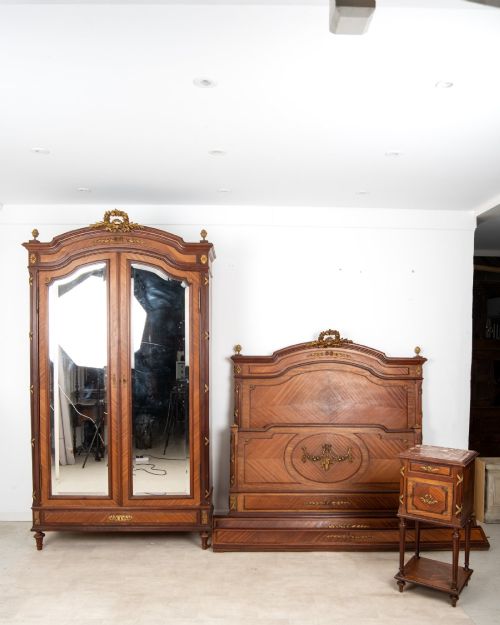
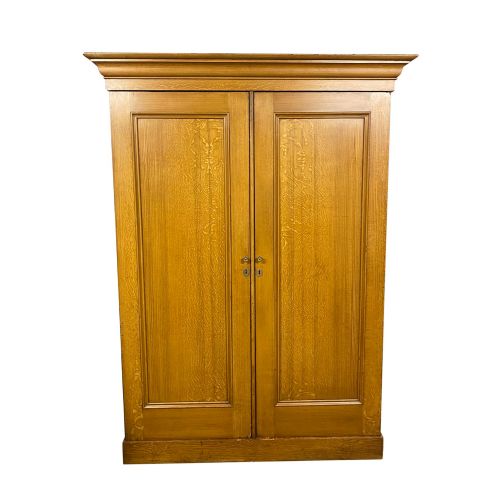
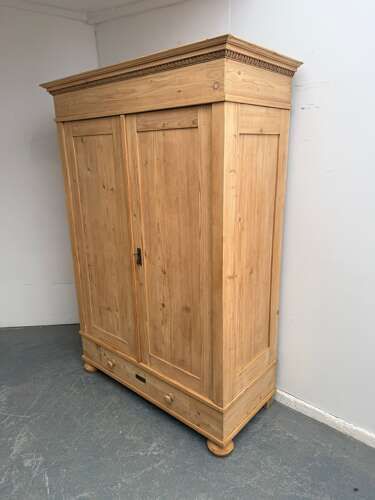
The pieces appearing on this page range from Georgian mahogany and Victorian pine through Edwardian oak to Art Deco burr walnut and Chinoiserie lacquer. Regional workshops and major makers produced these large storage cabinets for domestic bedroom use.
Most examples function as wardrobes, compactums, or linen presses featuring internal hanging space, shelves, or drawers. Timber species and decorative surface treatments define the visual character of each individual piece.
Materials and construction methods
Cabinet makers utilised solid hardwoods such as mahogany, oak, and walnut alongside softer timbers like pine for internal carcases and backing boards. High-status pieces frequently incorporated decorative veneers including flame mahogany and burr walnut across the principal doors.
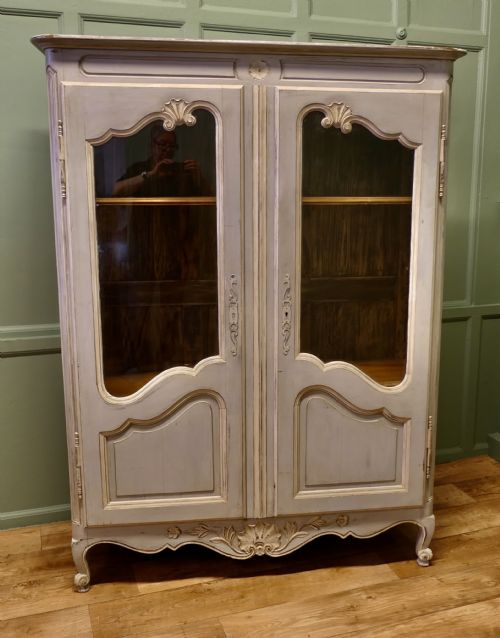
Joinery methods combined traditional frame-and-panel construction with dovetail joints for internal drawers and sturdy brass or iron hardware for hinges and locks. Painted finishes, scumble glaze, and intricate lacquer work also appear across specific regional and stylistic groups.
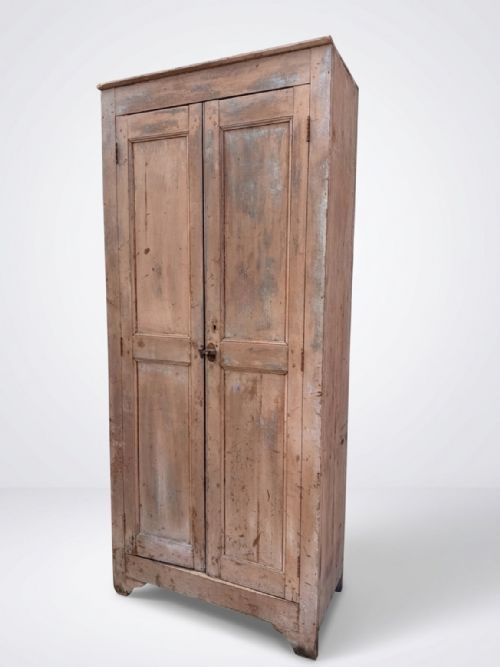
One cheerful housekeeper cupboard wears original blue paint, ready to guard linens with centuries of cheerful domestic history.
Distinguishing quality across examples
The standard of timber selection and veneer matching dictates visual hierarchy, distinguishing plain solid constructions from finely figured burr walnut or flame mahogany surfaces. Architectural proportion and the crispness of carved or inlaid details further separate standard utility pieces from high-design cabinets.
Internal configuration and original hardware integration influence overall desirability. Fitted compartments, original brasses, and retained structural integrity demonstrate superior original manufacture and careful survival through successive generations.
maples & co·harris lebus
The Vintage Double Armoire Glossary
- Armoire
- A large freestanding cupboard or wardrobe, typically featuring two doors enclosing hanging space or shelving. European examples often display pronounced architectural cornices.
- Compactum
- A fitted wardrobe that combines hanging space with internal drawers, shoe racks, and compartments. This configuration maximises storage efficiency within a single footprint.
- Linen Press
- A tall cabinet featuring upper sliding trays or shelves for folded textiles above a chest of base drawers. Georgian and Victorian iterations often utilise figured mahogany.
- Scumble
- A translucent decorative paint layer manipulated with combs or rags to imitate the grain of richer timber. Nineteenth-century examples often applied this technique over pine.
- Breakfront
- A cabinet facade where the central section projects forward from the flanking wings. This format provides visual depth on larger wardrobes.
Vintage Double Armoire: Frequently Asked Questions
How do I fit out an antique armoire?
Many vintage armoires arrive with original hanging rails or sliding shelves that suit modern coat hangers and folded garments. Internal depths vary, so checking clearance dimensions ensures standard hangers close the doors properly without crushing fabrics.
Adding discreet internal LED strips illuminates dark interiors without damaging historic timber. Unfitted cupboards often accept custom wooden shelving units built to resting ledges without permanent alteration.
Are these wardrobes easy to dismantle?
Certain Victorian and Edwardian examples utilise knockdown construction with pegged or bolted joints designed for transport up narrow staircases. Examining the interior corners reveals whether the cornice, base, and sides separate into manageable flat panels.
Solidly constructed Georgian and Art Deco cabinets often arrive as single heavy units requiring specialist removal teams. Verifying delivery access paths before purchase prevents installation difficulties.
How do I care for antique wood finishes?
Routine maintenance requires simple dusting with a dry microfibre cloth followed by occasional application of microcrystalline wax to nourish dry timber. Avoiding direct sunlight and heating vents prevents veneer lifting and wood splitting.
Spills require immediate blotting rather than wiping to protect historic polish and painted surfaces. Natural beeswax preserves the patina without creating synthetic silicone buildup.
What is the difference between an armoire and a compactum?
An armoire primarily provides vertical hanging space behind two large doors, sometimes supplemented by a single base drawer. Its internal volume focuses on garments requiring full-length suspension.
A compactum divides its internal architecture into multiple zones, incorporating dedicated drawer stacks, tie racks, and smaller shelving compartments alongside wardrobe space. This multi-functional layout provides comprehensive clothing organisation.