
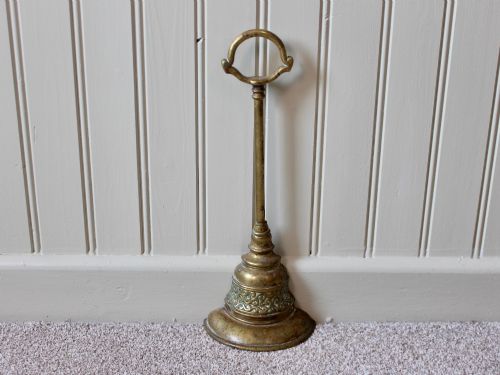


Vintage Door Porter
A vintage door porter holds a room open against a draft with weight and form.
Vintage Door Porter
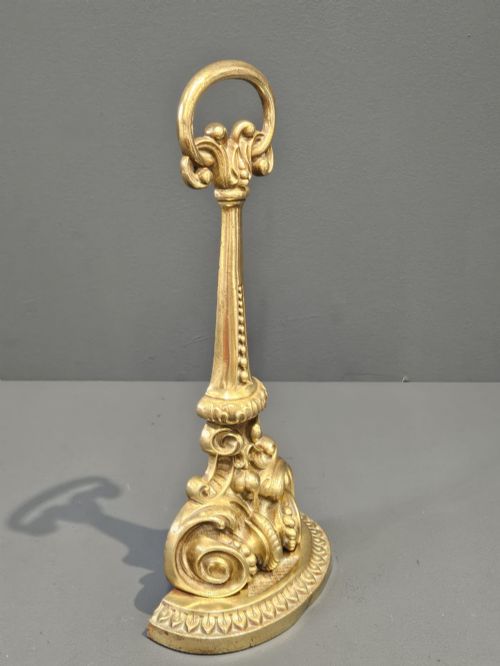
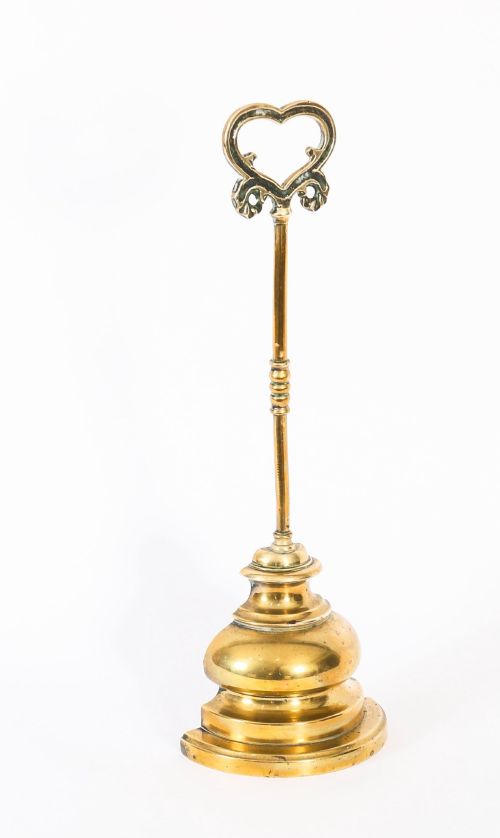
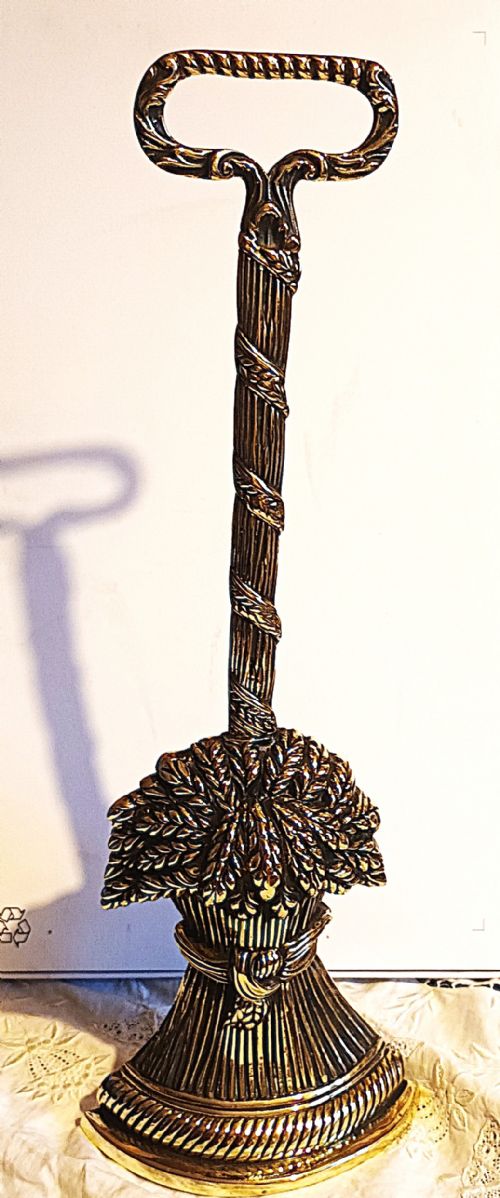
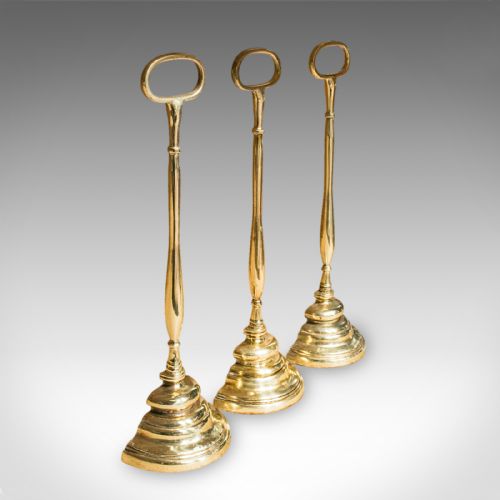
When you search for a vintage door porter, you encounter substantial metal objects designed to keep heavy interior doors from swinging shut. These pieces range across the Victorian, Edwardian, and Georgian periods, originating primarily from English country houses and town residences.
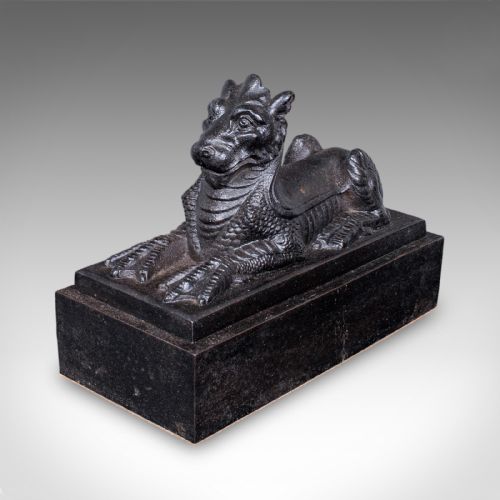
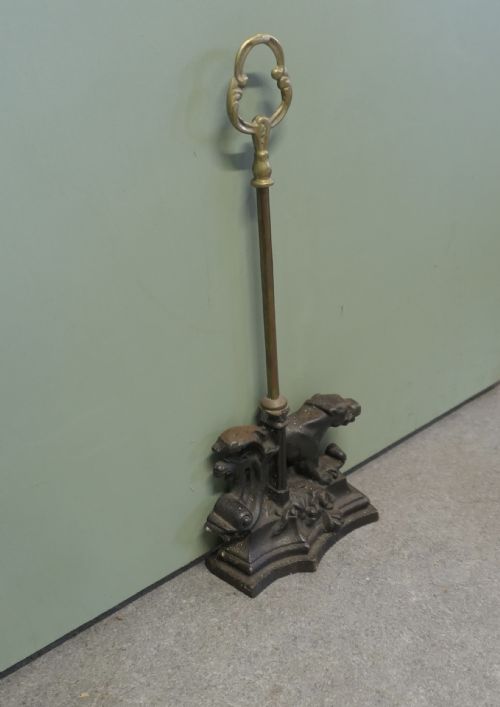
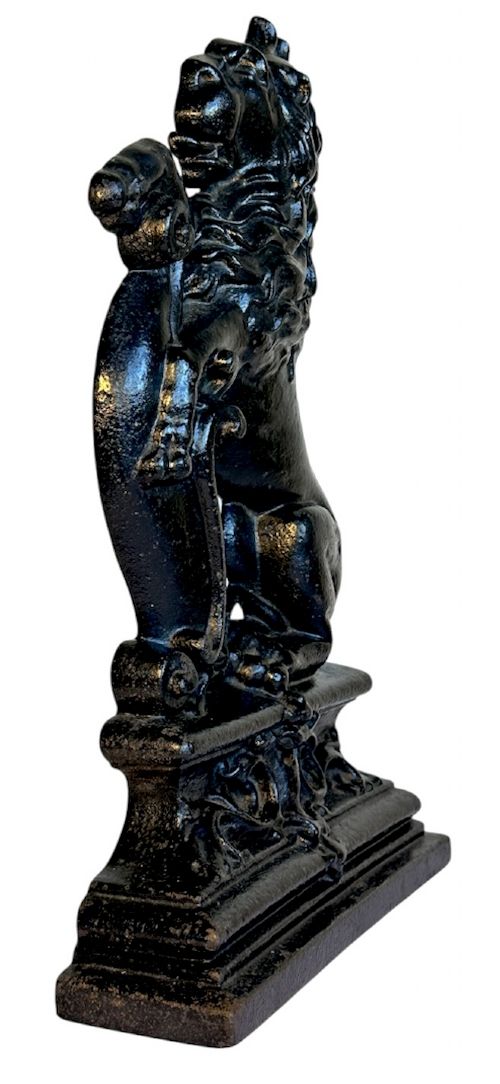
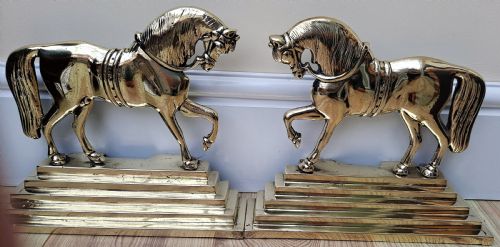
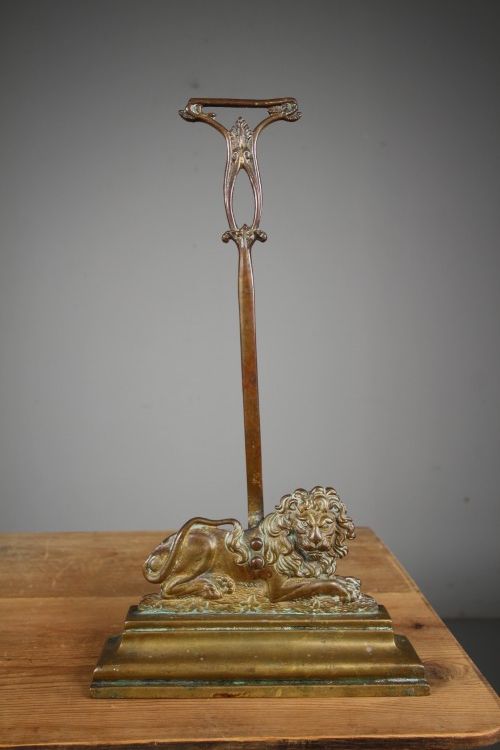
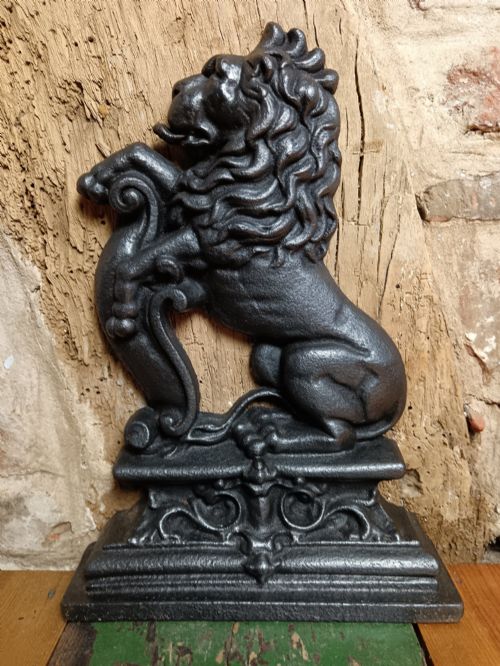
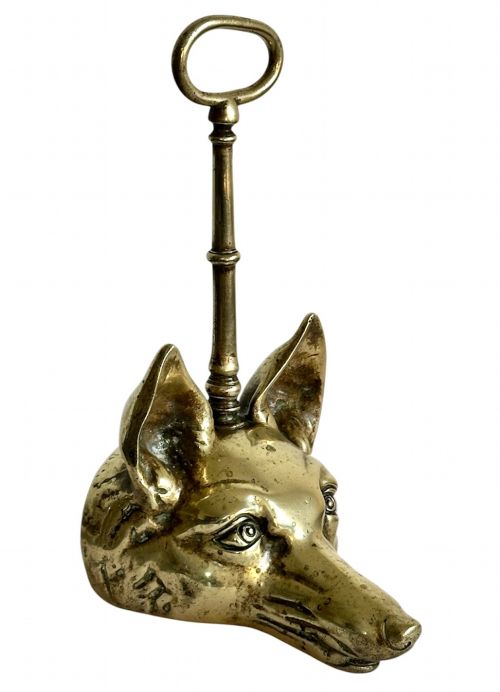
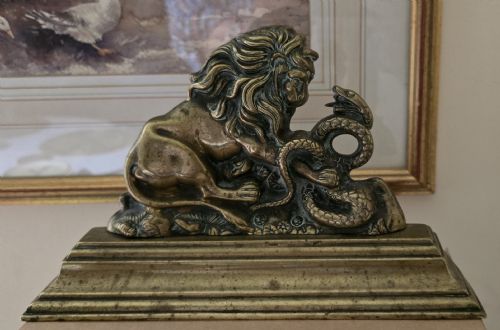
The most common form on this page is the figurative cast iron or brass doorstop, shaped as lions, horses, dogs, and figures such as Lord Nelson or Mr Punch. Alongside these, you find chimney horses, cherubs with dolphins, and armorial designs used as door keepers.
These items transition easily between practical hallway service and decorative display as fireplace ornaments or study door sentries.
What varies in quality
Weight distribution and metal thickness also define the tier of the piece, as heavier solid brass or dense cast iron offers superior functional stability against stubborn doors.
Listings span periods from the Georgian era through the Victorian and Edwardian decades, using cast iron, brass, and bronze.
Tonks·William Tonks
The Vintage Door Porter Glossary
- Door porter
- A heavy movable weight placed against a door to keep it open. It shares its function with the doorstop and door keeper.
- Chimney horse
- A specific form of brass or iron porter associated with hearths and chimney furniture. They frequently appear in pairs.
- Cast iron
- An iron-carbon alloy poured into moulds to create rigid, heavy objects. It forms the backbone of many utilitarian Victorian stops.
- Gilt bronze
- Bronze coated with a thin layer of gold. It provides a rich surface finish seen on select decorative porters.
- Figurative
- Representing a human or animal form. These designs dominate the range of nineteenth-century door furniture.
Vintage Door Porter: Frequently Asked Questions
What is a door porter?
A door porter is a heavy portable weight designed to hold a door open against drafts and hinges.
They function as both practical hardware and decorative ornaments in domestic interiors.
How do I use a door porter?
You place the heavy metal base directly against the floor and the face of an interior door.
Their substantial weight keeps the door stationary without requiring permanent floor fixtures.
Are these pieces made of iron or brass?
The listings include both cast iron and brass, occasionally utilising bronze or lead.
Iron provides utilitarian weight, while brass offers a polished metallic appearance.
How can I tell the period?
Periods are identified through stylistic cues, casting techniques, and specific motifs.
Victorian pieces often feature figurative animal designs, while Georgian examples show earlier classical restraint.