


Traditional Door Porter
Traditional door porter pieces are heavy weights designed to hold interior doors open, offering practical utility and period character.
Traditional Door Porter
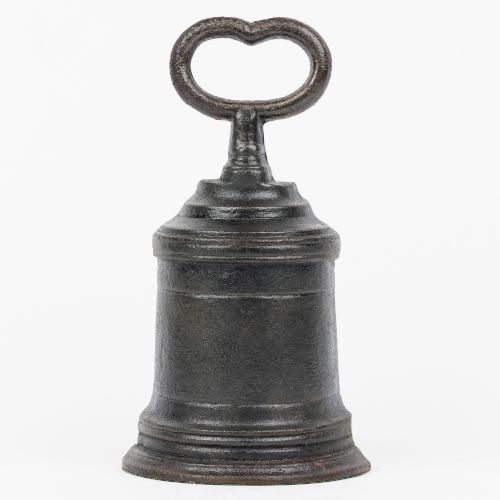
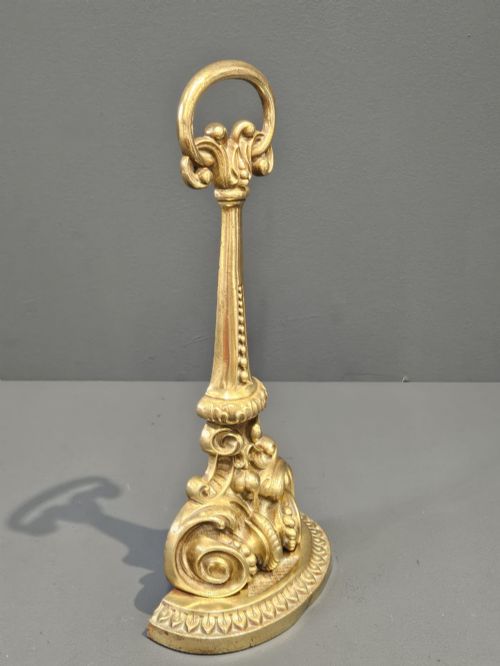
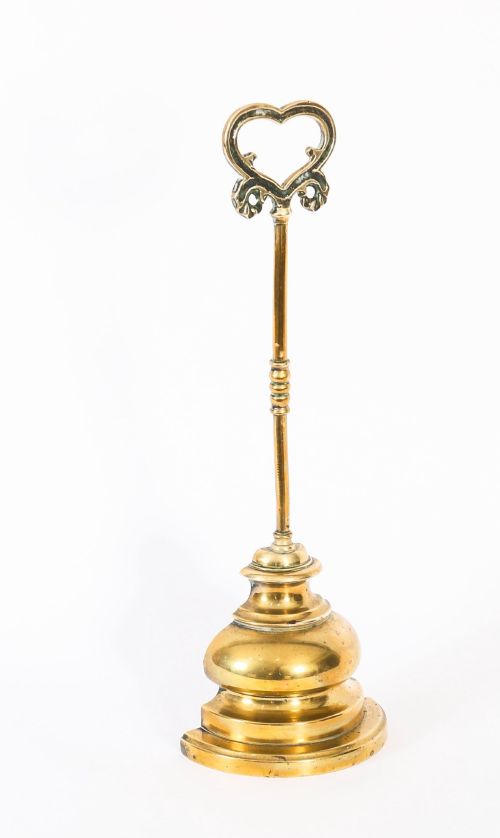
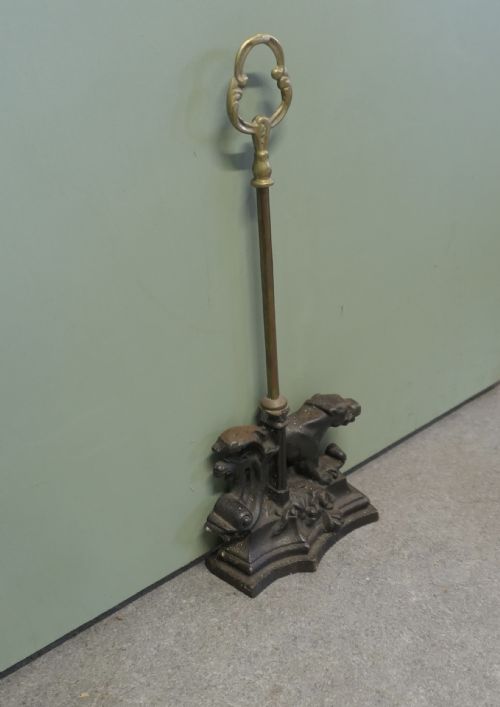
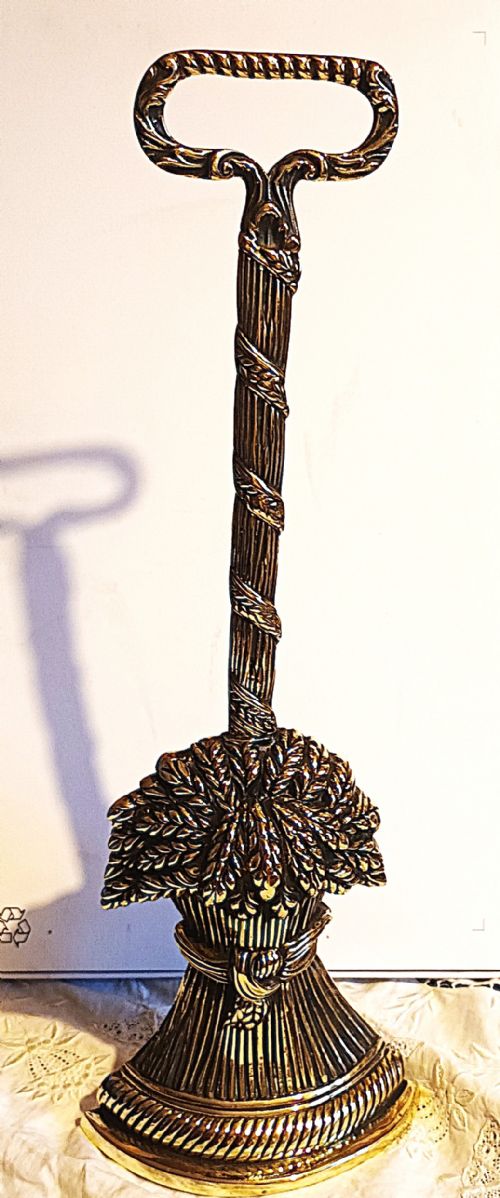
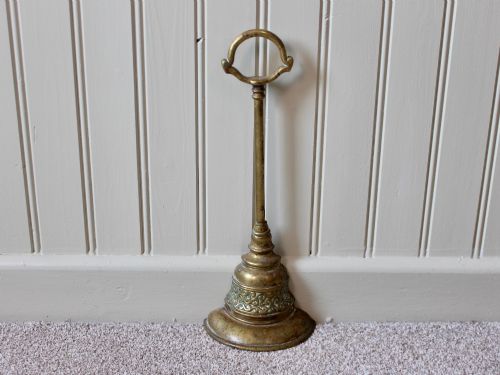
A traditional door porter is a heavy metal weight designed to hold interior doors open against draughts. When you search for a traditional door porter, you will find substantial items fashioned for heavy domestic use.
The pieces appearing on this page span several distinct eras, notably the Victorian period and the Georgian era. Formats range from simple utilitarian blocks to figurative designs such as Mr Punch, lions, and fox heads.
Originating largely from English workshops alongside occasional Dutch examples, these objects combine functional heft with decorative presence. Most examples you will encounter date from the nineteenth century.
How they were made
Makers utilised durable metals such as brass and cast iron, often pouring molten material into moulds to achieve complex figurative shapes. Lead and paint appear occasionally to add weight or surface colour.
Foundry techniques allowed artisans to cast detailed animals and characters like the fox head and lion forms. These casting methods ensured the heavy mass required to keep stubborn household doors stationary.
Listings feature items from the Victorian, Regency, and Georgian periods, utilising brass, cast iron, lead, and paint.
What varies in quality
Maker attribution elevates certain pieces, particularly those bearing recognised foundry marks. The integrity of the original material and surface finish separates standard items from finer workshop output.
Tonks·William Tonks
The Traditional Door Porter Glossary
- Door porter
- A heavy movable weight placed against the base of an interior door to prevent it from closing. These items are also commonly referred to as door stops.
- Cast brass
- An alloy of copper and zinc poured into a mould while molten. This material yields a warm metallic surface that takes a high polish.
- Cast iron
- A hard, brittle iron-carbon alloy shaped by pouring into sand or metal moulds. It provides the dense weight necessary for stopping heavy doors.
- Regency
- An English design period spanning the early nineteenth century. Pieces from this era often display classical restraint and refined proportions.
- Keeper
- An alternative historical term for a device that holds a door in position. This descriptor appears frequently on nineteenth-century examples.
Traditional Door Porter: Frequently Asked Questions
What is a door porter?
A door porter is a heavy floor-standing weight used to keep interior doors from swinging shut. They combine utility with decorative form.
Historically placed in hallways and reception rooms, these items managed heavy draughts in large houses.
How were they used?
They were positioned directly against the base of an open door. Their substantial mass held the door firmly in place.
Servants moved them around the house as needed to control ventilation and movement between rooms.
How do I date a piece?
Dating relies on stylistic clues, materials, and manufacturing techniques. Victorian examples often feature figurative characters and cast iron.
Earlier Georgian and Regency pieces tend to show different proportional standards and material treatments.