


Antique Metal Door Stop
These heavy metal door stops keep heavy interior doors open while bringing sculptural weight and period character to a room.
Antique Metal Door Stop
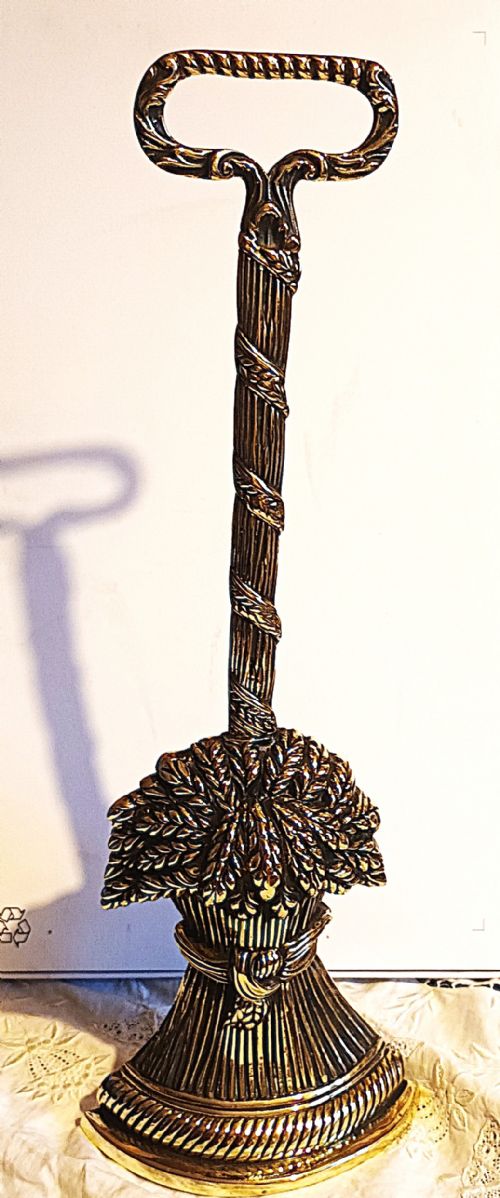
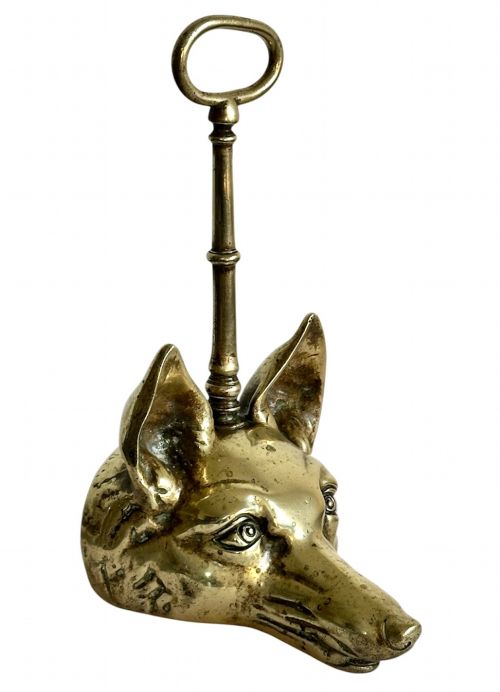
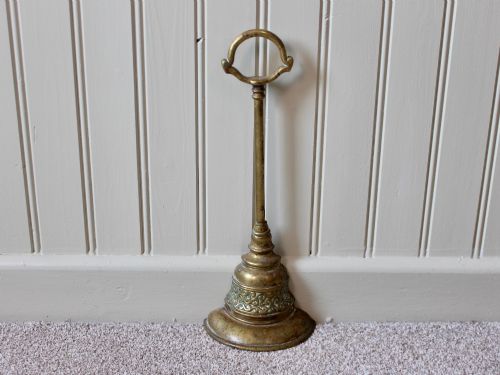
An antique metal door stop, also known as a door porter, is a functional and decorative piece designed to hold doors open in homes and country houses. When searching this phrase, buyers encounter substantial figural casts created to manage heavy draughts.
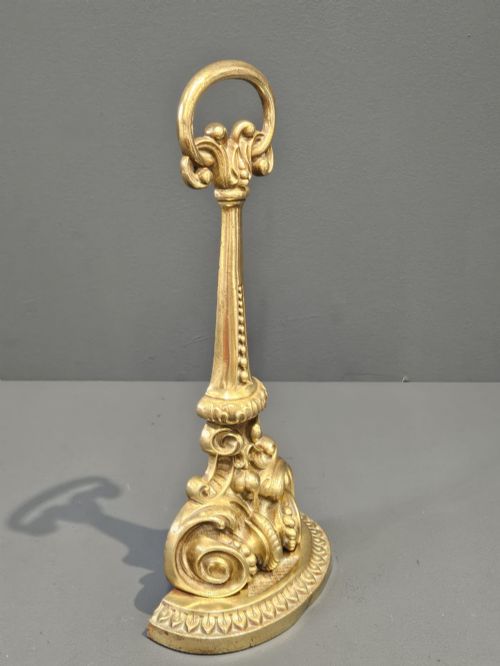
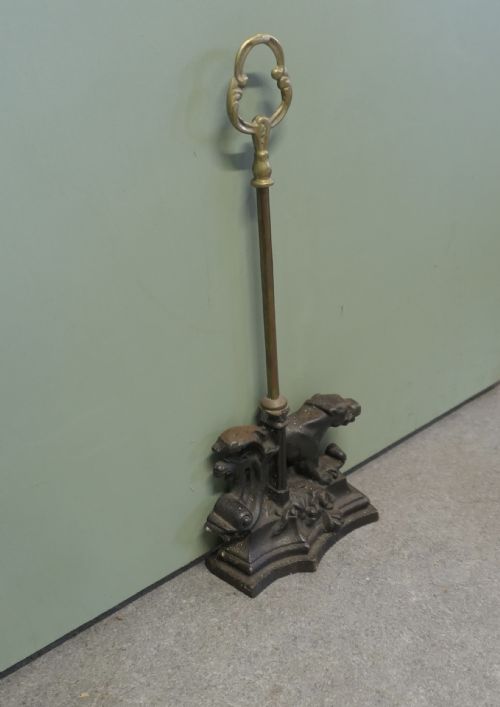
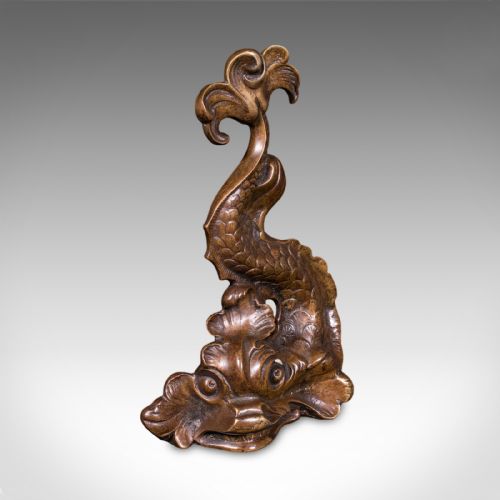
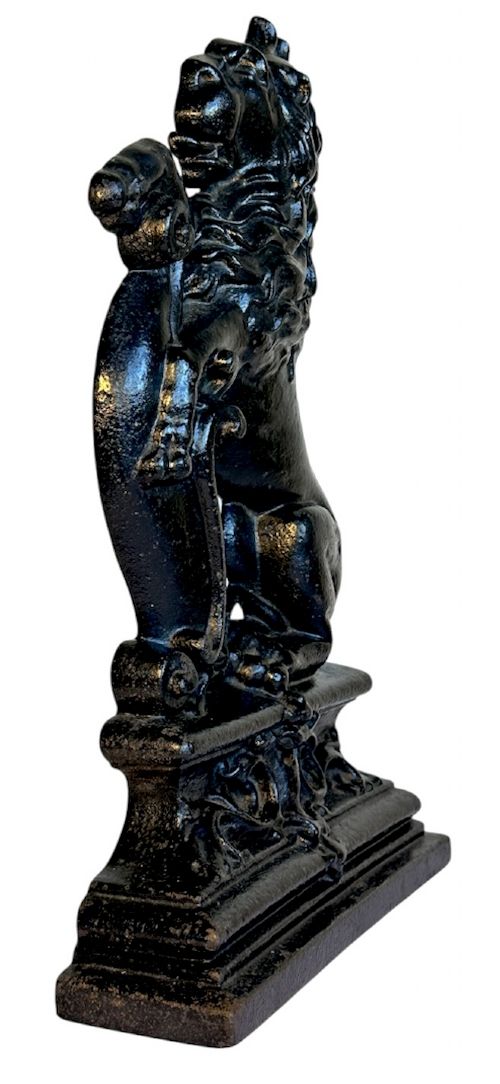
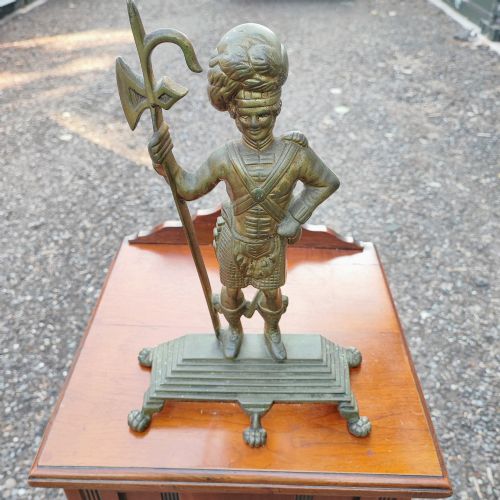
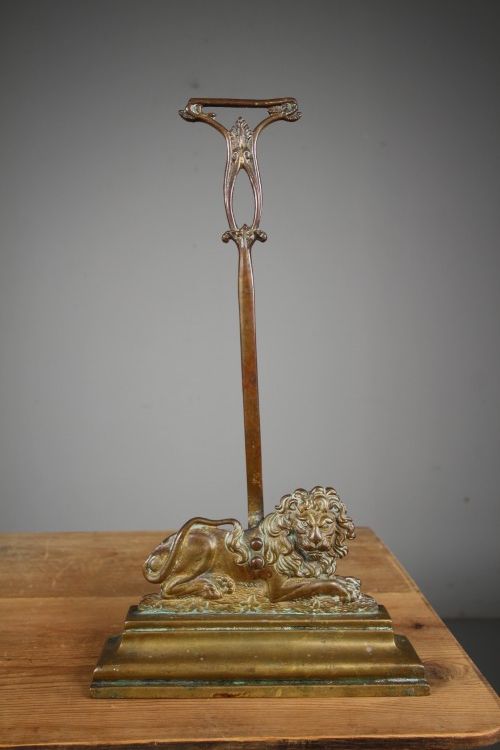
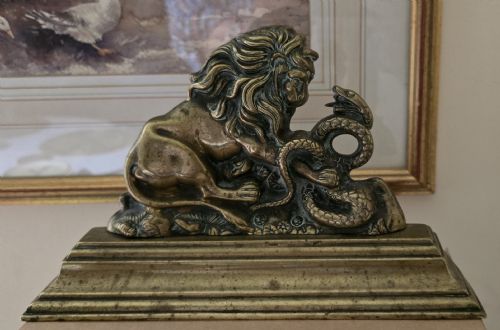
The pieces on this page are predominantly brass and cast iron, originating from the Georgian, Regency, and Victorian periods. Common forms range from heraldic animals such as lions and dolphins to literary and cultural figures like Mr Punch and soldiers.
Materials and casting methods
Foundry workers utilised traditional sand-casting techniques to shape molten brass, cast iron, and bronze into intricate figural designs. Many examples retain traces of original hand-applied paint over the metal surface.
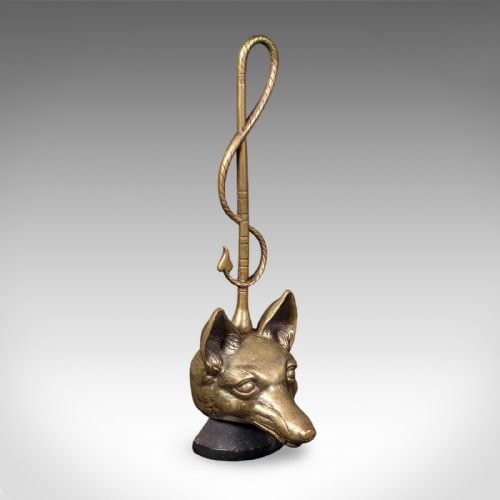
Makers integrated sturdy iron stems and handles into the heavier bronze and brass castings to ensure the door stops could be easily lifted and repositioned across floorboards.
Object forms include sculptural animals, soldiers, and literary figures such as Mr Punch alongside traditional door porters.
Assessing quality and craftsmanship
The integrity of the original handle and the weight of the base determine the utility and presence of the piece. Heavier metals and well-balanced proportions indicate superior manufacture.
Tonks
The Antique Metal Door Stop Glossary
- Door porter
- A traditional alternative name for a heavy door stop, often featuring a vertical handle for lifting. This term appears frequently in nineteenth-century descriptions.
- Cast iron
- An iron-carbon alloy poured into moulds to create rigid, heavy objects. It forms the foundation of many robust nineteenth-century utility pieces.
- Cast brass
- A copper and zinc alloy shaped through foundry casting. This material yields a bright, warm metallic finish that ages with a distinctive patina.
- Figural
- Descriptive of an object that takes the shape of a human, animal, or mythical creature. These sculptural forms dominate domestic door furniture of the period.
- Patina
- The surface sheen and coloration developed by metal through age and handling. Collectors value undisturbed patination for its authenticity.
Antique Metal Door Stop: Frequently Asked Questions
What is an antique metal door stop?
These are heavy objects made from brass, cast iron, or bronze designed to keep interior doors propped open. They combine practical utility with decorative figural sculpture.
Most examples date from the Georgian, Regency, and Victorian eras, taking the form of animals, historical figures, or heraldic symbols.
How were door porters used?
Servants and homeowners placed them against heavy interior doors to prevent them from slamming shut in draughty hallways and country houses.
The upright handle allowed people to pick up and move the heavy metal weight easily between rooms.
Are they made of brass or cast iron?
Both metals appear frequently, alongside occasional bronze and lead examples. Brass versions often show a polished or patinated golden finish, while iron pieces are heavier and sometimes painted.
Selection depends on the desired aesthetic and the weight required to hold a particular door.
How do I date an antique door stop?
Dating relies on stylistic clues, the casting technique, and the metal composition. Georgian and Regency pieces often feature neoclassical motifs like dolphins and lions, while Victorian versions include popular characters such as Mr Punch.
Materials also shift across eras, with specific casting marks and construction methods offering further evidence of age.