




Vintage Figure Door Porter
These vintage figure door porters are heavy metal stops designed to hold heavy doors open with distinct character.
Vintage Figure Door Porter
A vintage figure door porter serves as a practical heavy weight for propping doors open while doubling as a sculptural ornament for the hall. When you search for a vintage figure door porter, you meet substantial metal pieces cast in the likeness of animals, historical figures, and literary characters.
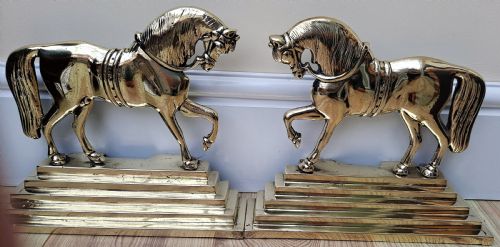
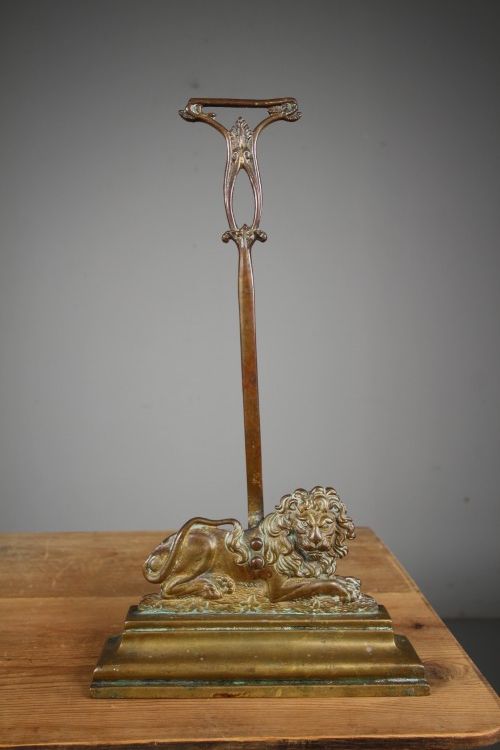
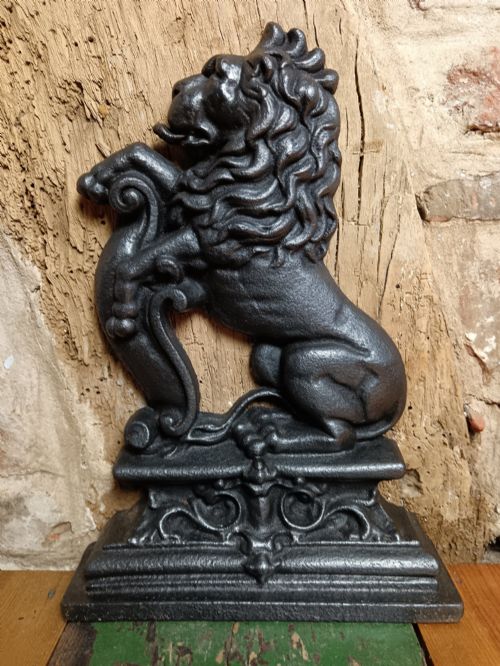
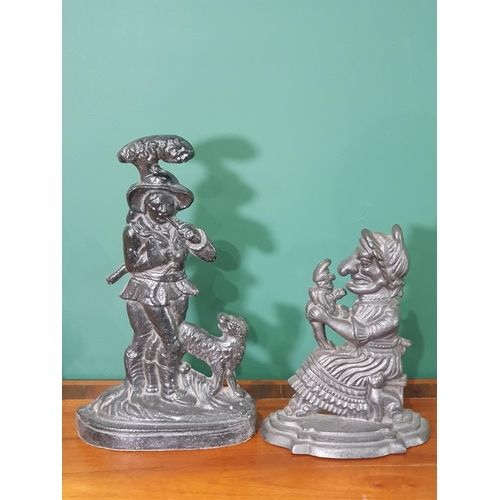
The selections span the nineteenth century and the Victorian era, alongside Georgian and Edwardian examples. You encounter lions, horses, dogs, elephants, Lord Nelson, Mr Punch, and Dr Jim guarding thresholds.
Most pieces take the form of freestanding single figures or matched pairs designed for heavy interior doors. Their origins are rooted in English manufacture, utilising durable metals to withstand daily use in grand hallways.
How they were made
Foundries produced these pieces primarily through sand casting in iron and brass, creating solid, heavy bodies capable of resisting shifting doors. Molten metal poured into moulds captured fine details of manes, uniforms, and facial expressions.
Many items combine cast iron and brass components, sometimes integrating integrated carrying handles or hooks at the top for easy movement. Surviving examples retain traces of original paintwork, gilt bronze, or polished brass finishes applied after casting.
Lord Nelson and Mr Punch stand shoulder to shoulder with cast iron dogs guarding the rug.
What varies in quality
The presence of original surface decoration, such as painted highlights on figures like Mr Punch or Lord Nelson, elevates the visual appeal. Matched pairs also command greater interest from collectors seeking symmetry for double doors.
The Vintage Figure Door Porter Glossary
- Door porter
- A heavy movable weight used specifically to keep doors open. This term is frequently used interchangeably with doorstop.
- Cast iron
- A strong, heavy iron-carbon alloy poured into moulds to form rigid shapes. It provides the necessary mass for holding heavy doors.
- Cast brass
- An alloy of copper and zinc melted and poured into a mould. It yields a bright metallic finish that resists corrosion.
- Gilt bronze
- Bronze coated with a thin layer of gold or gold-coloured alloy. This finish adds a rich decorative sheen to figural castings.
- Rampant
- A heraldic term describing an animal standing on its hind legs with forepaws raised. Lions are frequently depicted in this dynamic posture.
Vintage Figure Door Porter: Frequently Asked Questions
What is a door porter?
A door porter is a heavy freestanding weight designed to hold interior doors open. These pieces combine utility with decorative figural sculpture.
They sit on the floor near the threshold, using their substantial metal mass to prevent doors from swinging shut.
How heavy are these doorstops?
These pieces are cast in solid iron or brass to provide significant weight. This heft ensures they remain stable when holding heavy wooden doors.
Many feature a built-in handle at the top so you can lift and shift them easily between rooms.
Where were they placed?
Door porters stood in the hallways, libraries, and principal reception rooms of large houses. They kept tall doors open to improve ventilation and ease movement between spaces.
Their prominent placement meant they functioned as decorative conversation pieces as well as practical tools.
Are they sold in pairs?
Some examples appear as matched pairs intended for grand double doors. Single figures are equally common for standard single doorways.
Porter pairs often feature mirror-image animal designs like rampant lions or chimney horses.