



Traditional Metal Doorstop
These traditional metal doorstop pieces combine practical weight with distinct character, offering a solid domestic accent for period interiors.
Traditional Metal Doorstop
A traditional metal doorstop serves the heavy, everyday task of keeping heavy interior timber doors propped open securely. These items appear in domestic settings from the Georgian and Victorian periods, functioning as both utility objects and decorative room accents.
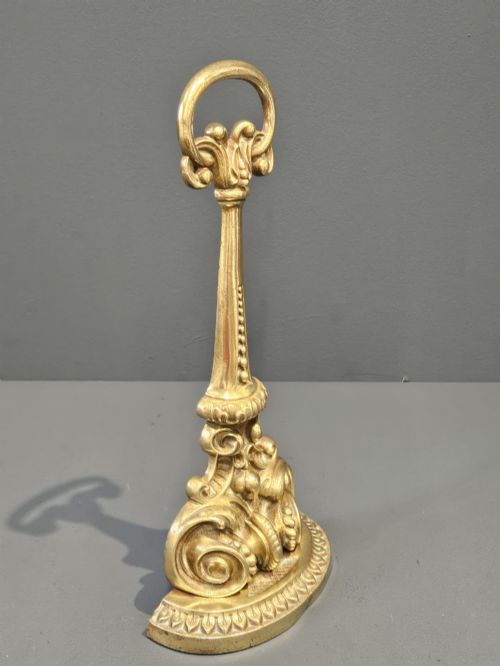
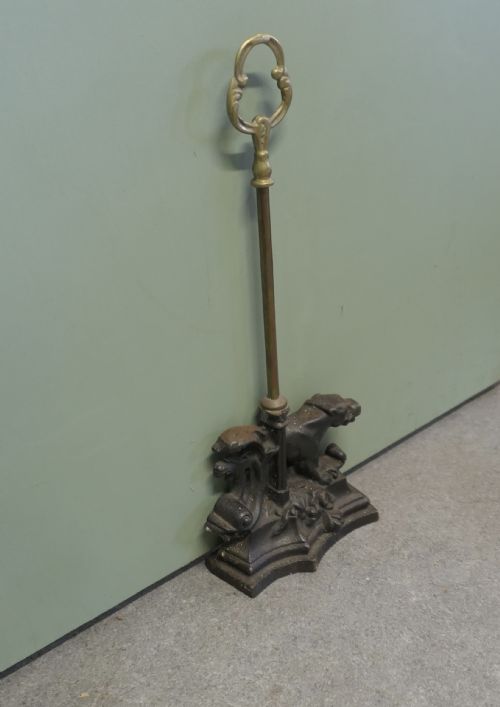
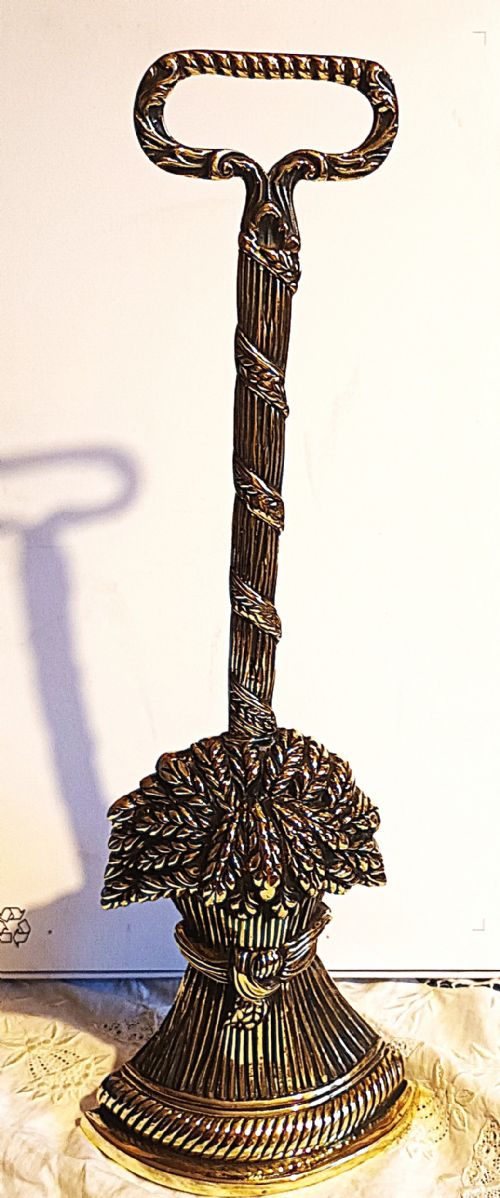
Most examples found here date to the nineteenth century, including pieces from the Victorian era and the late Regency period. They take the form of sculptural figures, animals, and architectural porters designed to sit flat upon the floor.
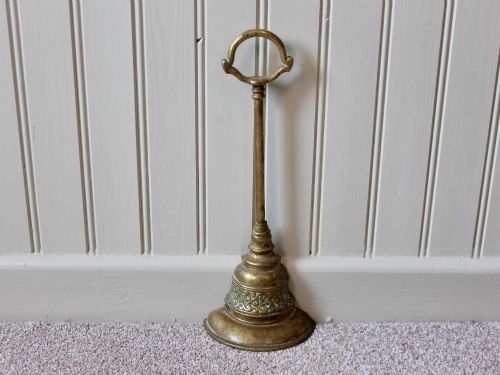
Common motifs include figurative subjects such as Mr Punch and lions, alongside fox heads and classic brass porters. These pieces originate primarily from English workshops, with occasional Dutch examples appearing in brass.
How they were made
Traditional Metal Doorstop Retail Price Guide 2026
Typical asking prices for traditional metal doorstop among the pieces listed under this phrase on Sellingantiques today, from the lower quarter to the upper quarter. They describe what is for sale here now, not the wider market.
Listings feature items from the Georgian, Regency, and Victorian periods, executed in cast iron, lead, and brass.
What varies in quality
The definition of the cast separates simpler utility pieces from finer sculptural works. Crisp lines in the metalwork and well-defined facial expressions or fur textures indicate superior foundry skill.
Surface preservation affects the overall character of painted iron and polished brass alike. Original untouched paint surfaces or aged brass patination hold greater visual interest than heavy modern restoration.
Tonks·William Tonks
The Traditional Metal Doorstop Glossary
- Door porter
- A heavy portable doorstop, often featuring an upright handle or ring, designed to be lifted easily between rooms.
- Cast iron
- An iron-carbon alloy poured into moulds to create heavy, rigid objects with high durability. It forms the foundation for many figurative stops.
- Cast brass
- A copper and zinc alloy shaped through foundry casting, valued for its warm metallic tone and resistance to corrosion.
- Regency
- A British design period spanning the early nineteenth century, known for classical restraint and robust proportions.
Traditional Metal Doorstop: Frequently Asked Questions
How heavy are these doorstops?
These pieces possess substantial weight derived from solid cast iron or brass construction. This mass allows them to hold heavy doors securely in place during a draught.
Their heavy build means they remain stable on floorboards and carpets alike without sliding.
Can I use them outside?
These items were built for interior domestic use in hallways and sitting rooms. Iron examples are particularly susceptible to outdoor moisture.
Exposing painted iron or polished brass to exterior weather risks rust and surface degradation over time.
How do I clean brass ones?
Regular dusting with a soft cloth preserves the natural accumulation of age and handling. Avoid harsh chemical cleaners that strip the historic surface.
Gentle wiping maintains the darker patination that collectors appreciate on nineteenth-century metalwork.
What is a door porter?
A door porter is a specific vertical style of doorstop featuring an integrated handle at the top. This handle allows the user to move the heavy weight between rooms with ease.
These taller porters often appeared in grander hallways where doors required a substantial anchor.