
Vintage Dog Ornament
These vintage dog ornament pieces span terracotta, bronze, and pottery, offering a tangible link to past domestic lives.
Vintage Dog Ornament
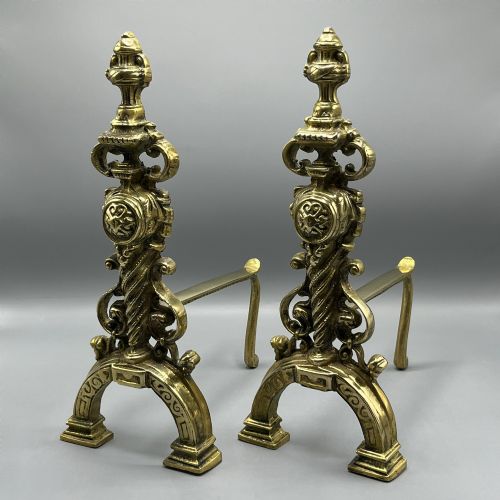
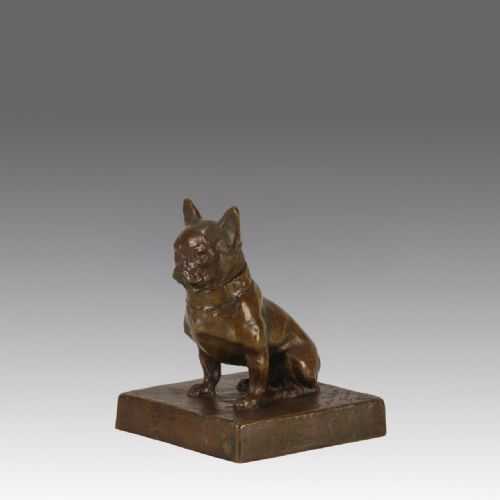
When you search for a vintage dog ornament, you encounter a diverse array of sculptural forms and utilitarian objects shaped like hounds, pugs, spaniels, and terriers. These items serve primarily as decorative figures, mantle displays, or functional household accessories such as table lighters and desk seals.
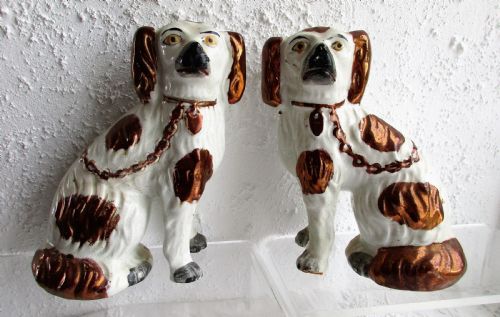
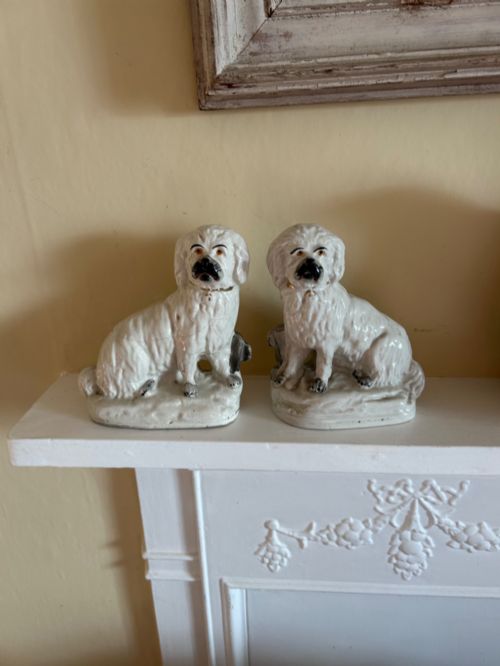
The selections on this page draw from the nineteenth century through to the mid-twentieth century, encompassing Victorian earthenware pairs alongside Art Deco bronze studies. Staffordshire pottery spans are particularly prominent among the ceramic offerings, often appearing as matched pairs designed for hearth placement.
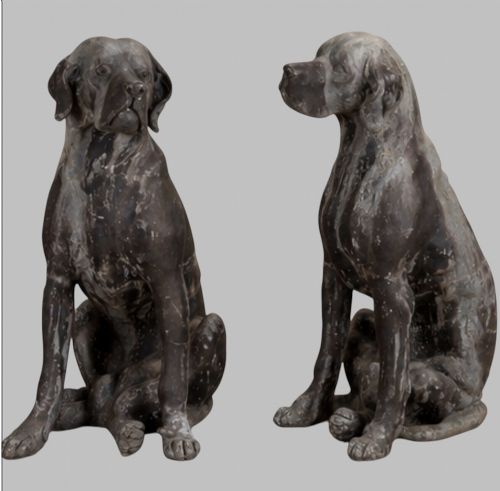
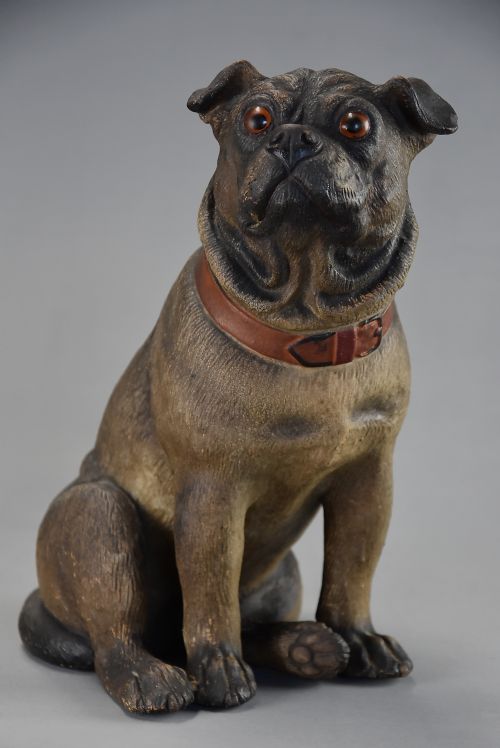
Beyond earthenware, the objects extend into porcelain, terracotta, and cast metals. Forms range from miniature poodles to life-size hound sculptures, reflecting varied domestic tastes across different British, European, and Asian workshops.
Materials and construction
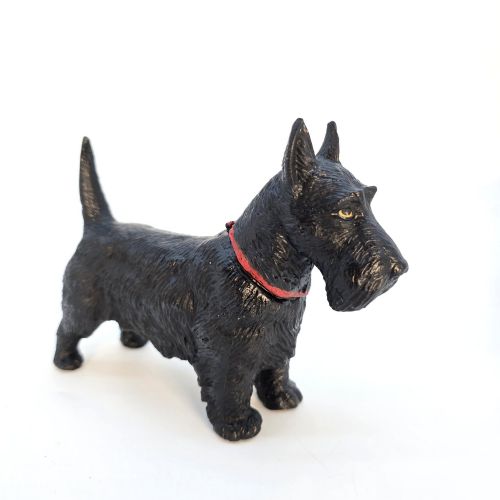
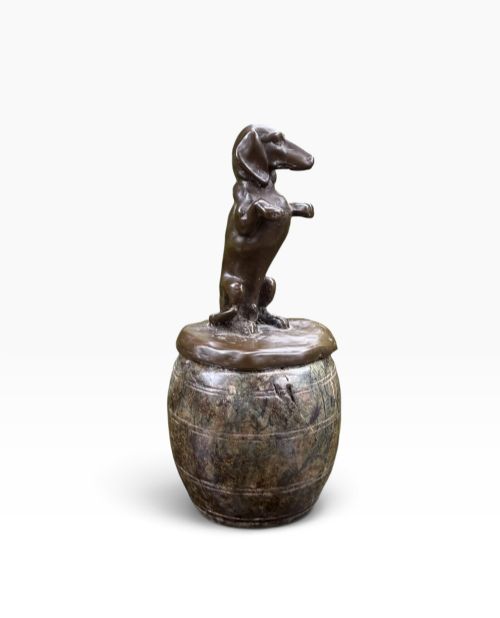
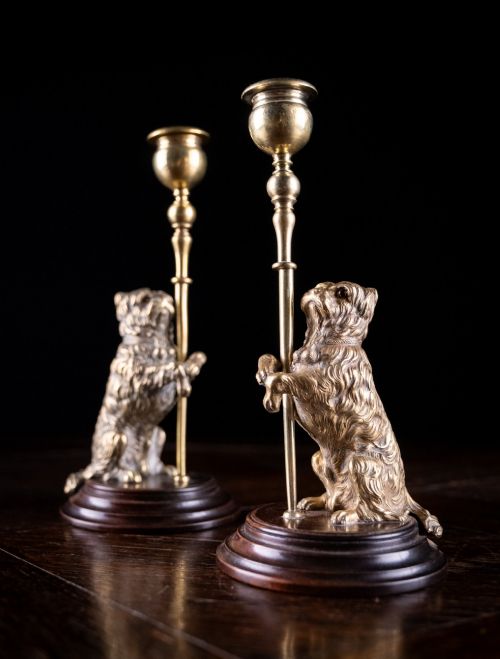
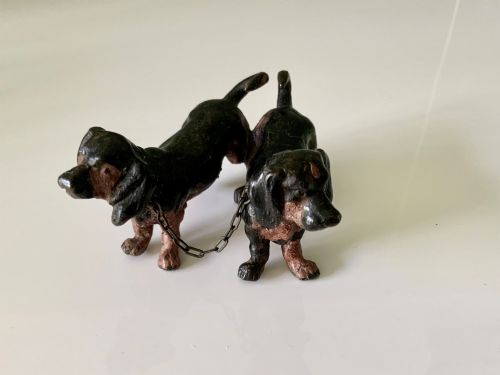
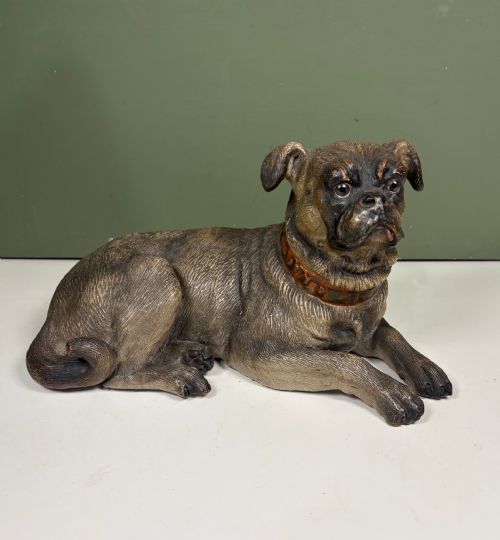
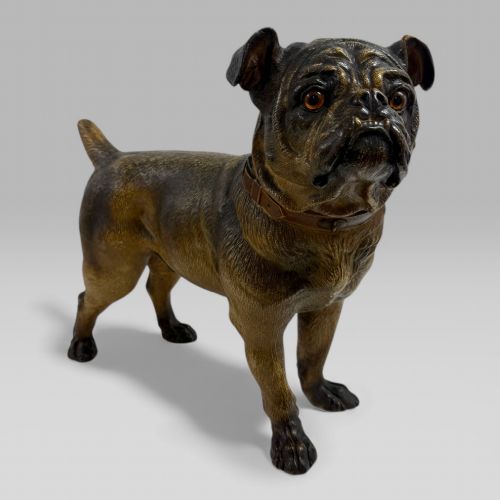
Metal pieces utilise bronze, brass, iron, or lead, often created through lost-wax casting or sand casting. Cold-painted bronze items receive hand-applied polychrome finishes directly onto the metal surface, while brass and bronze studies showcase detailed chiseled tooling.
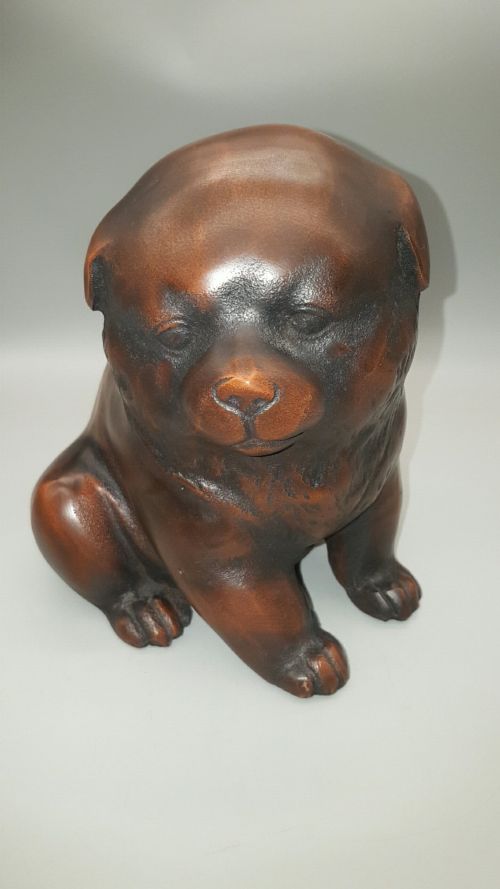
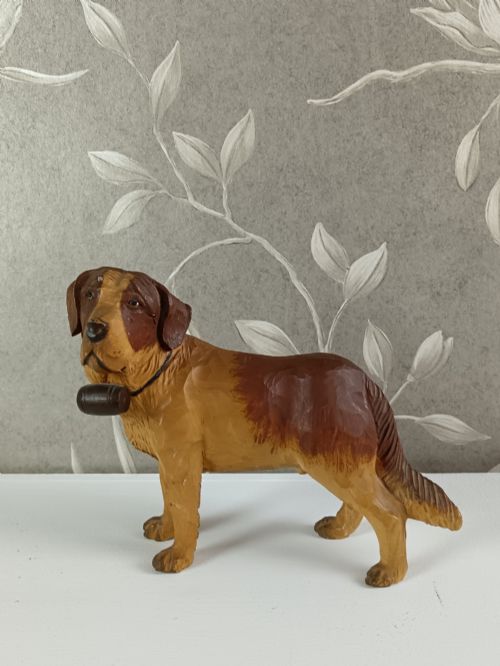
Terracotta and wooden sculptures demonstrate hand-modelling and carving techniques. Terracotta pieces utilise fired clay left unglazed or painted, while wooden items display direct carving marks appropriate to their mid-century origins.
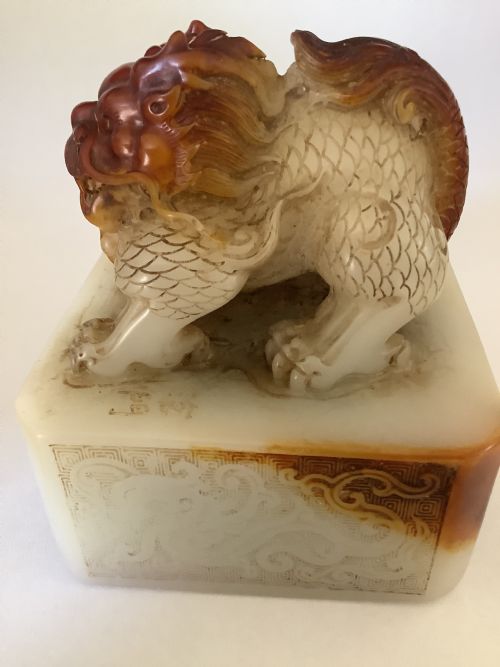
Object forms documented here range from cast metal table lighters and desk seals to large ceramic mantle figures.
Distinctions in quality
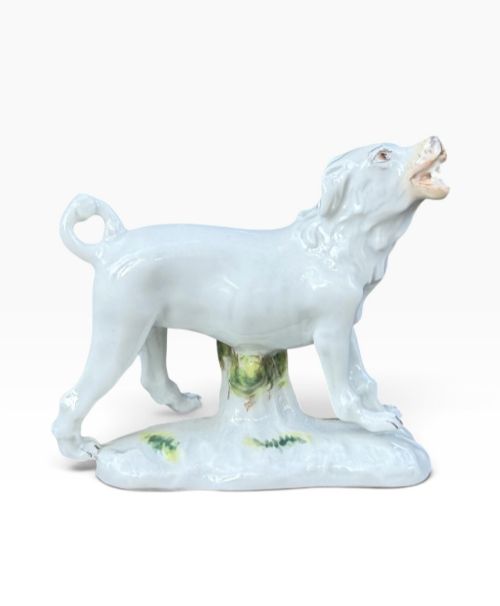
The quality of a vintage dog ornament rests largely on the crispness of the modelling and the sensitivity of the hand-finishing. Finer pottery and porcelain pieces display sharp facial expressions and clean application of enamel or glaze, whereas simpler work appears softer in line.
In metalwork, the distinction lies in the depth of the casting and the preservation of cold-painted or patinated surfaces. Superior bronze and brass studies retain fine anatomical details in the fur and musculature without obscuring them beneath heavy layers of later paint.
Meissen porcelain·Tsunemitsu·Dora Heber·Rosenthal
The Vintage Dog Ornament Glossary
- Staffordshire pottery
- Earthenware figures produced in the Staffordshire potteries of England. These are frequently modelled as seated spaniels or greyhounds intended for mantelpiece display.
- Cold-painted bronze
- Metal sculpture painted with non-heat-set paints after casting. This technique was widely utilised by Austrian foundries for small animal figures.
- Animalier
- A nineteenth-century artistic movement focused on the realistic depiction of animals. Practitioners rendered dogs and other fauna with anatomical precision in bronze or terracotta.
- Parian
- A type of fine white porcelain resembling marble, developed in the nineteenth century. It is commonly used for smooth, unglazed figural sculptures.
- Vienna Bronze
- Small, highly detailed bronze castings produced in Austrian workshops. They often depict realistic or whimsical animal subjects.
Vintage Dog Ornament: Frequently Asked Questions
How do I identify genuine Staffordshire dogs?
Examine the base for vent holes and check the potting weight and glaze consistency. Look for hand-painted facial markings rather than modern printed transfers.
Early examples often exhibit craquelure in the glaze and minor potting imperfections consistent with nineteenth-century kiln methods.
What is cold-painted bronze?
Cold-painting involves applying oil-based paints to a finished bronze casting without subsequent firing. This method preserves delicate surface details.
Over time, these painted surfaces can show characteristic wear that helps confirm their age.
Where were Staffordshire dog ornaments displayed?
These pottery figures traditionally sat on either side of the fireplace mantelpiece in Victorian homes. They were commonly arranged facing inward toward one another.
This domestic placement earned them the alternative name of hearth spaniels.
How should I clean antique ceramic dog figures?
Dust the surface gently with a soft, dry brush to remove particulate matter. Avoid submerging older earthenware in water, as moisture can penetrate through crazed glaze.
Harsh chemical cleaners will damage delicate enamel and paint layers applied over the glaze.