



American Bronze Sculpture
American bronze sculpture captures horsemen, wildlife and human figures in enduring metal, offering collectors a tangible piece of transatlantic history.
American Bronze Sculpture
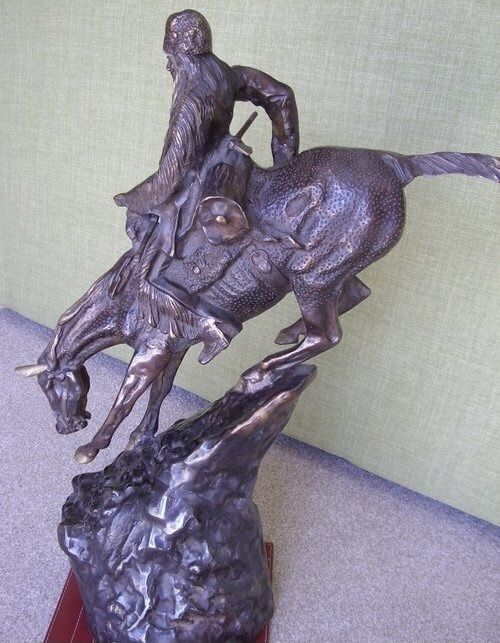
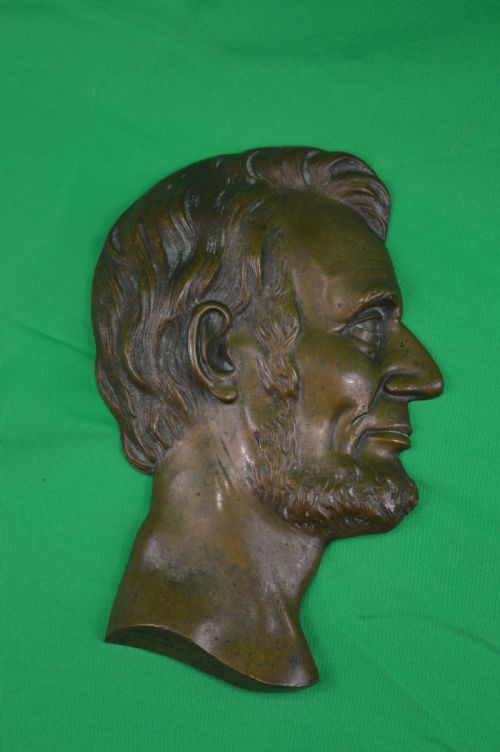
When you search for american bronze sculpture, you encounter works spanning the nineteenth century through the early twentieth century. The selection ranges from Western Americana subjects such as cowboys and horses to animalier studies and human portraits.
You are most likely to meet sculptures and relief plaques executed in cast bronze and cold painted metal. These pieces vary in style from Victorian and Art Nouveau to Art Deco.
Origins include named artists and studios working across the period, producing figures that measure up to significant heights like sixty-three centimetres.
Materials and construction
Makers utilised bronze and cast bronze as the primary medium for these figures, often pairing the metal with marble bases. Cold painted metal appears in specific studies.
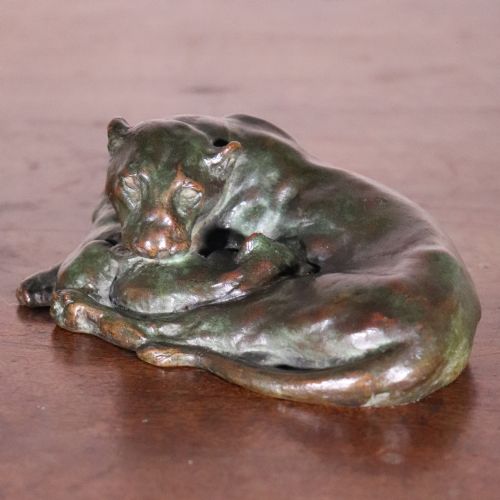
Casting techniques allowed artists to capture fine anatomical details in subjects such as terriers, horses and human figures. Surface treatments include cold painted finishes that add colour to the metal.
A bronze terrier captured mid-turn brings a lively canine presence to any desktop.
Quality differences
The distinction between tiers rests on the crispness of the casting and the sensitivity of the modelling. Finer pieces show careful attention to musculature and expression in subjects ranging from animals to human busts.
Surface finish and patination also divide the range, with skilled cold painting or rich patinas marking out superior examples. Signature placement and the association with known makers elevate particular works.
Frederic Remington·Edith Parsons·Jennings Brothers·Anna Vaughn Hyatt Huntington·Mario Korbel·Harriet Whitney Frishmuth
The American Bronze Sculpture Glossary
- Animalier
- A nineteenth-century artistic movement dedicated to the realistic portrayal of animals. Sculptors in this tradition focused on the accurate anatomy and behaviour of beasts.
- Cold Painted Metal
- Metalwork decorated with paint applied after the casting process without subsequent firing. This technique gives a distinct surface colour that requires careful preservation.
- Relief Plaque
- A wall-mounted sculptural work where the figures project from a flat background. These pieces offer a different format to freestanding statues.
- Western Americana
- Artworks depicting the history, folklore and landscape of the American West. Common subjects include cowboys, horses and indigenous figures.
American Bronze Sculpture: Frequently Asked Questions
What subjects appear most often?
The selection includes Western subjects like cowboys on bucking horses and Native American figures. Animal studies of terriers and lions also recur alongside human busts and dancers.
These diverse subjects reflect the interests of American artists during the late nineteenth and early twentieth centuries.
How large are these sculptures?
Dimensions vary considerably depending on the subject and the maker's intent. Some tabletop studies measure modestly, while others reach heights exceeding sixty centimetres.
Reviewing the specific measurements in each listing ensures the piece fits your intended display space.
What materials did makers use?
Cast bronze serves as the principal material for the majority of these works. Some pieces incorporate marble elements or feature cold painted metal surfaces.
These materials contributed to the durability and detailed finish characteristic of the period.
How do I identify the period?
Dating relies on stylistic markers associated with movements such as Art Deco, Art Nouveau and Victorian design. Evidence from signatures and historical records also helps place works in the nineteenth or early twentieth century.
Comparing the casting style with known dated examples provides further context.