




Green Patina Bronze
Green patina bronze pieces bring centuries of cast metalwork into your space, offering weathered surfaces shaped by time and deliberate chemical treatments.
Green Patina Bronze
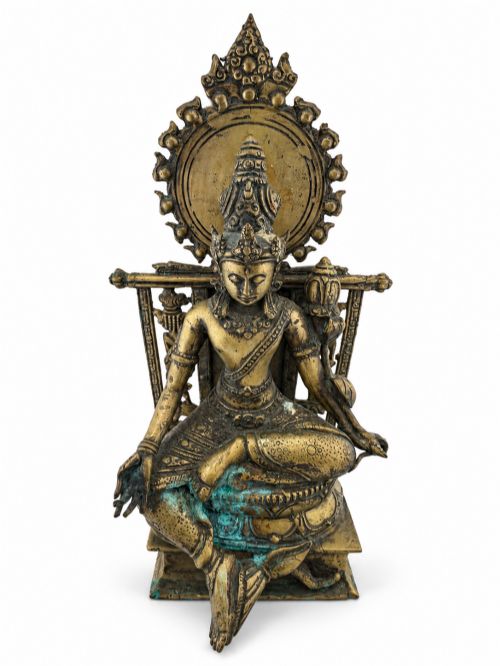
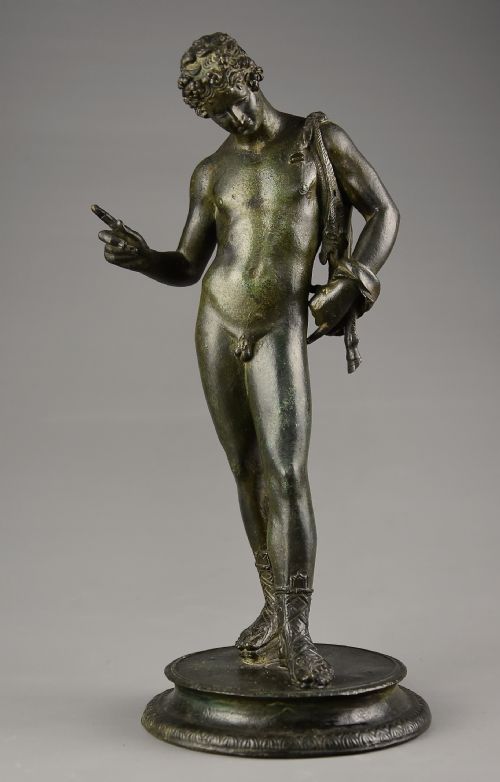
Green patina bronze items encompass a diverse array of sculptures, figures, vessels, and lighting fixtures spanning from pre-sixteenth century antiquities to twentieth-century decorative objects. When exploring green patina bronze on this page, you encounter everything from religious deities and ritual vessels to animal figures and classical human forms.
The selection reflects global traditions, including Tibetan shrines, Japanese okimono, Chinese censers, and European animalier sculptures. Victorian and Grand Tour pieces sit alongside Art Deco works and medieval artefacts, each displaying distinct regional aesthetics and casting methods.
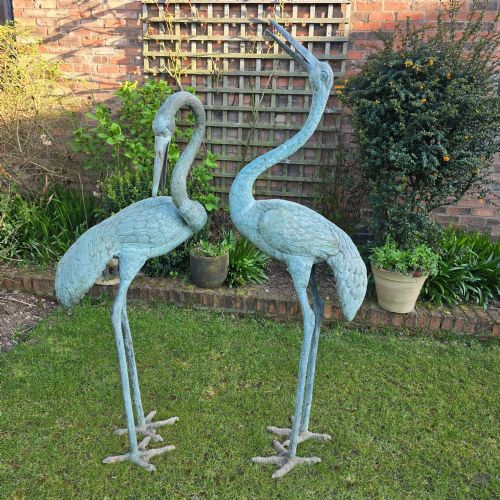
Most examples rely on copper alloy compositions that have developed natural oxidation over centuries or received deliberate chemical finishes to simulate ancient wear. These surfaces range from dark olive tones to bright verdigris highlights across statues, lamps, and wall sconces.
Materials and Technique
Makers utilised bronze and copper alloy castings, often working through traditional lost-wax methods to achieve intricate detail in figures and vessels. Iron brackets, wooden bases, fabric shades, and wrought iron elements occasionally complement the primary metal structures.
Surface colouring is achieved either through long-term exposure to environmental elements or via chemical patination applied by founders such as Barbedienne. This process creates the characteristic green tones that adhere to the metal surface over decades or centuries.
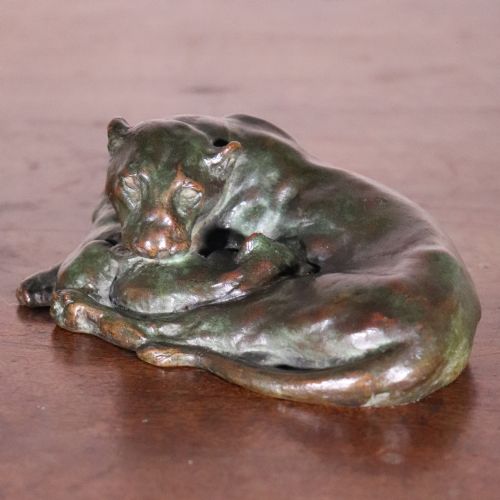
A stoic Basset Hound and a watchful lioness share shelf space with celestial deities and mythical dragons.
Evaluating Quality
The reputation of the foundry or the skill of the individual sculptor significantly elevates the standard of a piece, particularly in European animalier works and Asian temple figures. Weight, structural integrity, and the preservation of original mounts or bases also distinguish exceptional examples from simpler decorative objects.
Anna Vaughn Hyatt Huntington·Ugo Cipriani·Barbedienne
The Green Patina Bronze Glossary
- Patina
- The surface colour and texture developed on bronze through oxidation, age, or chemical treatment. This layer protects the metal and defines its visual character.
- Animalier
- A nineteenth-century artistic style focusing on the realistic depiction of animals, particularly dogs, lions, and birds. French sculptors frequently utilised this genre.
- Okimono
- A Japanese decorative statue designed for display in a household interior. These carvings and castings often depict animals, figures, or mythical subjects.
- Censer
- A vessel intended for burning incense, frequently cast in bronze with intricate handles and feet. Chinese examples often incorporate dragon motifs.
- Lost-wax casting
- A metalworking process where a molten alloy is poured into a mould created by surrounding a wax model with a ceramic shell. This technique allows for complex, detailed sculptures.
Green Patina Bronze: Frequently Asked Questions
How do I clean green patina bronze?
Dust gently with a soft, dry cloth to preserve the chemical surface layer. Avoid harsh commercial polishes and water, which can strip away historic patination.
Consult a professional restorer if the metal requires deeper cleaning or stabilisation to prevent active corrosion.
Are these green patinas natural or artificial?
Both origins appear within the selection, as centuries of environmental exposure create genuine oxidation on older pieces. Many makers also apply chemical treatments during production to emulate ancient buried bronzes.
Examination under magnification often reveals whether the verdigris stems from age or deliberate studio work.
Where were these bronze objects made?
The collection spans multiple continents, including workshops in France, Italy, China, Japan, Tibet, and Java. Each region employed distinct stylistic conventions and founding techniques.
Geographic origins typically align with the period and cultural function of the specific object.
How can I date an antique bronze?
Dating relies on stylistic markers, casting technology, foundry marks, and the nature of the alloy composition. Medieval pieces differ significantly in finish and form from nineteenth-century Grand Tour items.
Comparative analysis with documented historical examples provides the most reliable chronological placement.