



Antique Ceramic Hound Figurine
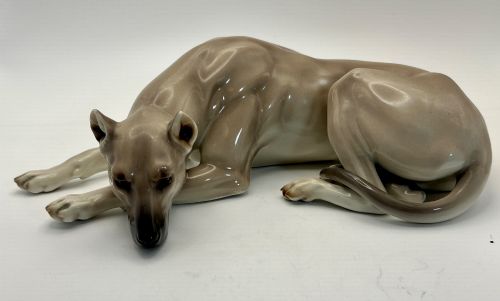
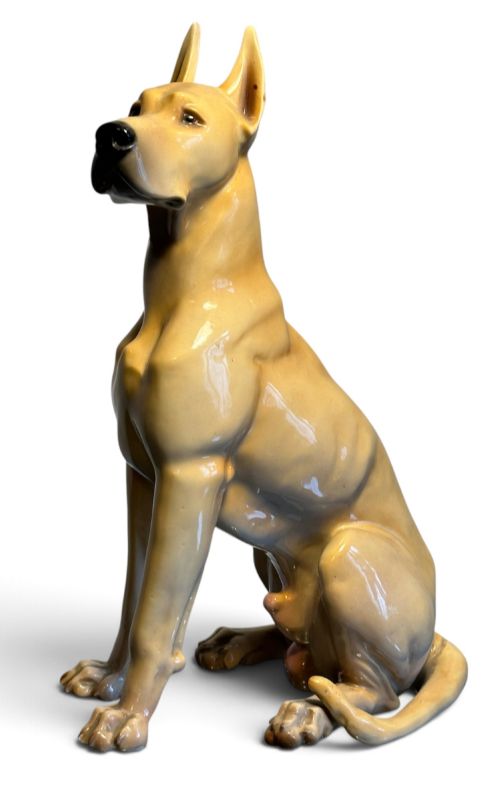
An antique ceramic hound figurine brings the presence of the hunt and the loyalty of the breed directly to your mantelpiece.
Antique Ceramic Hound Figurine
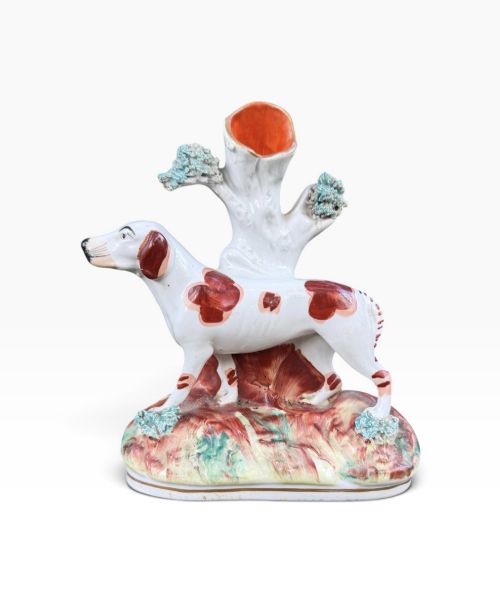
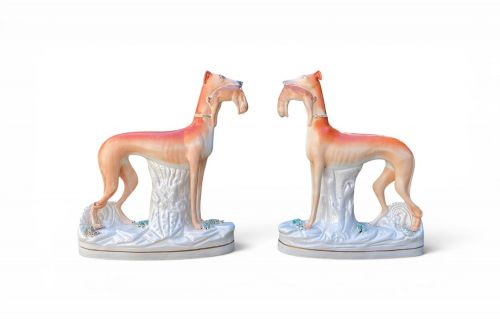
When you search for an antique ceramic hound figurine, you are looking at figures that capture dogs in porcelain, earthenware, and pararian ware across several centuries. The most common versions you will meet on this page are Victorian Staffordshire pottery greyhounds and hunting dogs, often modelled as pairs or with hares and game.
The objects range from Georgian and 18th-century Chinese export pieces to Edwardian porcelain and figures from the Enoch Wood factory or Thomas Parr. Forms span decorative ornaments, sculptures, and pottery figures reflecting periods such as the 19th century and 1920.
Materials and construction
These pieces utilise ceramic bodies finished with lead glazes, enamel paints, or left as unglazed parian ware to emulate carved marble. Makers shaped the clay through casting and modelling, applying surface colour with enamel paint beneath or above the glaze.
The physical build relies on traditional pottery techniques where fine porcelain, robust earthenware, or parian ware are fired and hand-painted with characteristic spots, patches, and facial details.
Antique Ceramic Hound Figurine Retail Price Guide 2026
Typical asking prices for ceramic hound figurine among the pieces listed under this phrase on Sellingantiques today, from the lower quarter to the upper quarter. They describe what is for sale here now, not the wider market.
Materials across these listings include porcelain, earthenware, lead glaze, enamel paint, and parian ware.
Assessing quality and modelling
The distinction also lies in the depth and richness of the glaze or the refined finish of parian ware, where the purity of the ceramic body defines the piece.
Thomas Parr·Enoch Wood factory·Royal Dux
The Antique Ceramic Hound Figurine Glossary
- Parian Ware
- A fine-grained, unglazed porcelain developed to imitate marble. It is prized for statuary and sculptural animal figures.
- Lead Glaze
- A glossy coating applied to pottery before a final firing. It provides a waterproof and reflective surface on earthenware.
- Enamel Paint
- Vitreous colours fused to the ceramic surface during a low-temperature firing. This technique brings bright colour to hound markings.
- Staffordshire Pottery
- Earthenware produced in the industrial region of Staffordshire. The area is famous for earthenware figures of dogs and country animals.
Antique Ceramic Hound Figurine: Frequently Asked Questions
How do I identify a Staffordshire hound?
Look for characteristic earthenware bodies finished with lead glaze or hand-painted enamel details depicting greyhounds, setters, or hunting dogs.
Many of these pieces date from the Victorian era and often appear as symmetrical pairs designed for a mantelpiece.
What is parian ware?
Parian ware is a type of unglazed biscuit porcelain that resembles carved white marble. It was widely used in the nineteenth century for sculptural figures.
Objects made from this material often depict detailed hunting dogs and figure groups with a smooth, matte finish.
Are these figures glazed?
Many pieces feature a glossy lead glaze applied over earthenware to seal the body and add shine. Other examples, particularly parian pieces, remain unglazed to highlight sculptural form.
Enamel paint is frequently added over the glaze to render the markings of the dogs.
How were these ornaments displayed?
Historically, ceramic hound figures served as decorative ornaments on mantelpieces, side tables, and cabinets in homes. Pairs of greyhounds were often placed at either end of a fireplace.
They brought motifs of the hunt and domestic loyalty into the Victorian parlour.