


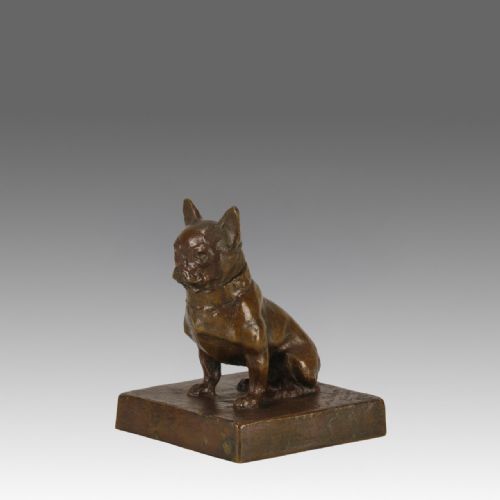

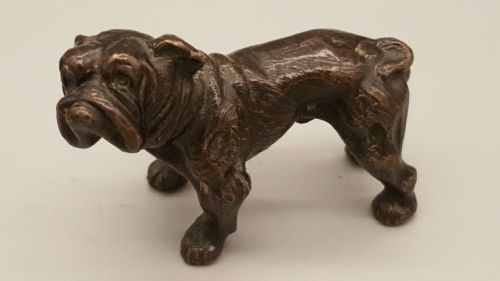


Vintage Dog Figurine Bronze
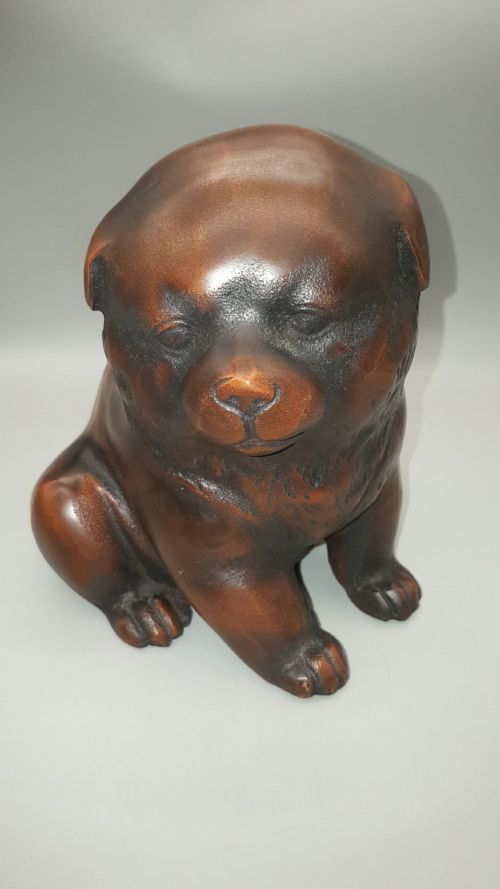
These small bronzes bring character and movement to a desk or mantelpiece, capturing hunting dogs, pugs and terriers in solid metal.
Vintage Dog Figurine Bronze
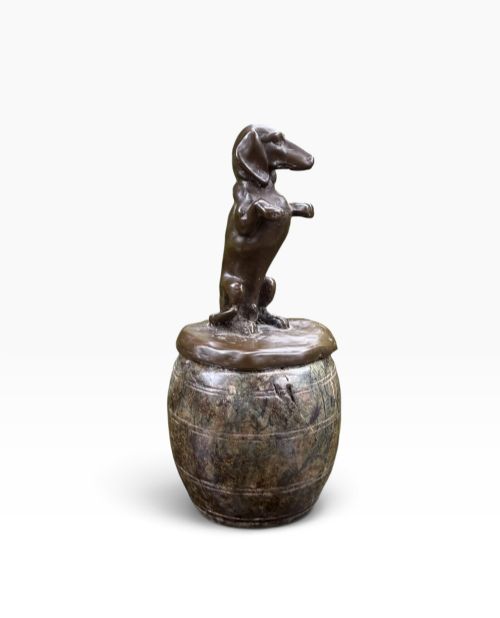
A vintage dog figurine bronze represents a tradition of animal sculpture spanning the Victorian era through the Art Deco period. These pieces take the form of table sculptures, paperweights, doorstops, inkwells and car mascots.
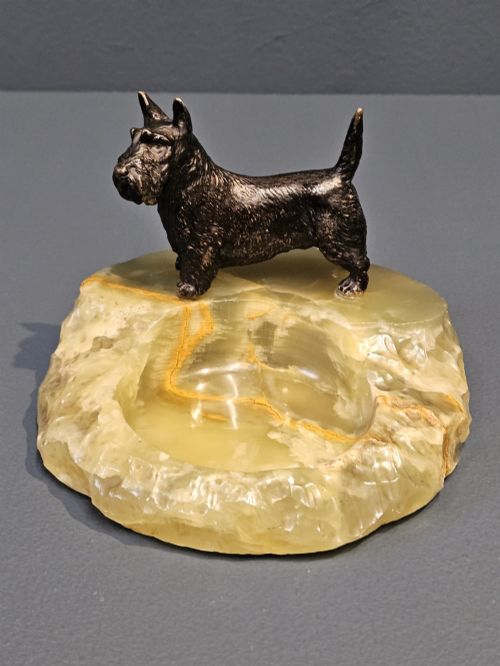
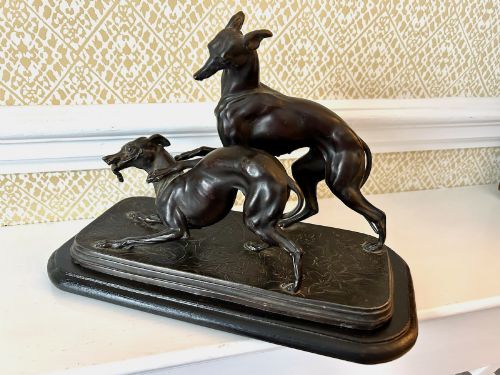
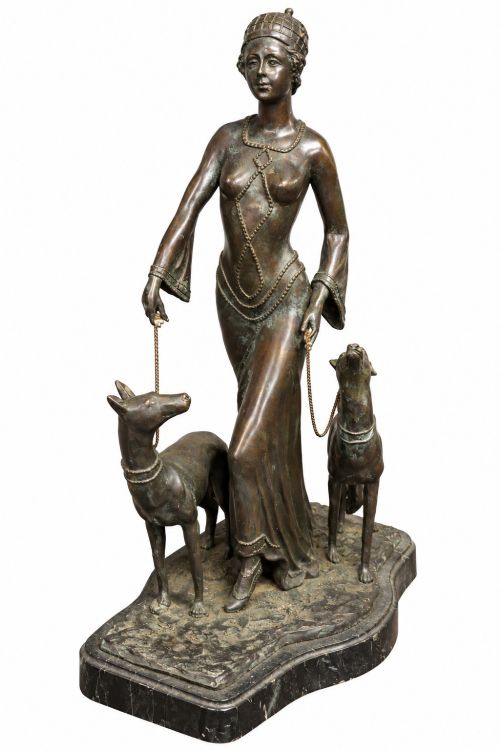
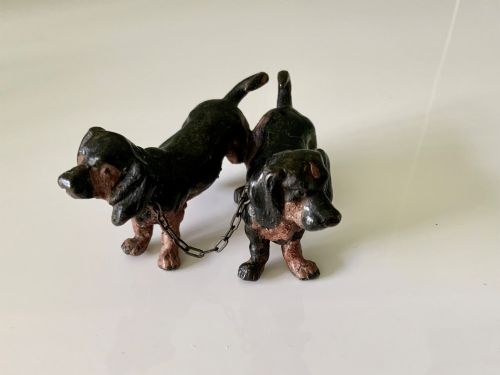
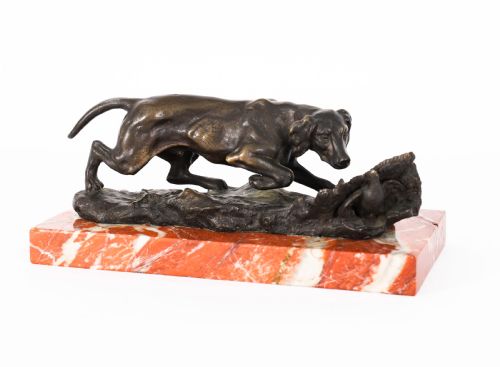
The most frequent examples on this page are European animalier studies and Austrian cold-painted models, portraying breeds such as dachshunds, greyhounds, terriers and boxers. Many of these figures stand upon integral bronze bases or are mounted on contrasting plinths of marble and onyx.
Materials and Casting Techniques
The primary material is cast bronze, frequently finished with hand-applied cold paint or patinated to dark brown and green tones. Some works combine the cast metal with polished marble or onyx bases, while related pieces utilise spelter or cast iron.
Casting methods rely on traditional foundry techniques, often using the lost-wax process to retain fine musculature and fur texture. Cold-painted surfaces receive polychrome paint layers applied after casting, requiring careful touch-ups to survive decades of handling.
Vintage Dog Figurine Bronze Retail Price Guide 2026
Typical asking prices for vintage dog figurine bronze among the pieces listed under this phrase on Sellingantiques today, from the lower quarter to the upper quarter. They describe what is for sale here now, not the wider market.
Object forms include free-standing animal figures, night lights, inkwells, doorstops, table lamps and car mascots.
Distinctions in Execution
The survival of original cold-painted surfaces heavily influences the standing of a piece. Hand-painted Austrian examples with intact polychrome finishes demonstrate greater artistic engagement than stripped or heavily repainted surfaces.
Carl Kauba·Tsunemitsu·Dora Heber·Prosper Lecourtier·Edith Parsons·Jules Moigniez·Arthur Waagen·P de Soete·Geo Maxim·Antoine Louis Barye·Franze Bergman·Christophe Fratin·Dubucand
The Vintage Dog Figurine Bronze Glossary
- Animalier
- A nineteenth-century artistic movement focused on the realistic portrayal of animals. Sculptors in this tradition studied anatomy closely to render dogs and other creatures in natural motion.
- Cold-painted bronze
- A technique where bronze figures receive paint layers applied directly to the cold metal rather than fired in a kiln. This method allowed for vibrant polychrome finishes on small Austrian animal figures.
- Spelter
- A zinc alloy commonly utilised as a less costly substitute for bronze in decorative figures. It often mimics the appearance of bronze through applied patination.
- Patina
- The surface coloration and sheen acquired by bronze over time through oxidation and handling. Foundries also applied chemical patinas intentionally to achieve deep brown or green tones.
Vintage Dog Figurine Bronze: Frequently Asked Questions
What is a cold-painted bronze dog?
A cold-painted bronze is a metal figurine decorated with layers of oil-based paint after casting. This technique was widely used in Vienna to give small animal models realistic coloration.
Over decades, handling can cause this paint to chip or wear away. Intact original paint remains a key indicator of preservation for collectors.
How do I identify an animalier sculpture?
Animalier sculptures focus strictly on realistic animal anatomy and behaviour. Look for musculature that reflects real physical strain, such as a hunting hound tracking prey.
These works date predominantly from the nineteenth and early twentieth centuries. They frequently bear the signature of the sculptor on the bronze base.
Why are some figures mounted on marble?
Marble and onyx bases provided stability and a finished gallery look for cabinet bronzes. Art Deco examples frequently pair dark patinated dogs with contrasting pale or variegated stone plinths.
Some stone bases also incorporated inkwells or pen trays. The weight of the stone kept small desk ornaments secure during daily use.
Were these dogs used as car mascots?
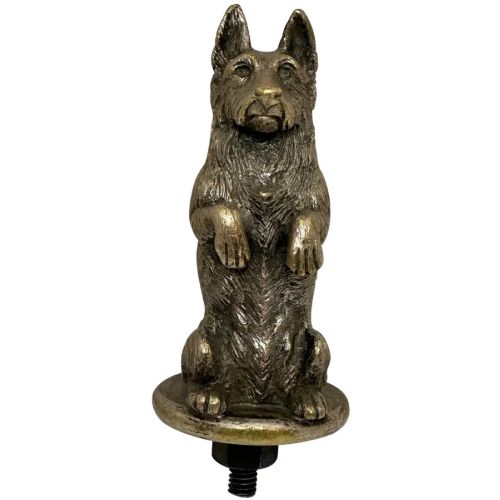
Certain sturdy bronze models served as hood ornaments or radiator caps on automobiles during the early twentieth century. These pieces needed robust metal construction to withstand outdoor conditions and vibration.
Collectors often search for these specific threaded mounts or base configurations. They represent a more utilitarian application of fine animal sculpture.