
Vintage Dog Art
Vintage dog art brings together centuries of canine depiction in oil, etching, and cast metal.
Vintage Dog Art
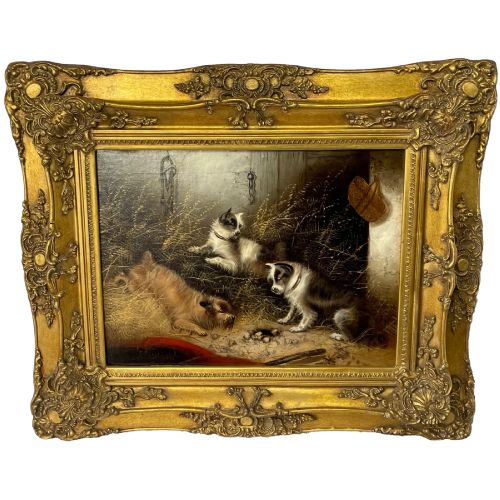
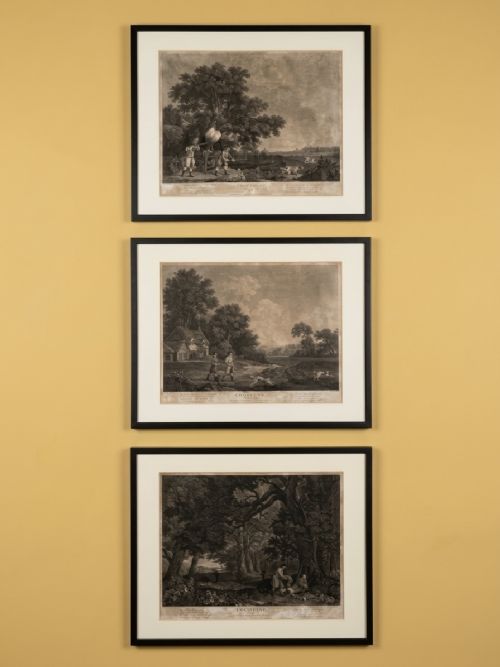
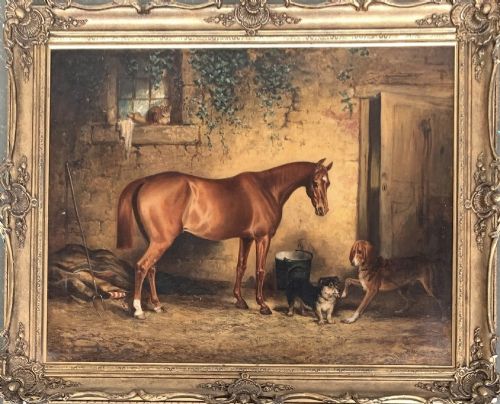
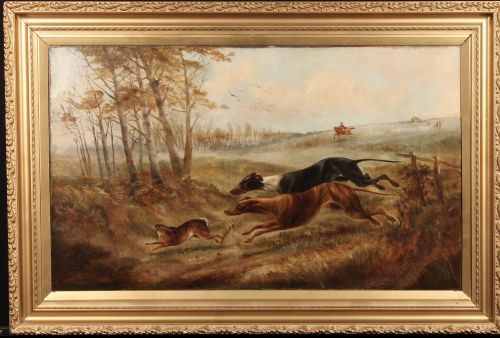
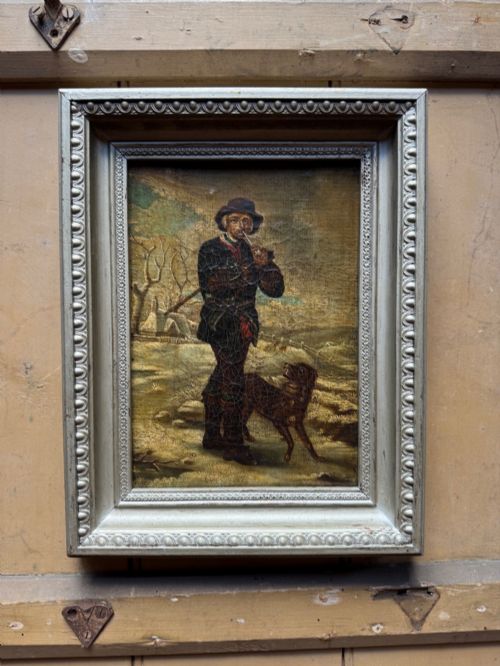
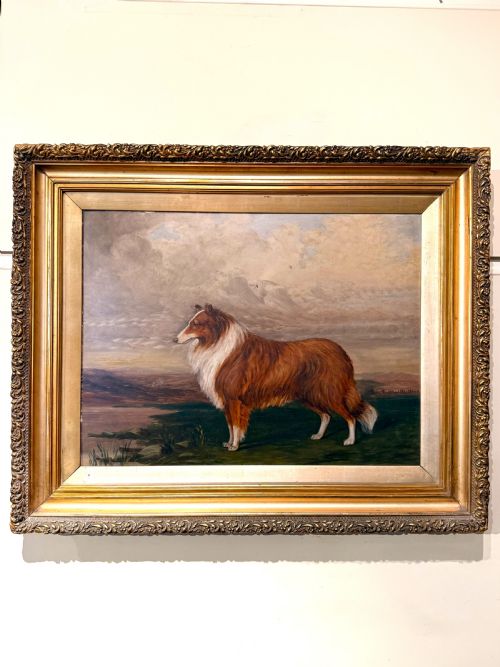
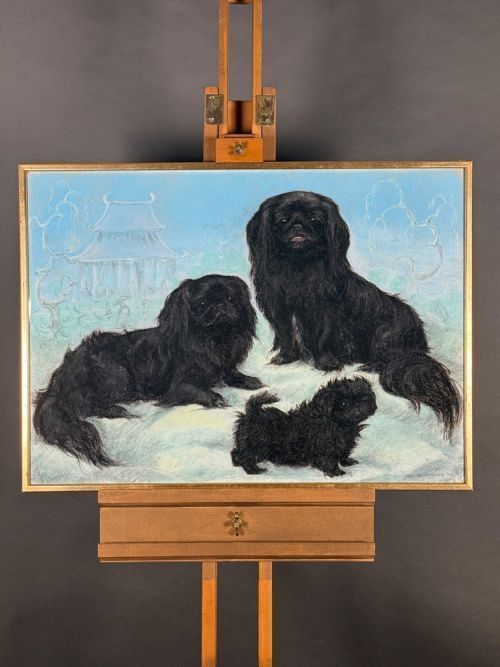
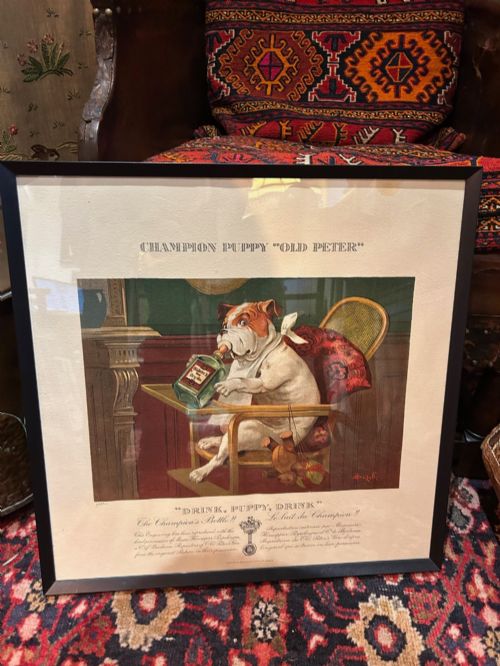
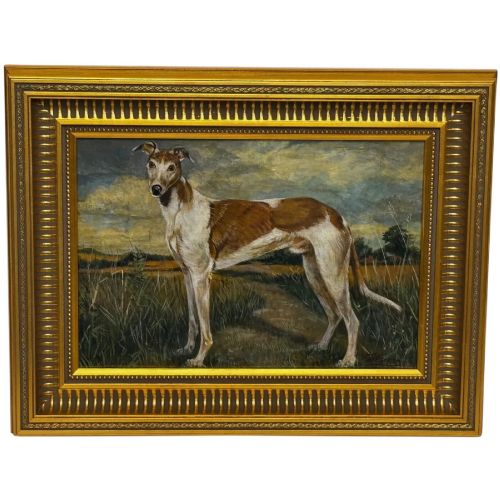
When you search for vintage dog art, you examine works that capture canine subjects across the nineteenth and twentieth centuries. The selection encompasses oil paintings, framed prints, etchings, and functional objects like table lamps and cigarette boxes.
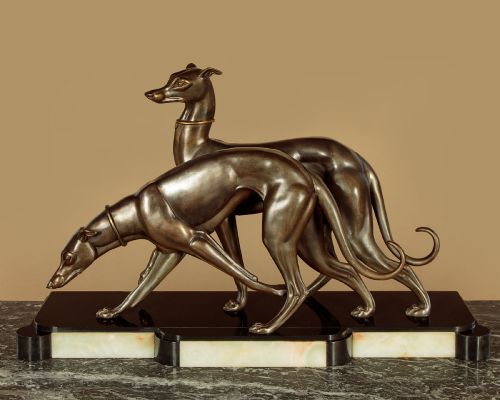
You are most likely to meet mid-nineteenth century oil portraits and 1920s decorative items on this page. These pieces range from formal sporting canvases to whimsical Art Deco desk accessories.
Materials and construction methods
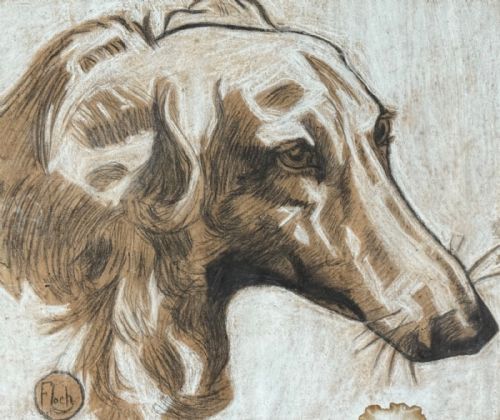
Artists utilised oil paint on canvas or board, alongside pastel, watercolour, and gouache on paper. Etchings and lithographs provide printed interpretations of animal subjects from the period.
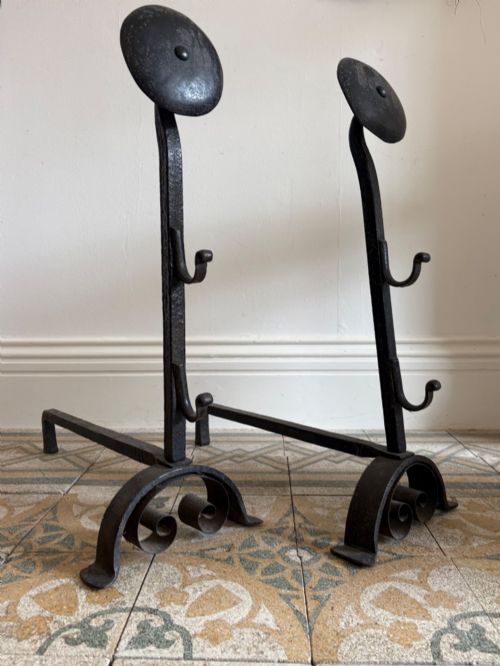
Makers shaped structural elements from wood, cast metal, and wrought iron, occasionally incorporating gold leaf or glass details into lighting and decorative objects.
Canine utility extends to keeping cigarettes safe and holding pocket watches.
Evaluating quality and execution
Anatomy and expression separate standard decorative items from superior works. The handling of fur texture and the natural posture of the animal reveal the creator's proficiency.
Material choice and finishing details dictate the standing of objects such as clocks and lamps. Cast metal items with crisp definition hold greater visual presence than softer, later castings.
Herbert Dicksee·John Emms·John Frederick Herring Senior·Arthur Wardle·William Barraud
The Vintage Dog Art Glossary
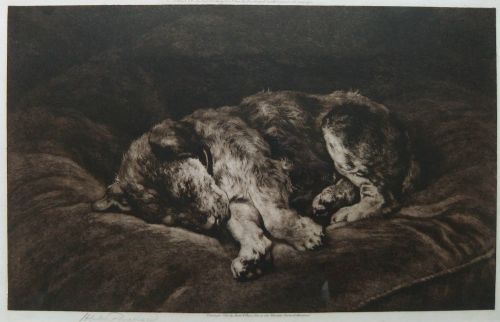
- Etching
- A printmaking process where lines are bitten into a metal plate with acid before being inked and pressed onto paper. This technique allows for fine tonal variation in animal hair.
- Chromolithograph
- A colour lithographic printing method built from multiple stones. It produces rich, multi-layered images popular for nineteenth-century animal prints.
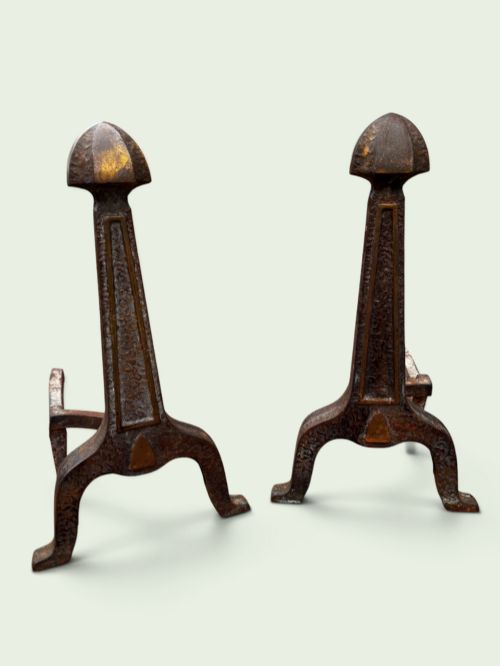
- Andirons
- Iron supports used to raise logs in an open fireplace. They frequently feature decorative cast figures, including hound motifs.
- Gouache
- An opaque water-based paint that dries to a matte finish. Artists employ it on buff paper for swift animal studies.
Vintage Dog Art: Frequently Asked Questions
How do I date a dog painting?
Examine the materials, stretcher frames, and stylistic conventions of the period.
Twentieth-century works often employ different paper types and framing methods compared to nineteenth-century canvases.
Are bronze figures common?
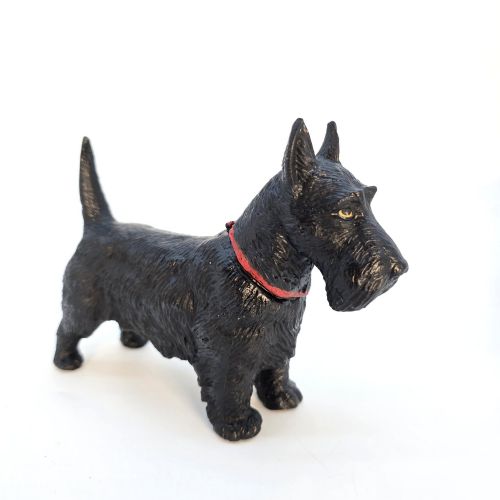
Metal items in this category usually consist of cast metal, brass, or wrought iron.
Artists utilised these durable materials for functional accessories like table lamps and lighters.
What is sporting art?
Sporting art depicts field sports, hunting packs, and working animals in natural landscapes.
Victorian and Edwardian painters specialised in recording specific hounds and gun dogs.
How do I clean an antique painting?
Surface dust should be removed gently with a soft brush by a professional.
Oils and works on paper require specific humidity conditions and protection from direct sunlight.