



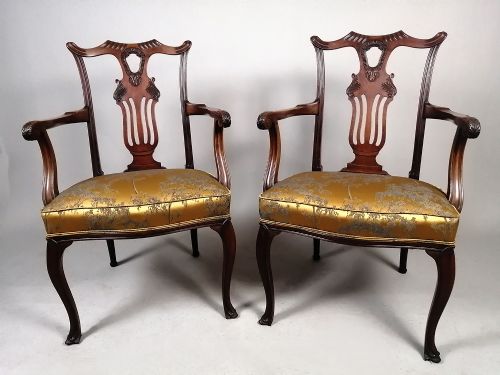
Vintage Desk Carver Chair
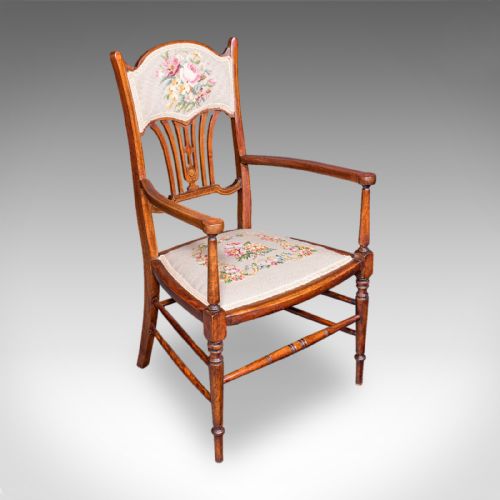
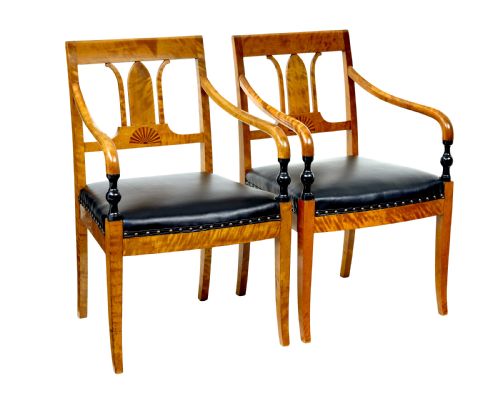
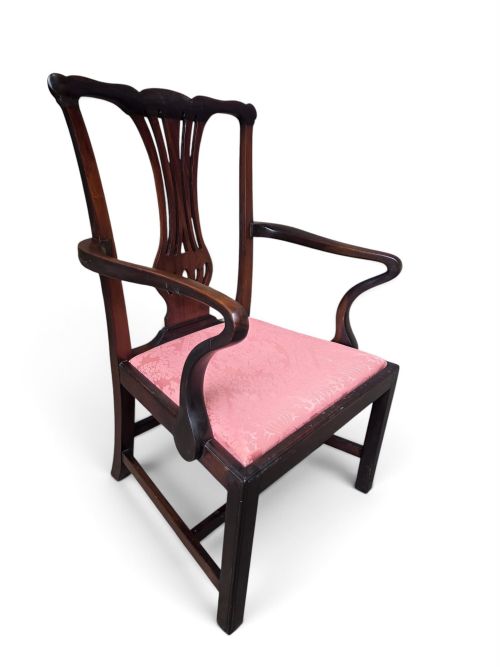
A vintage desk carver chair is a substantial seat combining a supportive writing perch with the comfort of armrests, drawn from periods spanning the eighteenth to the twentieth century.
Vintage Desk Carver Chair
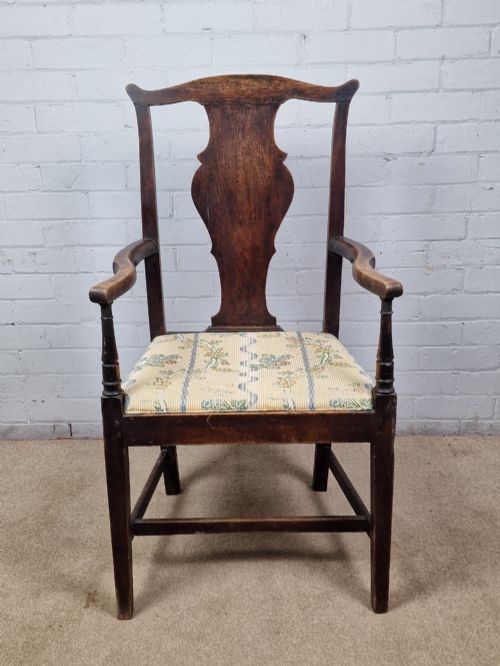
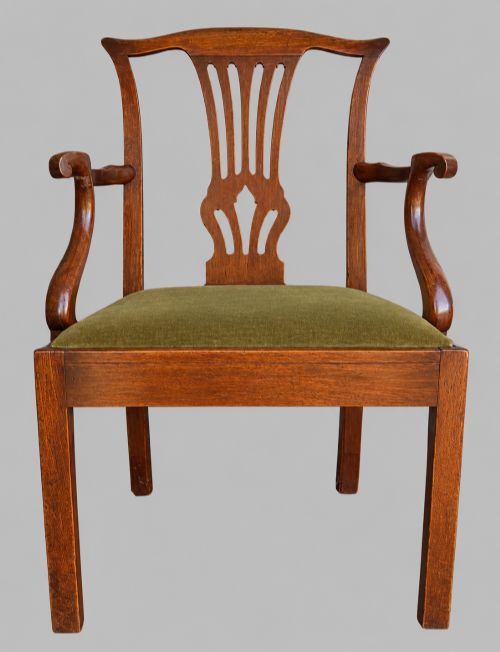
A vintage desk carver chair serves as a practical seating choice for a study or office, drawing on forms developed across the eighteenth, nineteenth, and early twentieth centuries. Buyers encounter designs ranging from formal revival styles to robust country vernacular armchairs.
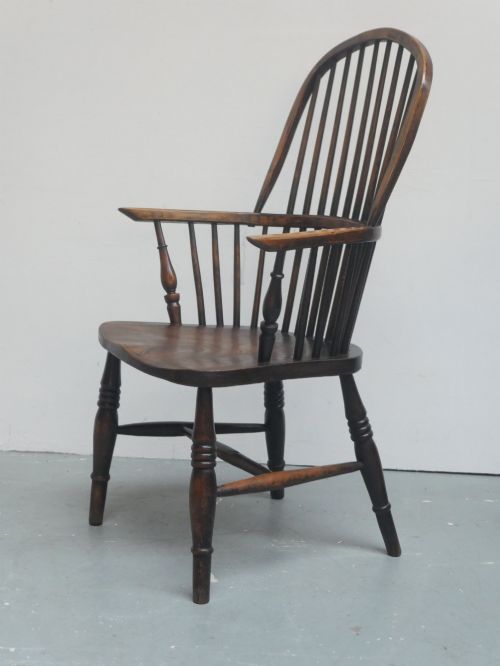
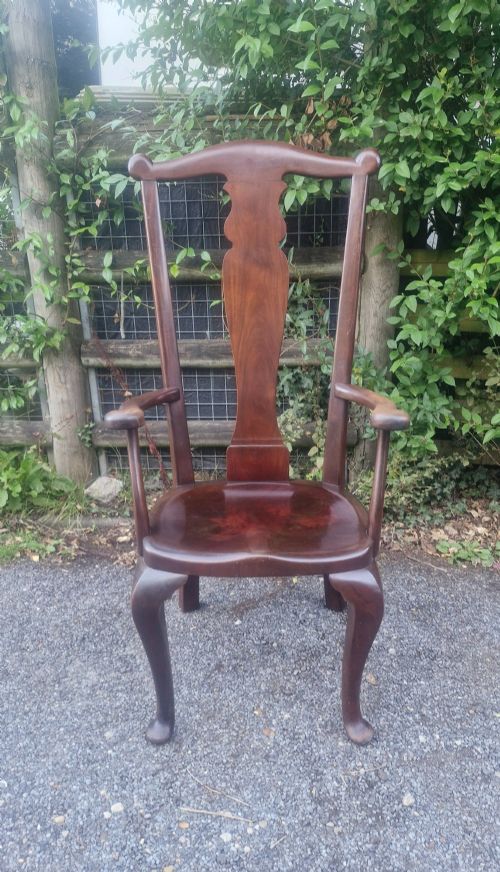
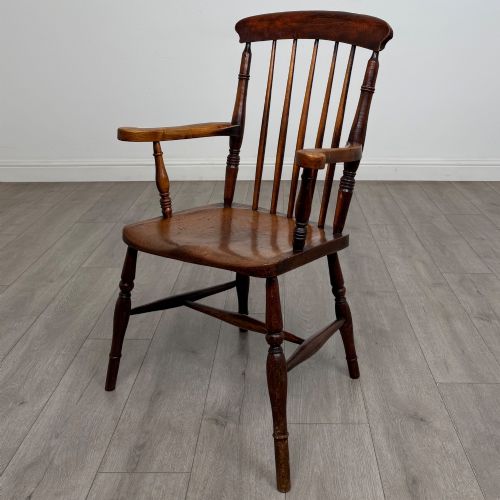
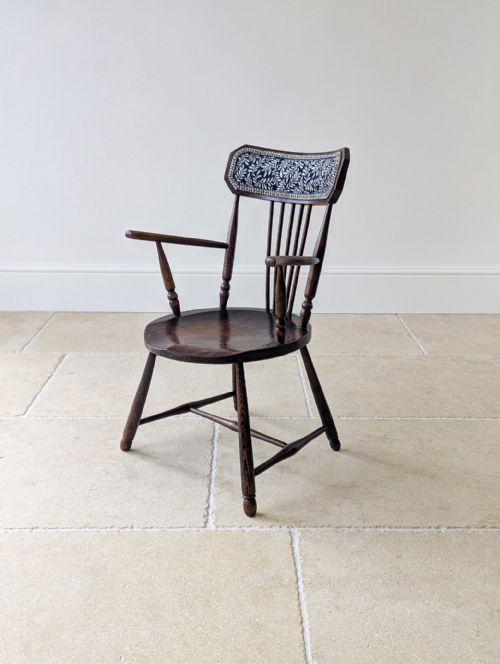
The selection includes specific regional windsor chairs, high-backed reading seats, and open armchairs suited for placement at a writing table. Mahogany and oak dominate the formal models, while elm, beech, and ash appear frequently in vernacular country armchairs.
Examples stretch from Georgian and Regency prototypes through Victorian interpretations to Edwardian and Arts and Crafts productions. Each piece offers supportive arms and a generous seat designed for sustained daily use at a desk.
How they were made
Cabinet makers utilised solid timbers such as mahogany, walnut, and yew for formal frames, shaping crest rails and splats with hand tools. Turned spindle components and steam-bent hoops defined the construction of regional windsor armchairs.
Secondary structural elements often incorporated elm, beech, and ash to provide tensile strength in legs and stretchers. Joinery relied upon traditional mortise and tenon methods, sometimes supplemented by brass fittings or cane inserts.
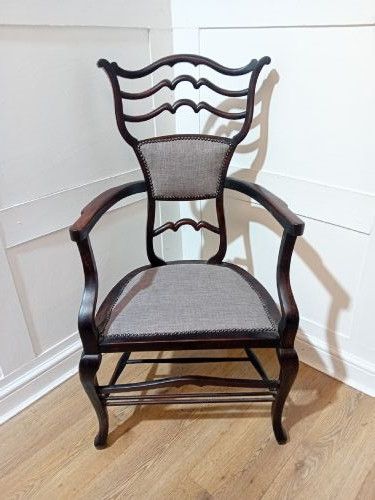
Upholstered variations integrated fabric or leather over webbing and stuffing, whilst timber seats relied on ergonomic saddle-shaping carved directly into the solid wood.
Several windsor chairs incorporate crinoline stretchers shaped specifically to keep skirts clear of dusty floors.
What varies in quality
The refinement of timber selection and the precision of hand-carved details govern the upper tier of the range. Chairs featuring figured mahogany veneers, crisply carved splats, or well-turned members command greater regard than utilitarian counterparts.
Proportion and structural integrity dictate the distinction between standard workshop output and exceptional cabinet work. Original surface patination left undisturbed by aggressive restoration preserves the integrity of the piece.
Alfred Allen of Birmingham·Edward Barnsley
The Vintage Desk Carver Chair Glossary
- Carver chair
- An armchair, typically with open sides and upholstered or timber arms, designed to sit at the head of a table or beside a desk.
- Windsor
- A wooden armchair constructed with a solid shaped seat into which the legs and back spindles are directly socketed.
- Splats
- The vertical wooden strip down the centre of an open chair back, frequently shaped or pierced in revival styles.
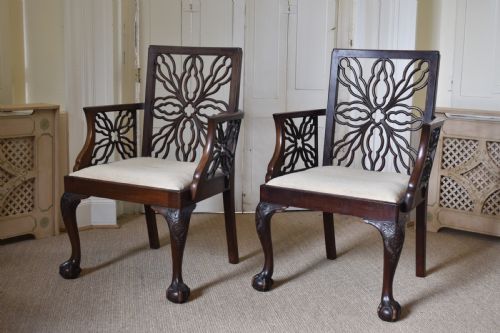
- Cockpen
- A Chinese Chippendale style chair back characterised by an open lattice of intersecting wooden bars.
- Vernacular
- An object made following local traditional patterns rather than metropolitan high-style design books.
Vintage Desk Carver Chair: Frequently Asked Questions
What is a vintage desk carver chair used for?
These armchairs provide functional seating at a desk or writing table, offering lateral support through integrated armrests during extended periods of work.
Historically placed in libraries, studies, and morning rooms, they combine the domestic comfort of an armchair with a height and posture suited to administrative tasks.
Are these chairs comfortable for daily use?
The ergonomic design of traditional armchairs, particularly those with wide wooden saddles or upholstered seats, offers substantial support for regular sitting.
Buyers should verify seat heights and arm clearance dimensions against their specific desk to ensure an ergonomic fit for modern workspaces.
How do I distinguish between Regency and Victorian pieces?
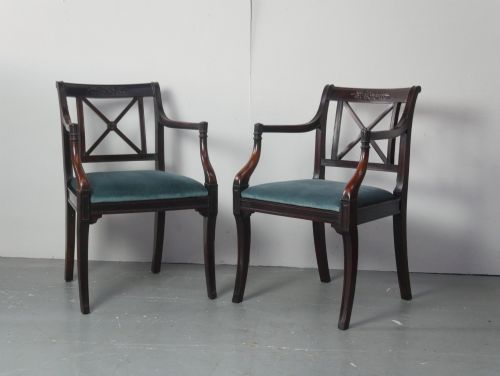
Regency designs lean towards classical restraint, featuring sabre legs, reeding, and mahogany frames inspired by ancient Greek and Roman forms.
Victorian productions often display heavier proportions, darker finishes, and eclectic revivals ranging from Gothic frameworks to Arts and Crafts simplicity.