





Vintage Decorative Wall Platter
A vintage decorative wall platter brings pattern and colour to a room, offering centuries of ceramic and metal craftsmanship designed specifically for display.
Vintage Decorative Wall Platter
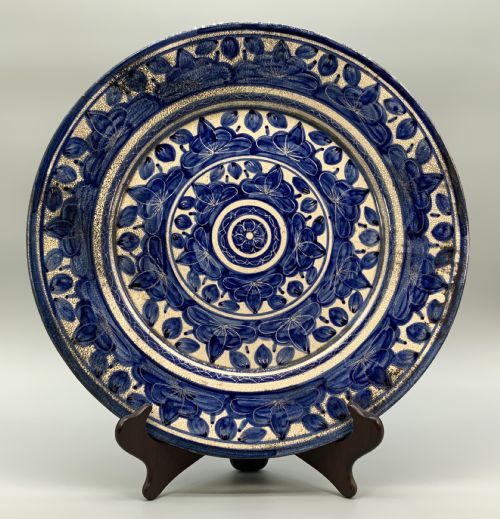
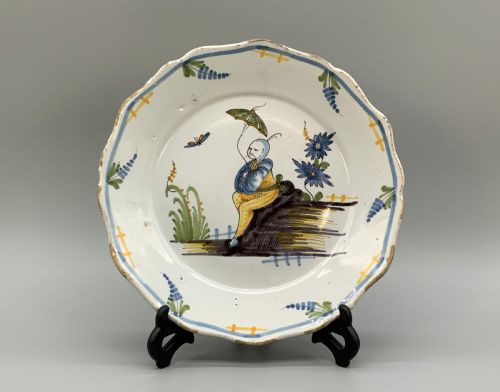
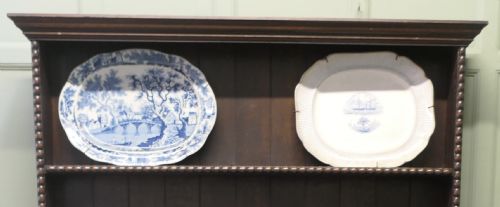
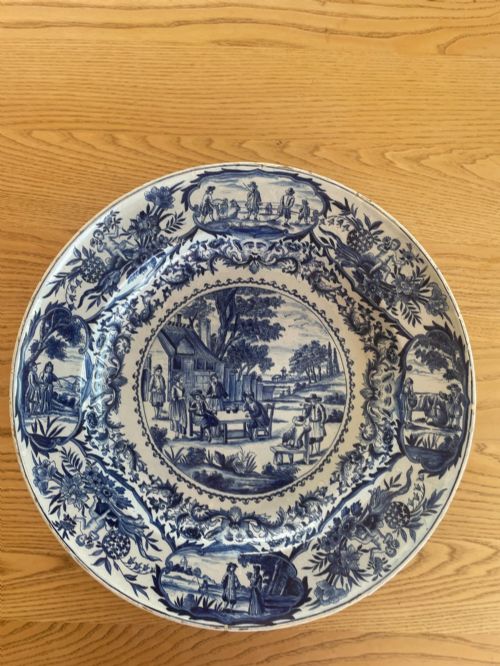
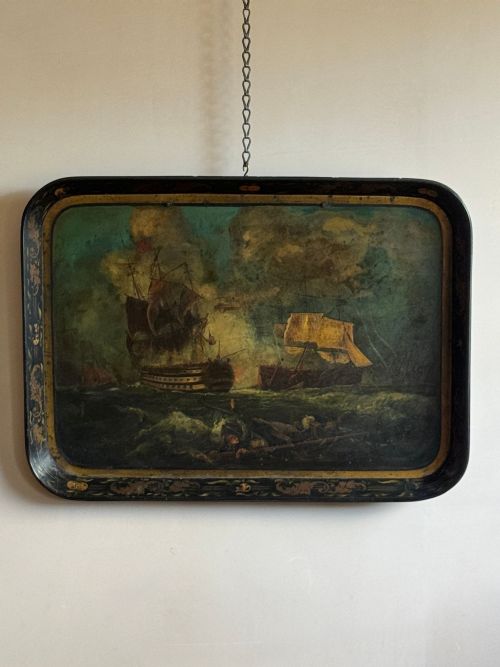
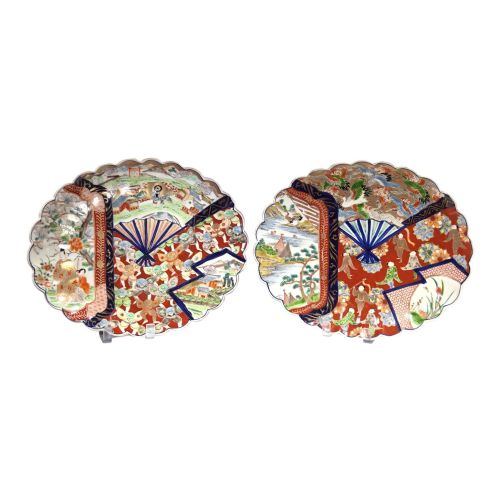
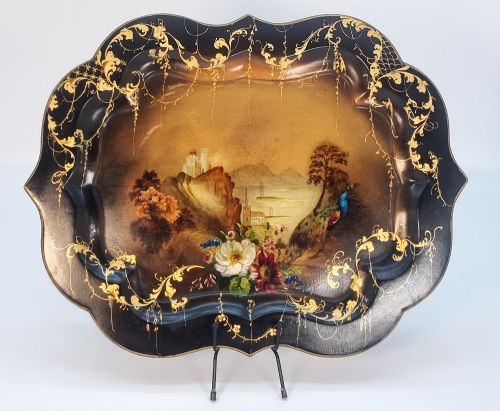
A vintage decorative wall platter encompasses large display plates, chargers, and trays produced across the eighteenth, nineteenth, and early twentieth centuries. When searching for a vintage decorative wall platter, buyers encounter varied origins spanning English ironstone, Dutch tin-glazed earthenwares, Middle Eastern metalwork, and Japanese export porcelains.
The pieces on this page lean heavily towards Japanese Imari and cloisonné enamels alongside European Delft and Arts and Crafts copper. These items served primarily as ornamental centrepieces on walls, furniture, or sideboard displays rather than daily utility ware.
Materials and Techniques
Ceramic pieces utilise porcelain, ironstone, and earthenware bodies finished with glazes, cobalt blue underglazes, or manganese and polychrome enamels. Potters shaped these on wheels or in moulds before subjecting them to high-temperature kiln firings.
Metal items employ brass, copper, and silver plating worked through beating, repoussé piercing, or silver inlay upon patinated surfaces. Cloisonné examples feature fine wire soldered to metal bases to create cells that artisans filled with coloured enamel pastes prior to firing and polishing.
Owning a plate depicting a leaping koi or an owl staring down Mount Fuji lets you display Japanese folklore right above your sofa.
Assessing Quality
Quality rests in the execution of the decoration, whether hand-painted ceramic pigments display sharp detail and rich ground colours or metal trays show crisp repoussé relief and secure wirework in enamel cells. Superior pieces maintain crispness in their motifs and depth in their glazes or patinas.
The distinction between standard production and top-tier output lies in the ambition of the composition and the control shown during the firing or metalworking process. Maker attribution and unusual forms, such as square plates or detailed pictorial narratives, separate ordinary items from masterworks.
Mason·Faulkner Bronze Company
The Vintage Decorative Wall Platter Glossary
- Charger
- A large decorative plate or dish, typically exceeding thirty centimetres in diameter, designed for display on a sideboard or wall rather than for serving food.
- Imari
- A style of Japanese export porcelain featuring deep cobalt blue and iron red combined with gilt highlights, produced primarily for Western markets.
- Delft
- Tin-glazed earthenware originating in the Netherlands and influenced by Chinese blue and white porcelain imports, characterised by an opaque white glaze.
- Cloisonné
- A metalwork technique where fine wires form raised barriers on a base plate, creating compartments filled with vitreous enamel before firing.
- Repoussé
- A metalworking method where an artisan hammers sheet metal from the reverse side to form a raised design in relief on the front.
Vintage Decorative Wall Platter: Frequently Asked Questions
How do I hang a heavy charger?
Heavy chargers require specialised wall brackets or spring-loaded plate hangers designed to distribute weight evenly across the rim. Ensure the hanging wire or fixing is secured directly into wall studs or proper masonry anchors.
Avoid using adhesive disc hangers on antique ceramic or metal pieces, as the glaze or patinated surface can fail under sustained tension over time.
Were these plates meant for dining?
Most large chargers and decorative platters were created solely for visual display on walls, dressers, or tables. Their substantial size and delicate enamel or gilt surfaces made them impractical for everyday culinary use.
Exceptions exist among utilitarian ironstone and earthenware, but fine Japanese porcelains and copper repoussé pieces functioned entirely as decorative arts.
How do I clean antique copper and brass?
Antique copper and brass trays benefit from gentle dusting with a soft, dry cloth to remove surface particles. Avoid aggressive commercial metal polishes that strip away historical patination and dull the finish.
If cleaning is necessary, consult a specialist to preserve the original patinated surface recorded on Middle Eastern or Arts and Crafts metalwork.
What is the difference between Delft and Imari?
Delft refers to European tin-glazed earthenware characterised by white surfaces painted in cobalt blue, manganese, or polychrome enamel. Imari denotes Japanese porcelain distinguished by a palette of dark blue and iron red enriched with gold leaf.
While both styles found popularity in European interiors during different eras, their underlying ceramic bodies and glazing techniques are entirely distinct.