
Cobalt Blue China Plates
Cobalt blue china plates bring rich indigo depth to a room, offering centuries of ceramic artistry through cabinet display and decorative service.
Cobalt Blue China Plates
Cobalt blue china plates encompass a wide variety of decorative, cabinet, and service vessels originating from British, European, and Asian kilns. When searching this phrase, a buyer encounters everything from early earthenware and ironstone to fine bone china and porcelain.
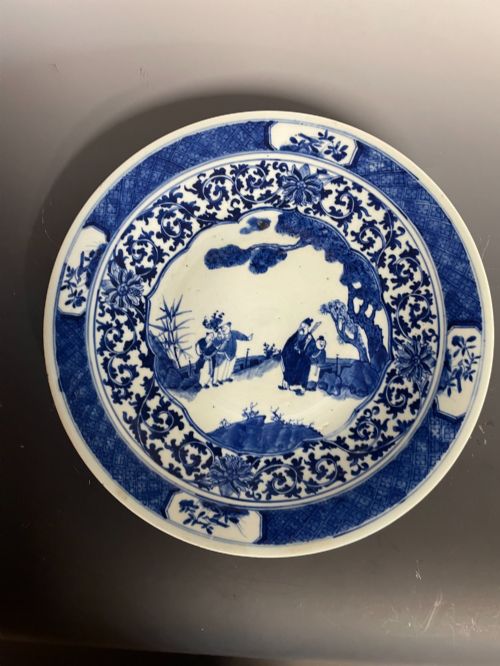
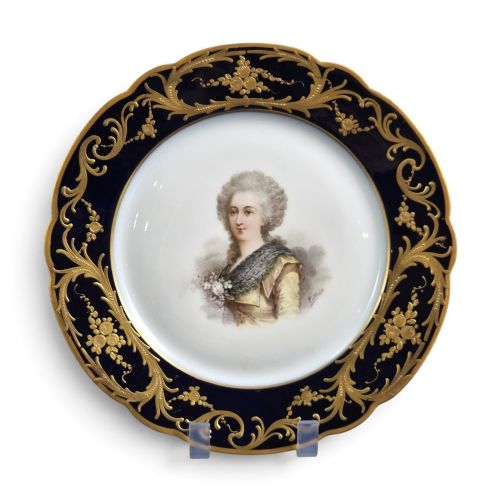
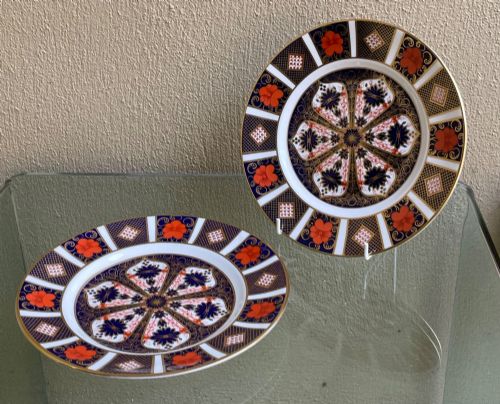
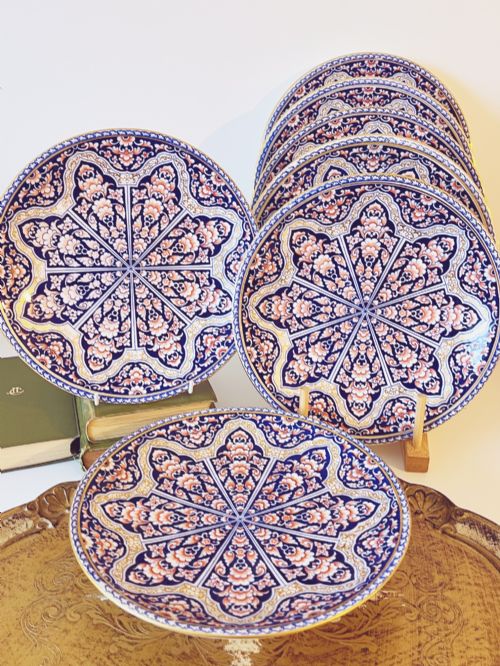
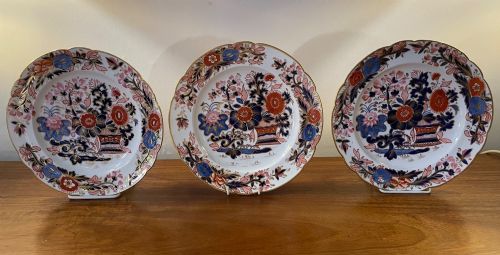
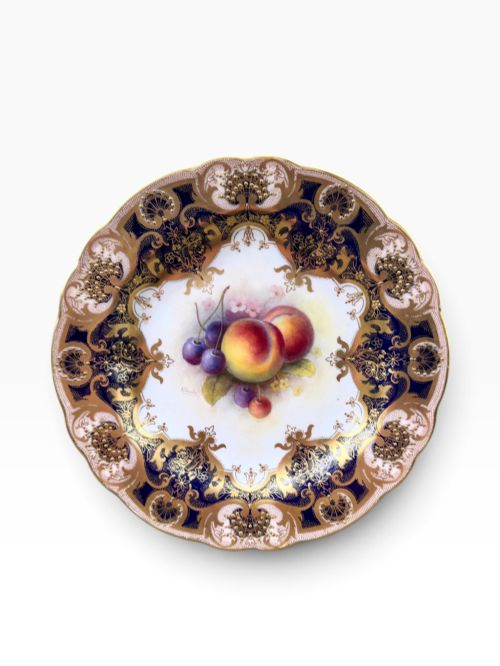
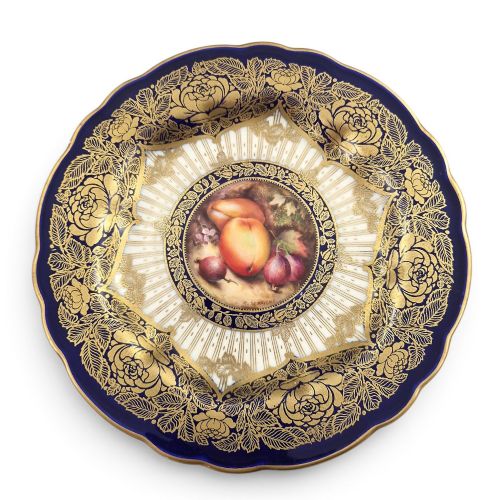
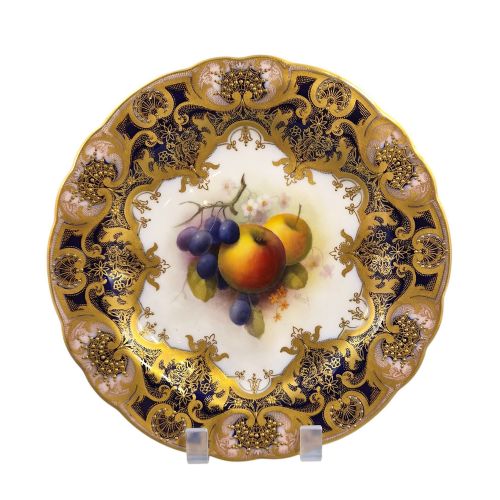
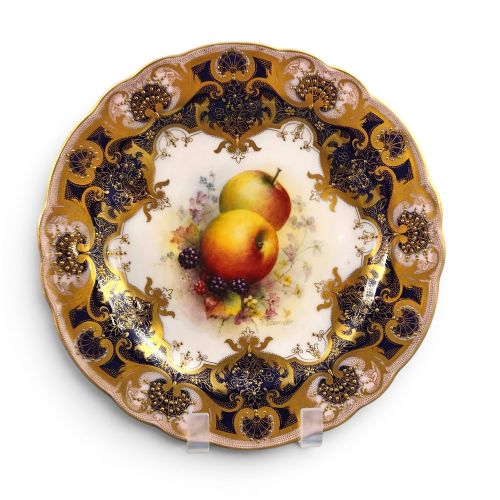
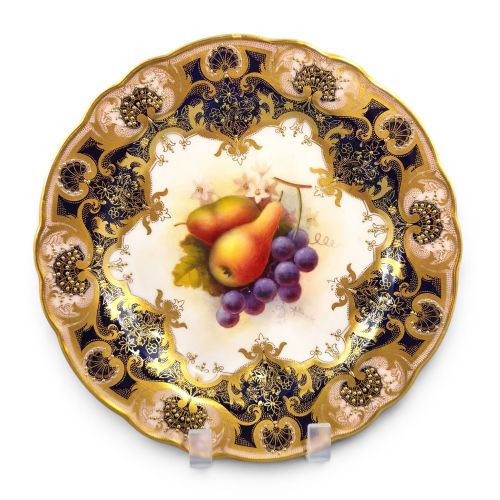
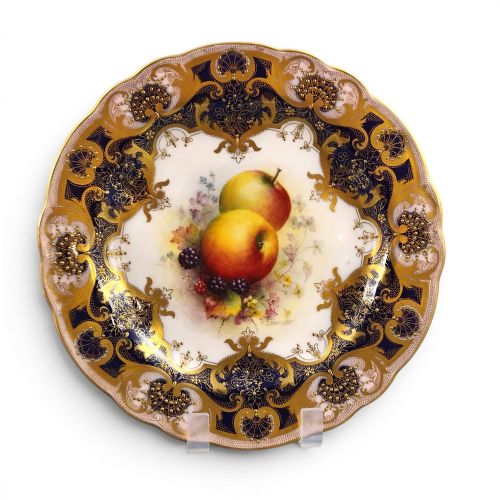
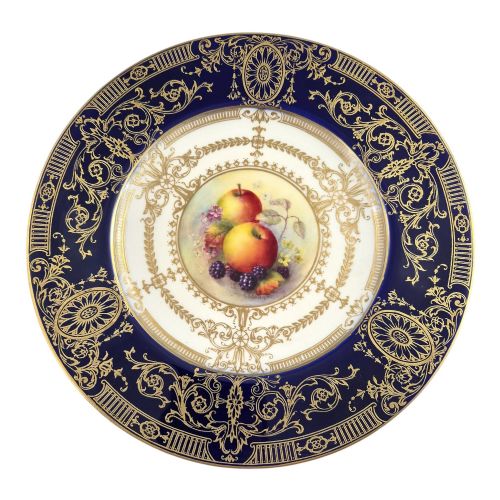
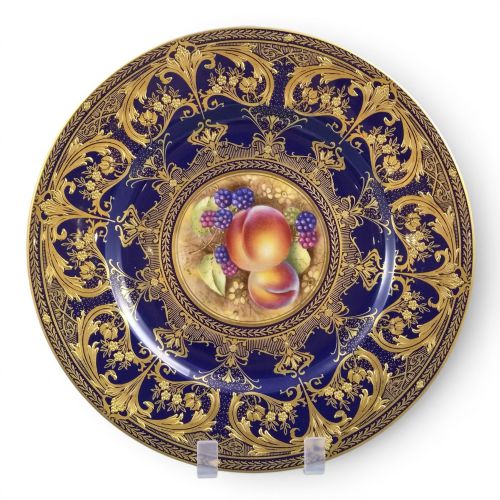
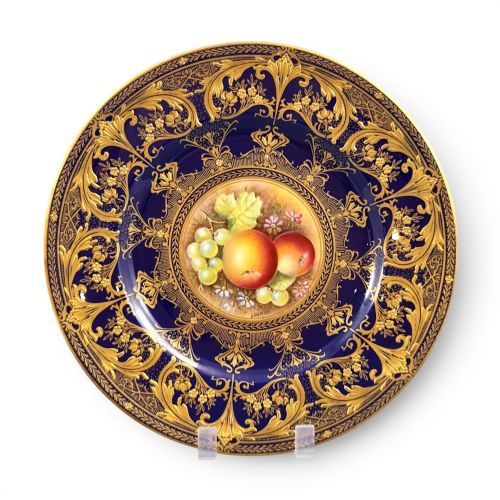
The selections available range across the eighteenth, nineteenth, and twentieth centuries, spanning styles from Japanese Imari and Georgian ironstone to Victorian portrait plates and later hand-painted fruit studies. Forms include standard flat plates, scalloped edge dishes, soup bowls, and multi-piece dessert services complete with comports.
Makers represented span renowned English factories like Royal Worcester and Royal Crown Derby alongside continental porcelain houses and nineteenth-century Japanese export studios. These items function primarily as display pieces for cabinets or walls, bringing deep cobalt tones into domestic spaces.
Materials and Manufacture
The foundation of these objects relies on dense ceramic bodies including porcelain, bone china, and heavy ironstone. Potters shaped these materials into plates and dishes before applying underglaze cobalt pigment, which withstands high kiln temperatures to produce a stable, deep blue coloration.
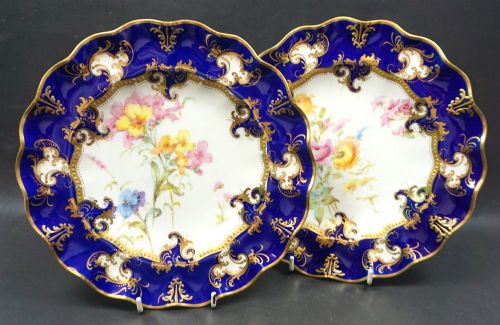
Many examples incorporate supplementary decorative techniques such as hand-applied gilding, gold leaf, and enamel highlights over the fired glaze. Skilled artists frequently painted intricate botanical, portrait, or armorial scenes directly onto the porcelain surface before secondary firing.
Current listings feature pieces spanning the eighteenth to the twentieth centuries, utilising porcelain, ironstone, and bone china materials.
Assessing Quality
Quality in these ceramics rests upon the crispness of the cobalt painting and the fineness of the porcelain or ironstone body. Superior pieces display hand-painted brushwork with sharp detail rather than transfer-printed outlines, particularly evident in floral and figural compositions.
The presence of secondary embellishments such as raised gilding, gold leaf accents, and signed artist work elevates a piece above standard factory production. Preservation of the glaze and enamel surfaces without heavy rubbing or scratching distinguishes finer cabinet specimens from utilitarian wares.
Royal Crown Derby·Royal Worcester·John Davenport·Coalport·Meissen·Aynsley·Masons
The Cobalt Blue China Plates Glossary
- Bone china
- A type of soft-paste porcelain incorporating animal bone ash, providing high strength and a bright white body suitable for detailed overglaze painting.
- Cabinet plate
- A decorative ceramic plate intended primarily for display in a cabinet or on a wall rather than for regular dining use.
- Comport
- A raised dish or bowl used traditionally for serving fruit or desserts as part of a formal nineteenth-century tablescape.
- Imari
- A decorative style originating in Japan and later copied by European factories, characterised by a palette of cobalt blue, iron red, and gilt highlights.
- Ironstone
- A heavy, durable earthenware patented in the nineteenth century that combines the strength of stoneware with the refined appearance of porcelain.
Cobalt Blue China Plates: Frequently Asked Questions
How do I display cobalt blue china plates?
Cabinet plates and decorative dishes look best mounted securely on walls using specialist hangers or arranged upright inside glass-fronted display furniture. This keeps the painted cobalt and gilt surfaces safe from accidental knocks.
Grouping plates by pattern or period creates a striking visual impact in dining rooms or drawing rooms. Mixing Japanese Imari designs with British ironstone builds a layered, collected aesthetic.
Can I use these antique plates for dining?
Most antique cabinet plates and hand-painted dessert pieces are intended for decorative display rather than daily meals. The delicate enamels and gold leaf can wear down with frequent use and cutlery contact.
Sturdier ironstone and nineteenth-century service bowls were built for functional dining, but older porcelain pieces require careful hand washing. Avoiding dishwashers preserves the integrity of the cobalt glaze.
How do I identify the period of a plate?
Dating relies on factory backstamps, impressed marks, and pattern numbers stamped or painted on the reverse of the ceramic. Stylistic clues such as Victorian floral borders or Art Deco geometry also help narrow down the decade.
Comparing the paste weight and glaze thickness provides further evidence of age. Georgian ironstone feels notably heavy, while nineteenth-century bone china offers greater translucency.
What is the difference between Imari and blue and white?
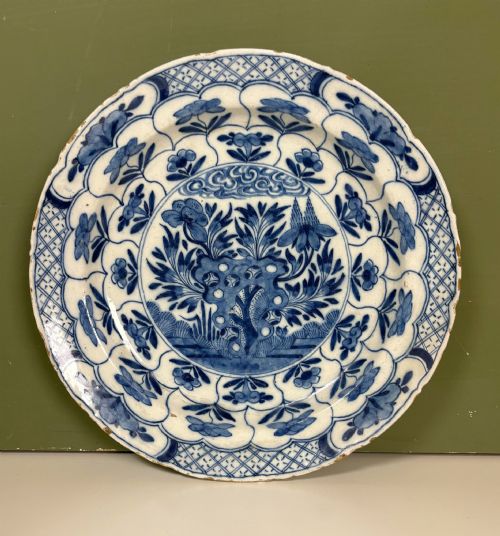
Traditional blue and white ceramics utilise cobalt pigment exclusively under the glaze to create monochromatic designs. These often draw on Chinese export styles or European botanical motifs.
Imari pieces introduce contrasting colours, specifically iron red and heavy gilding, alongside the cobalt blue base. This vibrant palette creates a richer, multi-layered decorative surface.