


Georgian Imari China
Georgian imari china brings together rich ceramic forms and vibrant eastern palettes from the late eighteenth and early nineteenth centuries.
Georgian Imari China
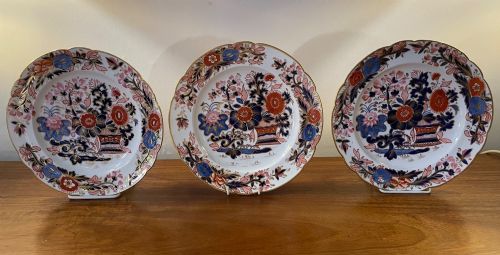
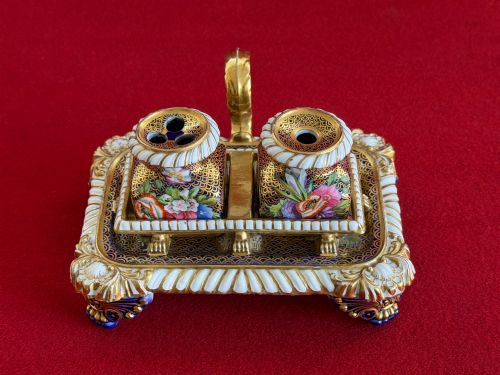
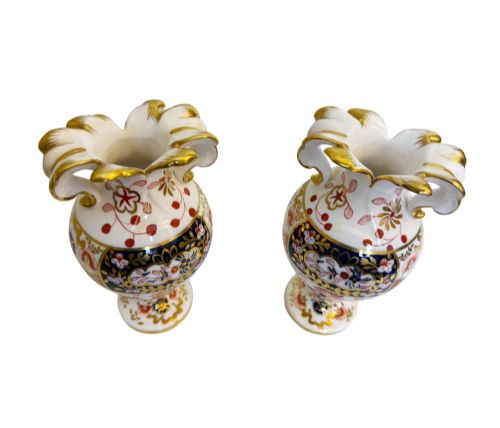
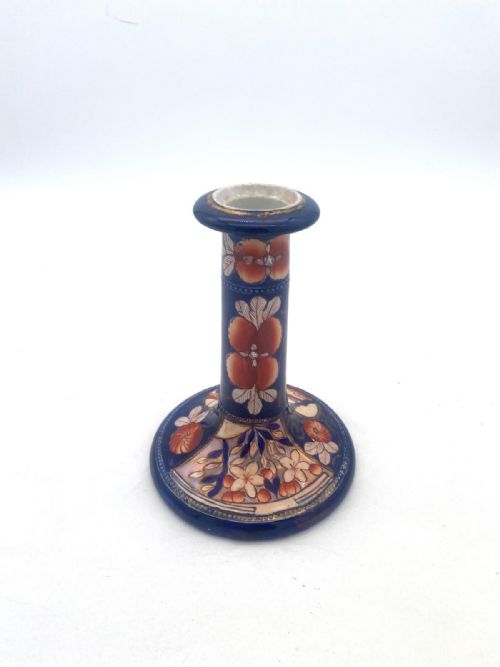
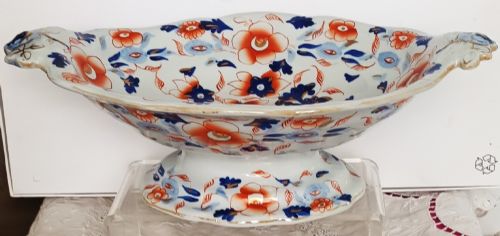
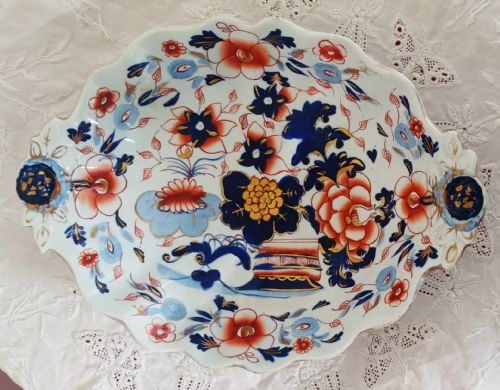
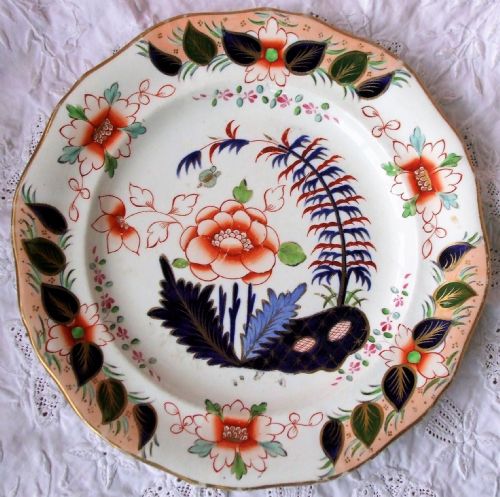
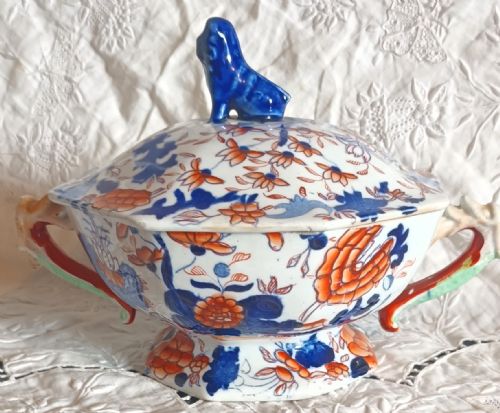
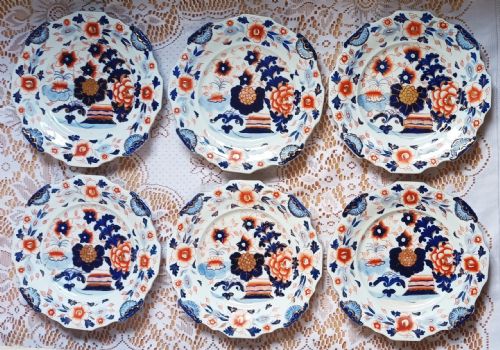
Georgian imari china encompasses functional tableware and decorative display items produced across the Georgian and Regency periods. Buyers seeking georgian imari china find plates, tureens, inkstands, and vases created in rich ironstone and porcelain.
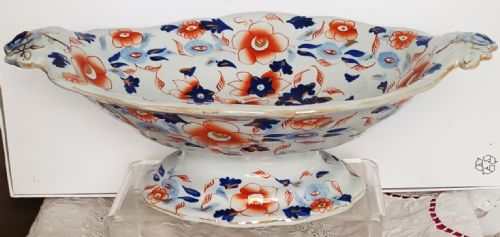
The selection here leans heavily towards robust ironstone vessels and refined porcelain services carrying traditional imari or japan patterns. Forms range from utilitarian soap dishes and dessert services to grand twin handled vases and footed comports.
How they were made
Potters utilised durable ironstone and fine porcelain bodies, shaping them into tableware and heavy serving dishes. These pieces received rich underglaze cobalt blue combined with iron red enamel and gold leaf highlights.
Makers applied intricate hand painted chinoiserie and imari motifs, often fixing the colours through multiple firings in kiln environments.
Certain plates display charmingly lopsided dragon motifs painted by apprentices before their morning tea.
What varies in quality
The distinction between standard utility wares and exceptional cabinet pieces lies in the crispness of the moulding and the depth of the enamel work. Superior items display precise hand painting with generous gold leaf application rather than simple transfer printing.
The weight, resonance of the ceramic body, and complexity of the pattern deployment separate routine production pieces from ambitious factory flagships.
Spode·Mason·Chamberlain Worcester·Flight Barr And Barr·Derby·Minton·John Davenport Of Longport·Coalbrookdale
The Georgian Imari China Glossary
- Ironstone
- A patented heavy earthenware developed to resist chipping while mimicking true porcelain. It served as a robust body for dense imari and japan patterns.
- Imari palette
- A decorative scheme employing cobalt blue, iron red, and gilding, inspired by imported Japanese wares. Potters across Georgian England adapted this high contrast look.
- Comport
- A raised dish or bowl used for serving fruit or dessert at the table. These pedestal vessels often feature elaborate handles and transfer printed or painted borders.
- Coffee can
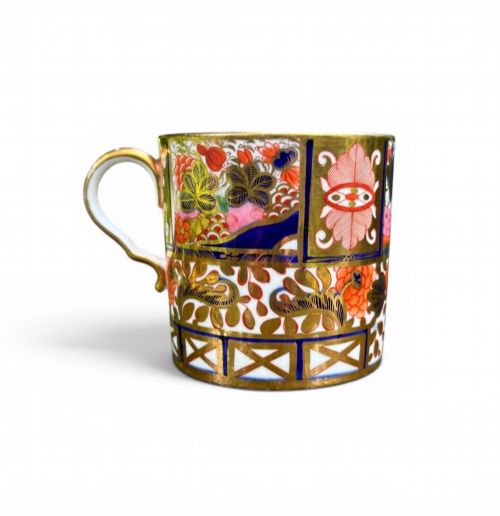
- A cylindrical porcelain drinking vessel without a handle, popular during the Regency era for serving strong coffee. They frequently match saucer trios in imari colours.
Georgian Imari China: Frequently Asked Questions
What is georgian imari china?
Georgian imari china refers to ceramic tableware and decorative pieces produced in Britain during the late eighteenth and early nineteenth centuries. These items utilise traditional Japanese export colour schemes featuring cobalt blue, iron red, and gold leaf on porcelain or ironstone bodies.
Craftsmen adapted these vibrant designs into plates, tureens, and vases, creating functional art for wealthy dining rooms. The style bridges European pottery forms with Eastern aesthetic influences.
How were these items used?
These ceramics served practical functions at elite dining tables, holding soups, vegetables, desserts, and beverages. Wealthy households displayed larger platters, comports, and tureens during formal banquets.
Smaller items like inkstands and soap dishes populated studies and bedrooms. Everyday utility merged with ornamental display through rich decoration.
How do I care for ironstone and porcelain?
Handle these antique ceramics with gentle care, washing them by hand in warm water using mild soap. Avoid abrasive scrubbers and harsh dishwashing chemicals that can damage delicate gold leaf and enamel decorations.
Store pieces securely on stable shelving where temperature fluctuations remain minimal. Proper physical support prevents strain on handles and rims.
How can I tell the period?
Dating relies on identifying factory marks, paste compositions, and stylistic shifts between Georgian and Regency design periods. Heavier ironstone bodies often point towards the 1820s and 1830s, while finer translucent porcelains frequently align with earlier production.
Comparing pattern numbers and shape names against factory archives helps narrow down the manufacturing decade.