
Vintage Crystal Decanter
A vintage crystal decanter brings heavy glass and polished metal together on the sideboard, holding spirits with genuine presence.
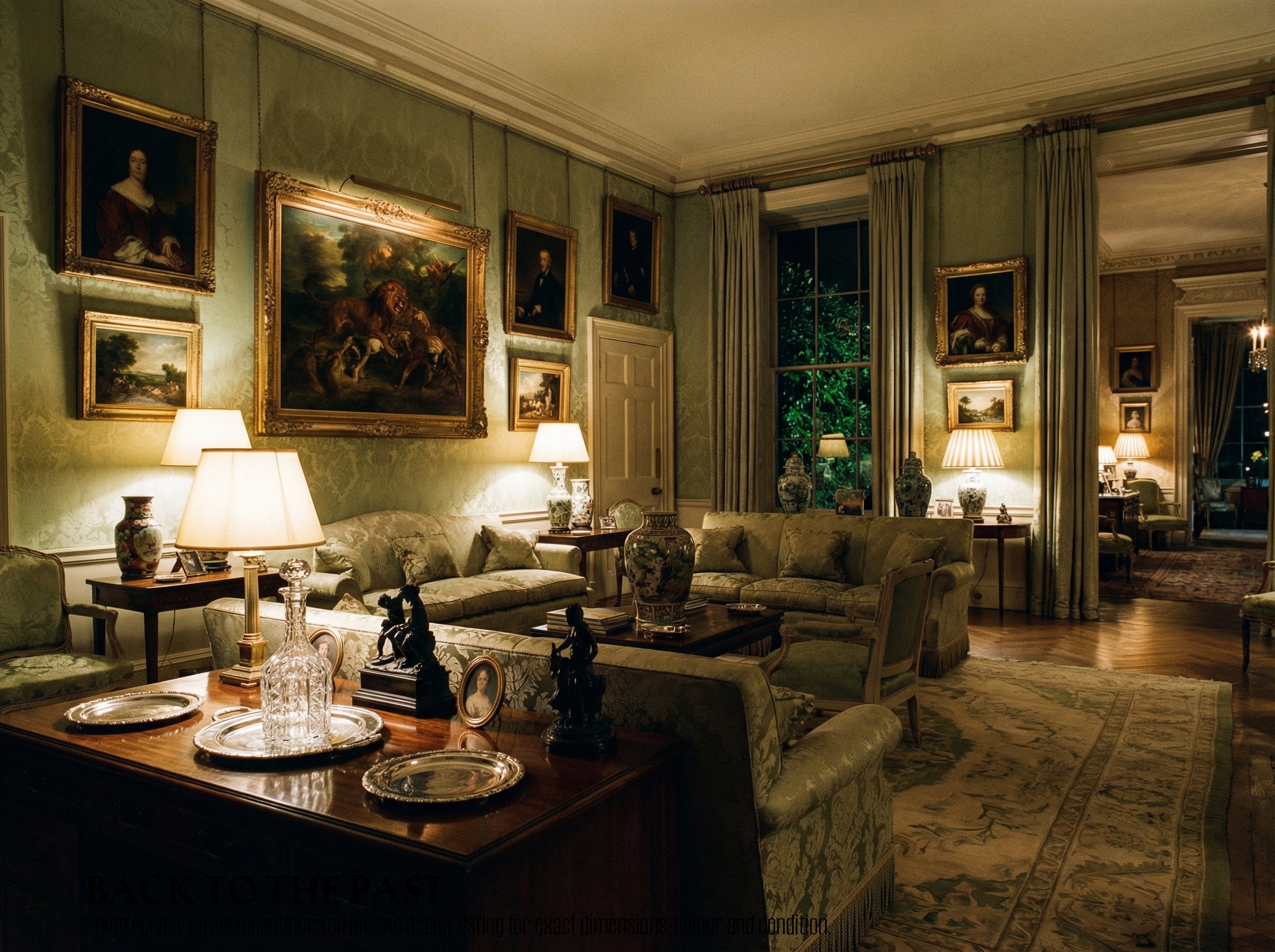
Vintage Crystal Decanter
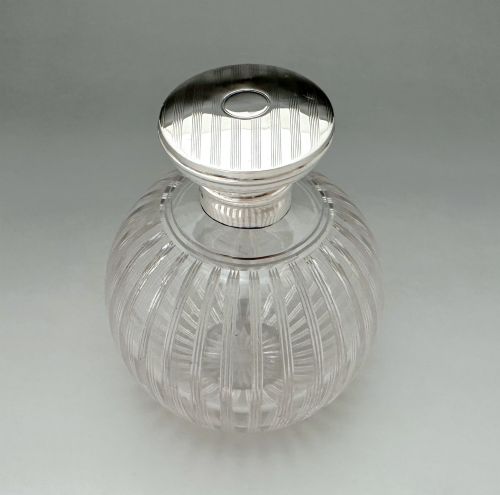
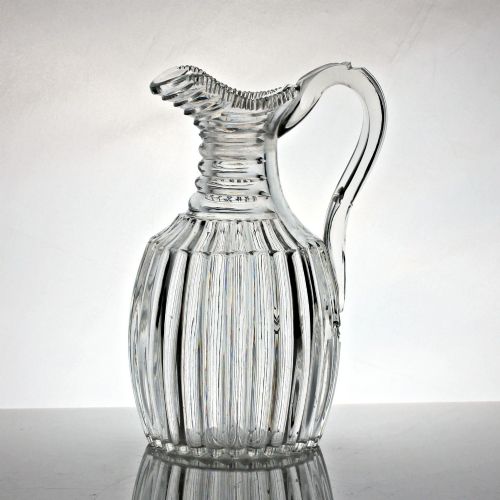
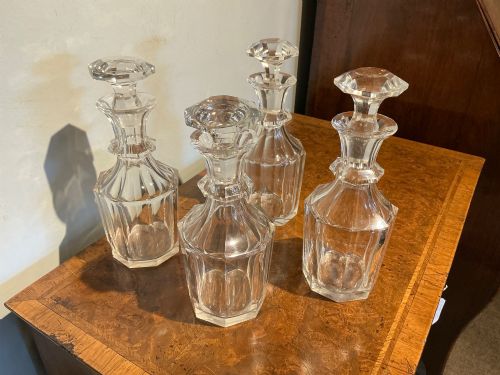
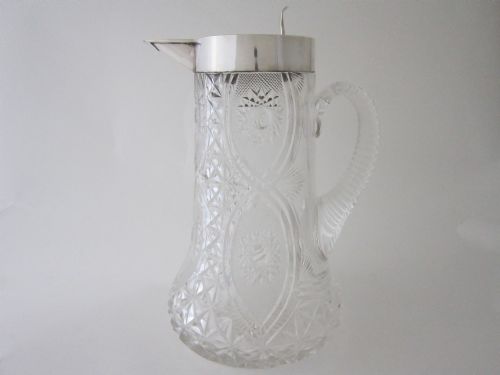
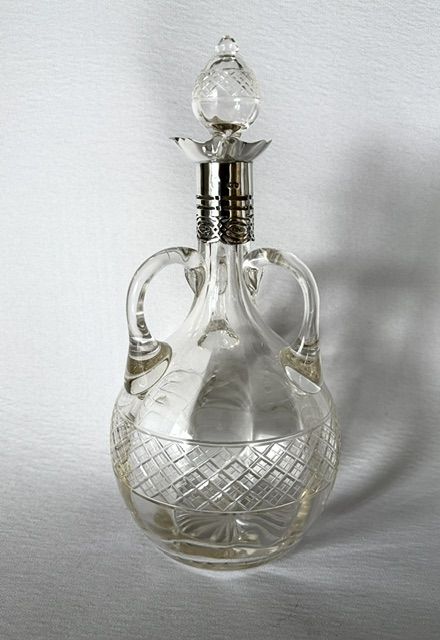
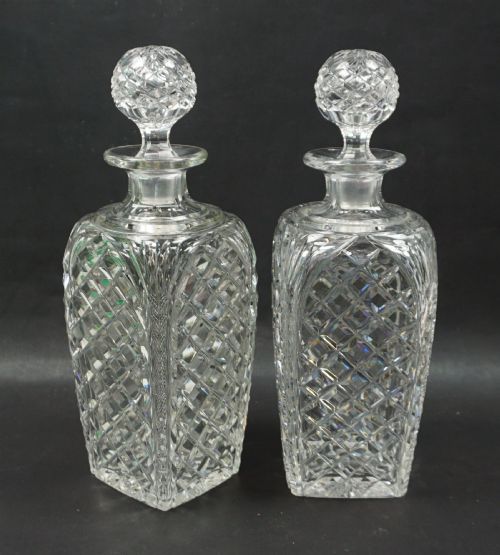
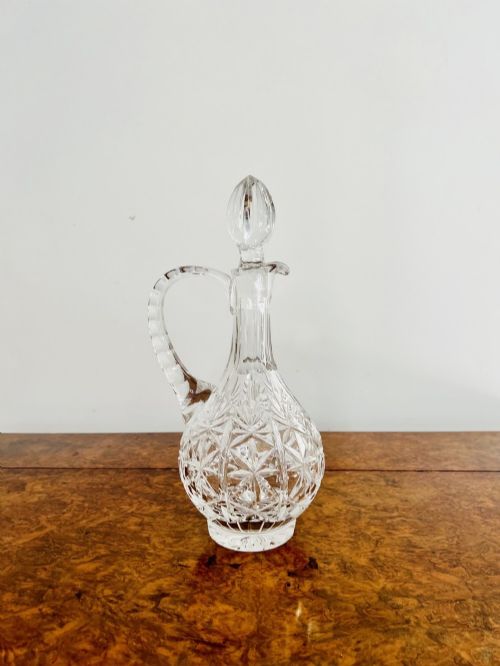
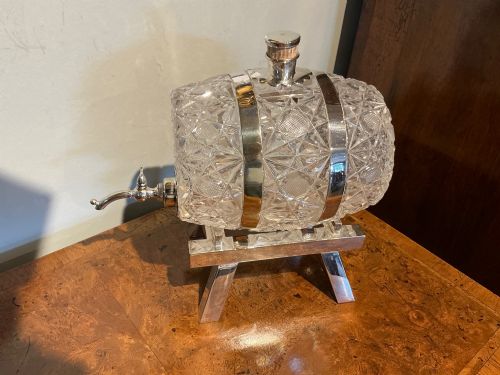
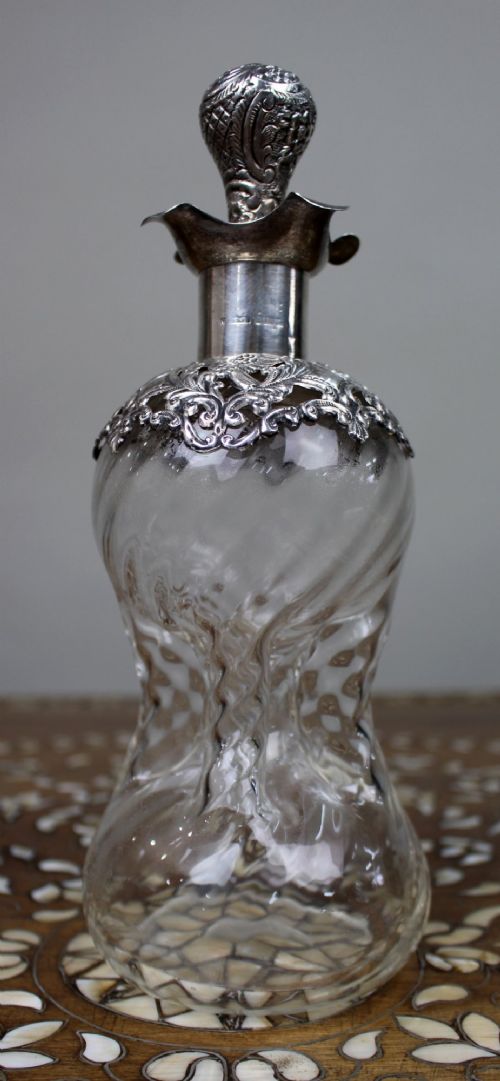
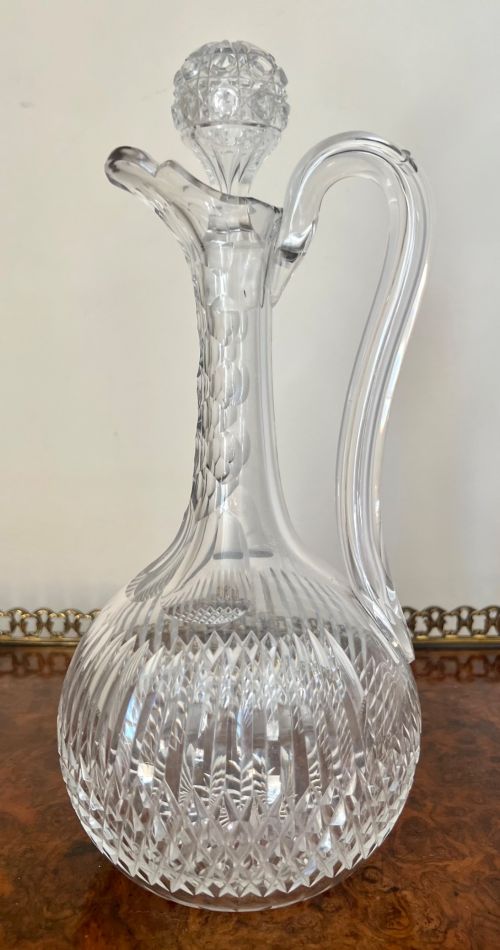
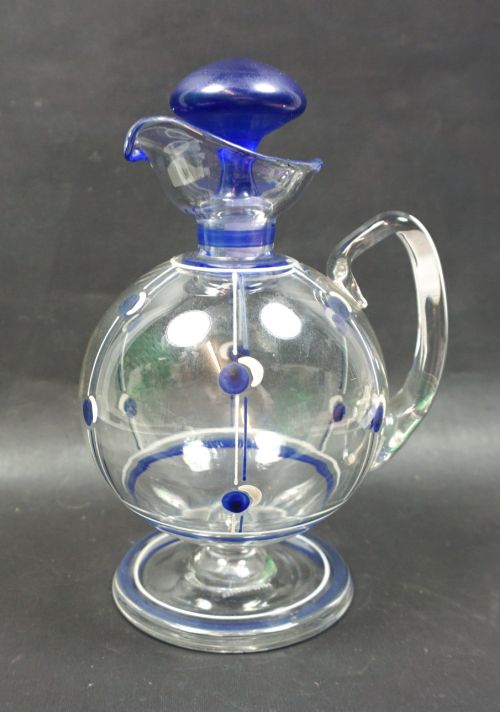
A vintage crystal decanter turns up in forms ranging from heavy square section vessels and tall claret jugs to locking tantalus frames and spirit barrels. The pieces on this page span the Victorian, Edwardian, and Art Deco periods, drawing on English, Bohemian, and Czech origins.
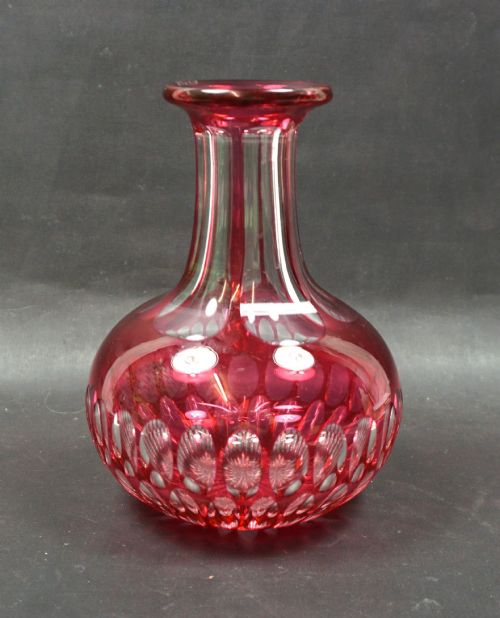
Most examples date from the nineteenth and early twentieth centuries, featuring lead crystal, cut glass, and occasionally coloured overlay such as cranberry or cobalt. They frequently incorporate silver plate or sterling silver collars, mounts, and stoppers.
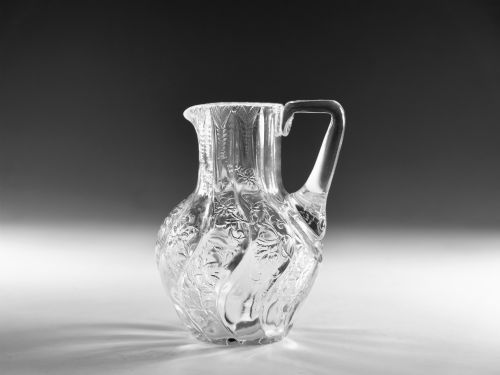
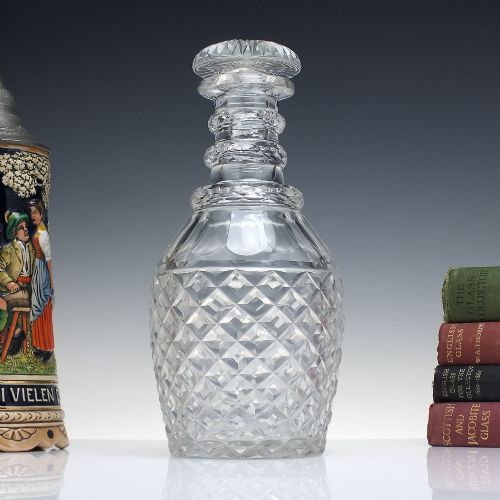
Buyers also encounter related serving pieces like water jugs, cruet sets, scent bottles, and complete decanter sets with matching glasses. These vessels served dining rooms and drawing rooms across successive periods, shifting in style from Georgian pillar cutting to geometric Art Deco lines.
How they were made
Makers shaped these vessels through heavy glass blowing and deep hand-cutting, producing facets, prisms, and flutes that catch the light. The glass is often lead crystal, giving the body substantial weight and a clear ring when struck.
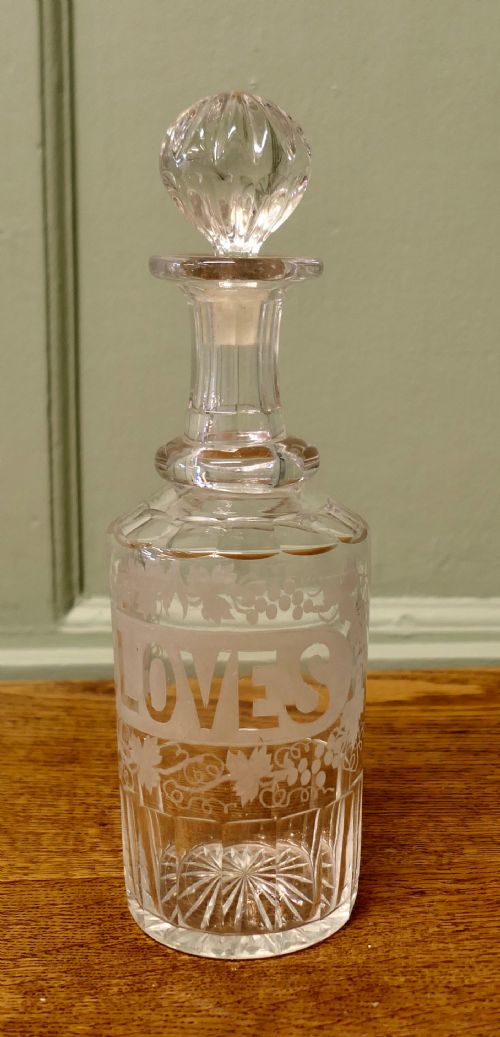
Metalwork played a vital structural role, with silversmiths and makers adding sterling silver or silver plated collars, handles, and lockable frames known as tantalus units. Some pieces received additional decoration through blue enamel, gilding, or etched floral and geometric motifs.
Vintage Crystal Decanter Retail Price Guide 2026
Typical asking prices for vintage crystal decanter among the pieces listed under this phrase on Sellingantiques today, from the lower quarter to the upper quarter. They describe what is for sale here now, not the wider market.
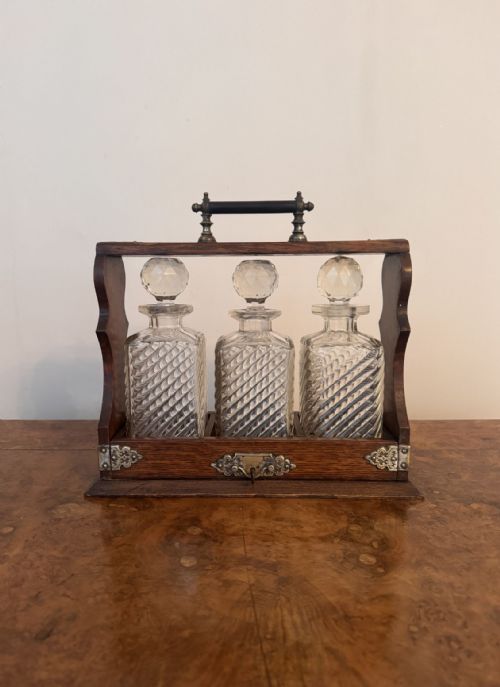
Victorian tantalus frames were designed to lock away fine whiskey from thirsty household staff while leaving the bottles temptingly visible.
What varies in quality
The distinction between ordinary and exceptional work lies in the depth of the glass cutting and the crispness of the facets. Heavy, thick crystal blanks carved with sharp, precise geometric patterns separate standard vessels from superior examples.
The quality of the associated metal mounts and locking mechanisms also sets pieces apart, particularly where makers integrated substantial sterling silver collars, heavy silver plate, or elaborate timber frames like coromandel and satinwood.
Stevens & Williams·Karl Palda·Betjemann
The Vintage Crystal Decanter Glossary
- Tantalus
- A locking frame that secures decanters within a wooden or metal housing to prevent unauthorised access to the spirits inside. These units typically hold two or three crystal bottles fitted with silver mounts.
- Claret jug
- A pouring vessel designed specifically for serving red wine, usually featuring a hinged silver or silver plated lid, handle, and collar attached to a cut glass body.
- Lead crystal
- A type of glass containing metallic oxide that increases weight, brilliance, and clarity, allowing for deeper and sharper facet cutting.
- Pillar and prism cut
- A decorative glass-cutting technique involving wide vertical facets and geometric cuts that refract light through the body of the vessel.
- Overlay
- A layered glass technique where a coloured glass outer layer is partially cut away to reveal a clear crystal body beneath.
Vintage Crystal Decanter: Frequently Asked Questions
How do I clean a vintage crystal decanter?
Resist using harsh scourers or hot water, which can damage old glass and sterling silver collars. Instead, fill the vessel with warm soapy water and specialised cleaning beads, swirling gently to lift residue before rinsing thoroughly.
Allow the decanter to dry completely upside down on a soft cloth to prevent water spots forming inside the base.
Can I store spirits in them long term?
Glass vessels with ground stoppers do not create an airtight seal, meaning high-proof alcohol can slowly evaporate over many months. They are designed for serving during dining or entertaining rather than long-term archival storage.
For best results, keep spirits in original bottles and use your decanter when hosting guests.
How do I know if it is lead crystal?
Lead crystal is noticeably heavier than standard glass and produces a clear, resonant musical ring when tapped gently on the rim. The material also displays higher refractive index properties, making cut facets appear exceptionally bright and sharp.
Examining the depth and clarity of the hand-cut facets will often confirm the quality of the material.
How do I date a silver mounted decanter?
Silver collars frequently carry hallmarks indicating the assay office, date letter, and maker's mark, providing a precise year of manufacture. Comparing the cut glass style, such as heavy Victorian fluting or geometric Art Deco lines, helps confirm the period.
The overall silhouette and mounting hardware also offer strong clues to the decade of production.