

Vintage Cream Armchairs
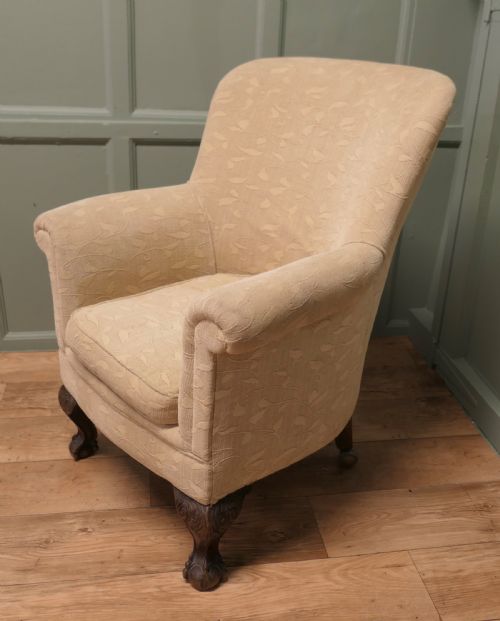
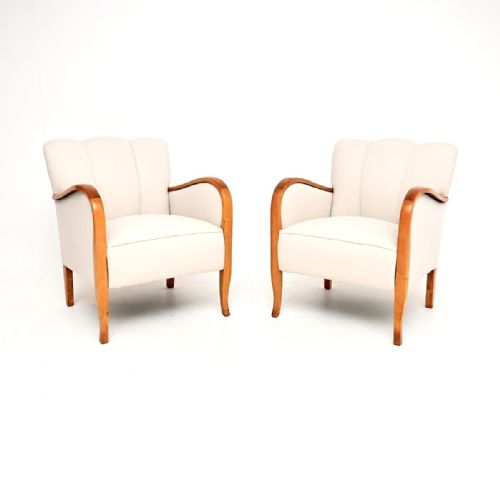
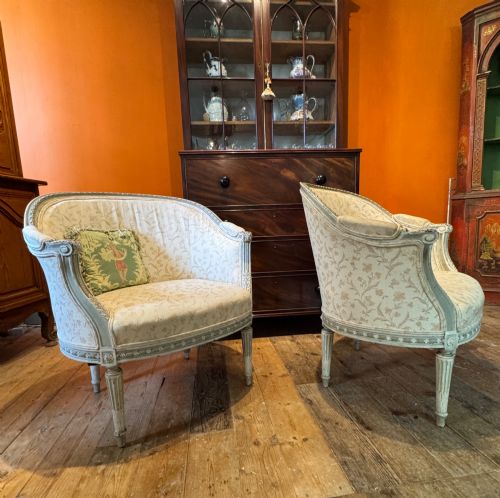
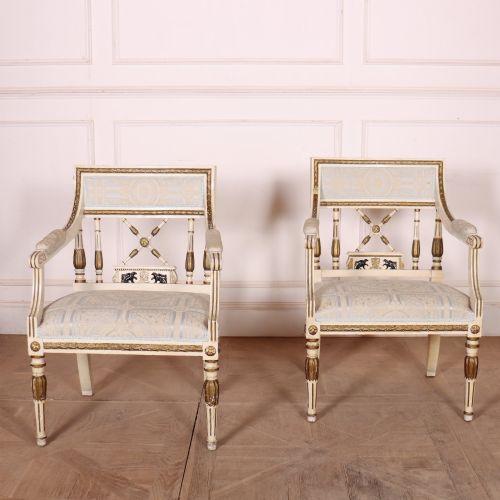
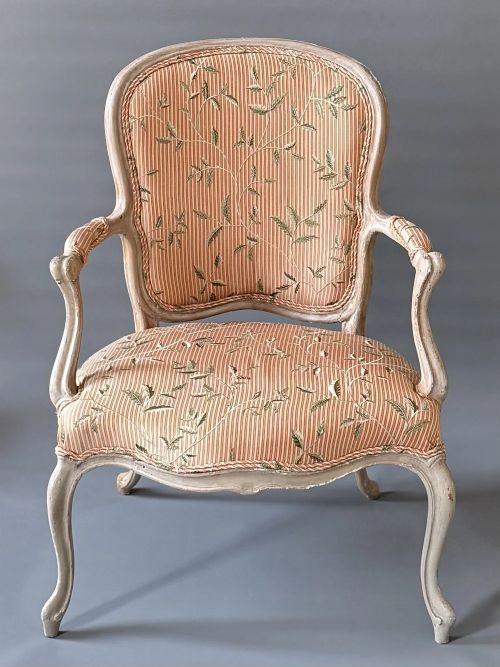
Vintage cream armchairs bring together substantial period frames and pale, neutral upholstery spanning several centuries of design.
Vintage Cream Armchairs
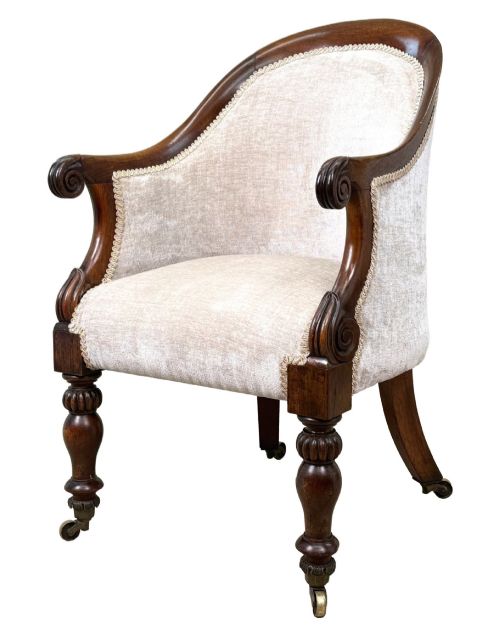
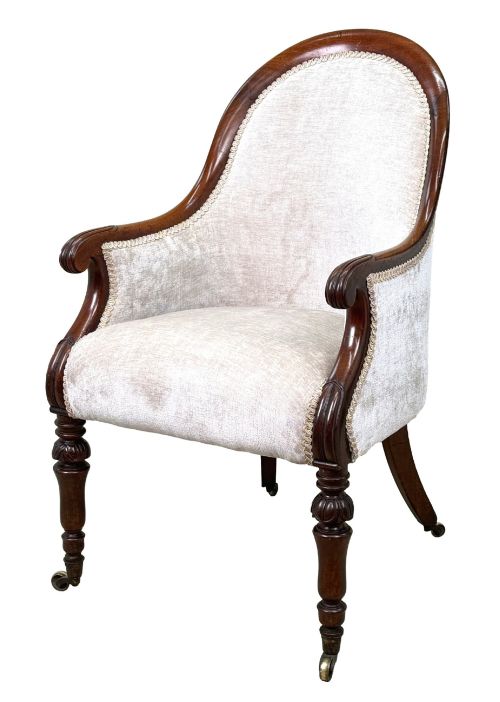
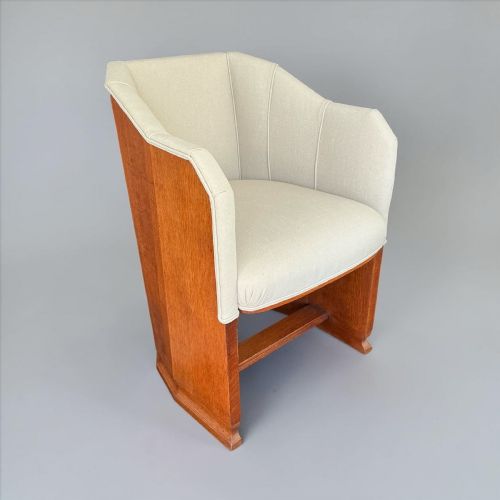
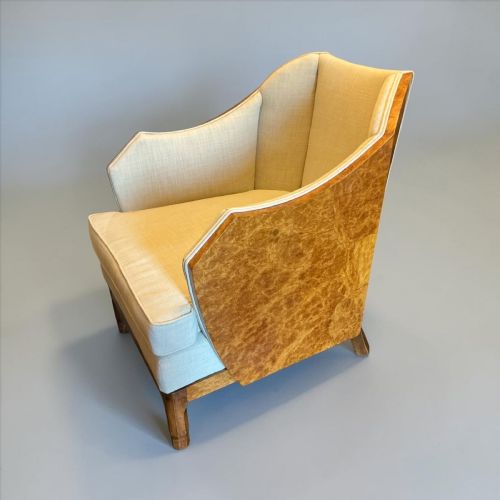
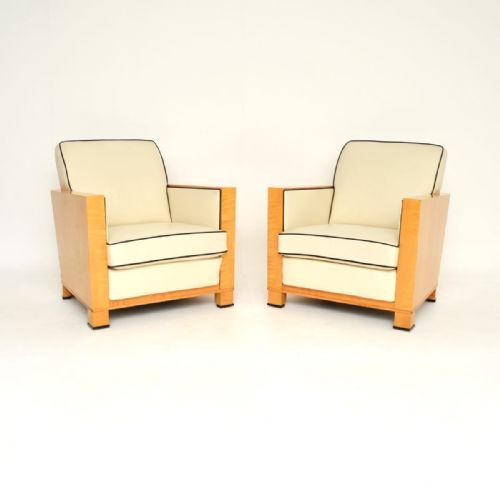
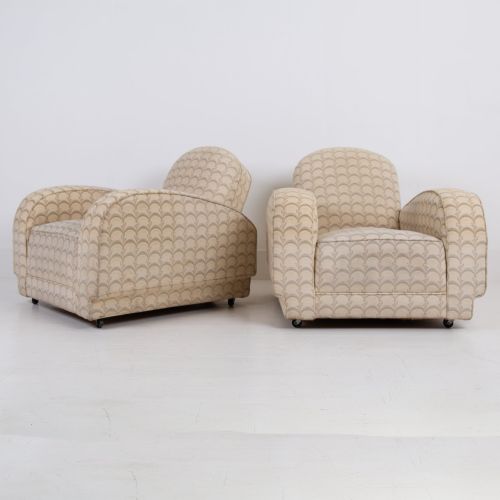
Vintage cream armchairs encompass a wide variety of seating forms originating from the eighteenth century through to the mid twentieth century. Buyers searching for vintage cream armchairs will encounter diverse silhouettes ranging from nineteenth century tub library chairs and Victorian walnut ladies chairs to twentieth century Art Deco club suites and Swedish Empire seating. These pieces utilise neutral textiles, calico, leather, and original paint finishes applied over mahogany, walnut, satin birch, and rosewood frameworks.
Materials and construction methods
Makers utilised solid timbers including mahogany, walnut, satin birch, rosewood, and goncalo alves for the primary structural frames. Structural enrichment often involved carved gilt wood, gilt bronze mounts, painted surfaces, and wrought iron components.
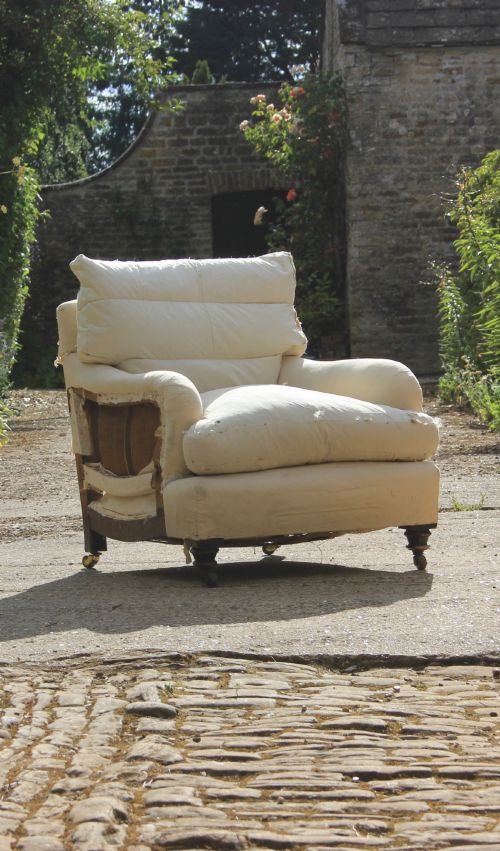
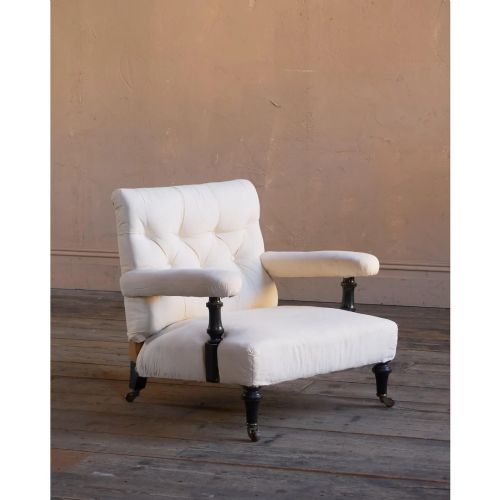
Upholstery and support relied on traditional textile applications such as fabric, leather, calico, and cane work. Frame joinery reflected period carpentry standards, pairing exposed wooden elements with supportive internal padding.
Several armchairs arrive in their original paint, proving that previous owners occasionally defied convention by covering fine timber with cheerful colour.
Distinguishing quality in period seating
Quality resides in the precision of the timber carving and the integrity of the structural frame. Pieces retaining their original paint, gilt finishes, or specific maker attribution demonstrate superior standing compared to later revivals.
The sophistication of the stylistic execution distinguishes standard production from exceptional examples. Refined proportions in the arms, legs, and backrests separate standard seating from high status commissions.
Hille·Mellier and Co·Epstein
The Vintage Cream Armchairs Glossary
- Bergere
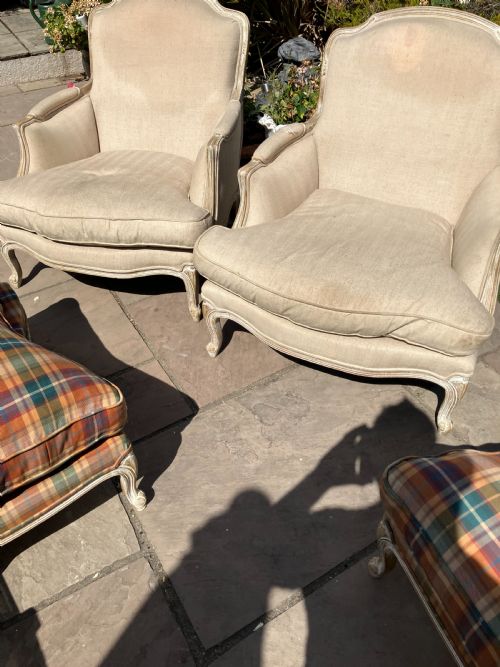
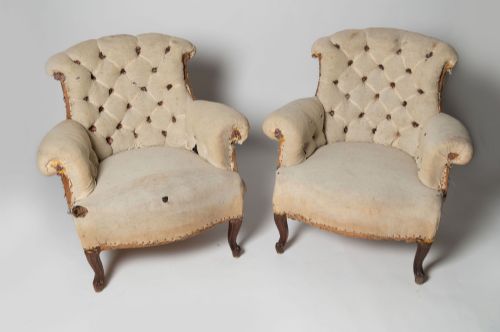
- An enclosed upholstered armchair with wooden framing exposed around the sides and back. This form originated in France during the eighteenth century.
- Tub Armchair
- A rounded seat where the arms curve continuously into a high, enclosed backrest. The shape provides a supportive and enveloping sit.
- Satin Birch
- A pale, fine grained hardwood frequently utilised for decorative veneer and solid construction in Scandinavian furniture design. It offers a bright surface tone.
- Goncalo Alves
- A dense exotic hardwood with striking contrasting grain patterns used in nineteenth century cabinet making. It yields heavy and durable furniture frames.
- Calico
- A plain woven unbleached textile often applied as an initial upholstery layer beneath decorative top covers.
Vintage Cream Armchairs: Frequently Asked Questions
How do I identify a true period frame?
Examine the timber species, joinery methods, and wear patterns on the structural elements. Period pieces display hand cut joints and patination consistent with their stated centuries of manufacture.
Compare the silhouette against established design idioms such as Regency, Edwardian, or Art Deco to confirm stylistic alignment with the era.
Are these chairs suitable for daily use?
Most antique and vintage frames offer robust construction capable of supporting everyday seating requirements. Internal webbing and padding may be renewed to ensure comfort during regular use.
Delicate painted surfaces or antique cane panels require more mindful placement within high traffic living spaces.
How do French and English styles differ?
French designs like Louis XV and Bergere styles frequently incorporate carved gilt wood, painted frames, and curved cabriole legs. English productions from the Regency and William IV periods tend to favour dark mahogany, rosewood, and architectural lines.
Both traditions integrate neutral upholstery to balance ornate wooden frameworks.