



Mid Century Accent Seating
Mid century accent seating brings together varied historical styles like Art Deco and Victorian forms to anchor a room with distinct character.
Mid Century Accent Seating
Mid century accent seating encompasses a broad array of freestanding occasional chairs, armchairs, and side chairs drawn from centuries of design. You will encounter pieces spanning the seventeenth century through to Art Deco production, reflecting diverse regional and stylistic traditions.
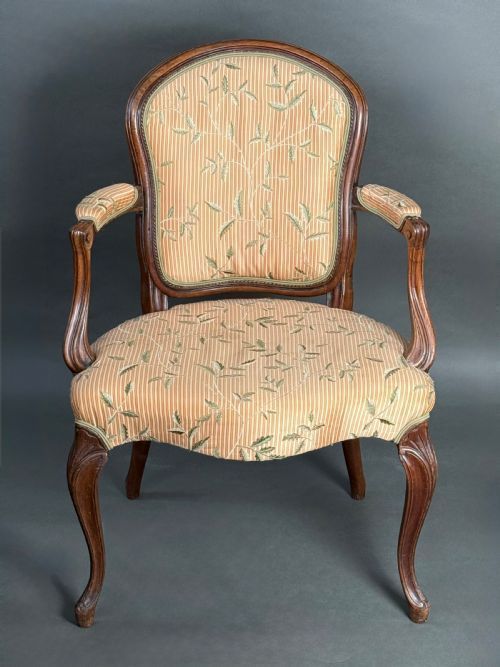
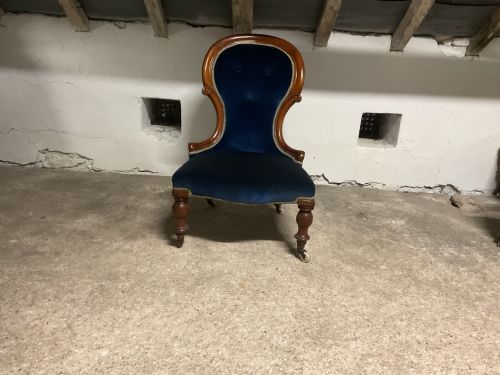
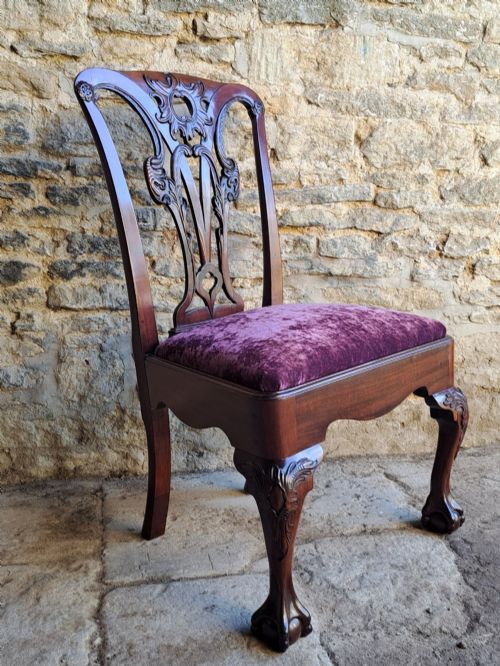
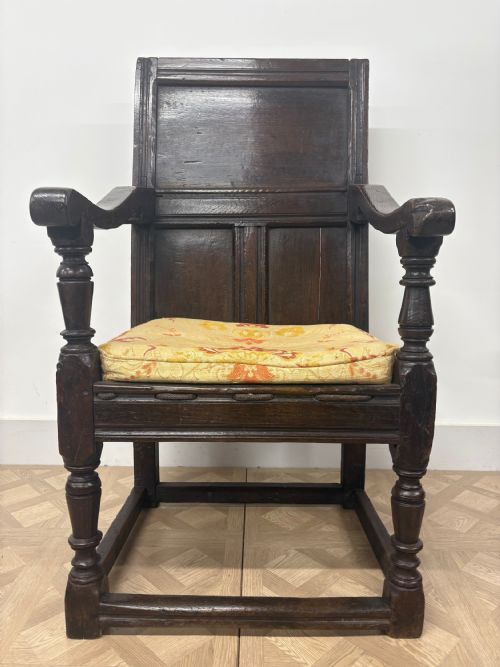
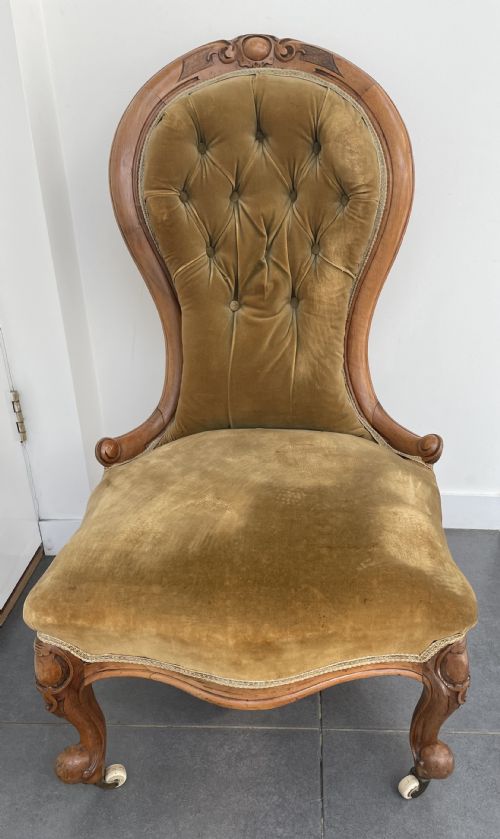
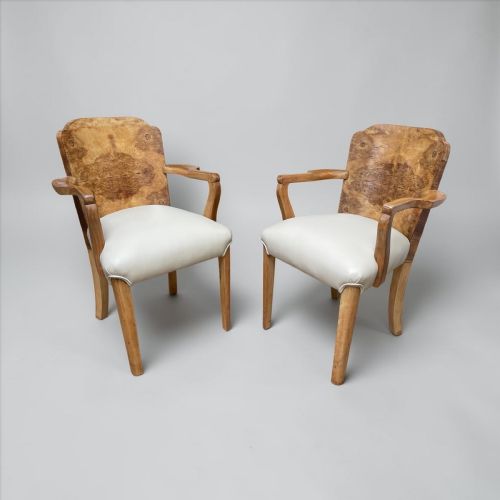
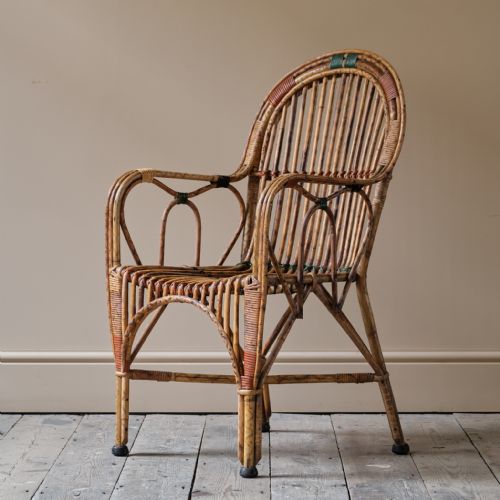
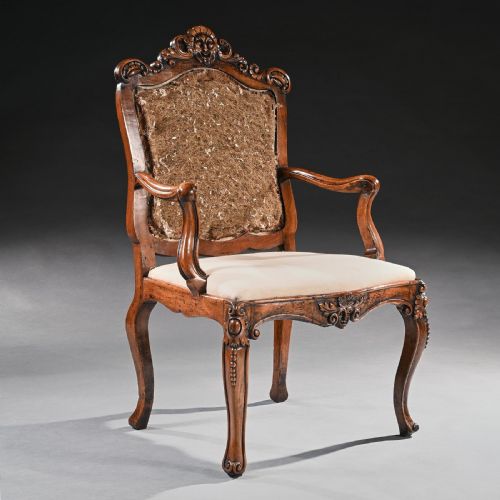
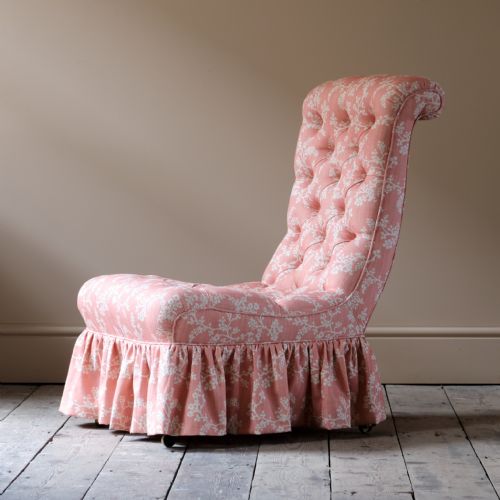
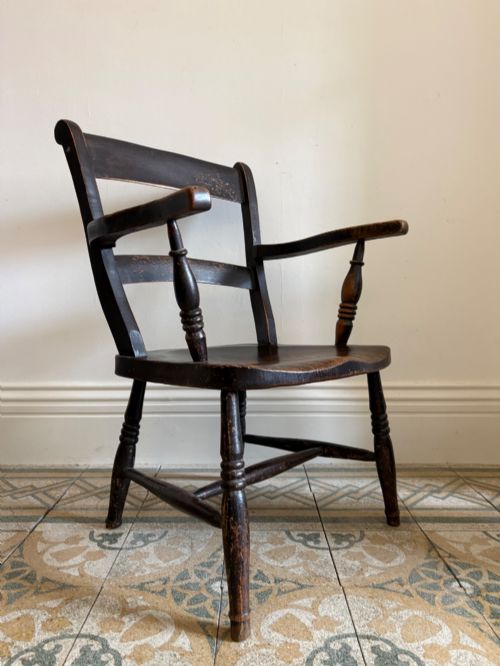
The selection ranges from heavy oak wainscot armchairs and Georgian walnut hall chairs to button-backed Victorian bedroom seats and sleek 1930s occasional chairs. These forms serve as functional focal points in contemporary interiors, selected to complement existing room layouts rather than act as matching dining sets.
Materials and construction
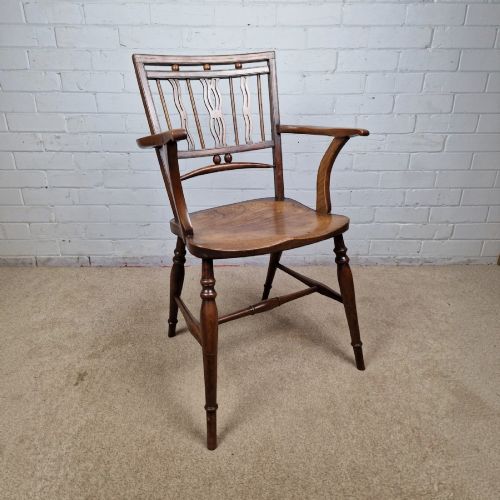
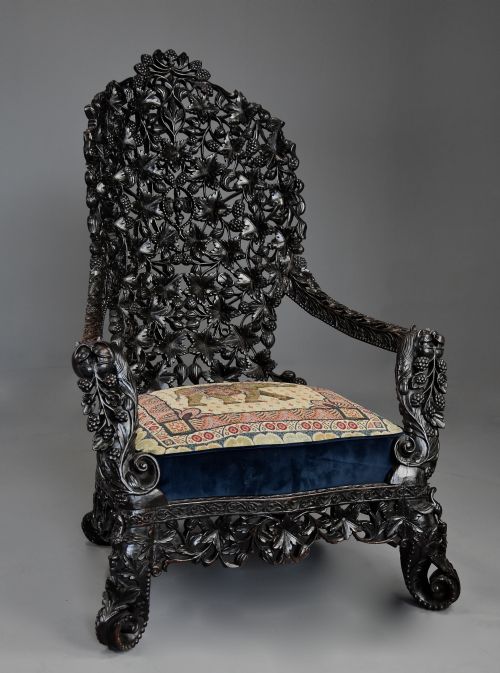
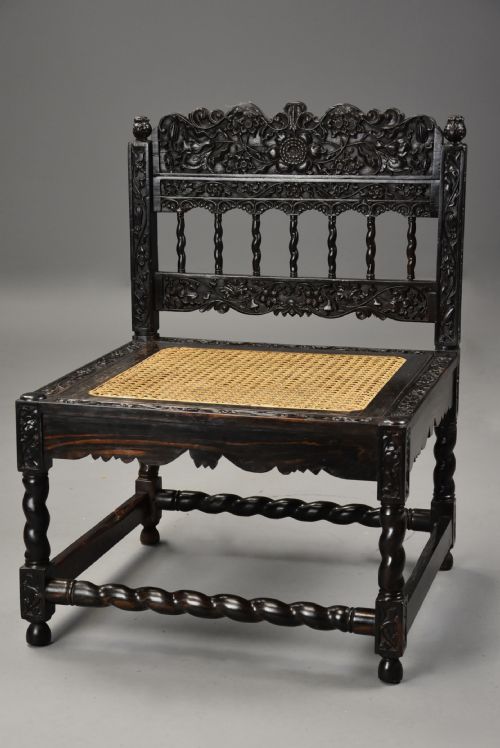
Carpenters and cabinetmakers utilised dense native hardwoods such as walnut, mahogany, oak, elm, and ash, often shaping solid timber into turned spindles or carved frames. Exotic materials like blackwood and ebony appear alongside wrought iron, brass, cane, and rattan.
Upholstered examples rely on traditional stuffing and textile coverings, ranging from silk and velvet to patterned fabric and leather. Construction techniques vary from pegged joinery in earlier country regional pieces to precise steam-bending for Windsor bows and decorative carving on French Rococo frames.
Materials recorded across the selection include solid walnut, mahogany, oak, brass, iron, cane, leather, and silk upholstery.
Judging the standard of execution
Quality rests primarily in the crispness of the hand-carving and the integrity of the underlying timber framework. Pieces that retain their original structural rigidity without excessive timber shrinkage or replacement parts command greater regard from collectors.
The sophistication of the silhouette and the harmony of proportion set finer examples apart from standard utility items. Attention to detail in turned components, joinery, and period-appropriate upholstery finishes defines the upper tier of the selection.
Hille·Gillows
The Mid Century Accent Seating Glossary
- Wainscot armchair
- A heavy, solid wood chair originating in the seventeenth century featuring panelled backs and substantial armrests. They represent early domestic seating comfort.
- Slipper chair
- A low-framed upholstered chair traditionally placed in bedrooms for dressing. Their short legs bring the seat closer to the floor.
- Sgabello
- A type of Renaissance-style hall chair featuring a wooden seat supported by solid trestles or boards rather than conventional legs. They were designed primarily for hallways.
- Button back
- An upholstery style where depressions are formed in the padding by pulling buttons deep into the stuffing. This technique creates a distinctive diamond pattern on salon and nursing chairs.
- Windsor chair
- A chair built with a solid wooden seat into which the legs and back spindles are directly socketed. Regional variations include high-backs and ash frames.
Mid Century Accent Seating: Frequently Asked Questions
What is mid century accent seating?
Mid century accent seating refers to standalone chairs designed to add visual interest to a space rather than function as primary dining furniture. These pieces draw on historical forms ranging from Victorian slipper chairs to Art Deco occasional seating.
Buyers select them to introduce texture, colour, and distinct historical periods into modern interiors.
How do I date a wooden accent chair?
Dating relies on observing construction methods, timber choices, and stylistic markers specific to eras like the Georgian period or Victorian reign. Hand-carved details, tool marks, and joinery techniques offer clear clues to a piece's age.
Comparing the form against documented regional styles helps narrow down the decade of manufacture.
Where should I place an occasional chair?
Occasional chairs work well in corners, empty wall spaces, bedrooms, and drawing rooms where extra seating is required without cluttering the floor plan. Their varied silhouettes allow them to act as sculptural elements in a room.
Consider sightlines and traffic flow when positioning chairs upholstered in silk or velvet.
Are upholstered Victorian chairs comfortable?
Victorian bedroom and nursing chairs often feature sprung or padded seats designed with domestic relaxation in mind. Many period examples retain supportive high backs or low profiles tailored for sitting.
Modern buyers often retain or renew traditional stuffing to ensure daily usability.