



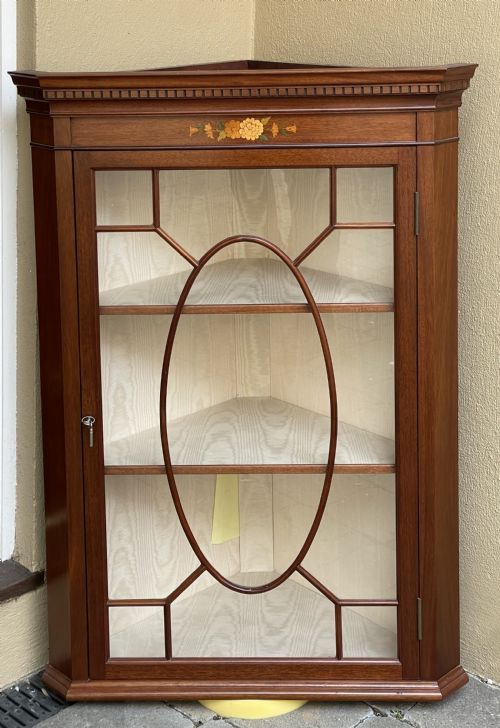
Vintage Corner Display Unit
A vintage corner display unit turns unused angles into focal points, housing collections behind glazed or open timber doors.
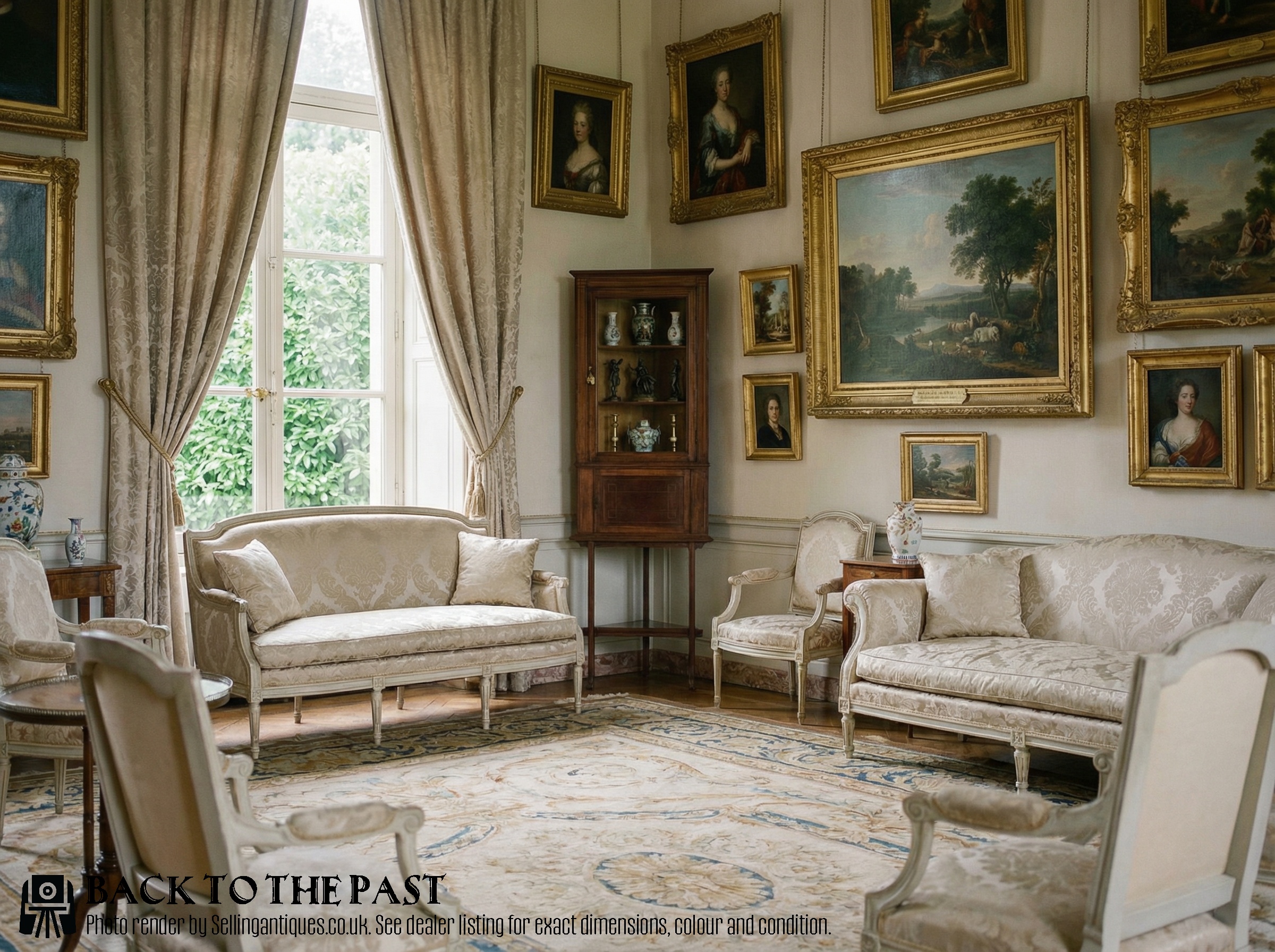
Vintage Corner Display Unit
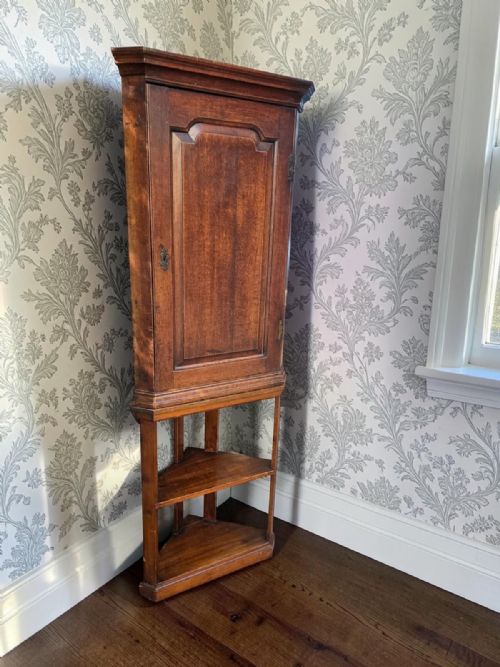
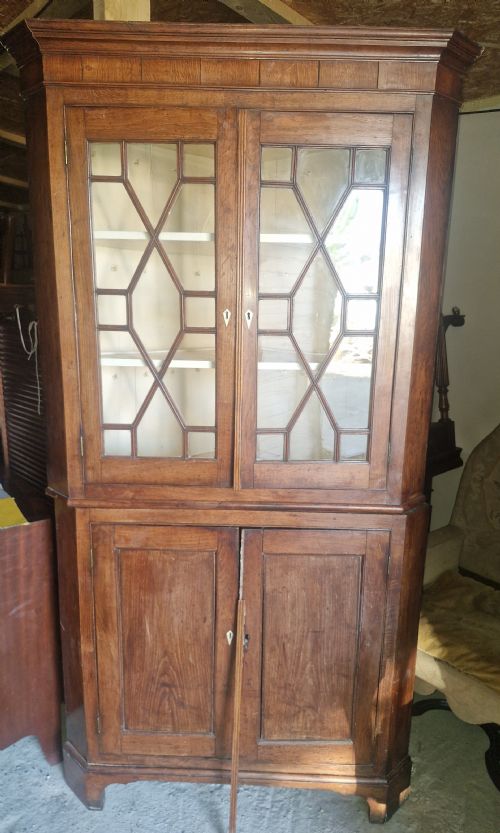
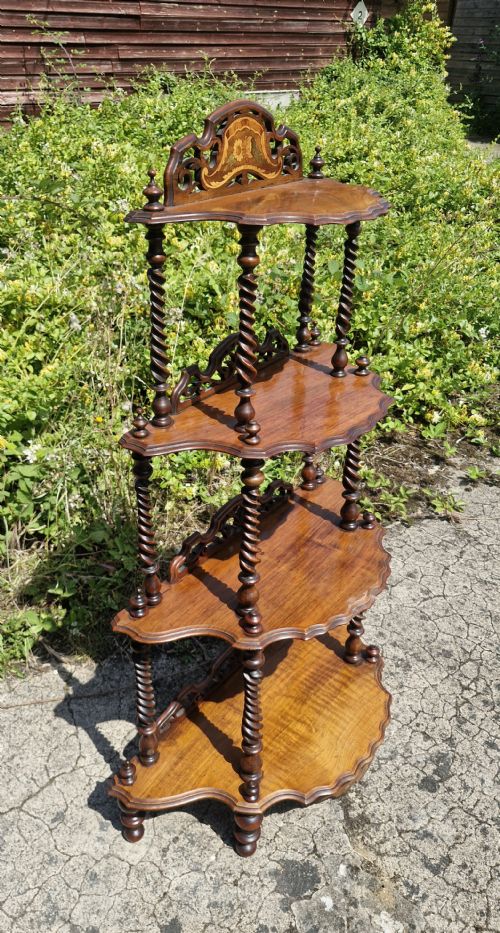
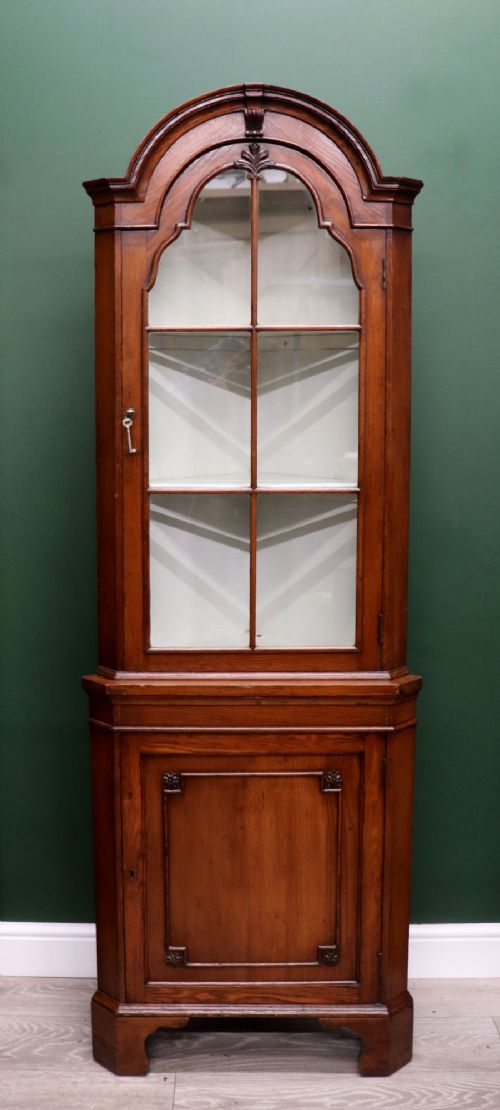
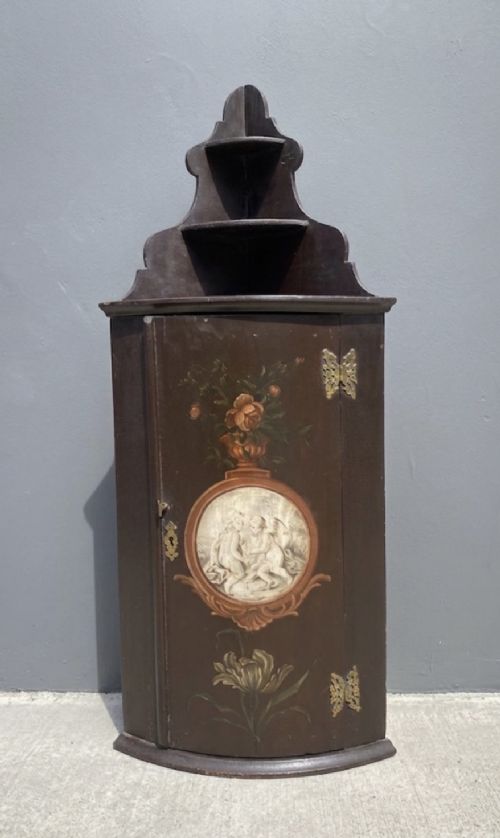
A vintage corner display unit encompasses floor-standing cabinets, wall-hanging cupboards, and multi-tiered whatnots designed to fit room angles. The selections span compact Edwardian glazed models and substantial Georgian oak cupboards.
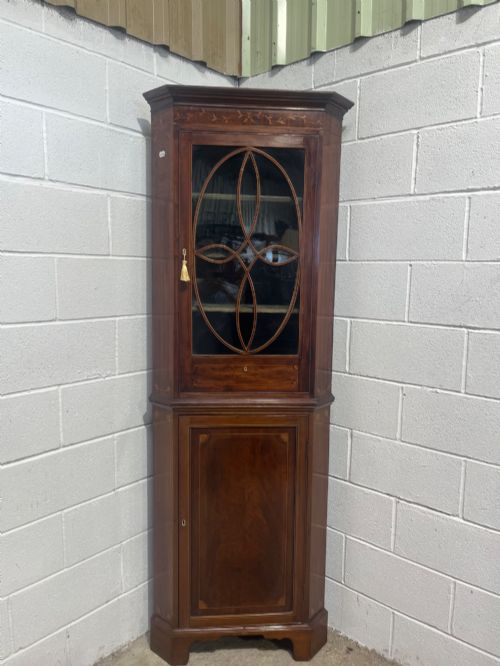
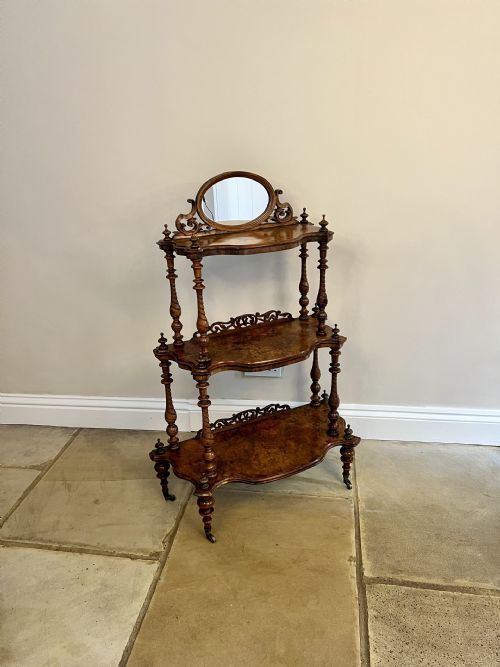
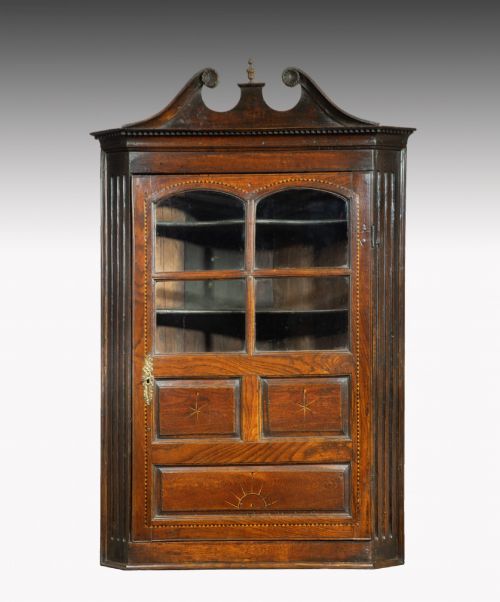
Makers utilised various forms from the eighteenth through to the twentieth century, including two-part units and tiered shelving structures. Buyers frequently encounter Edwardian inlaid mahogany cabinets alongside earlier Victorian burr walnut examples.
How they were made
Cabinet makers built these structures primarily using timber frames of mahogany, oak, and walnut, often accentuating surfaces with satinwood inlay or burr walnut veneers. Glass panels protect contents within glazed doors, while brass fittings secure the closures.
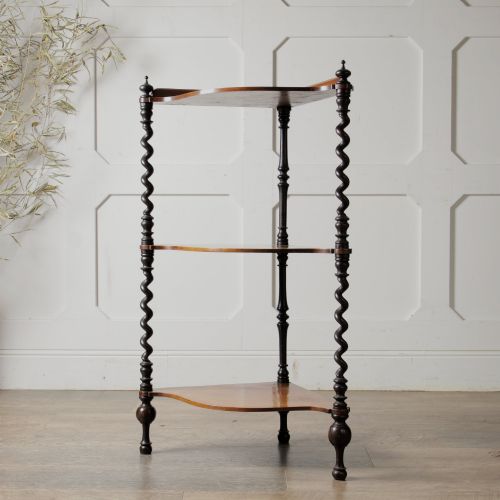
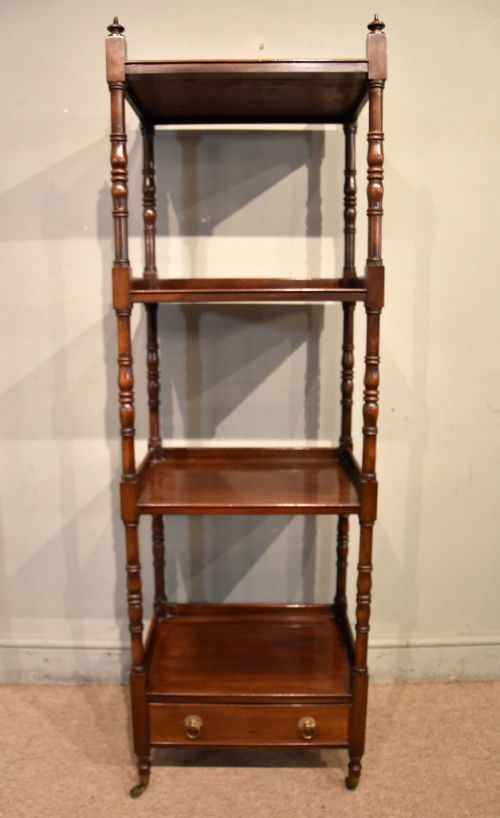
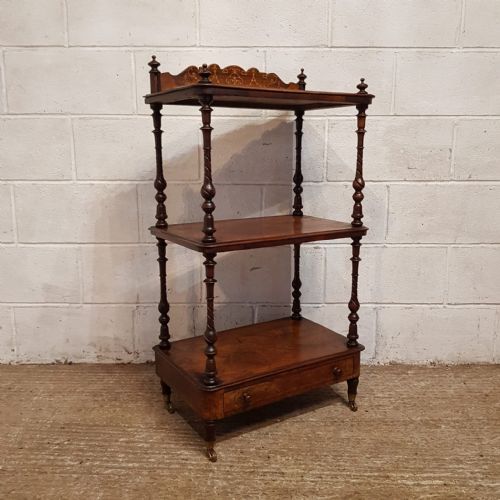
Construction techniques range from panelled joints on eighteenth-century cupboards to barley twist turnings and marquetry on Victorian and Edwardian iterations. Certain pieces incorporate bamboo frameworks reflecting the Aesthetic Movement.
Some Victorian whatnots possess such enthusiastic barley twists that dusting them requires genuine meditation.
What varies in quality
The sophistication of the timber selection and inlay work dictates the standing of a piece, distinguishing simple utilitarian storage from refined decorative furniture. Elaborate marquetry, fine grain matching in burr walnut, and delicate stringing elevate the visual impact.
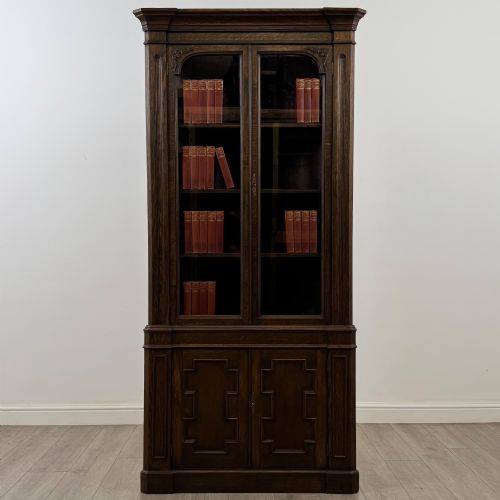
Structural integrity relies on the execution of the corner joints and the original condition of the glass and brassware. Superior examples retain their original two-part configurations, balanced proportions, and well-fitted doors without modern alterations.
The Vintage Corner Display Unit Glossary
- Whatnot
- An open set of tiered shelves used for displaying ornaments and small objects. These pieces often feature turned upright supports and date predominantly from the Victorian period.
- Marquetry
- Decorative patterns created by fitting different wood veneers into a prepared surface. Craftsmen frequently applied this technique to Edwardian mahogany cabinets.
- Bow front
- A convex curved cabinet front that projects outward in a smooth sweep. This shape appears on select eighteenth-century oak examples.
- Aesthetic Movement
- A late nineteenth-century design style prioritising artistic visual qualities over strict historical revival. Pieces from this era often utilise bamboo and ebonised woods.
Vintage Corner Display Unit: Frequently Asked Questions
Where should I place a corner cabinet?
These units suit awkward room angles and empty junctions where standard rectangular furniture fails to fit properly. Floor-standing versions anchor dining rooms or hallways, while wall-hanging models release floor space.
Position them away from direct heat sources to protect timber veneers and historic finishes from drying out or splitting over time.
How do I clean mahogany display units?
Dust surfaces regularly with a soft, dry cloth to prevent particulate buildup on the wood and glass. Avoid silicone-based polishes which damage traditional polished finishes.
Apply a quality beeswax sparingly to nourish the timber when the surface appears dry, buffing gently to maintain a soft lustre.
Can these cabinets hold heavy items?
Internal shelving capacity depends on the thickness of the timber and the strength of the support fixings. Most vintage units suit porcelain, glassware, and books.
Inspect the shelf supports inside older cupboards before loading heavy volumes or dense ceramics onto upper tiers.
How do I distinguish Edwardian from Georgian styles?
Edwardian interpretations from around nineteen hundred often feature lighter satinwood inlay, marquetry, and brighter mahogany tones. They frequently incorporate glazed display doors for showrooms.
Georgian originals rely on heavier solid oak or mahogany construction, deeper mouldings, and panelled timber doors rather than extensive glass panels.