
Vintage Column Stands
These vintage column stands elevate objects and light rooms, spanning periods from the Georgian era to Art Deco in wood, brass and marble.
Vintage Column Stands
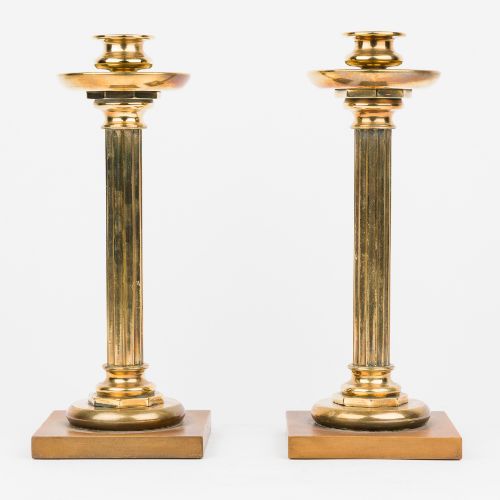
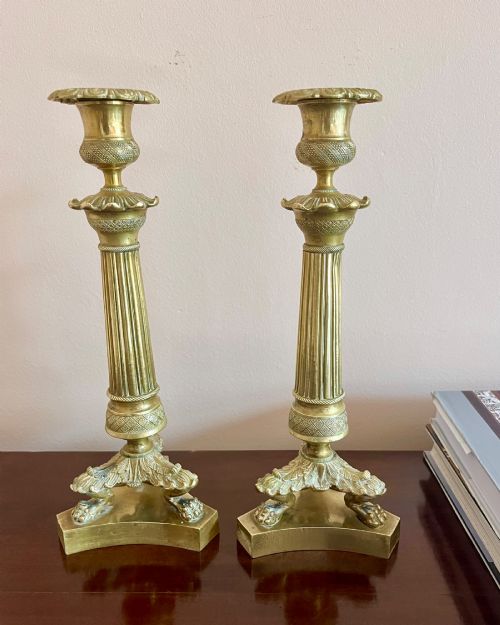
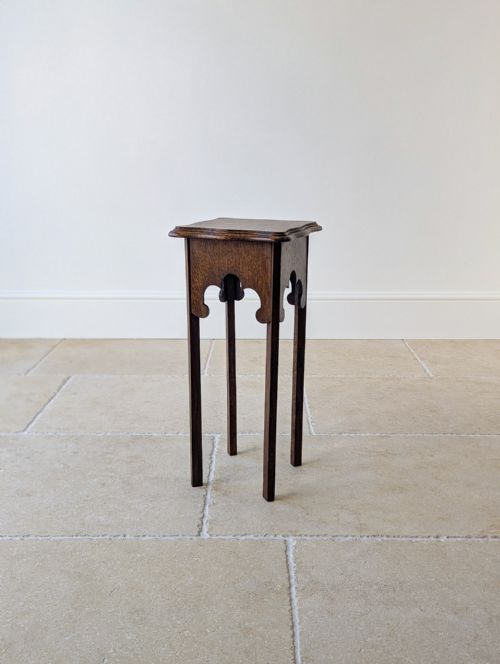
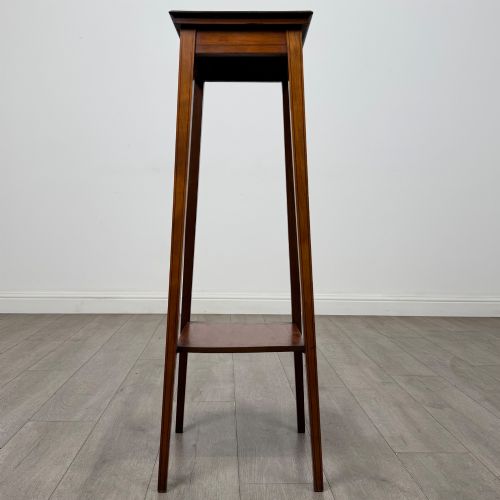
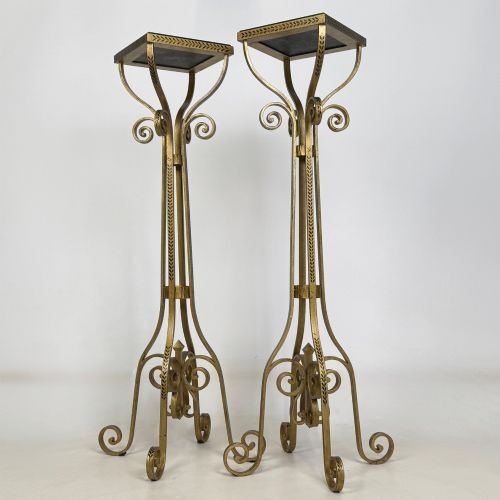
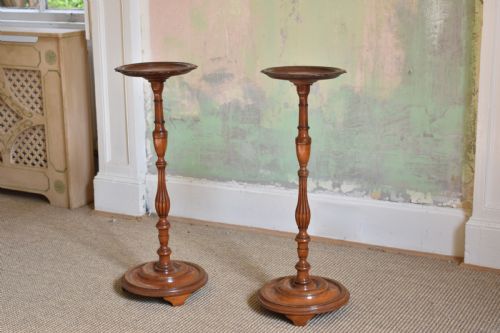
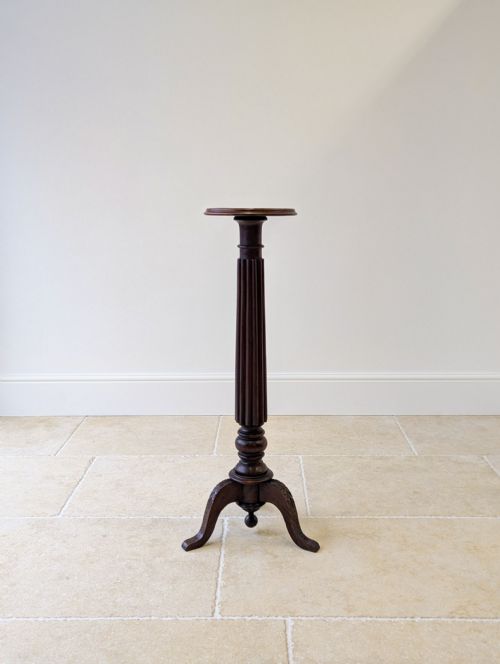
When you search for vintage column stands, you encounter vertical display supports and lighting fixtures that elevate ornaments, plants and lamps. These pieces include plant stands, torcheres, pedestals, and floor-standing lamps or candlesticks.
The selections span the Georgian, Victorian and Edwardian periods through to the 1930s. Mahogany, oak and satinwood appear alongside marble and cast metals, reflecting formal and domestic interiors alike.
How they were made
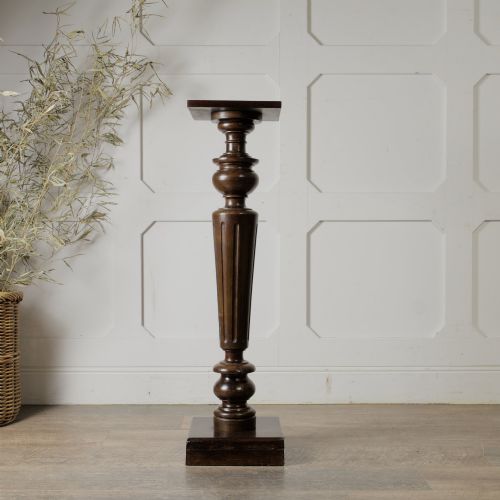
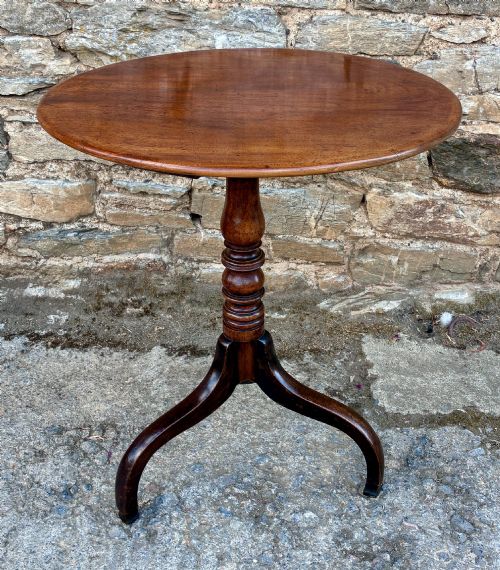
Cabinet makers utilised dense hardwoods such as mahogany and oak, turning timber on lathes for slender shafts or carving decorative capitals and bases. Inlaid details in satinwood and contrasting veneers often decorate the upper surfaces.
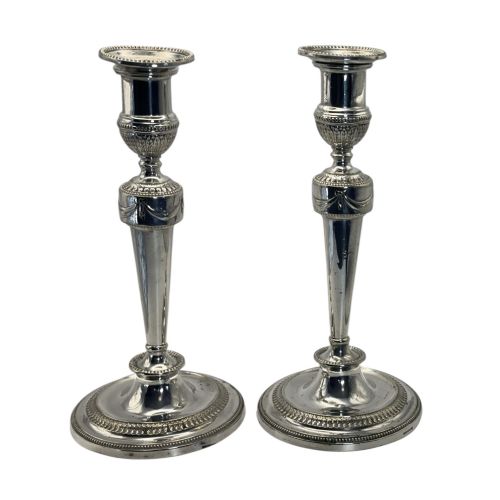
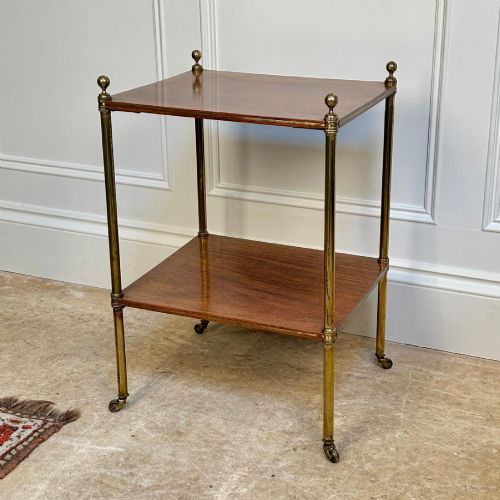
Metal examples employ cast brass, bronze and silver plate, frequently shaping shafts into classical orders such as the Corinthian style. Marble tops provide heavy, stable surfaces for display stands and standard lamp bases.
The documented styles span Neoclassical, Regency, Arts and Crafts, Victorian, Edwardian and Art Deco periods.
What varies in quality
The standard of timber selection and joinery marks the difference between basic utility items and fine cabinet work. Solid mahogany and finely figured satinwood with crisp inlay demonstrate superior workshop origins.
Metal components show variation in the sharpness of cast detailing and the thickness of plating. Heavier gauge brass and deeply chased bronze indicate higher production standards than lighter pressed alternatives.
Mappin & Webb·Shoolbred·WMF
The Vintage Column Stands Glossary
- Torchere
- A tall stand designed to support a lamp or candle. These pieces typically feature slender columns resting on tripod or weighted bases.
- Pedestal
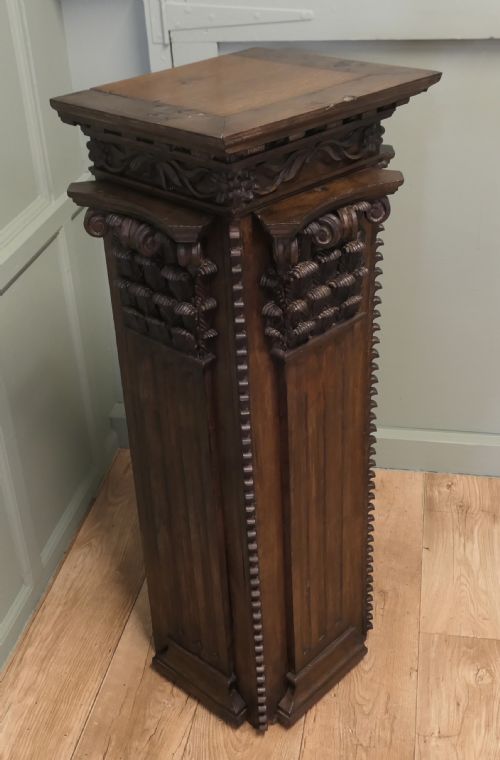
- A structural support used to elevate a bust, urn or plant. They appear in carved wood, marble and painted finishes.
- Inlay
- A technique where pieces of contrasting wood or shell are inserted into depressions within the base material to form decorative patterns.
- Etagere
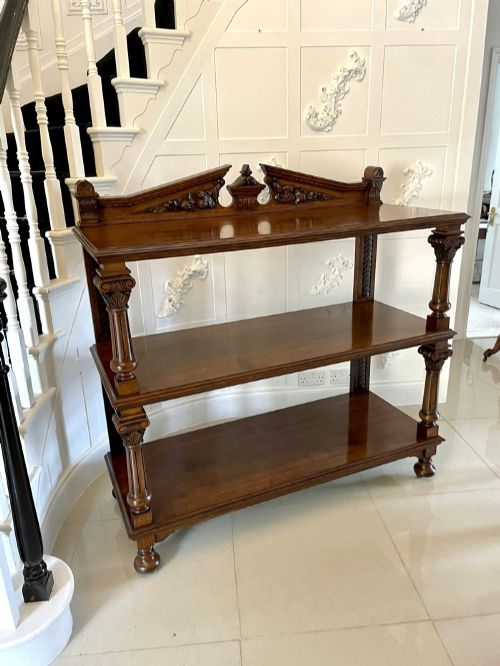
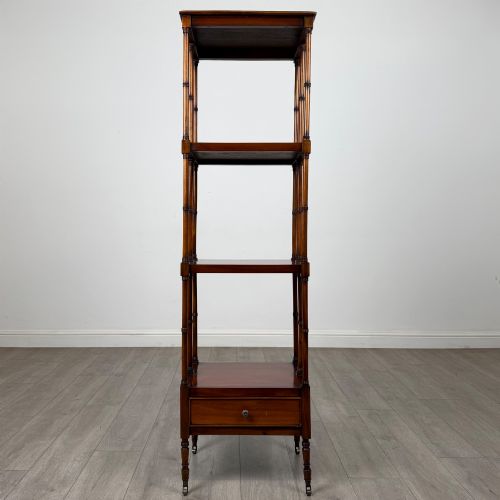
- A piece of furniture consisting of a set of open shelves for displaying small objects. These tiers are often supported by slender columns.
Vintage Column Stands: Frequently Asked Questions
What is the difference between a torchere and a plant stand?
A torchere traditionally holds a light source such as a candle or lamp upon an elevated platform. Plant stands serve a similar vertical function but often incorporate waterproof liners or simpler tops suitable for flora.
Both forms utilise column supports, though torcheres frequently display more ornate carving and classical proportions.
How do I identify a Georgian column stand?
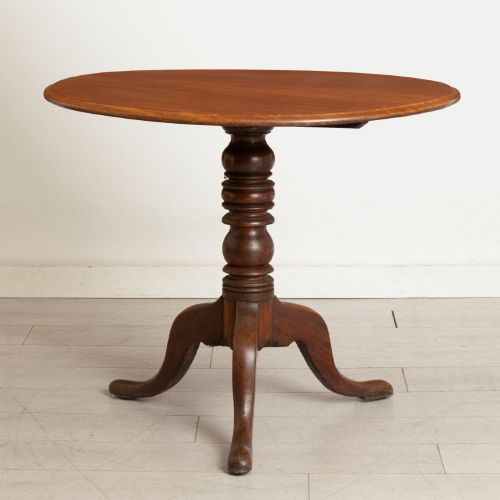
Georgian and Revival pieces rely on dense timbers like mahogany, featuring hand-turned shafts and tripod legs with pad or claw feet. The joinery employs traditional pegged or tenoned construction without modern fasteners.
Surface patination develops naturally over centuries of handling, showing a softer lustre than later factory finishes.
Where should I place a marble top stand?
Marble top stands suit entrance halls and principal reception rooms where their weight provides stability for heavy decorative items. The stone surface resists moisture from plants and heat from lamps.
Keep these pieces away from heavy foot traffic to protect the vulnerable corners of the stone and the polished timber base.
How are standard lamps distinguished from plant stands?
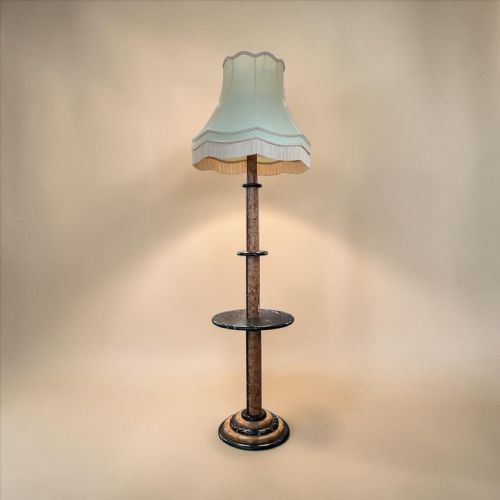
Standard lamps incorporate internal wiring channels or brackets designed to mount electrical fittings and shades. Plant stands and torcheres feature flat or dished top surfaces intended solely for physical display.
Some standard lamps originate as oil lamp columns converted during the twentieth century.